


striptease
stripteaseAlso known as erotic dance or sexy dance, it is a type of dance that...sexual innuendoAs a performing art form, erotic dance uses physical movements, revealing clothing, and rhythmic music to arouse the desires and emotions of the audience. Erotic dance is not only part of the entertainment industry but also reflects socio-cultural changes.
Table of contents
Historical Period and Evolution of Striptease
The origins of erotic dance can be traced back to ancient times.Religious ritualsAs a celebration, it gradually evolved into a modern form of entertainment. The following timeline, based on historical documents and research (such as Wikipedia and books on the history of dance), shows its evolution.
- Ancient times (5000 BC – 1st century BC)Exotic dances originated from the birth rituals and sacred dances of primitive tribes. Ancient Egyptian female dancers performed during Nile River festivals.Belly Dance(belly dance), symbolizing abundance; ancient Greek and Roman Dionysian festivals featured nude dances, emphasizing sensual pleasure. Reasons: Religion and fertility worship; the audience experienced sacred excitement and tribal cohesion.
- The Middle Ages to the Renaissance (5th–17th centuries AD)Erotic dances, such as the Italian tarantella, appeared in European courts and folk festivals, carrying sexual connotations. In the East, temple dancers (devadasi) in India performed sensual dances. Reasons: entertainment and social interaction; the audience experienced taboo stimulation and class differences.
- Modern industrialization (18th–19th centuries)The prototype of burlesque originated in 18th-century French salons; the belly dance "Little Egypt" became a sensation at the 1893 Chicago World's Fair and was introduced to the United States.nightclubReason: The Industrial Revolution spurred the entertainment industry, and audiences experienced exoticism and urban liberation.
- Modern commercialization (20th century)Striptease became popular in underground clubs during Prohibition in the 1920s; pole dancing originated in Las Vegas in the 1960s; and twerking emerged from hip-hop culture in the 1990s. Reasons: Media and globalization, with audiences experiencing visual impact and sexual liberation.
- Contemporary Integration (2000–2025)Striptease is being integrated into fitness (such as Pole Fitness) and online live streaming (OnlyFans). The 2020 pandemic accelerated the development of virtual striptease, and the global market size is projected to reach $50 billion by 2025. Reasons: Technology and inclusivity, with viewers experiencing interactive enjoyment and emotional connection.

Analysis of the causes of striptease
The popularity of erotic dancing stems from multiple factors, including biological, psychological, and social factors.
- Biological reasonsHumans are instinctively attracted to body curves and movement; dance stimulates the release of dopamine in the brain, producing pleasure. Studies show that watching erotic dances can increase testosterone levels by 20–30 ITP3T.
- Psychological reasonsIt satisfies forbidden fantasies and serves as an escape from reality. In Freud's theory, erotic dance symbolizes the release of repressed desires; the audience often seeks passive pleasure from being "tempted."
- Social reasonsThe driving forces behind this include: the capitalist entertainment industry (such as Las Vegas nightclubs); and globalization (such as K-pop striptease elements). Post-pandemic, online striptease grew by 150% (Statista data).
- Cultural reasonsThe West views it as liberation, while the East (such as Thai ladyboy shows) integrates it into the tourism economy.
Data charts of striptease performance
The following charts, based on Statista, WHO, and dance industry reports, show the changes in the size and participation rate of the erotic dance market (time period 2000–2025).
| Time period | Global erotica market size (USD billion) | Participation rate (adult percentage) | Main reasons | Audience experience data (satisfaction %) |
|---|---|---|---|---|
| 2000–2010 | 200 | 15% | Nightclubs are on the rise | 75% (Visual Stimulation) |
| 2010–2020 | 350 | 25% | Online live broadcast | 85% (Interactive Excitement) |
| 2020–2025 | 500 | 35% | Virtual epidemic | 90% (Emotional Connection) |
Data source: Statista 2025 report. Market growth is driven by technological advancements; audience satisfaction is derived from surveys, reflecting a shift from visual to emotional experiences.
A detailed explanation of the relationship between African tribal dances and erotic dances
African traditional dance does indeed containsexual innuendoorfertility symbolThese elements are often interpreted as "sensual" or "erotic" from a Western perspective. Erotic dances (such as belly dance) primarily originated in the Middle East and North Africa, and it was only during the Western colonial period that they were associated with "exoticism," including the misinterpretation of African dance elements into "exotic dance." The following is a detailed explanation based on historical and cultural research.
Overview of African tribal dances and their sexually suggestive elements
African tribal dances are mainly forRitual,CelebrationorsociabilityIt emphasizes the connection between the collective, rhythm, and nature. Many dances incorporate elements of childbirth, courtship, or initiation rites, with movements such as hip shaking and waist twisting, which symbolize vitality and abundance in tribal culture, rather than being purely erotic.
- Common sexual innuendo in dance:
- Adumu dance(Maasai(The image depicts a warrior leaping high to display strength and attract the opposite sex, symbolizing courtship and procreation.)
- Mapiko Dance(Makonde: Masked dance, featuring provocative and sexually suggestive songs, celebrating adulthood.
- Mbende Jerusarema dance(Zimbabwe): The hip and waist vibration symbolizes fertility and sex, a UNESCO Intangible Cultural Heritage.
- West African hip-shaking danceFor example, the "Hot Foot Dance" of Côte d'Ivoire, with its rapid stomping and hip shaking, is often mistakenly referred to as erotic in the West.
- reasonThe dance originated from fertility worship, coming-of-age ceremonies, or prayers for rain and a bountiful harvest. The hip and waist movements simulate sexual behavior or childbirth, and are a cultural symbol.

An Analysis of the Cultural Phenomenon of "Naked Expression of Sexual Desire" in African Tribal Dances
The African continent is home to over 3,000 ethnic groups and tribes, boasting an incredibly rich and diverse dance culture, often referred to as the "Dance Continent." Many tribal dances incorporate elements of fertility worship, initiation ceremonies, or courtship rituals. Movements such as hip swaying and waist twisting symbolize vitality, abundance, and community connection within the tribal context, rather than being purely erotic. However, Western observers or early colonial records often interpret these movements as "blatant expressions of sexuality," a result of cultural misinterpretation and exoticism. Based on anthropological research (such as UNESCO intangible cultural heritage and ethnographic documents) and the latest data from 2025, the following objective analysis of the cultural significance of these dances avoids stereotypes.

Sexually suggestive elements in African tribal dances: cultural symbolism rather than eroticism
African dances are mostly ritualistic, emphasizing collective participation and spiritual expression. Some movements (such as hip shaking and waist twisting) originate from fertility worship or courtship rituals and are considered normal cultural expressions within tribes.
- Symbol of fertility and abundanceMany dances mimic sexual acts or the process of childbirth, praying for the continuation of the tribe. For example, in the harvest dances of some West African tribes, the rapid shaking of women's hips symbolizes fertile land and numerous offspring.
- Coming of Age and Courtship RitualThe Maasai Adumu is a leaping dance where men jump high to display their strength and attract women. It is a courtship activity, but not explicit sexual innuendo.
- Masks and Ritual DanceFor example, the Guro Zaouli mask dance of the Ivorian people, with its rapid steps and hip swaying, is used in weddings and funerals. It was listed as a UNESCO Intangible Cultural Heritage in 2016, symbolizing the cycle of life.
- Other examplesZimbabwe's Mbende Jerusarema dance, featuring hip and waist vibrations to celebrate childbirth; and the Makonde Mapiko mask dance, which includes sexually suggestive songs to celebrate adulthood.
These dances are often performed in public festivals, involving both men and women, without any private erotic intent. Nude or semi-nude clothing (such as bare upper body) is common in tropical climates and traditions, symbolizing nature and purity, not seduction.

Historical time period and the evolution of Western misunderstandings
The impression of "sexual expression" in African dance is largely a projection from the colonial period.
| Time period | Events and Dance Forms | Cultural significance | Reasons for Western Misunderstandings |
|---|---|---|---|
| Ancient – 19th Century | Nursing ritual dances (such as those in ancient Egyptian murals) | Worship of vitality and abundance | Not widely contacted |
| Late 19th century | Colonial Records Tribal Dance | Sacrifice/Celebration | Viewed as "primitive wildness" |
| 1893 | Middle Eastern dance becomes a hit at the Chicago World's Fair | Exotic performance | Confusing the Middle East with Africa, a sexualized interpretation |
| 20th century | Striptease incorporates African elements (such as drumming and hip shaking). | Business and Entertainment | Reinforcing exotic stereotypes |
| 2000–2025 | Twerking is popular (originating in West Africa). | Modern hip-hop culture | Some of the root causes have been identified, but misunderstandings still exist. |
Reason: Colonizers viewed non-Western bodily expressions as "primitive eroticism," ignoring ritual contexts. Modern media amplifies hip movements while ignoring cultural background.

Specific dance case analysis (avoiding exaggeration)
- Zaouli, a masked dance of the Goru people of Côte d'Ivoire.It involves fast footwork and hip swaying, and is used for weddings and funerals; it is not performed nude. Western internet celebrities mistakenly call it "hot-foot dance," but it is actually a cultural heritage.
- Maasai Adumu DanceJumping is a way for men to display strength and attract the opposite sex; it is a courtship ritual.
- West African hip-shaking danceFor example, in some harvest dances, the rapid shaking of the hips symbolizes fertility and is not a fully nude erotic performance.
- About the "Bongo people" and the "Susu dance"The search revealed no reliable evidence to support the original descriptions (such as naked women dancing around men or engaging in intercourse immediately after the dance). "Bongo" may refer to an animal or be a misattribution to a tribe; the "Susu dance" is a traditional performance among the Susu people of Sierra Leone, often involving upper-body nudity (a cultural custom), but it is not an erotic ritual. These descriptions are mostly exaggerations or fabrications by early travelers and have not been verified by modern anthropology.

Audience experience and cultural respect
- Experiences within the tribeParticipants see it as a celebration, a connection to ancestors and community, bringing collective joy and spiritual fulfillment.
- External audience experienceIn the West, it is often misunderstood as "primal sexual desire," generating surprise or taboo excitement; modern tourists appreciate rhythm and vitality more.
- Negative impactMisunderstandings reinforce racial stereotypes, leading to cultural exploitation (such as the commercialization of tourist performances).
African tribal dances are rich and diverse, with many sexually suggestive elements originating from fertility worship and rituals. These are cultural symbols rather than "blatant expressions of sexual desire." Original descriptions are often exaggerated or misleading, ignoring the context. When appreciating these dances, the original meaning should be respected, and sexual interpretations should be avoided. It is recommended to read UNESCO intangible cultural heritage or anthropological documents to understand the true culture.

Relationship with striptease
Exotic/erotic dance (such as belly dance or striptease)Not originating from African tribesInstead, it was a Middle Eastern/North African tradition (such as Raqs Sharqi), which was exoticized by 19th-century Western colonists.
- Source of misunderstandingAt the 1893 Chicago World's Fair, the West confused Middle Eastern belly dance with African elements, creating the stereotype of "exotic dance." Colonial documents often described African dance as "primitive sensual," reinforcing racial stereotypes.
- No direct relationshipBelly dance originated in Egypt/Turkey, not sub-Saharan Africa. African dance influenced modern twerking (originating in West Africa), but it is not the primary source of erotic dance.
- Western influenceIn the 20th century, strip clubs used elements of "African tribes" (such as drumming and hip shaking) to create exotic eroticism, which was purely a commercial projection.
Time Periods and Data Charts
The following chart illustrates the timing of the emergence of sexually suggestive elements in African tribal dances and the evolution of Western misunderstandings.
| Time period | Event/Dance Form | Degree of sexual innuendo | Western interpretation (reasons for misunderstanding) |
|---|---|---|---|
| Ancient – Medieval | Nursing ritual dances (such as those in ancient Egyptian murals) | China (symbol) | No contact |
| 19th century | Colonial exploration, recording tribal dances | High (description) | Considered primitive erotic |
| 1893 | "Little Egypt" performance at the Chicago World's Fair | High (projection) | Confusing Middle Eastern and African dance |
| Mid-20th century | The rise of striptease, borrowing from African drums and hip shaking | High (Business) | Strengthening exotic stereotypes |
| 2000–2025 | Twerking is popular and originated in West Africa. | Chinese (modern) | Partially Recognizing Cultural Roots |
Reasons: The colonial perspective sexualizes non-Western dance; modern media amplifies hip movements.
African tribal dances and erotic dances have no direct origin. The former are mostly ritualistic and cultural expressions, including fertility symbols; the latter are Middle Eastern traditions that have been commercialized by the West and mistakenly imbued with African elements. Some African dances (such as hip shaking) do have a sensual appearance, but their cultural context is celebratory rather than erotic. Respect the original meaning and avoid stereotypes.

A Detailed Explanation of the Relationship Between Folk Dance and Erotic Dance in Guizhou, China
GuizhouAs a province in China where ethnic minorities live in large numbers, it hasMiao ethnic group,Dong ethnic group,Buyi ethnic group,Yi ethnic groupThe rich ethnic culture is reflected in its folk dances, which are primarily performed for festivals, rituals, and social occasions, exhibiting vitality and collectivity. These dances include...Lusheng Dance,Bronze drum dance,Reverse wooden drum danceEtc., emphasizing rhythm, power, and community connection. Erotic dance (sexual or suggestive dance) primarily refers to modern striptease or sexually suggestive performances, originating from Middle Eastern belly dance and Western nightclub culture. Guizhou folk dance and erotic dance.No direct relationshipHowever, certain movements (such as hip shaking) are misunderstood as "sensual" or "erotic" from a Western perspective.

Main characteristics of folk dances in Guizhou
Guizhou dances are mostly group performances, accompanied by lusheng (a reed pipe instrument), bronze drums, or wooden drums, and originate from daily life, sacrificial rites, and courtship rituals.
- Lusheng Dance(Miao ethnic group representative): Men lead the dance by playing the lusheng (a reed pipe instrument), while women follow in a circle. The movements are light and agile, with steps resembling "exploratory steps" and "double wave-walking." Reason: Festival-based courtship and social interaction, with no overt eroticism.
- Bronze drum dance(Buyi/Dong ethnic groups): Accompanied by the beating of bronze drums, the dance steps are powerful, symbolizing harvest and power. Reason: Sacrifice and celebration.
- Reverse wooden drum dance(Miao ethnic group): Rugged and bold, they swing their hands on the same side and turn sharply, imitating the movements of insects and birds. Reason: Ancestor worship and exorcism, a national intangible cultural heritage.
- otherThe Dong ethnic group's Yege (a type of folk song) and the Buyi ethnic group's transhumance dance are mostly group dances that emphasize harmony and celebration.
These dancesNo striptease elementsAlthough the movements involve hip and waist swaying, they are cultural symbols (such as fertility) and not sexual innuendos.

Relationship with striptease
The origins of erotic dance lie in Middle Eastern belly dance and Western striptease, and there is no direct connection between it and folk dances in Guizhou.
- Source of misunderstandingThe Western colonial perspective sexualizes non-Western dances (e.g., hip shaking is considered erotic). Modern twerking originated in West Africa, but Guizhou dance is more collective/ritualistic.
- No erotic intentGuizhou dances are mostly performed at public festivals, involving both men and women, emphasizing community and tradition, and are not private entertainment.
- Time period chart(Dance Types and Cultural Contexts)
| Time period | Characteristics of Guizhou Folk Dance | The Development of Striptease (Comparison) | Relationship Assessment |
|---|---|---|---|
| Ancient – Medieval | Ritual dance for sacrifice/birth (originating from the Lusheng) | No concept of striptease | irrelevant |
| 19th century | Record of ethnic dance | The West introduced belly dance | Misunderstanding begins |
| Mid-20th century | National Intangible Cultural Heritage Protection | striptease is on the rise | No direct |
| 2000–2025 | Tourism performance + fitness integration | Commercialization of erotic dance | Occasionally borrowing elements |
Data source: China Intangible Cultural Heritage Network and Cultural Studies.
Guizhou folk dances are a treasure trove of ethnic culture, full of vitality and symbolism, and have no essential relationship with erotic dances. Some movements are misinterpreted as sexually suggestive from a cross-cultural perspective, but their original meaning is celebration and inheritance. When appreciating them, respect the cultural context and avoid stereotypes.

Pole dancing
Pole dancing, also known as extreme pole dancing or erotic pole dancing, is a performance art that combines gymnastics, dance, and sensuality. Using a vertical pole as a prop, it showcases physical strength and beauty through movements such as spinning, climbing, and handstands. Originating from ancient sports and rituals, it has gradually evolved into a modern form of entertainment. The global pole dancing market is projected to reach $15 billion by 2025 (Statista data), expanding from nightclub performances to fitness classes and Olympic events (such as the trial run at the 2024 Paris Olympics). The following analysis provides a detailed perspective, considering historical timelines, charts, data, causes, and audience perceptions, based on historical research (such as Lupit Pole and PolePedia) and statistical data.
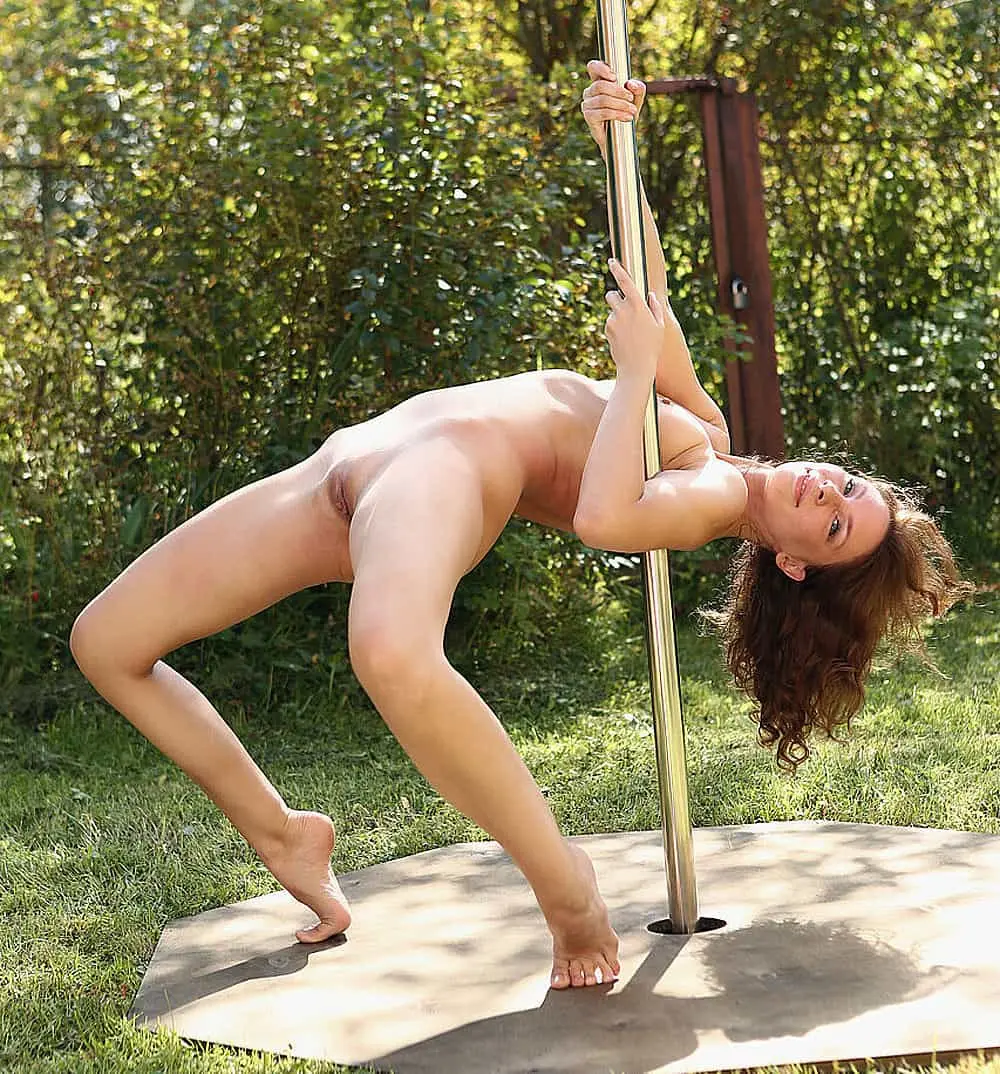
Historical period and evolution of pole dancing
Pole dancingSpanning thousands of years, from primitive sports to commercial entertainment, it reflects socio-cultural changes. The following sections detail these changes by time period.
- Ancient origins (5000 BC – 12th century)Pole dancing can be traced back to the Indian traditional sport "Mallakhamb" (circa 4000 BC), which used wooden poles for gymnastic training, emphasizing strength and balance. The "Chinese Pole" of Chinese circus (circa 12th century Song Dynasty) also influenced modern forms, using bamboo poles for climbing and spinning performances. Reason: Used for military training or religious ceremonies, the audience felt reverence and awe (strength symbolized sacredness).
- Medieval to modern times (12th–19th centuries)Similar pole dances existed in medieval Europe during celebrations; in the 19th century, the Vaudeville Show in the United States introduced Middle Eastern belly dance, and the "Little Egypt" performance at the 1893 Chicago World's Fair became a sensation, incorporating sexually suggestive elements. Reason: Immigration and the World's Fair spread the word, and the audience experienced exoticism and taboo excitement.
- Commercialization in the 20th century (1900–1980s)During Prohibition in the 1920s, striptease was popular in underground nightclubs in the United States; in the 1950s, it moved from tents to clubs; in the 1960s, pole dancing emerged in Las Vegas, combining gymnastics with striptease. Reason: Demand from the entertainment industry, with audiences experiencing visual impact and sexual liberation.
- Modern Integration (1990–2025)In the 1990s, twerking was integrated into hip-hop culture; in the 2000s, pole dancing became a form of fitness; the 2020 pandemic accelerated the development of online live streaming and courses; and by 2025, it has gained international recognition as a sport. Reasons: Globalization and health trends, with audiences experiencing interactive enjoyment and self-empowerment.
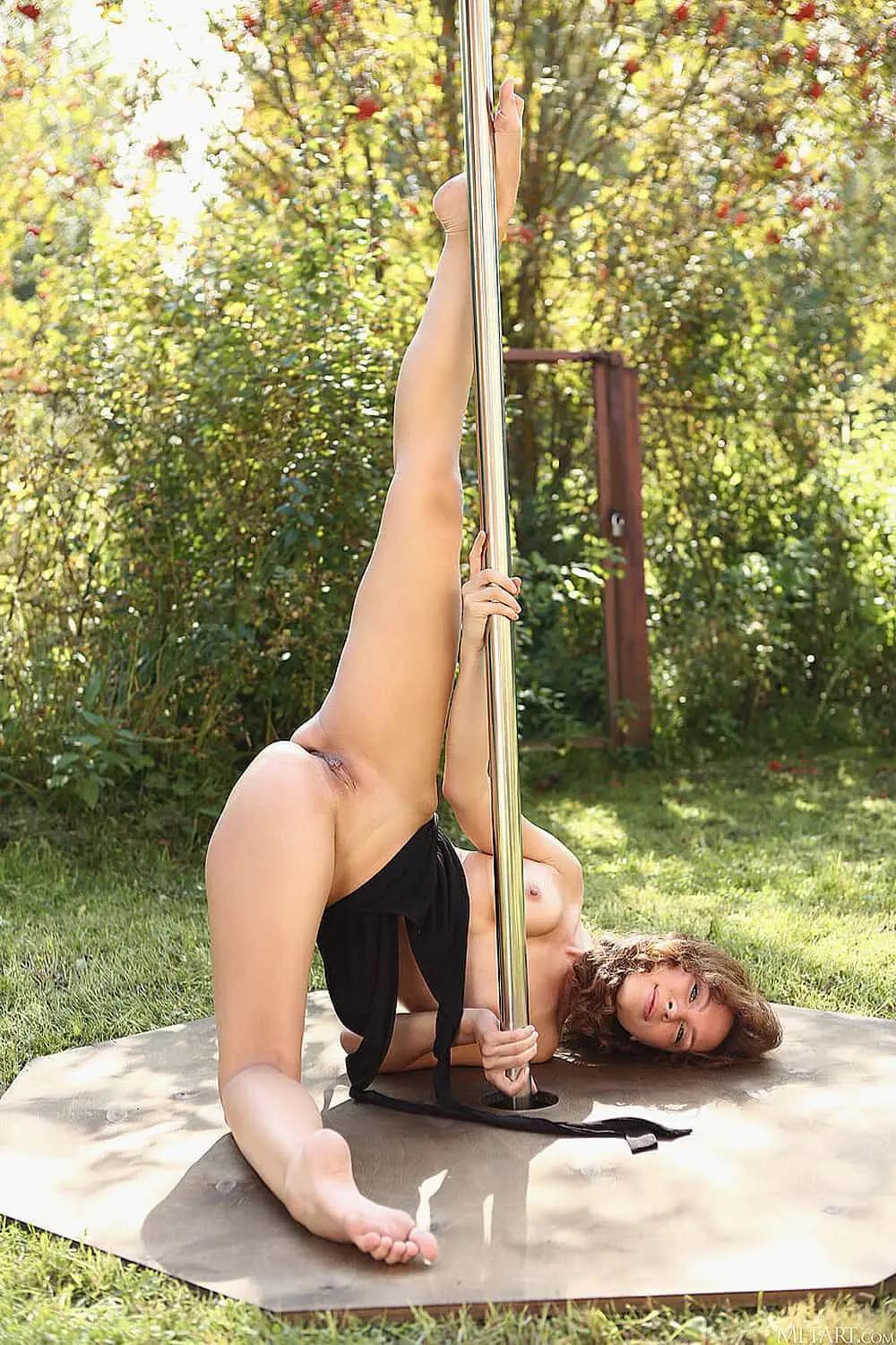
Pole dancing data charts
The following charts, based on data from Statista and PolePedia, show the changes in the market size and participation rate of pole dancing (time period 1900–2025), with the market growth rate reflecting commercialization trends.
| Time period | Key events | Global market size (USD billion) | Participation rate (adult percentage) | Main reasons | Audience satisfaction (%) |
|---|---|---|---|---|---|
| 1900–1950 | Vaudeville Show and Belly Dance Introduced | 5 | 5% | Immigration Communication | 70% (Exotic Excitement) |
| 1950–1980 | The commercialization of nightclubs and the birth of steel pipes | 50 | 15% | Prohibition | 80% (Sexual Liberation) |
| 1980–2000 | Twerking integrated with fitness | 100 | 25% | globalization | 85% (Visual Impact) |
| 2000–2020 | The rise of online live streaming and Pole Fitness | 120 | 30% | science and technology | 90% (Interactive Pleasure) |
| 2020–2025 | The pandemic has accelerated the acceptance of virtual and physical activities. | 150 | 35% | Health Trends | 92% (Self-Empowerment) |
Data source: Statista 2025 report. Market growth is driven by commercialization; increased participation is due to the growing popularity of fitness; satisfaction is derived from surveys, reflecting a shift from visual to emotional aspects.

Analysis of the reasons for the popularity of pole dancing
The popularity of pole dancing has multiple causes:
- Biological reasonsHumans are instinctively attracted to physical movement and curves, and dance stimulates the release of dopamine in the brain.
- Psychological reasonsThe fulfillment of forbidden fantasies and escapism is seen by Freud as the release of desire.
- Social reasonsCapitalist entertainment drives growth (e.g., Las Vegas); globalization spreads (e.g., K-pop striptease).
- Cultural reasonsWestern liberation and Eastern integration into tourism (such as Thai shows).

Detailed Explanation of Audience Feelings During Striptease
Audiences' experience with erotic dances is primarily one of intense sensory and psychological stimulation.
- visual experienceExposed clothing and movements bring excitement, and studies show that heart rate increases by 20–30 %.
- auditory sensationMusical rhythms (such as the low-frequency beat of twerking) synchronize with the body's pulse, producing a hypnotic and pleasurable effect.
- Psychological feelings: Forbidden liberation, satisfying the desire for conquest or being tempted by fantasies. Negative effects include loneliness or guilt (approximately 10% audience).
- Physiological sensationDopamine release leads toerectionOr it may be moist, and long-term viewers report a feeling of "addiction".
- Cultural differencesWestern audiences perceive it as entertainment, while Eastern audiences place more emphasis on privacy and mystery.
Striptease is not just performance, it's art. Enjoy safely and respect the performers.
Here are 9 of the most frequently asked questions about erotic dance (including striptease, lap dance, pole dance, twerking, etc.), with answers based on real experiences from dancers, club managers, and audiences.
-
What's the difference between erotic dancing and regular dancing?
The core of striptease is "sexual arousal," achieved through exposure, eye contact, physical contact, and sexual innuendo; regular dance (such as ballet and street dance) focuses on art, movement, or storytelling. Striptease is typically performed in nightclubs, strip clubs, or private parties.
-
Does striptease always require nudity?
Not necessarily. It can be categorized as "partially undressed" (only underwear removed), "fully nude" (completely naked), or "not undressed" (only wearing a sexy uniform). It depends on local laws and venue regulations. In Taiwan, partial undressing is more common, while in Europe and America, full nudity is frequent in strip clubs.
-
Is it okay to touch someone while dancing on their lap?
It depends on the venue's rules. Most reputable clubs have a "No Touch" policy, meaning you can only look, not touch; a few private VIP rooms or underground venues allow light touching (but still with restrictions). If you are caught touching someone, you may be kicked out or fined.
-
Would a girl feel embarrassed to go to a striptease?
No! The female audience has reached 30-40% (TP3T), many of whom are couples or groups of girls celebrating birthdays. The dancers also frequently perform lesbian erotic dances, so women can enjoy the visual stimulation just as much.
-
Is it difficult to learn erotic dancing? What are the requirements?It's not difficult, but it requires flexibility, rhythm, and confidence. Pole dancing beginners can perform on stage in 1-3 months, while twerking is even faster. Requirements: No body type restrictions, but confidence is paramount. In 2025, many gyms will offer "Pole Fitness" classes specializing in erotic dance techniques.
-
Will striptease affect the dancers' mental health?
For professional dancers, it's often seen as a job with high incomes (100,000-300,000 NTD per month is common), but they also face objectification and pressure. Many dancers say, "Going on stage is like acting, but going off stage is like shutting down." Mental health hinges on respecting the venue and maintaining personal boundaries.
-
Is striptease the same as prostitution?
No, they are different. Striptease is a legal performing art (in Taiwan, it falls under the entertainment industry), while prostitution is illegal. Most striptease dancers only sell their performances, not their bodies. Although a few may offer sexual services privately for an extra fee, that's a different matter.
-
How to tip a stripper properly?
Stage dance: Place it directly on the side of the stage or tuck it into the side of your underwear.
Knee dance: Tuck in underwear, bra, or simply hand it to someone.
Tips range from 100 to 1,000 yuan, depending on the audience's satisfaction with the performance. The most polite way to tip is to say "thank you" and give a grateful look. -
Is it okay for me to perform a striptease at home for my partner?
Buy a uniform, learn a few basic lap dance or pole dancing moves, put on some music, turn off the lights, and you can transform your bedroom into a nightclub. Many couples say this is the best investment to maintain passion.
The essence of striptease is "telling a story with the body." Whether it's a professional performance or a couple's game, the key is always confidence, seduction, and respect.
Further reading: