



What exactly is "seated back stretching" in Thai massage?
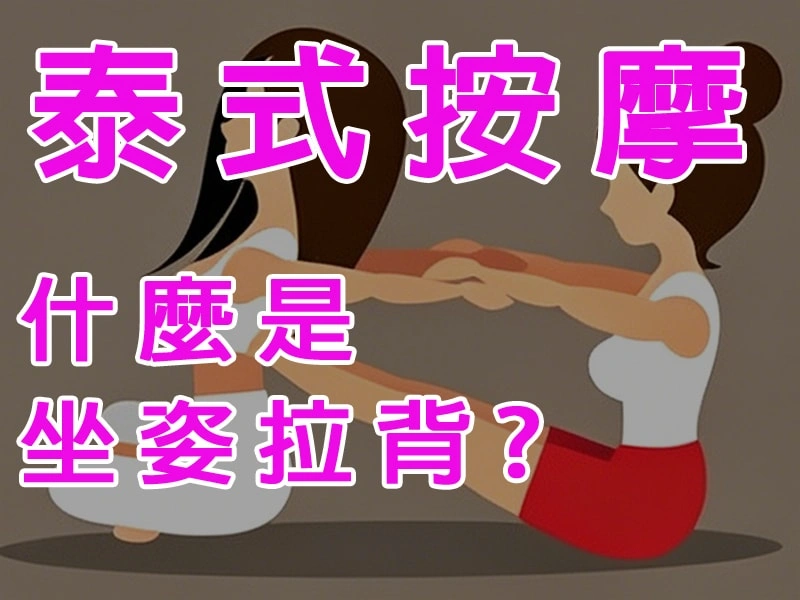
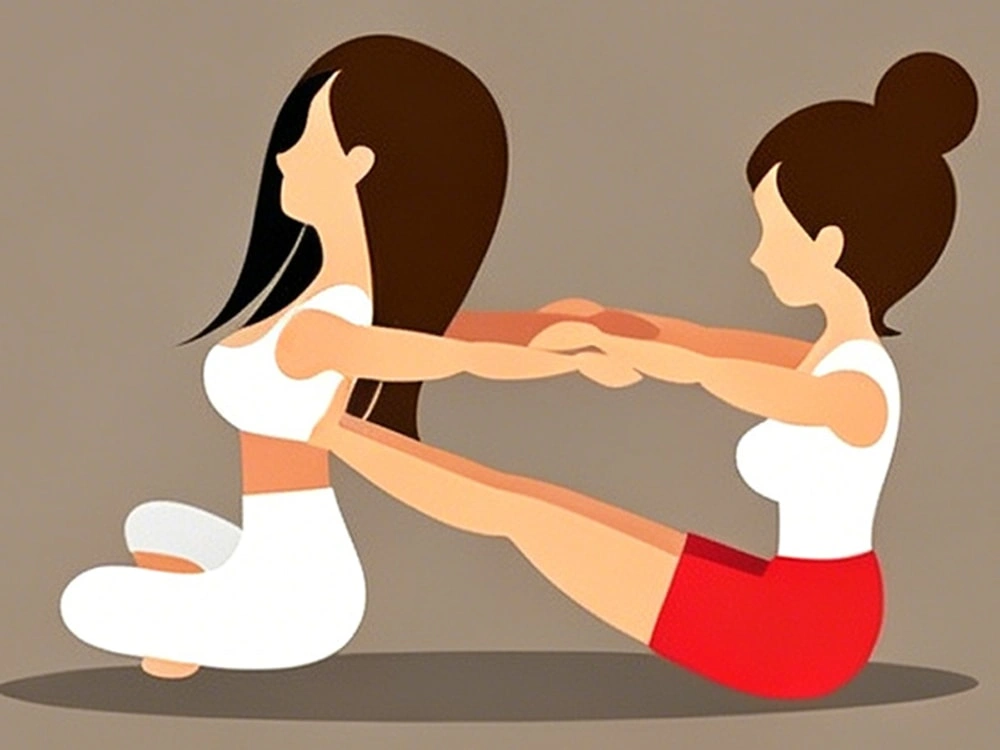
"Seated back stretch + leg traction" is a very representative "passive stretching" technique in Thai massage.
- On the left is the masseuse: kneeling to maintain her balance, using her body as a fulcrum.
- On the right is the customer: sitting and being pulled back by the masseuse, while her legs are stretched forward.
Table of contents
Core Effects
- Open the chest cavity and stretch the back and neck muscles.
- Relax the tense fascia in the lower back.
- Move your hip joint and stretch your hamstrings.
Key features of Thai massage
- No oil applied throughout the processMost Thai massages are performed while wearing loose clothing, which makes it easier to perform these stretching movements.
- Full body relaxation from head to toeIt begins with acupressure and stretching of the feet and legs, and continues to the shoulders, neck and back, with "passive stretching" as the main method throughout.
- Need to coordinate breathingCustomers are usually guided to take deep breaths and relax their bodies in rhythm with the stretching, allowing their joints and muscles to open up better.
The core characteristics of passive yoga
Passive yoga, also known as therapeutic yoga or Thai yoga, is a form of relaxation that requires no active effort from the recipient. It combines Ayurveda, Thai massage, joint mobility, and stretching. With the assistance of a therapist, stretching, massage, and energy line clearing are performed, which can significantly improve flexibility and release deep tension. It is often referred to as "lazy yoga."
- No need for self-control of muscles: Unlike active stretching (which relies on the tension of one's own muscles), passive stretching is assisted by external force and can relax the fascia more deeply.
- Deep relaxation and therapy: Under the guidance of a professional instructor, slow, deep stretching and massage can relieve muscle stiffness and increase the range of motion of joints.
- Energy balance: Based on yoga principles, the acupressure and cleansing of energy lines can balance emotions and improve blood circulation.
- Traditional Thai methods: Similar to Thai massage, the recipient is completely relaxed, and the therapist uses their hands, elbows, knees, and feet to make adjustments to the whole body.
Benefits of Passive Yoga
- Improve softness: Gently expand the range of motion of the joint through external force.
- Deep decompression: Reduce muscle tension and anxiety in daily life, and enhance relaxation.
- Regulate the body's energy: Combine yogic thinking with the release of energy lines in the body.
- Correcting posture: Targeted stretching and muscle relaxation help improve body imbalances caused by long-term poor posture.
This type of yoga is ideal for people who want deep relaxation, are unable to practice active yoga, or seek physical therapy.
Further reading:
-copy-300x225.webp)