


perforation
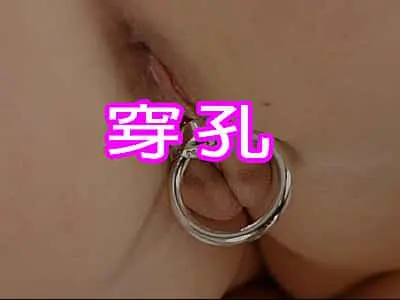
Body puncture (Body PiercingPiercing is a form of body modification that involves piercing or cutting the skin in specific areas of the body to create openings for wearing jewelry (such as rings, rods, studs) or implants. The term can refer to the act of piercing itself or the opening created afterward. Originally limited to the ears, it has now expanded to many parts of the body, often used for aesthetic, personal expression, cultural symbolism, or ritual purposes.
Table of contents
Historical Overview
Body puncture has a long history, dating back thousands of years:
- AncientEgypt,Rome,IndiaandAfricaTribal groups used them for religious ceremonies, status symbols, or aesthetic purposes (such as nose rings and nipple rings).
- It became popular in the West after World War II, emerged as a subculture in the 1970s, and became mainstream in the 1990s.
- Modern forms often involve fashion and self-expression, and can take extreme forms (such as multiple piercings).
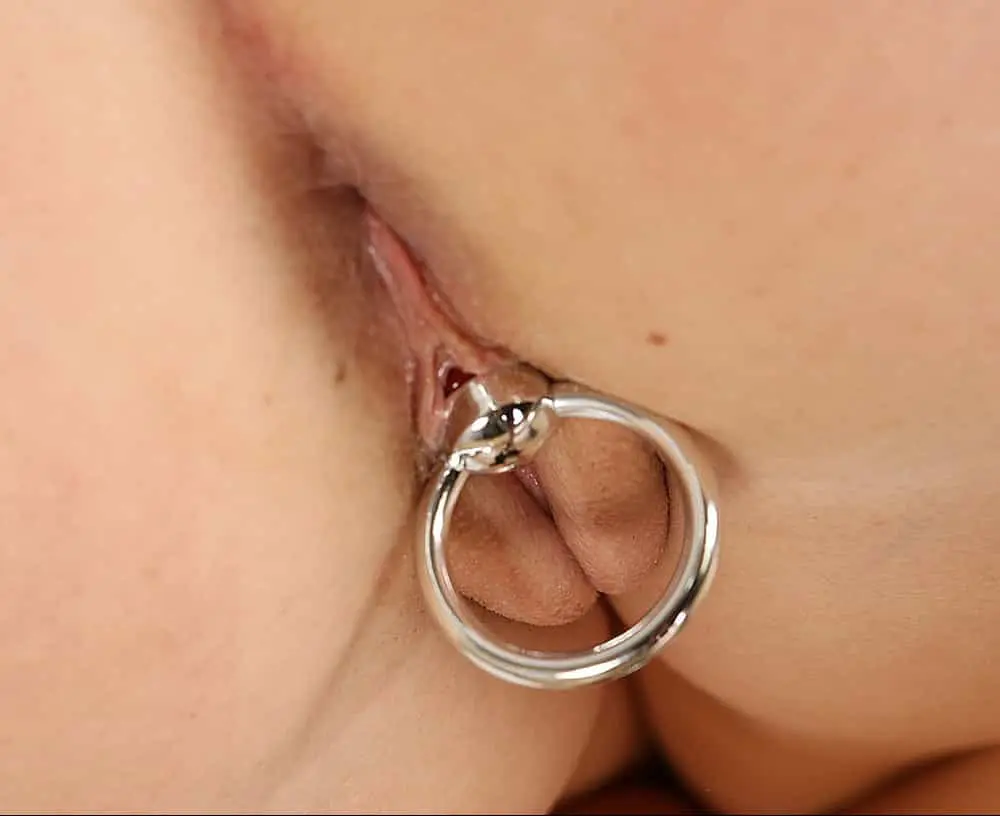
Common types
- earThe most common sites include the earlobe and ear cartilage.
- noseNose ring, nose stud.
- Mouth/TongueLip ring, tongue ring.
- belly button: Navel ring.
- nippleNipple ring (to increase sensitivity).
- genitalsPrivate punctures (such as clitoral rings, clitoral rings).
- otherEyebrow rings, cheek rings, and skin surface punctures.

Risks and precautions
Bodily puncture is an invasive procedure, and the risks include:
- InfectBacteria (such as bacteria)Staphylococcus aureusIt can be transmitted by viruses (hepatitis B, hepatitis C, HIV).
- Allergies/ScarsAllergy to metals such as nickel, or hypertrophic scarring.
- other: Bleeding, nerve damage, swelling, jewelry rejection.
Prevention: Choose a professional and qualified healer, use sterile tools, and follow proper aftercare (such as saline cleaning). Healing time: Ears 4–6 weeks, tongue 4 weeks, navel 6–12 months.
Body puncture is a personal choice, symbolizing freedom and aesthetics, but the risks must be weighed. If you are considering it, please consult a doctor or a professional puncturist.
Further reading: