


![[有片]拜祖先會獲得保佑?](https://findgirl.org/storage/2026/01/有片拜祖先會獲得保佑?-300x225.webp)


How, Why, and What They Do in Different Countries

Table of contents
Phallic worship: history, causes, and uses
introduction
Penis fertility worship(Phallic WorshipPhallic worship, also known as phallic cult or fertility worship, is one of the oldest religious and cultural phenomena in human history. It uses the penis or reproductive organs as a symbol to represent fertility, protection, abundance, and vitality. This form of worship was widespread in many ancient civilizations around the world, from Paleolithic sites in Europe to ancient Egypt, Greece, Rome, India, and other parts of Asia. This worship not only reflects primitive beliefs but also humanity's awe and pursuit of nature, fertility, and survival.

Historical periods and important milestones
The history of phallic cults dates back to the Paleolithic era, approximately 28,000 years ago. Archaeological evidence suggests that this cult gradually developed across different civilizations, evolving from primitive symbols to religious rituals. Below is an overview of key time periods and milestones; we will use tables to present key events to help readers understand its evolution.
Time period overview
- Paleolithic Age (approximately 28,000 to 10,000 years ago)The earliestpenisThe form of worship appeared in European cave sites, symbolizing fertility and survival.
- Neolithic and Bronze Ages (approximately 10,000 to 3,000 years ago)In the Middle East, Europe, and Asia, worship was integrated into agricultural societies and associated with harvests.
- Classical period (approximately 3000 years ago to 500 AD)Ancient Egypt, Greece, Rome, and India developed systematic forms of worship, incorporating mythology and rituals.
- The Middle Ages to the Modern Era (500 AD to 1800 AD)The rise of Christianity and Islam suppressed this worship, but some regions, such as India and Bhutan, have preserved the tradition.
- Modern (1800 to present)Transformed into cultural heritage or festivals, such as Japan's Metal Festival (Kanamara Matsuri), or academic research.
Key Milestones Chart
| Time | Location/Culture | milestone event | significance |
|---|---|---|---|
| Around 28,000 years ago | Holefels Cave, Germany | A stone-carved penis, 20cm long and polished, was discovered, possibly used as a tool or symbol. | The earliest evidence of penis worship, symbolizing the origin of fertility and symbolic thinking. |
| Approximately 5000-3000 years ago | Ancient Egypt | In the Osiris myth, a fish swallowed Osiris's penis, leading to penis worship and fertility rituals. | The connection between the penis and rebirth, and the abundance of the Nile, influenced Egyptian religion. |
| About 2000 years ago | Ancient Greece | Priapus worship arose, with the penis serving as a symbol of Priapus, the god of fertility. | It incorporates the worship of Dionysus, emphasizing sex and celebration. |
| Around 1 century ago | Ancient Rome | Fascinus worshipped the god and used Tintinnabulum (a bell-shaped phallus amulet). | As a symbol of warding off evil and bringing good fortune, it is widely used in homes and military settings. |
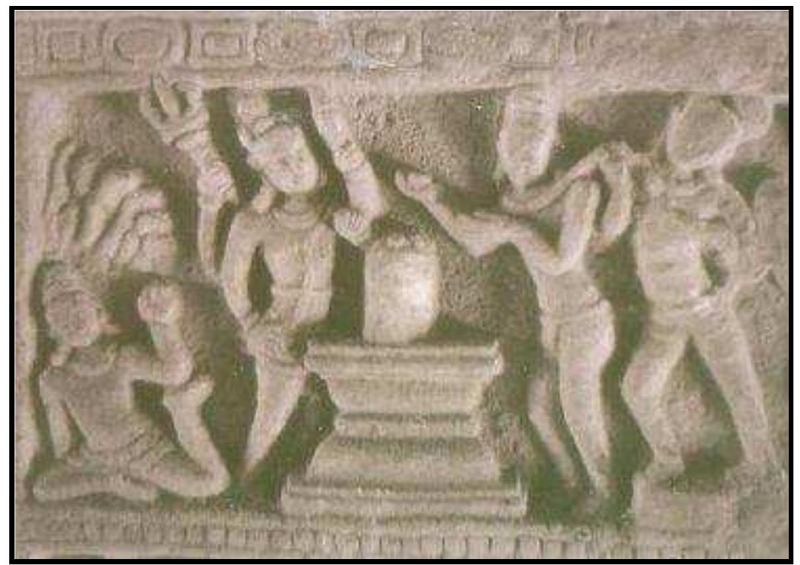
| About 1000 years ago | India | Shiva Lingam worship became mainstream, with stone phallic sculptures representing the universe's creative power. | The core symbol of Hinduism represents the union of the masculine energy of Shiva and the feminine energy of Yoni. |
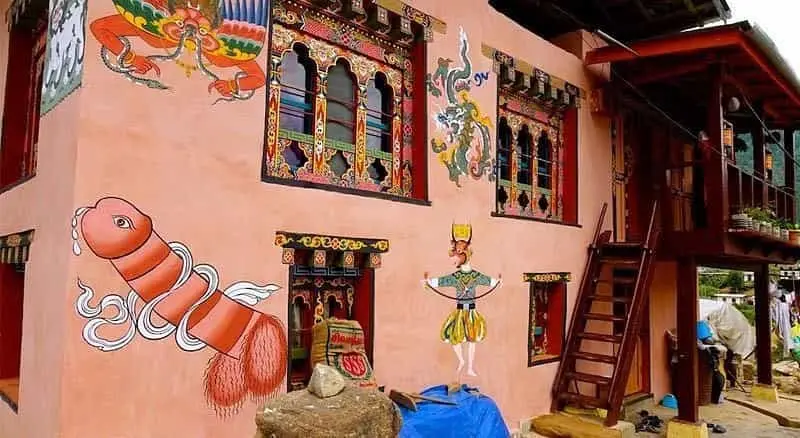
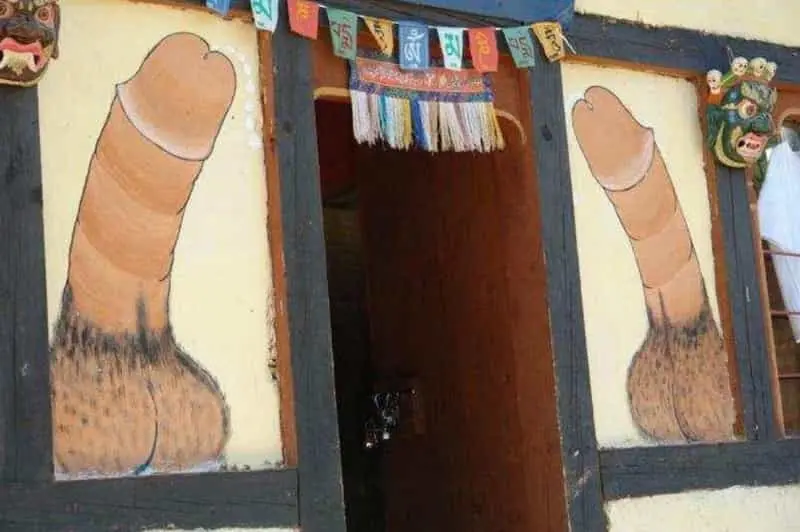
| About 500 years ago | Bhutan | The tradition of phallus murals arose as a means of protecting homes from evil spirits. | The fertility worship preserved in Buddhist culture influences modern festivals. |
| 20th century | Japan | The Kanamara Matsuri festival begins with a parade of giant penises to celebrate fertility and health. | Modernization has transformed into LGBTQ+ and health awareness activities. |
| 2005 | Germany | Archaeological findings confirm the discovery of a 28,000-year-old stone carving, sparking academic discussion. | Modern science has confirmed the antiquity of phallic worship. |
Comparison of Eastern and Western Forms of Worship
| Dimension | Western tradition (Greek-Roman-Europe) | Eastern traditions (India-China-Japan) |
|---|---|---|
| Symbolic meaning | Individual strength, conquest, protection | Cosmic balance, energy flow, harmony |
| Religious positioning | Specialized deities in polytheistic religions (such as Priapus) | The manifestation of universal principles (such as the lingam). |
| Ritual Performance | Public parades, celebrations and displays | Personal spiritual practice and temple worship |
| Gender relations | Male-dominated power symbol | The dialectical unity of Yin and Yang |
| Modern Transformation | Psychological analysis object, critical target | Spiritual practice, cultural heritage |

Cause Analysis
The rise and continuation of phallic fertility worship has multiple causes, rooted in human instincts, social needs, and environmental factors. These will be discussed in detail below:
1. Biological factors and the causes of fertility
For humans, as mammals, reproduction is central to survival. The penis symbolizes male fertility, and in primitive societies, it was worshipped to pray for many children and grandchildren. Archaeological evidence suggests that Paleolithic stone carvings may have been used in fertility rituals, given the high infant mortality rate and hunting risks at the time; people relied on symbols to "reinforce" fertility. In the ancient Egyptian myth of Osiris, the penis was seen as the source of regeneration, reflecting the natural cycle of abundance brought by the Nile floods.

2. Social and cultural reasons
In agrarian societies, phallic worship was linked to abundant harvests. In ancient Greece, the god Priapus protected gardens, and the phallic symbol was used to ward off evil, because people believed that sexual power could be transformed into the fertility of the land. The Roman worship of Fascinus stemmed from the fear of the "evil eye" (invidia), and the phallic symbol, as a symbol of masculinity, could ward off jealousy and misfortune. This reflects the sanctification of the male genitalia in patriarchal societies, used to consolidate social order.

3. Religious and Mythological Reasons
In polytheistic religions, the penis often represents divine power. The Indian Shiva Lingam worship stems from Hindu philosophy's view of the penis as the vessel of cosmic creative energy (Shakti), which, combined with the female Yoni, symbolizes balance. Similar worship existed in ancient China; for example, the text *Human Sexuality* mentions the awe of the penis in primitive societies, viewing it as a source of mystical power. After the rise of Christianity, this worship was suppressed because monotheistic religions viewed it as idolatry, but some traditions remain hidden in folk customs.

4. Psychological and symbolic reasons
Psychologists such as Freud believed that phallic worship stems from an unconscious pursuit of power. This is because humans fear death and powerlessness, and the penis symbolizes the continuation of life. Modern research shows that this worship has therapeutic uses, such as reducing anxiety.
In short, the reasons are mostly a combination of practicality and spirituality: from survival needs to cultural symbolism, phallic worship helps humans cope with uncertainty.

Applications Discussion
Penis cult is not only an abstract belief, but also has practical applications, encompassing religious, social, and everyday aspects.
1. Religious ritual purposes
In ancient Greece and Rome, the phallic symbol was used in celebrations, such as the Dionysia procession, where a giant phallic figure was carried to pray for a bountiful harvest. In Shiva temples in India, devotees pour water on the Lingham, symbolizing purification and rebirth. The purpose is to strengthen community cohesion and celebrate life through sexual symbolism.

2. Uses for protection and warding off evil spirits
Roman Tintinnabulum wind chimes, used at doorways, are believed to ward off evil spirits through sound. Children wear phallic amulets to protect against evil spirits. Their use is based on the belief that the masculinity of the penis can counteract negative energy. Bhutanese murals, a traditional practice for home protection, are still seen today.

3. Medical and reproductive uses
Ancient Egyptians believed that phallic worship could cure infertility. In modern times, Kanamara Matsuri in Japan raised funds for the prevention of sexually transmitted diseases, redirecting the funds to health education. Psychologically, this kind of worship has therapeutic effects, such as boosting self-confidence.
4. Artistic and cultural uses
From cave carvings to modern festivals, the phallic symbol has been used in artistic expression. In Pompeian frescoes, it adorned homes. Its purpose lies in aesthetics and symbolism, reflecting social values.
5. Uses for social control
In patriarchal societies, worship reinforces male dominance. Its uses include marriage ceremonies, such as the Roman bride "riding" the penis of Mutunus Tutunus, in preparation for sexual intercourse.
In short, its uses have evolved from practical to symbolic, with far-reaching influence.

Examples from different cultures
Europe: Greece and Rome
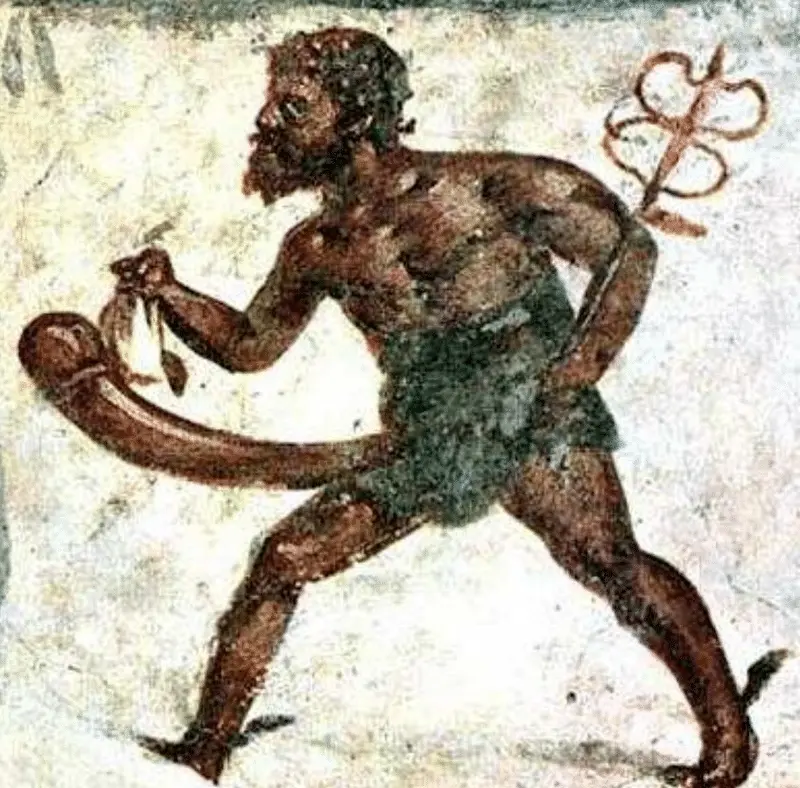
In Greek Priapus worship, the penis was used in the Dionysian festival. In Roman Fascinus, derived from "to bewitch," it was used for warding off evil.
Asia: India and Bhutan
Shiva Lingam, used for temple worship in relation to cosmic balance. Bhutanese murals, used to protect homes.
Africa and the Americas
Some tribes have similar worship practices, such as the Egyptian Osiris.
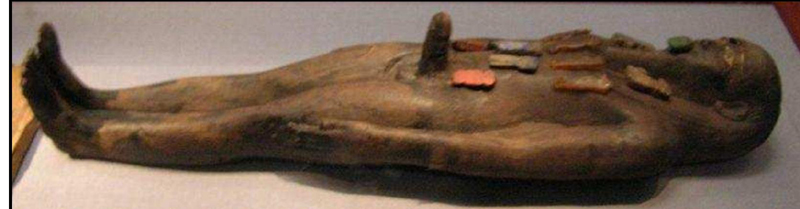
The phallic symbol played a significant role in the Osiris cult of ancient Egyptian religion. After Osiris's body was cut into 14 pieces, Set scattered them throughout Egypt. His wife Isis retrieved all the remains, except for one piece—his penis—which was swallowed by a fish. It is said that Isis made a wooden substitute. The image above is a statue of Osiris, carved with a phallic symbol and amulets. Egyptian phallic mythology and ancient Roman sexual attitudes are sometimes described as "phallic."
Modern legacy
Japanese festivals are shifting towards more inclusive activities.
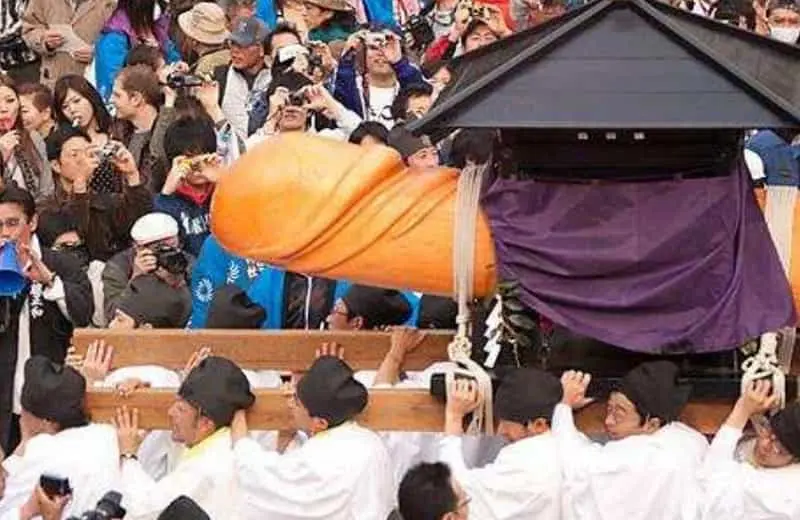
The functions of phallic worship have expanded throughout history, forming a complex system of functions:
| Historical period | Core Functions | Specific manifestations | Modern Residues |
|---|---|---|---|
| prehistoric | Survival Guarantee | Birth rituals, hunting witchcraft | Fertility anxiety |
| Ancient | Political legitimization | God-king worship, symbol of power | Leadership Metaphor |
| classical | Social integration | Public celebrations, community cohesion | Festival Culture |
| middle Ages | Psychological protection | Amulets can ward off evil spirits and relieve anxiety. | Lucky Charm Belief |
| modern | Identity expression | Subcultural symbols, symbols of resistance | Cultural Criticism |
From a neurocultural perspective, the success of phallic worship stems from its affinity with the brain's "hard circuitry":
- Pattern recognition preferences
The human brain is naturally inclined to recognize prominent shapes, and the distinct outline of an erect penis is easy to recognize and remember, making it an ideal cultural carrier. - Reward system activated
Functional magnetic resonance imaging studies have shown that such symbols activate the ventral tegmental area, release dopamine, and generate positive emotional associations. - Mirror neuron response
When observing the phallic symbol, mirror neurons produce a response similar to firsthand experience, reinforcing learning and imitation.
Culture, in turn, "programs" this process, directing biological responses toward specific cultural expressions. Western culture emphasizes conquest and individual power, while Eastern culture focuses on harmony and cosmic balance; this difference shapes different interpretive paths for the same symbol.
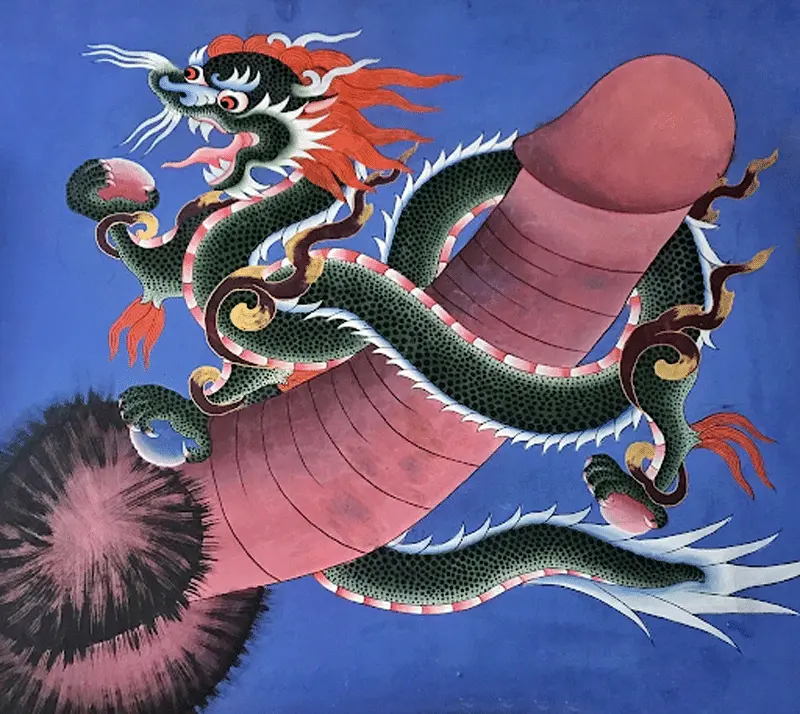
The adaptive symbol of perpetual recurrence
The history of phallic worship is a continuous human effort to translate biological reality into cultural meaning. It reflects both the constant aspects of the human condition—fundamental concerns about life, death, and creativity—and the astonishing diversity of cultural interpretations.
In the contemporary world, this worship has not disappeared, but has transformed into new forms that continue to influence human life. From the use of symbols in psychotherapy to the emotional manipulation in commercial marketing, from cultural struggles in identity politics to the spread of memes in the internet age, the phallus, as a symbol, has proven its unparalleled adaptability.

This adaptability stems from a simple yet profound fact: humans will always need concrete symbols to understand abstract values, and the phallus, as the most basic symbol of life's creation, naturally becomes the core carrier of this cognitive process. Rather than saying we worship the phallus itself, it's more accurate to say we worship the creative power of life itself through it—a power that, whether in the Stone Age or the Digital Age, represents the ultimate concern of human existence.
Understanding the history of phallic worship is not only about understanding the past, but also about understanding how humanity continuously reinterprets its own situation through cultural symbols. In this sense, the pillars of Göbekli Tepe and today's internet memes, despite their different forms, share the same human spirit: touching the abstract eternity through concrete images.
The cult of phallic fertility is a milestone in human culture, reflecting the pursuit of procreation and power from 28,000 years ago to the present. Through timelines and charts, we can see its evolution. Its causes are rooted in survival, and its uses span multiple fields. Although marginalized in modern times, it reminds us of the continuity of human instincts.
Further reading: