


![[有片]拜祖先會獲得保佑?](https://findgirl.org/storage/2026/01/有片拜祖先會獲得保佑?-300x225.webp)


Ancient Chinese brothels

Table of contents
brothel,brothelOriginally it referred to "emperorofpalace"or"valve"Magnificent mansions" is sometimes used as a euphemism for wealthy and powerful families.TangSongSince then becomebrothelIt is a substitute name for.
Another theory suggests that brothels were first established by Guan Zhong. In ancient society, many women of marriageable age were sold to wealthy families to work as maids. Therefore, the inability of many men to find wives and start families was attributed to the imbalance in the ratio of men and women of marriageable age. Among these women, some remained single even into their seventies. To address the problem of men not finding wives, some women of marriageable age were assigned to work in specific places, which gradually evolved into brothels.
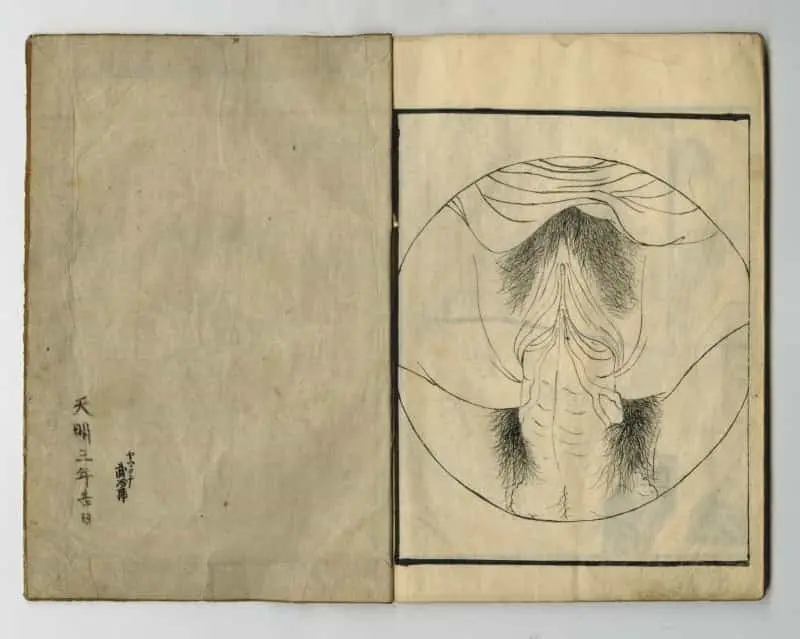
As a unique phenomenon in ancient Chinese society, from its origins to its rise, and then to its decline and transformation in modern times, it carries countless historical stories.literatureSentiments and social changes. It is not only an entertainment venue, but also a mirror reflecting the spirit of the times. The term "brothel" did not originally refer to a brothel, but rather originated from an ancient term for magnificent pavilions, palaces or mansions painted with blue lacquer, symbolizing power and luxury. However, over time, it gradually evolved into a synonym for the world of prostitution, becoming a recurring theme in the poems and writings of literati since the Tang and Song dynasties.
The allure of brothels lies in their duality: on the one hand, they are a tragic reflection of women's fate; on the other hand, they have nurtured countless artistic gems. Through this article, we not only trace history but also reflect on contemporary society's understanding of gender and prostitution. Below, we will unfold the narrative chronologically, gradually unveiling this mystery.
The evolution of the term "brothel" and its relationship to the color "blue" is indeed an interesting linguistic and cultural issue. Simply put...The word "青楼" originally did not refer to brothels, but rather to luxurious and exquisite pavilions. Later, its meaning gradually evolved to refer to places of prostitution..
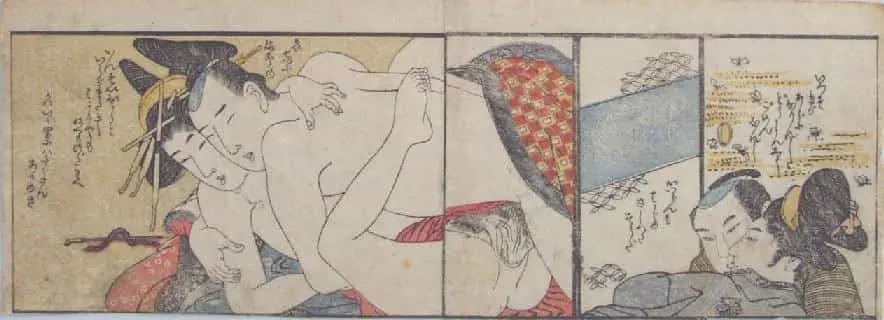
The semantic shift of this word, and its relationship with "cyan," can be understood from the following perspectives:
The original meaning of the color "青"
In Classical Chinese, "青" (qīng) was a broad color term, encompassing a wide range of colors. It was not simply equivalent to the modern blue or green, but rather...It includes the entire color family, from green and blue to black..
- GreenExamples include "green grass" and "green mountains".
- BlueFor example, "blue sky".
- BlackFor example, "青丝" refers to black hair.
Therefore, in terms of color, the literal meaning of "青楼" is "a blue-green pavilion." Here, "blue-green" likely refers to...Pavilions painted with blue lacquerIt appears exquisite, elegant, and luxurious.
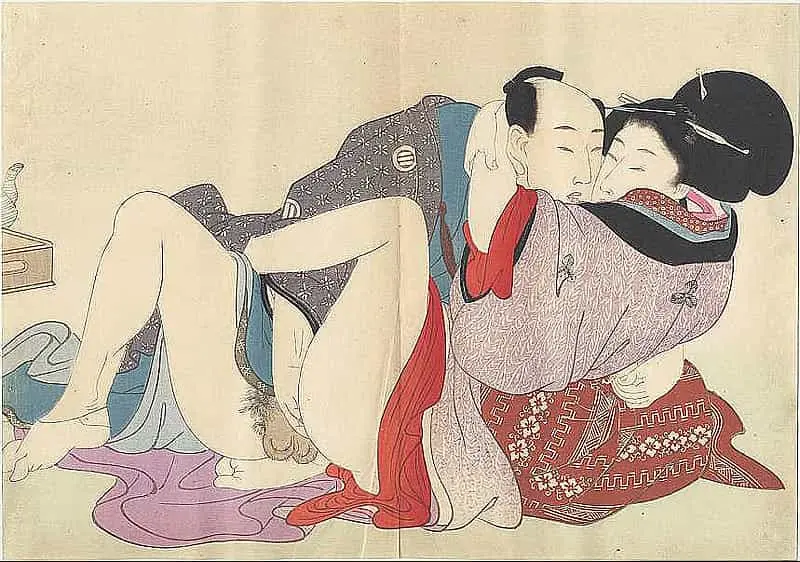
The original meaning of "brothel" is: a luxurious building.
In early literature, "brothel" often referred to a magnificent residence, especially the residence of wealthy families or emperors and generals, and had no derogatory connotation.
- Southern Qi DynastyIn his poem "Moon Festival - July", the poet Su Yan wrote: "In the morning, I visit brothels; in the evening, I feast in grand halls." The juxtaposition of "brothels" and "grand halls" clearly refers to luxurious buildings.
- Tang DynastyMany poets still use its original meaning. For example, in Li Bai's poem "Watching Courtesans on a Boat," there is a line: "Court ladies dance in pairs, with white jade maidens in double buns." Although the poem already contains the image of courtesans, "court" still emphasizes the luxurious venue where they perform. Li Shangyin's famous line, "Yellow leaves still fall in the wind and rain, while music and dance continue in the brothel" (from "Wind and Rain"), also describes the scene of singing and dancing in wealthy families.
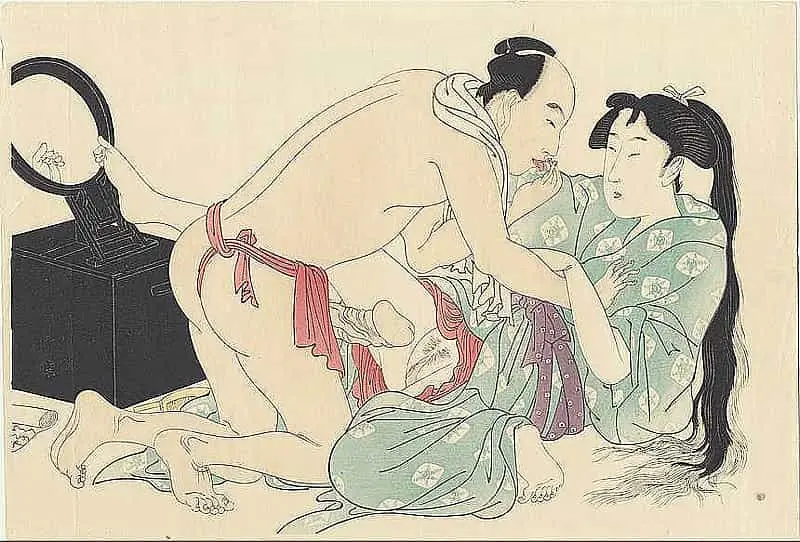
The evolution of word meaning: from "luxurious mansions" to "places of pleasure".
The shift in word meaning is a gradual process, mainly due to the following reasons:
- Transformation of residentsMagnificent pavilions were often places where wealthy families kept singers and dancers. These women were exceptionally talented and entertained their masters and guests. Over time, "brothels" became closely associated with these women who could sing and dance.
- Narrowing of contextIn poetry and prose, literati increasingly used the term "brothel" in contexts related to courtesans and banquets. It gradually evolved from a general term referring to "luxurious buildings" to...Narrowly defined, it specifically refers to "entertainment venues where courtesans and dancers reside"..
- Industry developmentWith the prosperity of urban economy and urban culture during the Tang and Song dynasties, independent brothels flourished. In order to attract literati and scholars, these places were often decorated in an exquisite and elegant style. Thus, the originally elegant term "brothel" naturally came to refer to the highest-level places in this industry (as opposed to the simple "kiln").
arriveAfter the Song and Yuan DynastiesThus, the meaning of "brothel" as "brothel" became completely fixed and became a common synonym, while its original meaning of referring to luxurious buildings gradually disappeared.
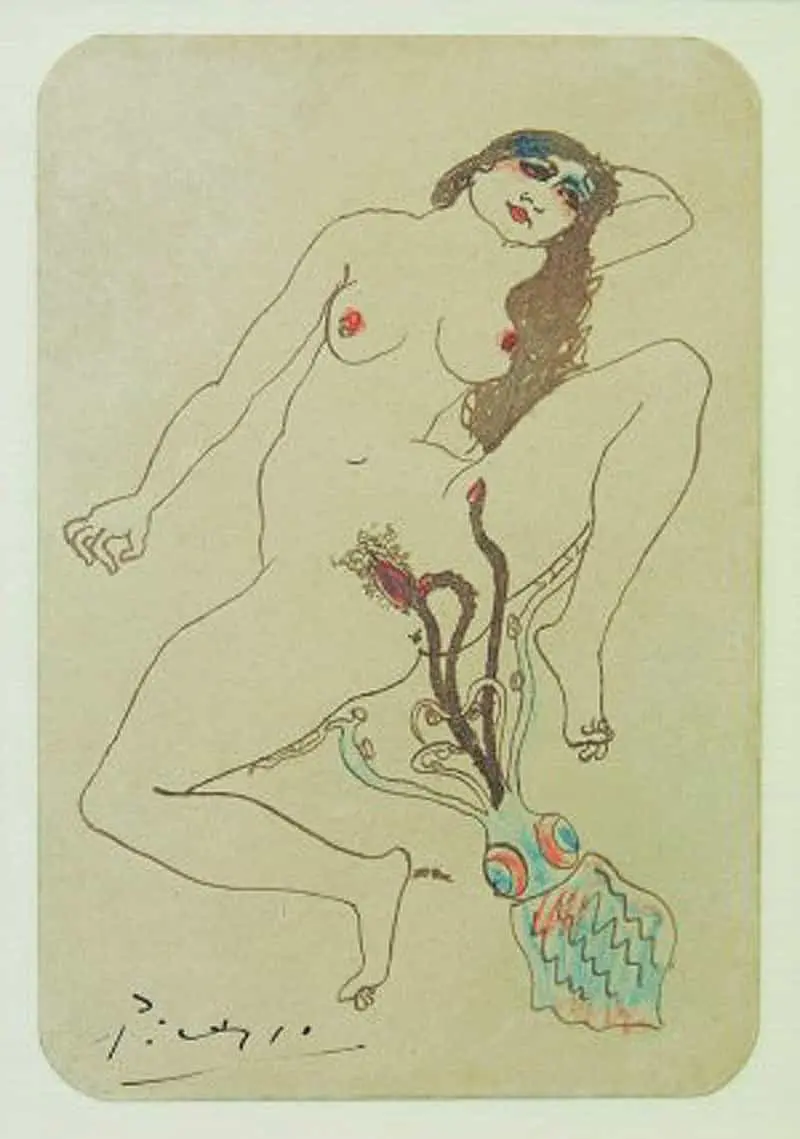
Why is it called a "brothel"?
- originBecause the building itself is a "luxurious pavilion painted with blue lacquer".
- EvolutionBecause these luxurious pavilions were often places where courtesans gathered and performed, the meaning of the word gradually shifted from the building itself to the "function" and "users" of the building, and eventually became a synonym for brothels.
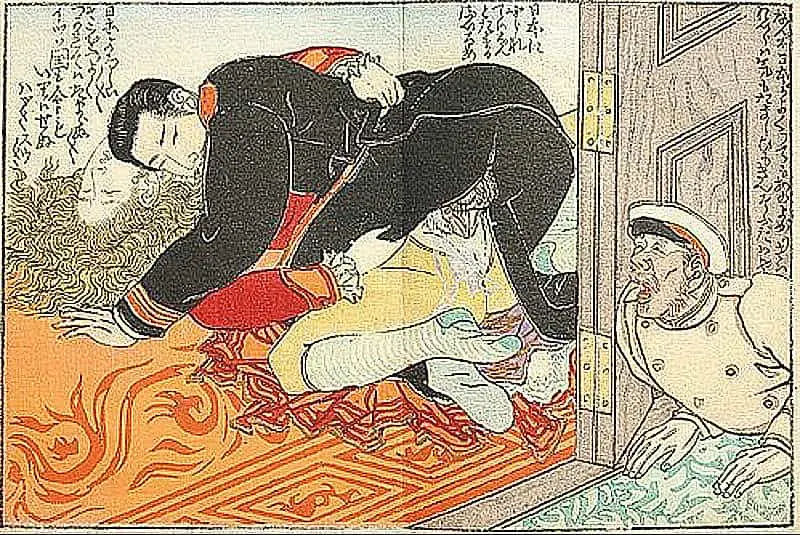
Is it related to "cyan"?
- Directly relatedThe name does indeed originate from the visual characteristic of "blue" (referring to the color of blue lacquer).
- But core is irrelevantThe core driving force behind the evolution of word meaning is the change in social culture and language habits, not the color itself. It is "who lives inside" and "what they do inside" that determines the fate of the word, not the color of the building. If red paint had been popular at the time, we might be studying today why "red building" refers to a brothel (while in literature, "red building" often refers to the residence of young ladies from wealthy families, which is an interesting contrast).
The evolution of the word "brothel" is a classic case of "semantic narrowing" and "semantic shift" in linguistics, from which we can see the profound imprint left by social and historical changes on language.
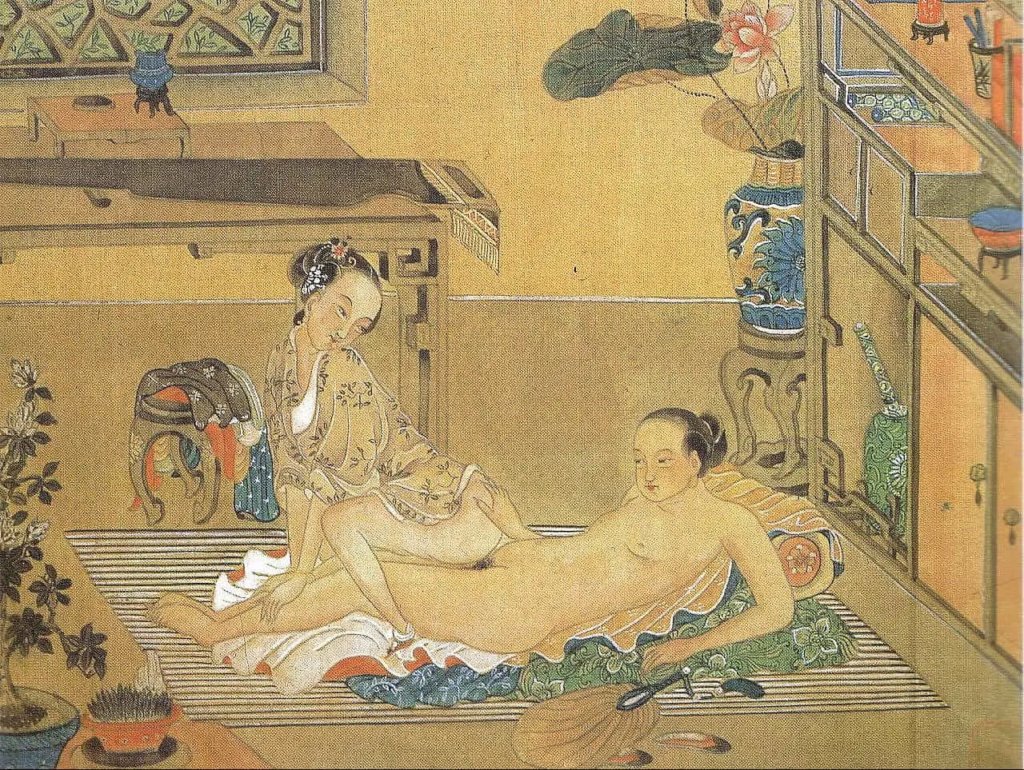
The origins of brothels and their rudimentary form during the Spring and Autumn and Warring States periods (7th century BC to 221 BC).
The history of brothels can be traced back to the Spring and Autumn Period, a time of turmoil in Chinese society marked by the struggle for supremacy among the feudal lords, the initial transition of the economy from agriculture to commerce, and the emergence of cities. According to the "Biography of Guan Zhong" in the *Records of the Grand Historian*, Guan Zhong (725-645 BC), the prime minister of the State of Qi, established the earliest officially run brothels in Linzi, historically known as "Nülan" or "officially run brothels." These were not merely entertainment venues, but rather part of a national policy aimed at addressing the imbalance in marriage within society.
At that time, frequent wars led to severe population loss, with many women of marriageable age being sold into wealthy families as maids or servants, making it difficult for men to find partners. Historical records show that nearly 30% of eligible men in Qi were unable to marry, and some women remained single until the age of seventy (this data comes from the records of Guan Zhong's reforms, reflecting a gender imbalance of over 1:1.5). Guan Zhong's solution was to centrally house these women in specific pavilions, providing them with labor and companionship services, and collecting taxes to replenish the state treasury. It is estimated that these establishments contributed over 101 TP3T of Qi's fiscal revenue annually, equivalent to a modern "state-owned enterprise" model for taxation.
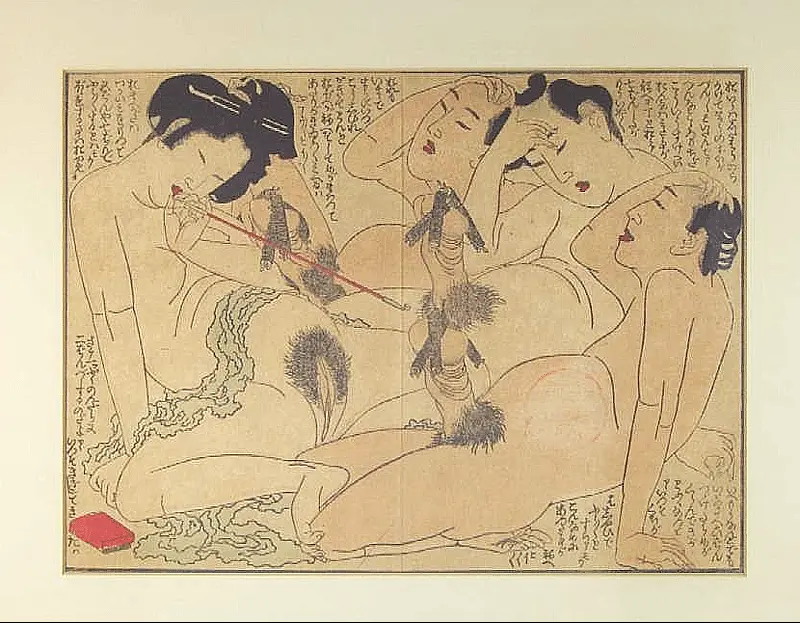
Time Period: Around 685 BC, during the peak of Guan Zhong's rule, the brothel system was formalized. During this period, brothels were initially limited to state-run establishments, and the buildings were often decorated with blue lacquer, symbolizing "rising to high office," hence the name "brothel." The primary social reason was economic: during the Warring States period, commerce flourished, increasing the demand from merchants and soldiers; secondly, it was for population control to prevent social instability. At this stage, brothels were not a symbol of shame, but rather a tool "beneficial to the country and its people."
However, this system also sowed the seeds of future problems: women had a low social status, and many were prisoners of war or poor women, becoming victims. Historical records such as the *Guanzi* mention that these women worked until late at night, receiving only meager wages. The rise of brothels marked the shift of China's sex industry from the underground to the open, influencing subsequent generations for over two thousand years.
To illustrate the scale of this period, we can refer to historical estimates: among the major states during the Spring and Autumn and Warring States periods, there were approximately 5-10 state-run brothels, mainly concentrated in city centers such as Linzi and Luoyang.
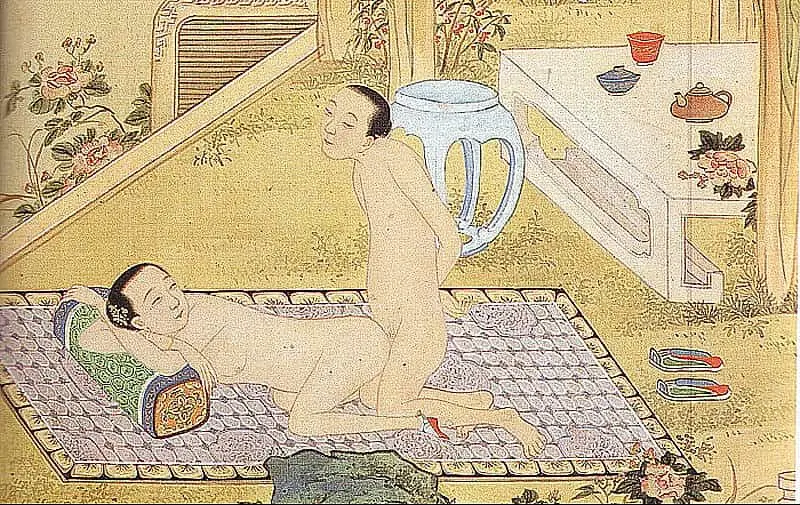
| area | Estimate the number of brothels (locations) |
|---|---|
| Qi State (Linzi) | 3 |
| The State of Jin (Jiang) | 2 |
| The State of Chu (Ying) | 1 |
| Qin State (Yong) | 1 |
| Other vassal states | 3 |
This chart shows that Qi, as the birthplace of brothels, had the largest number of brothels, reflecting the central role of Guan Zhong's reforms. This was due to Qi's developed commerce and strong demand.
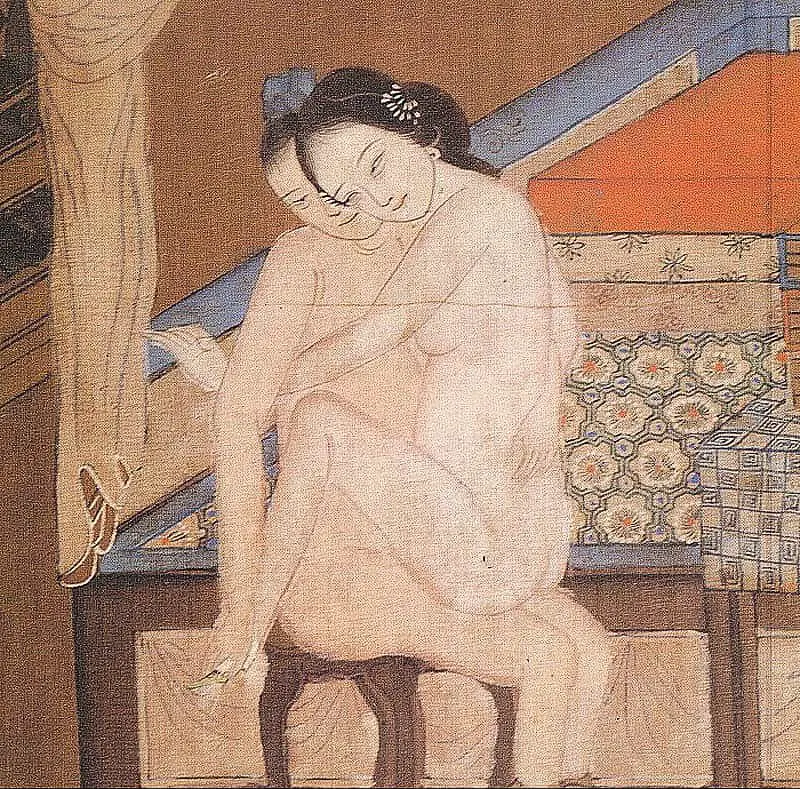
The Transformation and Refinement of the Literati during the Wei, Jin and Southern and Northern Dynasties (220-589)
During the Wei, Jin, and Northern and Southern Dynasties, China entered an era of division and the rise of metaphysics. Brothels transformed from purely government-run institutions into gathering places for refined scholars. During this period, social unrest intensified, the aristocratic class rose to prominence, and literati pursued "pure conversation" and "elegant lifestyles." Brothels became their "Shangri-La" for escaping the chaos of the world.
Time Period: During the Three Kingdoms period (220-280 AD), Cao Zhi's poem "Ode to a Beautiful Woman" was the first literary description of "a brothel overlooking the main road, its high hall adorned with brocade," elevating the brothel from a functional place to an aesthetic symbol. During the Southern Qi period (479-502 AD), the *Book of Southern Qi* records that Xingguang Tower was decorated with blue lacquer and became known as "Qinglou" (brothel), solidifying the term's meaning. During the Northern Zhou period (557-581 AD), Yu Xin's poem "Watching the Early Morning Court on a Spring Day" mentions "beauties still dreaming in the brothel," indicating that brothels were already closely associated with beautiful women.
Social reasons: First, war led to a sharp decline in population. According to the Book of Jin, the population dropped from 50 million to 16 million during the Wei and Jin dynasties, with even fewer women, causing the marriage market to collapse. Second, the influence of metaphysics: the Seven Sages of the Bamboo Grove, such as Ruan Ji and Liu Ling, frequently visited brothels, regarding them as "places to forget worries." Economically, the opening of the Silk Road led to the prosperity of southern cities such as Jiankang (present-day Nanjing), and the number of brothels surged, estimated to reach 20-30, mainly serving the gentry.
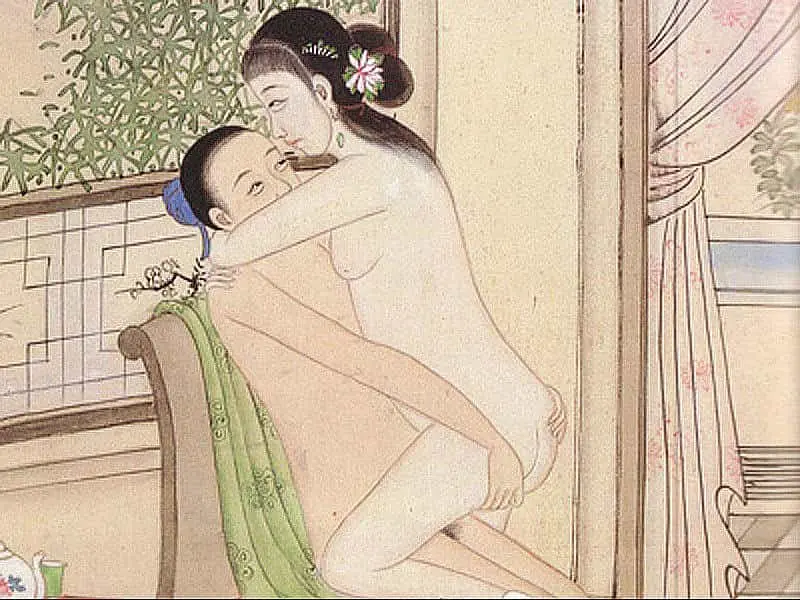
During the Southern Liang Dynasty (502-557 AD), Liu Miao's poem "The Mulberry Pickers of Ten Thousand Mountains" was the first to explicitly refer to brothels as "qinglou," after which the term shifted its meaning towards prostitution. This transformation was due to the solidification of social classes: the aristocracy monopolized resources, leading to an increase in commoner women falling into prostitution. Data shows that in Jiankang alone, brothel tax revenue accounted for 51.3 billion t of local government revenue, reflecting its economic contribution.
During this period, brothels began to integrate with culture: famous courtesans like Green Pearl (Shi Chong's favorite concubine) were renowned for their talents and became muses for literati. However, behind this, tragedies were rampant, with many women forced into the profession and having a lifespan 20 years shorter than average (historical estimates).
The chart shows the growth trend of brothels during the Northern and Southern Dynasties:
| Time point | Estimated number of brothels (nationwide, location) |
|---|---|
| The Three Kingdoms period (220 AD) | 10 |
| Western Jin Dynasty (280 AD) | 15 |
| Eastern Jin Dynasty (317 AD) | 20 |
| Southern Dynasties (420 AD) | 25 |
| Northern Dynasties (439 AD) | 30 |
| Before the Sui Dynasty unified China (589 AD) | 40 |
The number of brothels increased from 10 to 40, driven by urbanization and the demands of intellectuals.
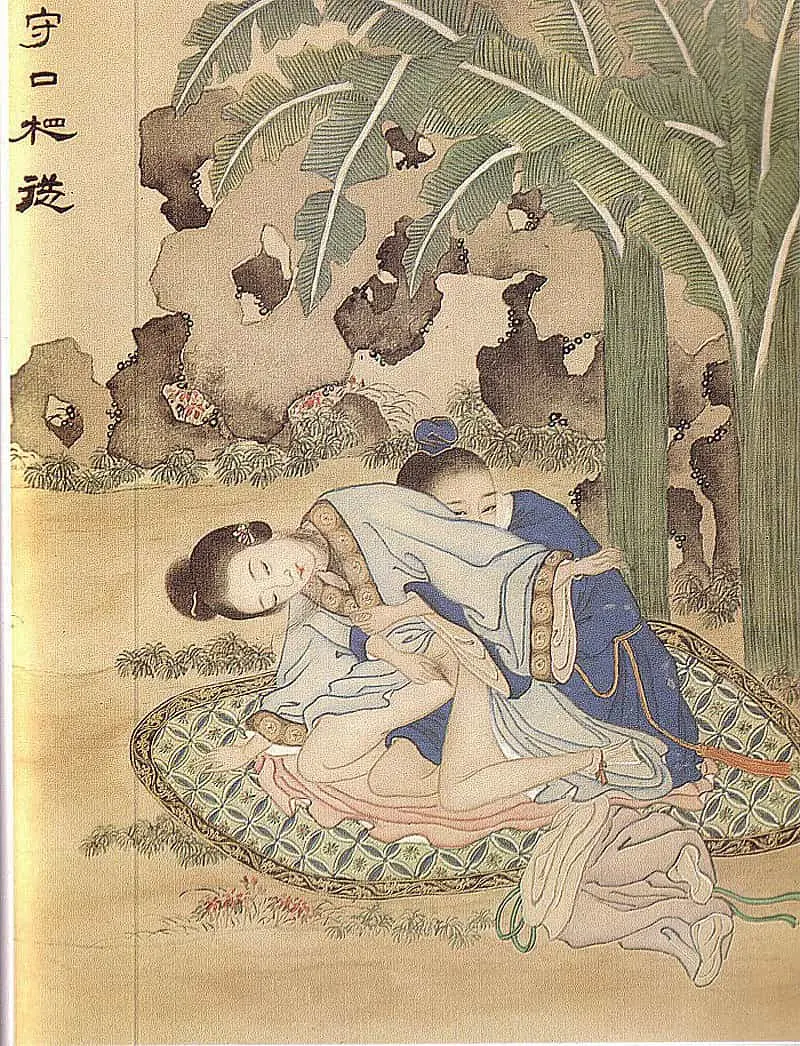
The golden age and literary brilliance of the Tang and Song dynasties (618-1279)
The Tang and Song dynasties were the golden age of brothels. Economic prosperity and the rise of the imperial examination system made them cultural centers. Cities such as Chang'an, Yangzhou, and Kaifeng were filled with brothels, producing many famous courtesans, and were frequented by literati such as Li Bai, Du Fu, and Bai Juyi.
Time Period: Early Tang Dynasty (618-755 AD), before the An Lushan Rebellion, brothels expanded in scale; High Tang Dynasty (712-756 AD), Du Mu's poem "Expressing My Feelings" mentions "A ten-year dream of Yangzhou, winning only a reputation for heartless dalliance in brothels," indicating that there were over a hundred brothels in Yangzhou. After the mid-Tang Dynasty, Pingkangfang (Chang'an's red-light district) became the national benchmark. Song Dynasty (960-1279 AD), entertainment districts flourished in Bianjing (Kaifeng), and brothels integrated into the urban culture, with their presence subtly appearing in the "Along the River During the Qingming Festival" scroll.
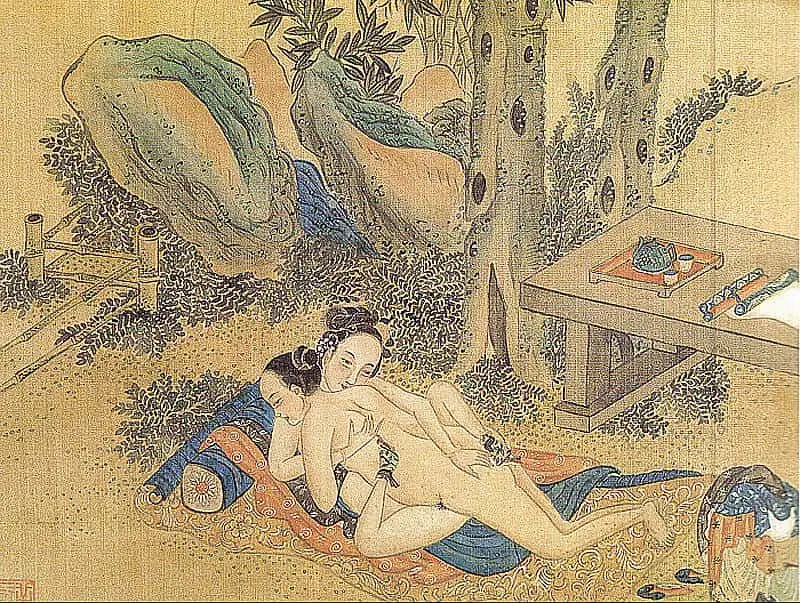
Social reasons included: First, the economic boom; the GDP of the Tang and Song dynasties was estimated to be over 501 billion t/3 t/t of the world's total, and prostitution tax accounted for 81 billion t/3 t/t of commercial tax revenue (according to the History of Song). Second, the pressure of the imperial examinations; scholars often visited brothels to relieve stress after the exams, and red-light districts near the examination halls became commonplace. Third, improved education for women; famous courtesans such as Yu Xuanji and Li Shishi were renowned for their poetry, music, and chess skills, attracting scholars. Data shows that there were approximately 200-300 brothels nationwide in the Tang dynasty, increasing to over 500 in the Song dynasty, mainly located in the water towns of Jiangnan.
The culture of brothels reached its peak at this point: not only did they sell their bodies, but they also sold their art. Famous courtesans could redeem themselves and marry into wealthy families, but most became mere playthings. This was due to the loosening of Confucian ethics; during the reign of Emperor Xuanzong of Tang, there were thousands of court musicians, whose influence extended to the common people.
Chart: Regional Distribution of Brothels in the Tang and Song Dynasties (Estimated):
| area | Distribution ratio (%) |
|---|---|
| Chang'an/Xi'an | 25 |
| Yangzhou | 20 |
| Kaifeng/Bianjing | 15 |
| Luoyang | 10 |
| Other cities in the Jiangnan region | 30 |
The highest percentage is found in the Jiangnan region, due to the southward shift of the economic center.
The Transition from Yuan to Ming to Qing Dynasties and Moral Constraints (1271-1912)
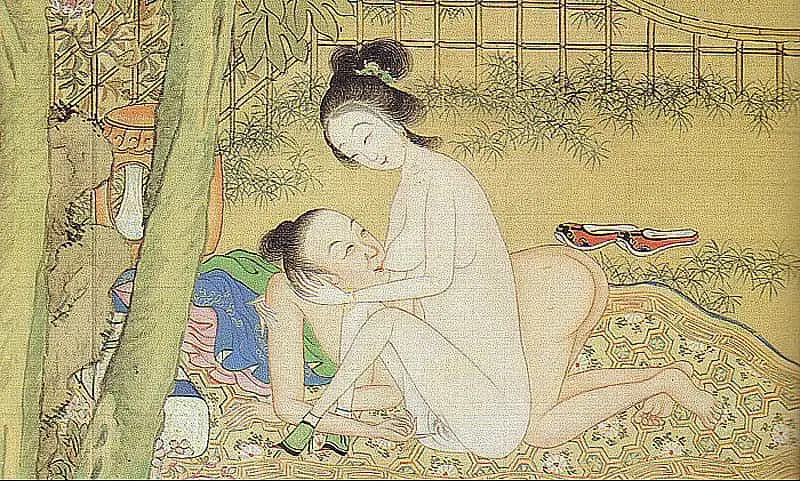
During the Yuan, Ming, and Qing dynasties, brothels transitioned from their heyday to a period of transformation. Under Mongol rule, during the Yuan dynasty (1271-1368), brothels incorporated elements of theatrical culture, and the "Collection of Brothels" (written by Xia Tingzhi) records more than 110 female entertainers. During the Ming dynasty (1368-1644), famous courtesans such as Liu Rushi influenced the political situation, but prohibitions on prostitution were frequently issued.
Time period: In the fifteenth year of the Yuan Dynasty's Zhizheng era (1355), the book "Qinglou Ji" was completed; during the Wanli era of the Ming Dynasty (1573-1620), there were dozens of brothels along the Qinhuai River in Nanjing; during the Kangxi era of the Qing Dynasty (1662-1722), Yuan Mei clarified the original meaning of "Qinglou" in "Suiyuan Shihua", but it had already become a fixed term for brothels.
Social reasons: First, it was under foreign rule; the Yuan Dynasty emphasized military affairs over literature, and brothels became a form of entertainment for soldiers. Second, the rise of Neo-Confucianism in the Ming Dynasty, particularly the Cheng-Zhu school, viewed prostitution as "licentious behavior," leading to more prohibitions, such as Emperor Hongwu's ban on private prostitution. Economically, the Jiangnan region contributed 401.3 billion tbsp to the national GDP during the Qing Dynasty, with brothel taxes still accounting for 3-51.3 billion tbsp. Data: There were approximately 400 brothels nationwide during the Ming and Qing Dynasties, slightly fewer than in the Song Dynasty.
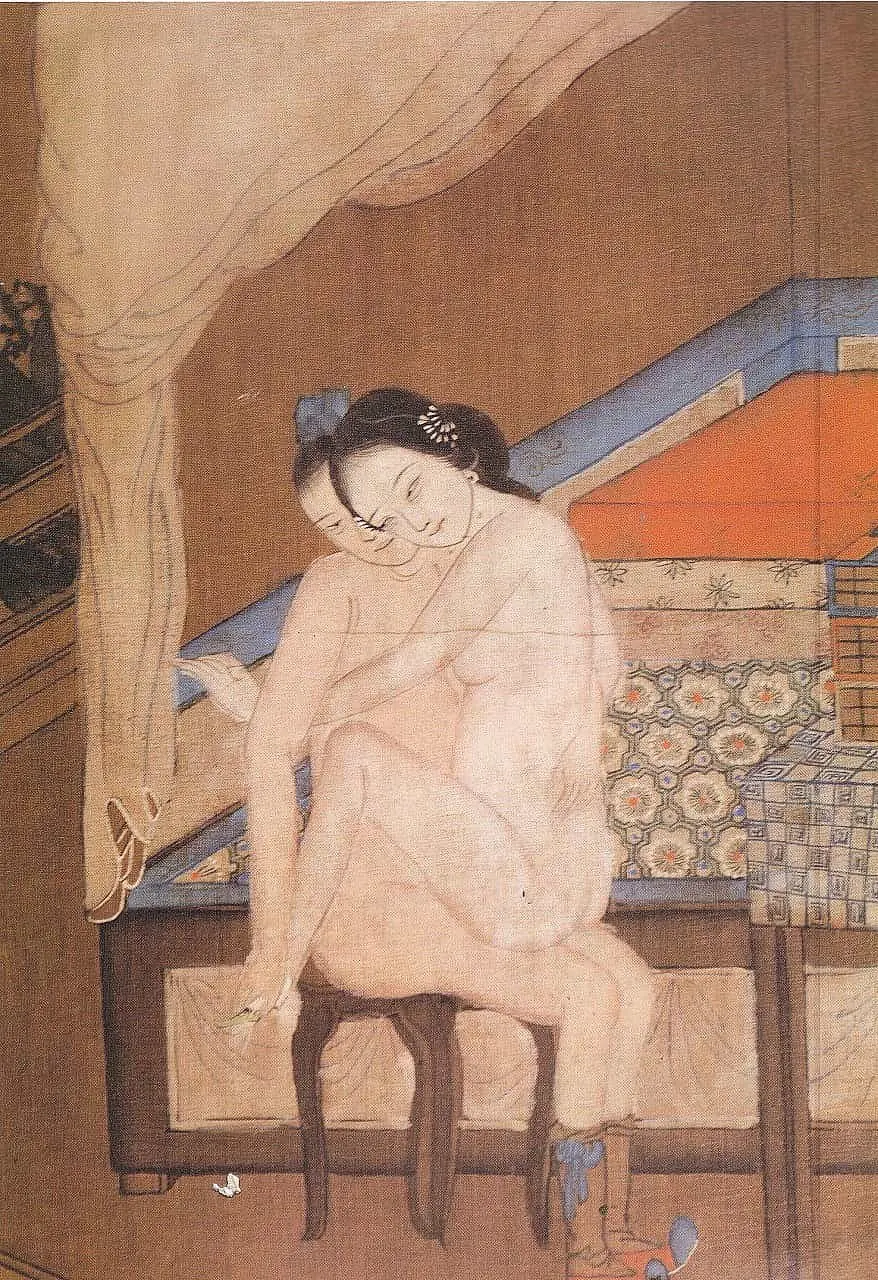
Early signs of decline: The status of women did not improve, and many entered the profession due to poverty or war, with an average lifespan of only 35 years (estimated by Qing Dynasty medical books).
Chart: Changes in the number of brothels during the Yuan, Ming, and Qing dynasties:
| period | Estimated number of brothels (location) |
|---|---|
| Yuan Dynasty (1300) | 300 |
| Early Ming Dynasty (1400) | 350 |
| Mingzhong (1500) | 400 |
| Early Qing Dynasty (1700) | 380 |
| Late Qing Dynasty (1900) | 250 |
The decline in prostitution in the late Qing Dynasty was attributed to the prohibition of prostitution and revolutionary ideas.
Modern Decline and Contemporary Legacy (1912 to Present)
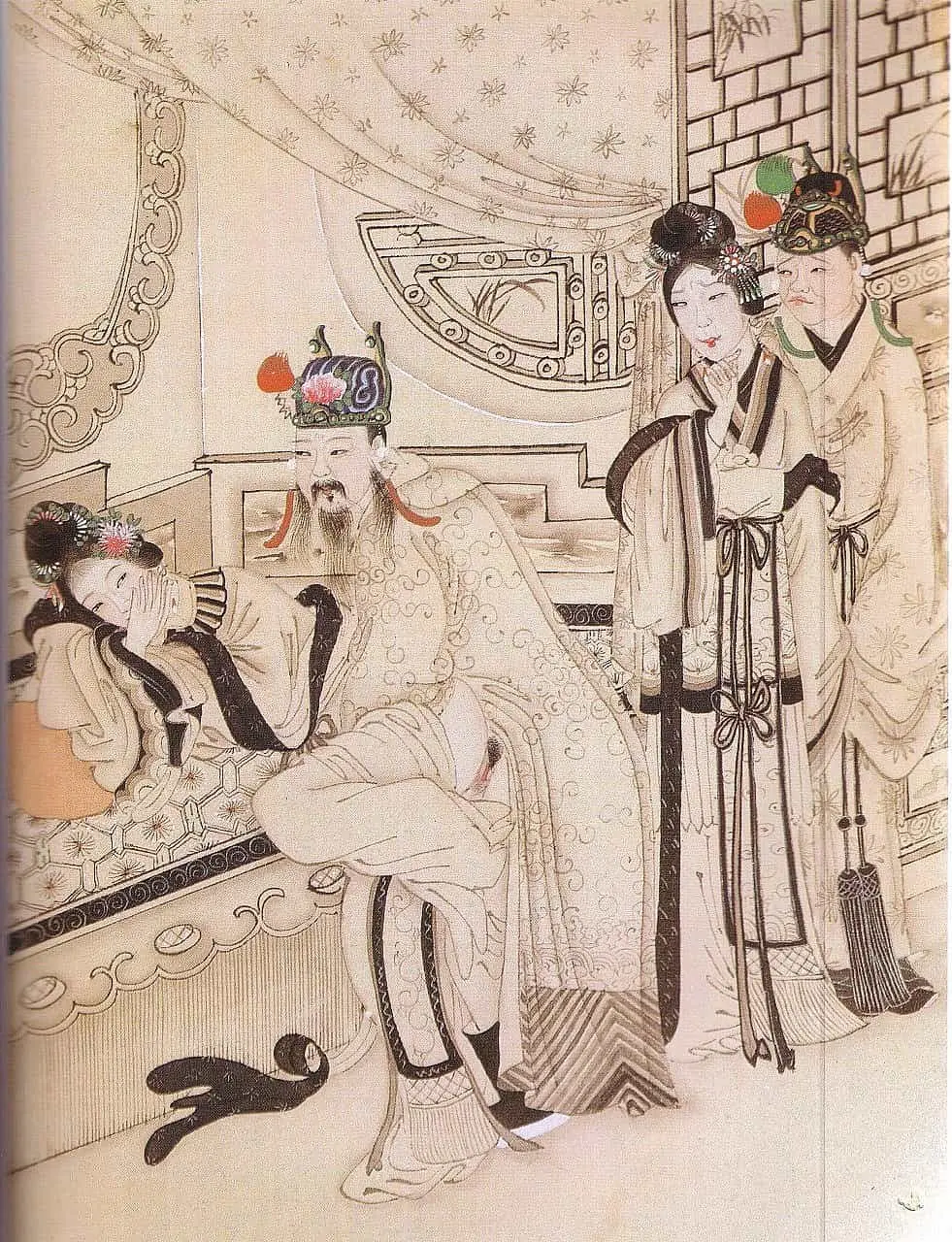
After the Xinhai Revolution, brothels faced annihilation. During the Republican era (1912-1949), brothels still existed in the concessions of Beijing and Shanghai, but the May Fourth Movement promoted women's rights, and the number of prostitutes dropped from 100,000 to 50,000 (statistics from the 1930s). After 1949, prostitution was completely banned, and brothels went underground.
Time period: 1920s, the "Changsan Shuyu" in Shanghai was at its peak; 1950s, the anti-prostitution campaign; after the 1980s, the sex industry became more covert.
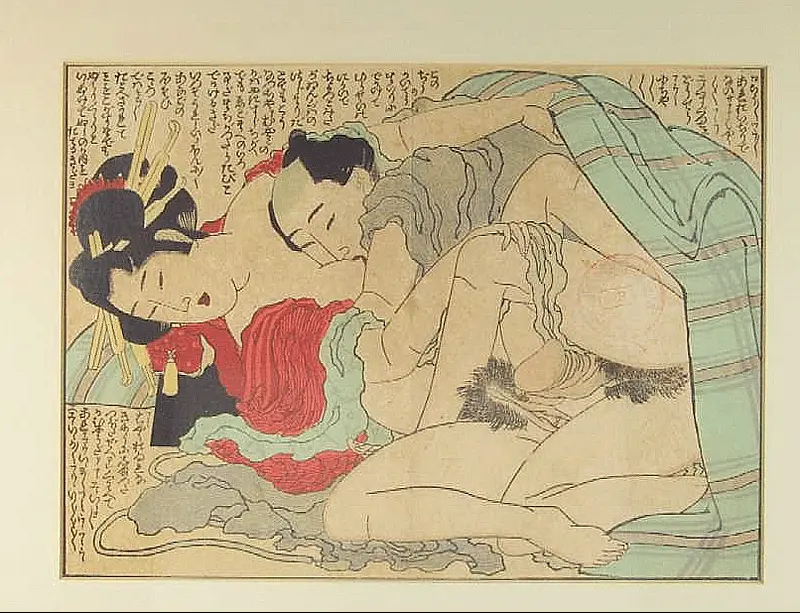
Social reasons: Modernization and communist ethics viewed brothels as feudal remnants. Economic transformation increased employment opportunities for women, reducing the supply. Data: There were approximately 1,000 brothels in Shanghai during the Republic of China era; this number disappeared after 1949.
Chart: Decline in the Number of Prostitutes in Modern Times
| period | Estimated number of prostitutes (nationwide, in tens of thousands) |
|---|---|
| Late Qing Dynasty (1900) | 20 |
| Early Republican Era (1920) | 15 |
| During the War of Resistance against Japan (1940) | 10 |
| After 1949 (1950) | 0 |
| Reform and Opening Up (1980) | Hidden growth |
The sharp decline was attributed to political changes.
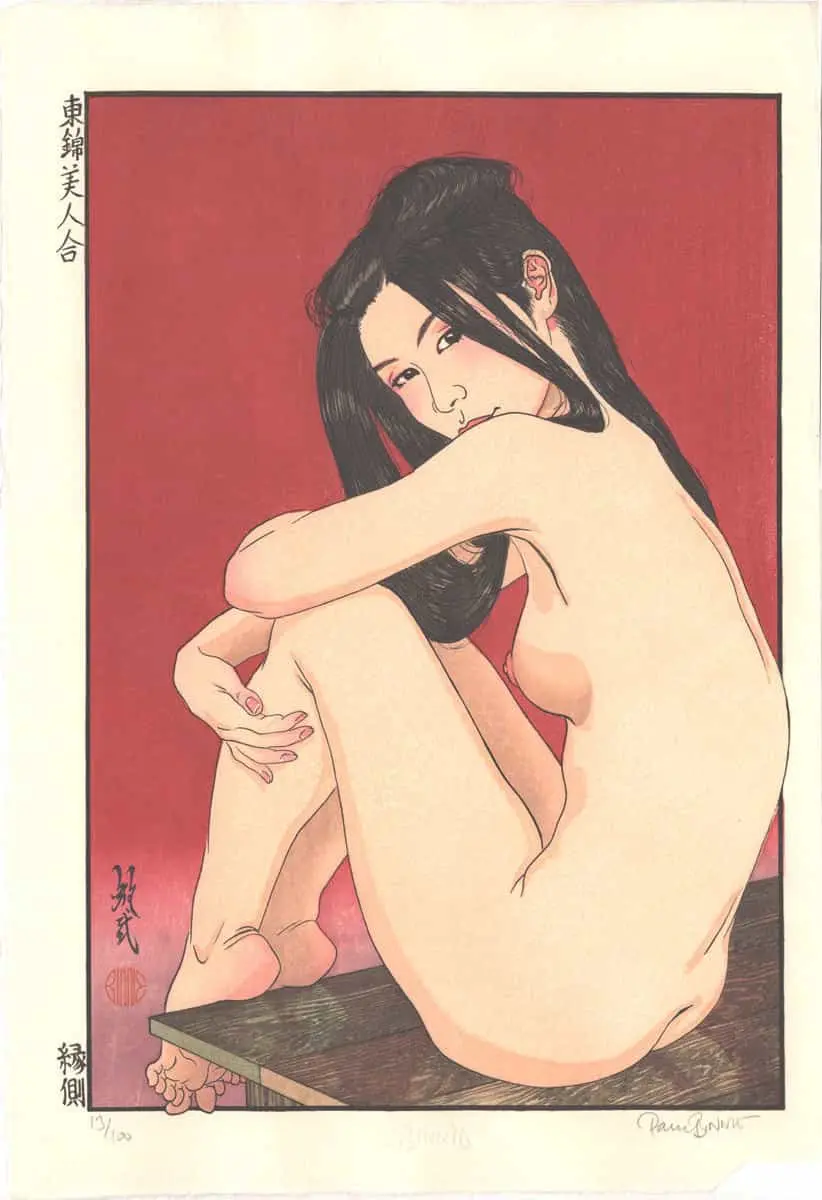
Analysis of the social causes of brothels
The rise and fall of brothels stemmed from multiple factors: economic needs (war and poverty drove women into the profession); political tools (Guan Zhong's tax model); cultural refinement (romanticism among literati); and moral conflict (the constraints of Neo-Confucianism). Data shows that at its peak, brothels contributed 5-101 TP3T in taxes to the dynasty's coffers, but at the cost of female exploitation.
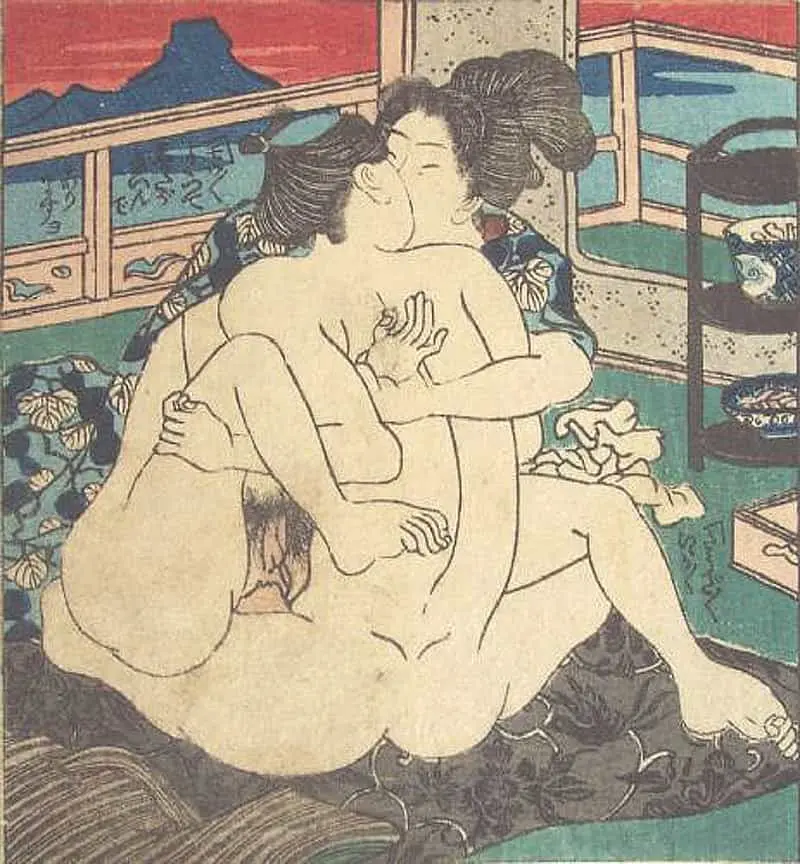
The Influence of Brothel Culture on Literary Heritage
Brothels gave birth to masterpieces such as "The Peach Blossom Fan" and "Jin Ping Mei," exerting a profound influence. Famous courtesans like Du Shiniang symbolized tragic aesthetics.
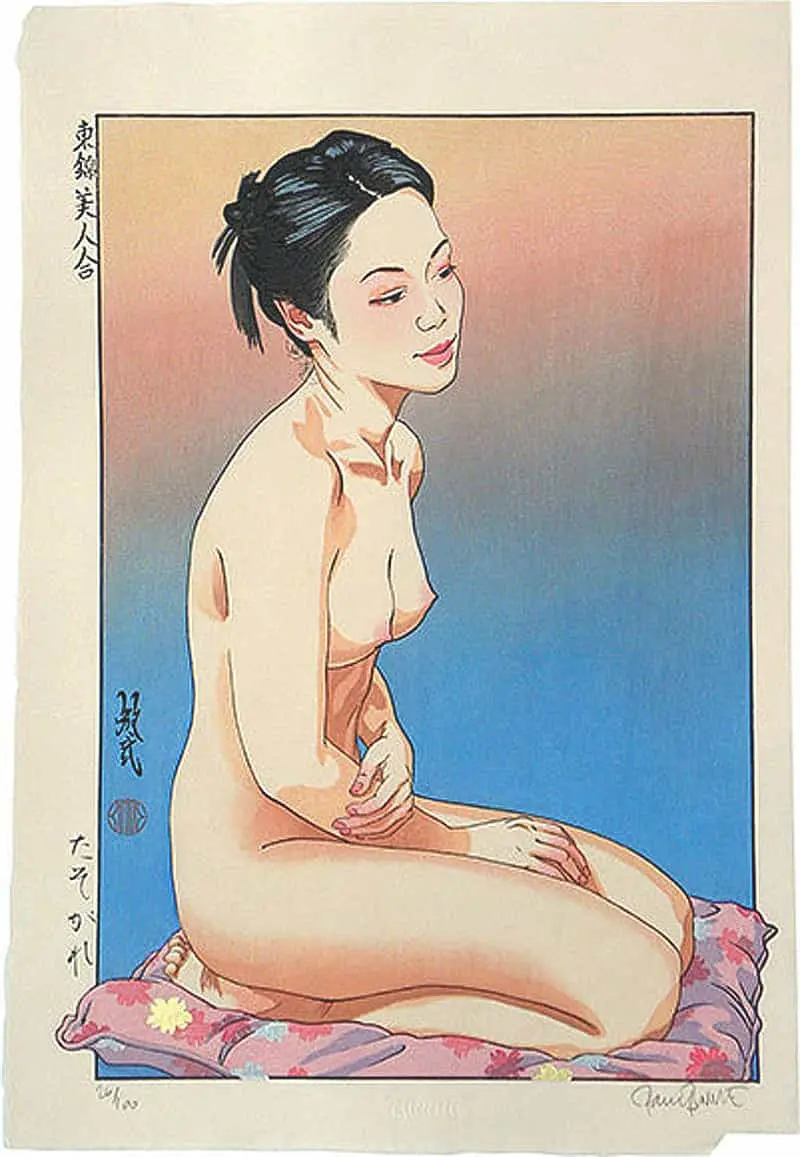
Contemporary perspectives and reflections
Today, the former sites of brothels, like the Qinhuai River, have become tourist attractions, prompting reflection on gender equality. Data: The number of modern sex workers is estimated to be in the millions, but the forms have changed.
From its origins to its decline, the brothel witnessed the transformation of Chinese society. This transformation was due to a complex interplay of economic, political, and cultural factors, as evidenced by data and charts. The historical lesson: respect for women is crucial to preventing such tragedies from recurring.
Further reading: