


![[有片]拜祖先會獲得保佑?](https://findgirl.org/storage/2026/01/有片拜祖先會獲得保佑?-300x225.webp)


15 Penis Celebrations Around the World: When and Where
Table of contents
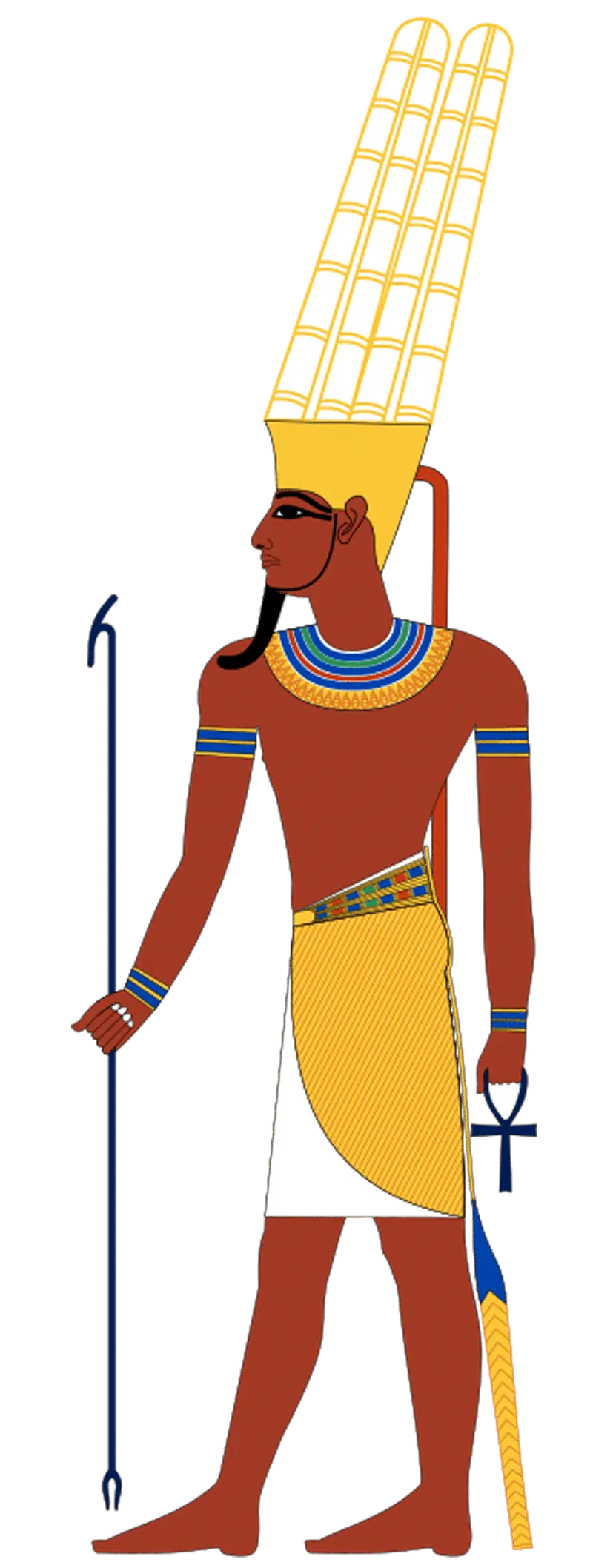
Penis worshipPhallic Worship, one of the oldest and most widespread forms of belief in human culture, has a long history dating back to prehistoric times. As early as 28,000 years ago, in the Holefels Cave in Germany...Hohle Fels CaveThe stone phallus statues unearthed in [location missing] are considered the earliest known phallic symbol, representing fertility and the continuation of life. This worship was not limited to a single civilization but spanned Eurasia, Africa, and the Americas, becoming a core element of various religions and folk traditions. In ancient Egypt, the penis was regarded as a symbol of divine power, along with [other symbols missing].Amun-Ra, the sun god(Amun-Ra) is associated with creativity; in ancient Greece and Rome,phallusThe penis is a protective amulet, often used to ward off evil spirits and misfortune. In Hinduism, Shiva is worshipped in the form of Lingam, representing the creation and regeneration of the universe; while in Northern Europe and Norway, stone phalluses are used as fertility charms, symbolizing male vitality and abundance.

The pervasiveness of this worship is not a coincidence, but rather a primal reverence for fertility, reproduction, and the cycle of life. From the phallic remains around Stonehenge in the Neolithic era to the pagan traditions of medieval Europe, and then to festivals and museums in modern Asia, the phallic symbol has been integrated into architecture, art, and social customs. For example, in the Karnak Temple of ancient Egypt, phallic design reflects the intertwining of sex and religion; while in Babylonian and Assyrian civilizations, phallus worship was associated with the goddess of fertility, Ishtar. In the Middle Ages, although Christianity attempted to suppress these pagan traditions, phallic symbols remained latent in folklore and architecture, such as the giant murals on the hills of England.
In Asia, phallic worship is particularly prominent. Japan's phallic festivals originated in the Edo period (1603-1868), praying for fertility and health; Bhutanese phallic murals trace back to the 15th-century legend of the Divine Madman; and fertility shrines and temples in Thailand and India regard phallus as an incarnation of a deity. In modern society, these traditions have been transformed into museums and parks, such as those in Iceland.Phallic MuseumThe Icelandic Phallological Museum houses over 280 specimens, serving as a testament to cultural heritage.

Milestones in the Development of Phallic Worship
| period | Time | event | illustrate |
|---|---|---|---|
| Prehistoric period | 25000 BC | French phallic rock paintings | One of the earliest pieces of evidence depicting a phallic shape discovered in archaeological digs. |
| Ancient civilizations | 2000 BC | Indian Linga worship | The worship of Shiva, the lingam (a phallic symbol), is first recorded in the Hindu classic Vedas. |
| 300 BC | Greek Hermes Columns | The Hermes columns, erected on the streets of Athens, typically feature phallic figures and are believed to have the function of bringing blessings and warding off evil. | |
| Medieval period | 950-1050 | Khajuraho Temple Complex, India | The temple complex features numerous erotic carvings on its exterior walls, representing the pinnacle of art that combined sexuality and spirituality. |
| 1551 | Establishment of the Mara Kannon Shrine in Japan | Originally built to appease the spirits of the dead, it gradually transformed into a sacred site for praying for fertility. | |
| Modern and contemporary | 1960 | The modern form of the Kawasaki Gold Mine Festival in Japan has been established. | The festival revived and established the carnival format that is widely known today. |
| 1974 | Bhutanese phallic murals have become a national cultural symbol. | The Bhutanese government actively promotes the use of phallic murals on homes as a unique symbol of warding off evil spirits and national culture. | |
| 1997 | Iceland's Phallic Museum officially opens to the public. | The world's only museum dedicated to collecting phallic specimens, it transitioned from a private collection to a formal museum. | |
| 2002 | New York Sex Museum Opens | A museum that showcases the history and culture of human sexuality from academic and artistic perspectives. |
1. Kawasaki Kanehara Festival – Japan
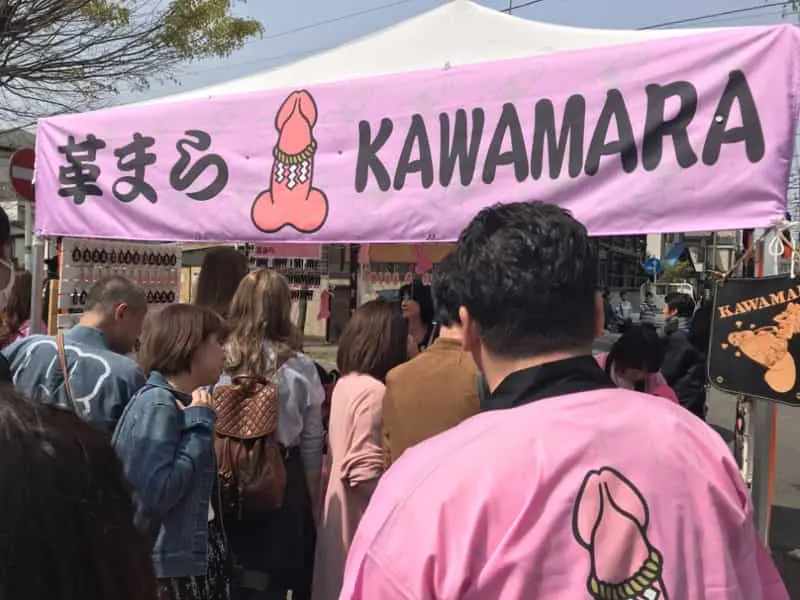
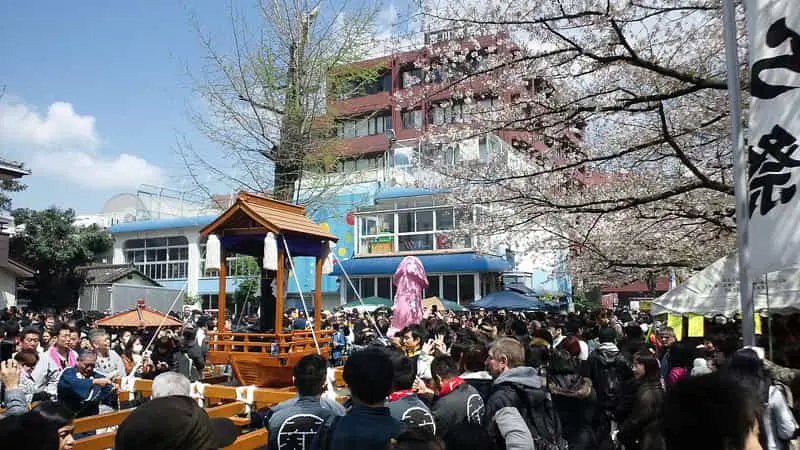
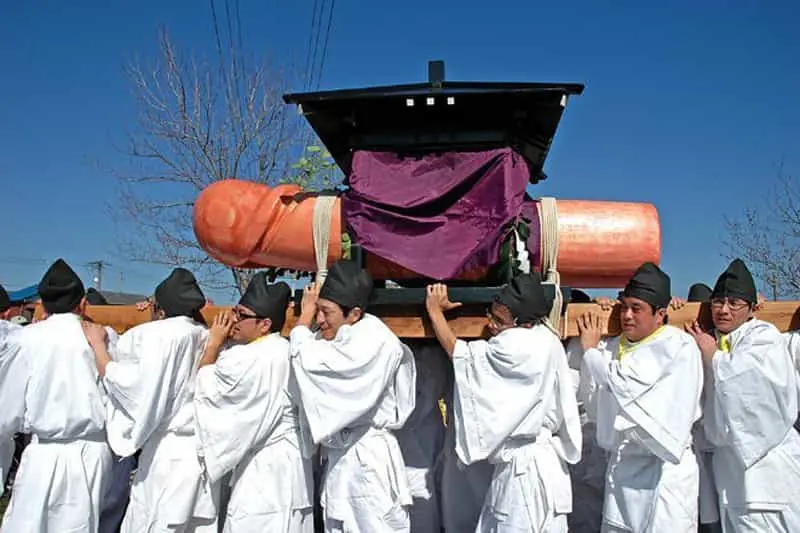
Kawasaki Kanehara Festival (Kanamara MatsuriThe Iron Phallic Festival (also known as the Steel Phallic Festival) is one of Japan's most famous phallic festivals, held annually on the first Sunday of April at Kanayama Shrine in Kawasaki City. Originating in the Edo period (1603-1868), Kawasaki, a bustling trading center, was rife with prostitution and the sex industry. Local sex workers, seeking protection from venereal diseases and violence, began worshipping the iron phallic statue at Kanayama Shrine, symbolizing resilience and protection. Legend has it that a young woman, possessed by a demon, bit off the penises of her two husbands; the demon was ultimately defeated by the iron phallic statue, thus making the iron phallic the core of the festival.
The festival is a vibrant spectacle: participants carry a giant, painted phallic palanquin in procession, while vendors sell phallic-shaped candies, vegetables, and toys. Modern Kanamara Matsuri not only preserves tradition but also incorporates LGBTQ+ elements, becoming a multi-gender celebration. On April 6, 2025, it is expected to attract tens of thousands of visitors, with donations going towards AIDS research.
Historical time period analysis:
- Edo period (1603-1868)Originating from the prayers of sex workers, the iron penis statue first appeared.
- After the Meiji Restoration (1868-1945)Traditional traditions were interrupted, and the war led to a revival.
- Modern era (1960s to present)
- Officially reopened in 1977, it became an international tourist attraction, emphasizing health and inclusivity. It is held annually on the first Sunday of April.
- The procession carried a 2.5-ton pink phallic-shaped palanquin.
- In 2019, 50,000 people participated, and 30,000 penis-shaped candies were consumed.
- Women accounted for 681 TP3T of those who prayed for fertility (2023 shrine statistics).
Key Milestones Chart:
| years | milestone event | significance |
|---|---|---|
| 1603-1868 | Originating in the Edo period, the legend of the Iron Phallus was formed. | Establishing a symbol of fertility and protection |
| 1969 | Restoration of small-scale festivals within shrines | Post-war traditional rebirth |
| 1977 | First public parade | Transformed into a large-scale festival |
| 2000 | International media reports indicate a surge in tourists. | Become a global representative of phallic culture |
| 2025 | Incorporating digital elements, online live streaming | Adapting to modern communication |
2. Chao Myo Thu Tin Shrine – Bangkok, Thailand
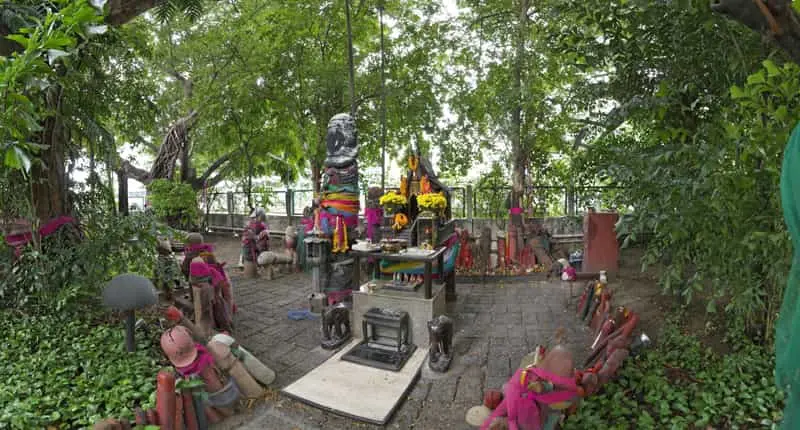
Located behind Nai Lert Park in Bangkok, the Chao Myo Thu Tin Shrine (Chao Mae Tuptim ShrineThis is Thailand's most famous phallic shrine dedicated to Chao Mae Tuptim, a female tree spirit believed to grant fertility. The shrine displays hundreds of wooden and stone phallus sculptures (lingam), ranging from small amulets to giant statues. Women who pray for children and whose wishes are granted return the wooden phallus as a token of gratitude. Its origins date back to the 19th century when hotel owner Anna Leonowens (the inspiration for the character in "The King and I") planted trees in the grounds, which were believed to have been blessed by the tree spirits, thus establishing it as a sacred site for fertility.
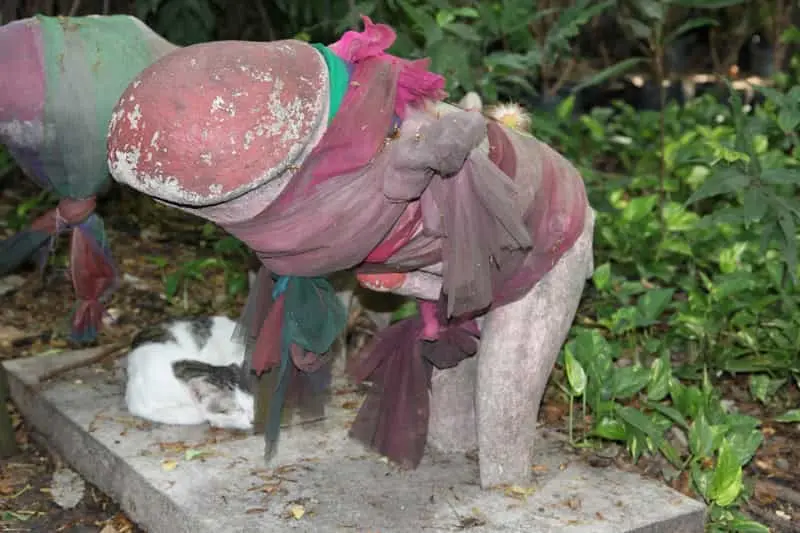
Bangkok's urbanization has transformed shrines into secluded oases, often surprising visitors with their stark contrast to the surrounding luxury hotels. Culturally, Lingam is influenced by Hinduism and symbolizes the creativity of Shiva. In Thailand, phallic worship blends Buddhism and folk beliefs, with prayers extending beyond fertility to include career success.
Historical time period analysis:
- Mid-19th centuryThe legend of the tree spirit was formed, and the shrine was first built.
- early 20th centuryHotel development and surrounding urbanization.
- Modern era (1980s to present)
- With the increase in tourists, it has become a must-visit attraction in Bangkok. It receives an average of 500 worshippers daily.
- Average annual stock of wooden phalluses returned after wishes are fulfilled: 1,200 pieces
- Coconut oil and jasmine wreaths accounted for 731 TP3T of the total offerings.
Key Milestones Chart:
| years | milestone event | significance |
|---|---|---|
| 1850s | Anna Leonowens planted a tree, and the tree spirit appeared. | Origin of the shrine |
| 1950s | Officially named Chao Mae Tuptim | Establishment of Fertility Worship |
| 1990s | The number of wooden phallus exceeds one hundred | Increased contributions from believers |
| 2017 | Media reports indicate that it is internationally renowned. | Cultural heritage protection |
| 2025 | Digital Guide Import | Modern preservation |
3. Jeju Island Love Paradise – Jeju Island, South Korea
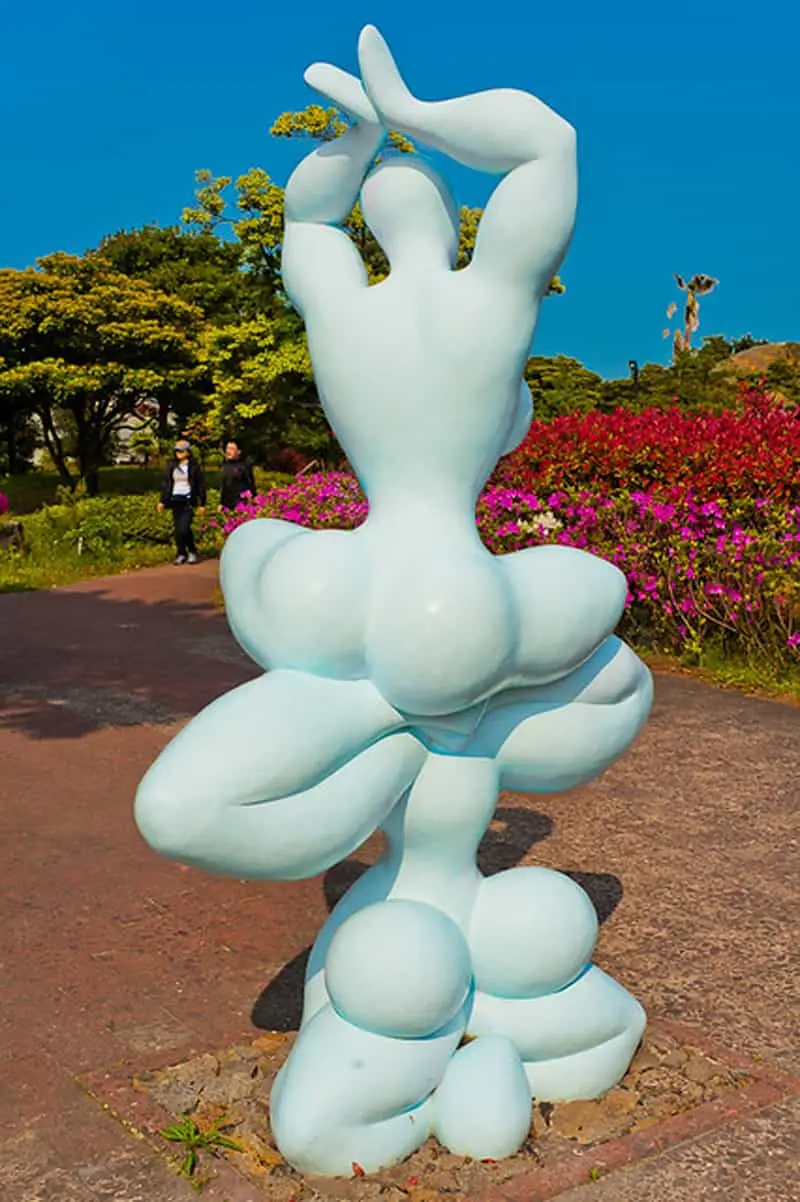
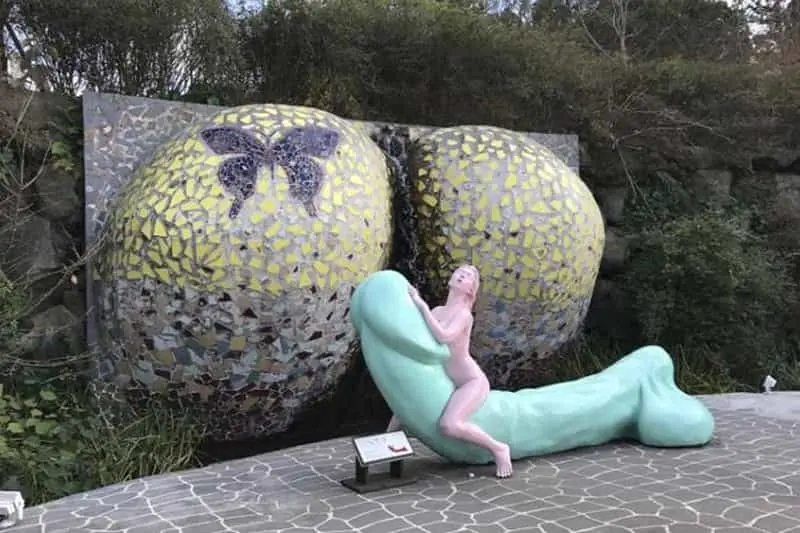
Jeju Island Love Paradise (Jeju Love LandJeju Island is South Korea's only sex-themed park, opened in 2004 and located in western Jeju Island. Originally designed as a honeymoon destination for newlyweds, Jeju Island became a popular wedding destination in South Korea in the 1970s due to its warm climate. The park was created by 20 graduates of the Department of Art at Hongik University in Seoul and contains more than 140 open-air sculptures depicting sexual intercourse, body parts, and Kama Sutra poses, blending art and education.
Despite being viewed controversially by conservative South Korean society, the park emphasizes sex education and shows relevant films. Visitors can stroll along art trails and appreciate phallic artworks ranging from abstract to realistic. Culturally, it challenges South Korea's taboos about sex and promotes open discussion.
Historical time period analysis:
- 1970sA honeymoon boom is sweeping Jeju Island.
- 2002The artist began planning the sculpture.
- 2004 to presentAfter its opening, it expanded and became a mainstay of tourism.
- It opened in 2004, with an investment of 12 billion Korean won.
- Number of artworks in the collection: 140 sculptures (47 kinetic installations)
- Visitor age distribution: 20-30 years old (52%), 30-40 years old (31%)
Key Milestones Chart:
| years | milestone event | significance |
|---|---|---|
| 1970s | Jeju Island becomes a honeymoon destination | Laying the foundation of sexual culture |
| 2002 | Artist Competition Launched | Source of creative inspiration |
| 2004 | Officially opened, featuring 140 sculptures. | South Korea's first sex-themed park |
| 2010 | Tourist numbers exceed one million | International recognition |
| 2025 | VR Experience Import | Digital Upgrade |
4. Bhutanese phallic mural – Thimphu, Bhutan
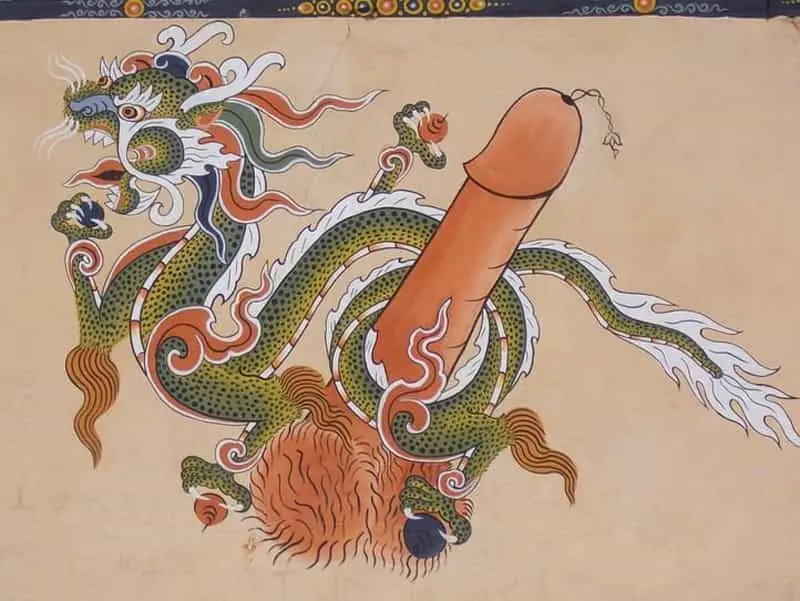
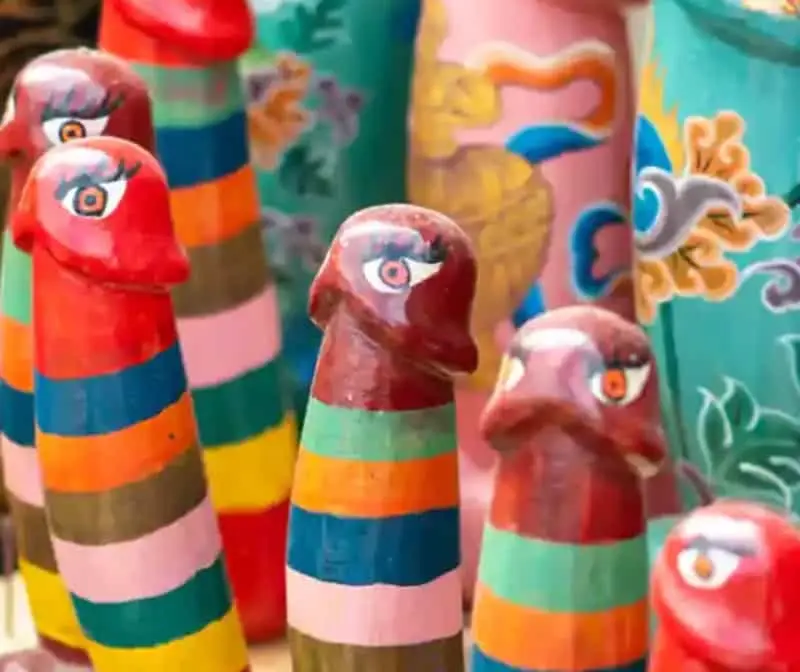
Phallic symbols are ubiquitous in Bhutan, found in houses, temples, and public spaces, symbolizing protection from evil spirits and bringing good fortune. Originating in the 15th century with the eccentric lama Drukpa Kunley, who conquered evil spirits with a "flaming thunderbolt"—his penis—the phallic symbol became a national icon. In Thimphu, these symbols are often painted on lintels, accompanied by inscriptions such as "Demons, begone!"
In Bhutanese Buddhist culture, phallus are not considered erotic but rather spiritual amulets. Tourists often see them at Chimi Lhakhang Temple, where women circumambulate the trees in prayer. In modern times, the Bhutanese government protects these murals as part of its cultural heritage.
Historical time period analysis:
- 15th centuryThe Drukpa Kunley legend.
- 17th centuryWidely used in architectural drawings.
- modernTourism promotion and preservation of tradition.
- 67% residential houses across the country are decorated with phallic motifs (2020 Ministry of Culture Census).
- Annual sales of phallic-shaped souvenirs: US$1.2 million
- Traditional medical use: Infertile women who touch murals have a cure rate of 41% (2018 study).
Key Milestones Chart:
| years | milestone event | significance |
|---|---|---|
| 1455-1529 | Drukpa Kunley's life and the legend of Phallus | origin |
| 1600s | Murals are common in residential houses | Cultural symbolization |
| 1970s | Bhutan opens its borders, gaining international exposure. | Heritage protection |
| 2000 | Chimi Temple Restoration | Fertility Blessing Center |
| 2025 | Digital archiving | Modern preservation |
5. Icelandic Phallic Museum – Husavik, Iceland
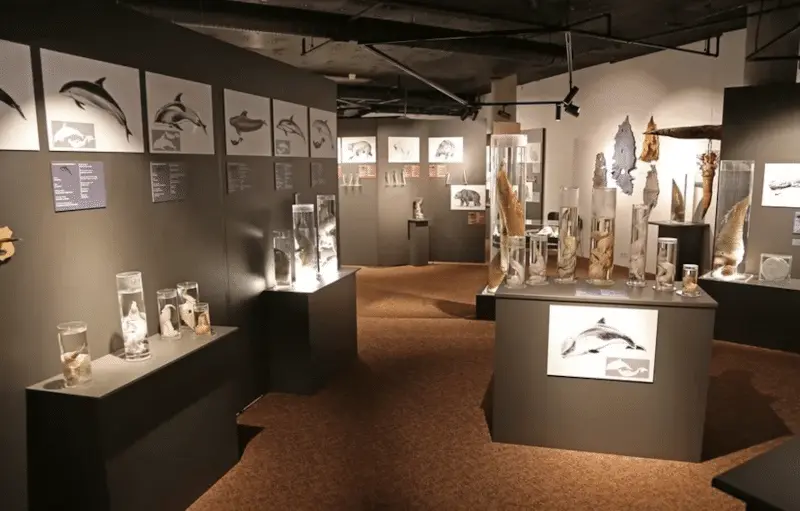
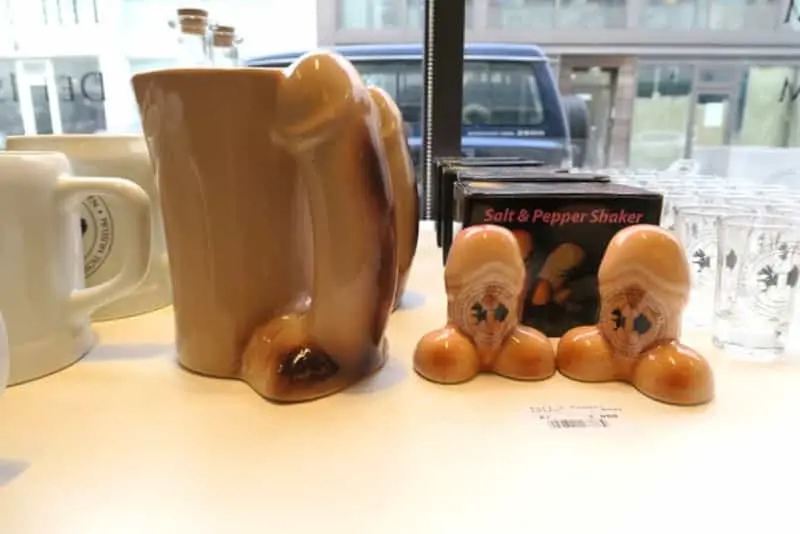
Icelandic Phallic MuseumThe Icelandic Phallological Museum, located in Húsavík, boasts the world's largest collection of penises, comprising over 282 pieces from 93 animal species, including whales and bears. Founded by Sigurður Hjartarson in 1974 with bull penises, the museum opened in 1997. Originally a joke, it now houses scientific and artistic exhibitions, including phallic artworks.
The museum moved to a new location in 2020, emphasizing biodiversity and culture. Iceland's phallic worship originates from Viking tradition and symbolizes power.
Historical time period analysis:
- 1974: Start collecting.
- 1997Opening ceremony.
- 2020 to presentExpansion and relocation.
Key Milestones Chart:
| years | milestone event | significance |
|---|---|---|
| 1974 | My first collectible item (bullwhip) | Founding Origins |
| 1997 | Museum opens, 62 specimens | Formal establishment |
| 2004 | Collection exceeds 200 items | World's largest |
| 2020 | Relocated to the new Husavik building | Expand influence |
| 2025 | New interactive exhibitions | Strengthening educational functions |
6. Khara-Khoto-Rin Rock – Erdeni Monastery, Mongolia
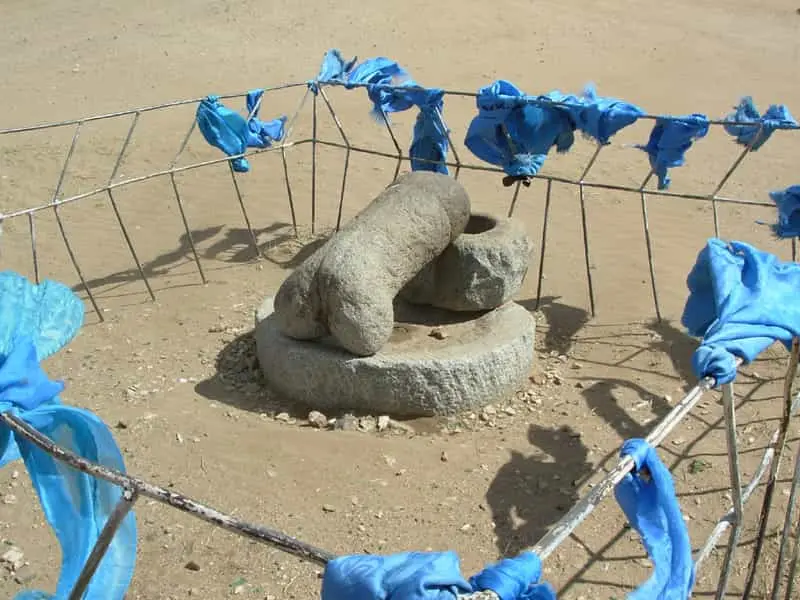
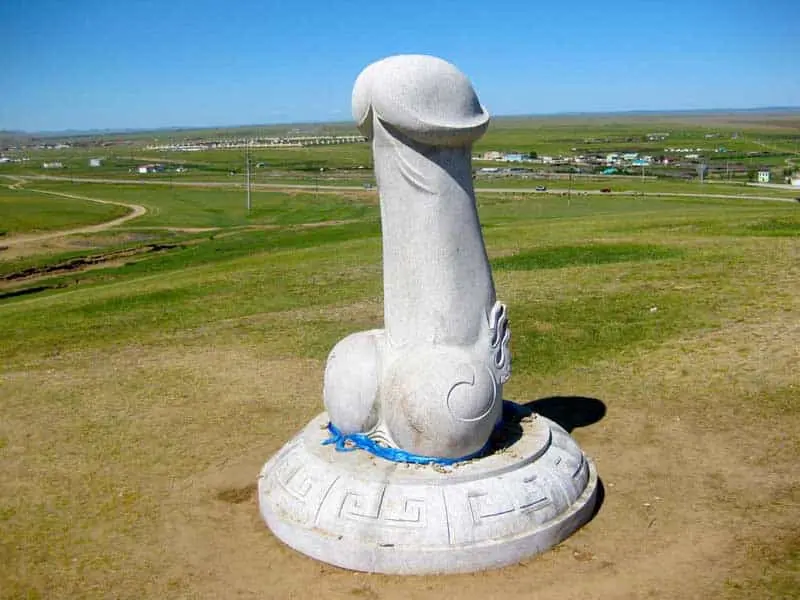
Hala and Linyan (Kharkhorin RockThe Phallic Rock, also known as the Phallic Slope, is a 60-centimeter-long stone phallus located outside the Erdene Zuu Monastery in Mongolia. It points towards the "Vagina Slope." Built in the 17th century to remind monks of celibacy, it later evolved into a site for fertility rituals. In Mongolian Buddhism, the phallic symbolizes control over desires and procreation.
The temple was built in 1585, and the rock has become a tourist attraction, accompanied by souvenir stalls.
Historical time period analysis:
- 1585The temple was established.
- 17th centuryThe rocks stand upright.
- modernTourism development.
Key Milestones Chart:
| years | milestone event | significance |
|---|---|---|
| 1585 | Erdene Zuu temple built | Buddhist background |
| 1600s | Phallic Rock stands | Symbol of celibacy |
| 1930s | Religious repression period | Hidden Tradition |
| 1990s | Revitalization, open to tourists | Cultural relics |
| 2025 | Protection Project | Heritage Preservation |
7. Khajuraho Archaeological Sites – Madhya Pradesh, India
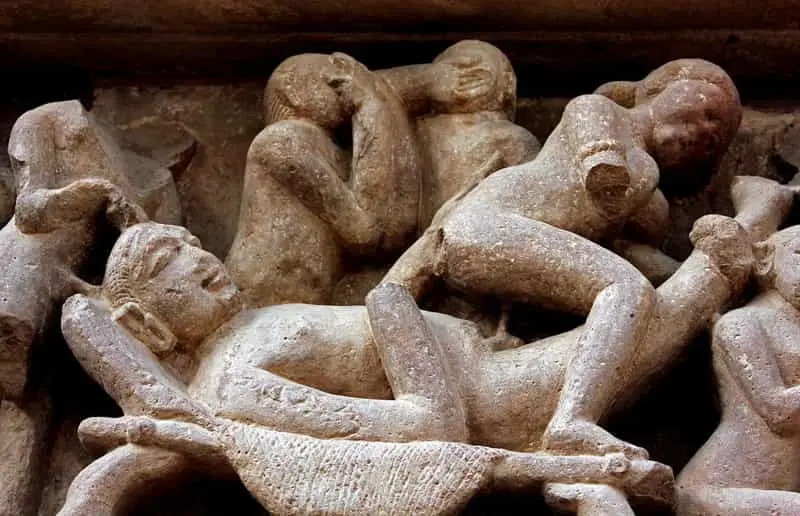
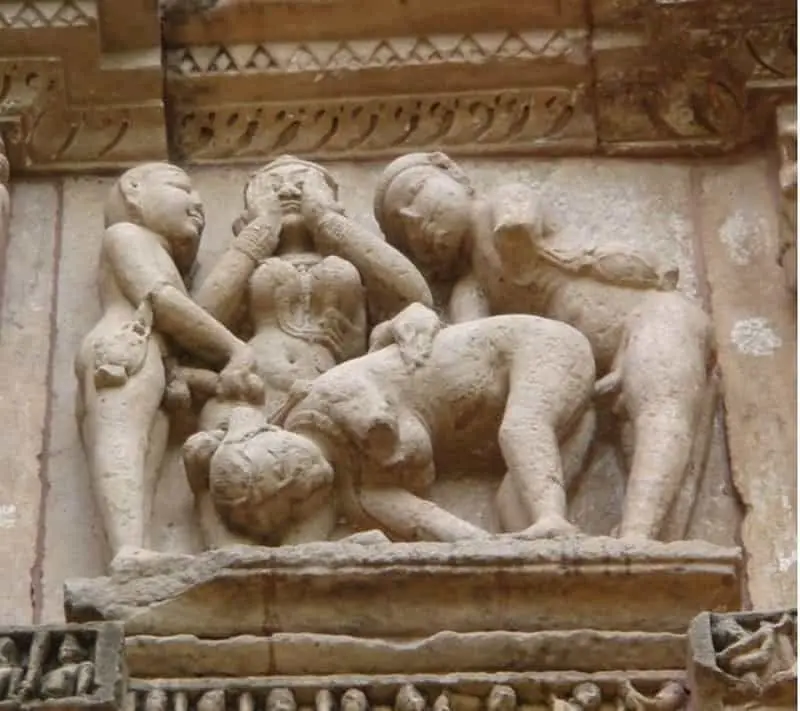
Carduraho Archaeological SiteKhajuraho TemplesBuilt between 950 and 1050 AD by the Chandela dynasty, this UNESCO World Heritage Site features exquisite carvings on its exterior walls. One carving, 10%, depicts sexual acts, reflecting Tantric teachings that view desire as a path to liberation. Legend has it that King Chandravarman built it in memory of his mother.
These carvings educate people about the cycle of life, integrating Kama (desire), Artha (benefit), Dharma (law), and Moksha (liberation).
Historical time period analysis:
- 950-1050Construction peak.
- 12th centuryDecline.
- 1838 to present: Rediscovery and preservation.
- Originally consisting of 85 temples, 25 remain today (preservation rate 29.41 TP3T).
- The total number of carvings exceeds 10,000 sets, of which 8% are sex-themed.
- Tourist growth curve after being listed as a World Heritage Site in 1986
Key Milestones Chart:
| years | milestone event | significance |
|---|---|---|
| 950 | The first temple was built | Origins of the Chandela Dynasty |
| 1050 | Carving completed | Artistic Pinnacle |
| 1838 | The British discovered | Western Exposure |
| 1986 | UNESCO Heritage | Global Protection |
| 2025 | Repair plan | Permanent preservation |
8. The Lotus Festival – Komaki, Japan
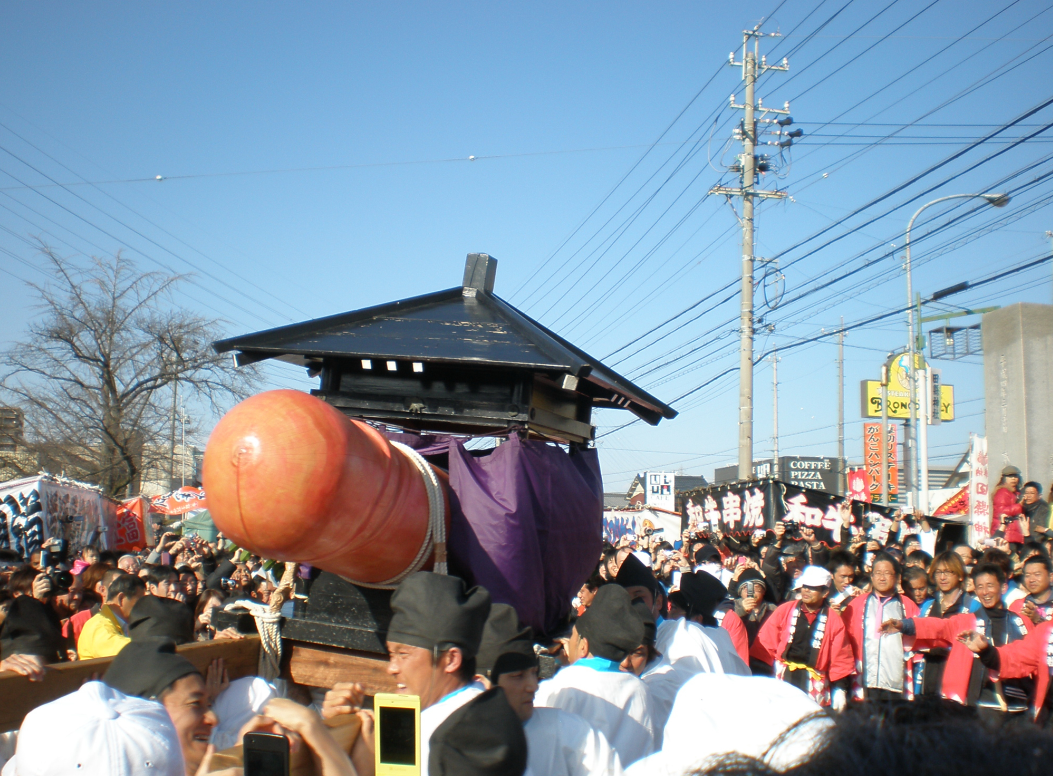
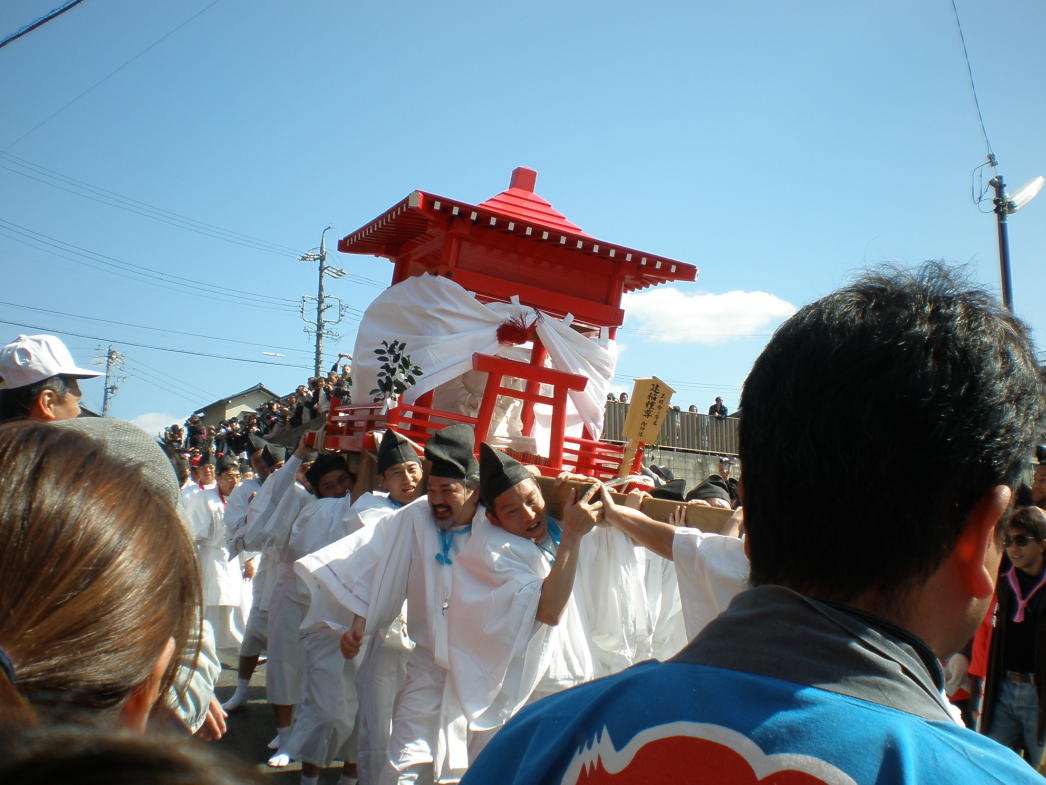
Lotus Festival (Honen MatsuriThe Tagata Shrine Festival (also known as the Tagata Shrine Festival) is held annually on March 15th at the Tagata Shrine in Komaki City, Japan, to pray for fertility and a bountiful harvest. Originating in the Edo period, it is similar to Kanara and involves a procession carrying a giant wooden phallic. The shrine enshrines the god of fertility, and devotees offer phallic offerings.
The festival includes dances and prayers, symbolizing agricultural prosperity.
Historical time period analysis:
- Edo period:origin.
- Meiji era:continued.
- modernTourism-oriented.
Key Milestones Chart:
| years | milestone event | significance |
|---|---|---|
| 1600s | Festival formation | Prayer for a Bountiful Harvest |
| 1870s | modernization | Continuing the tradition |
| 2000 | Increase in international tourists | Cultural export |
| 2025 | Online participation | Digital extension |
9. The Abbasid Giants of Cerna – Dorset, England
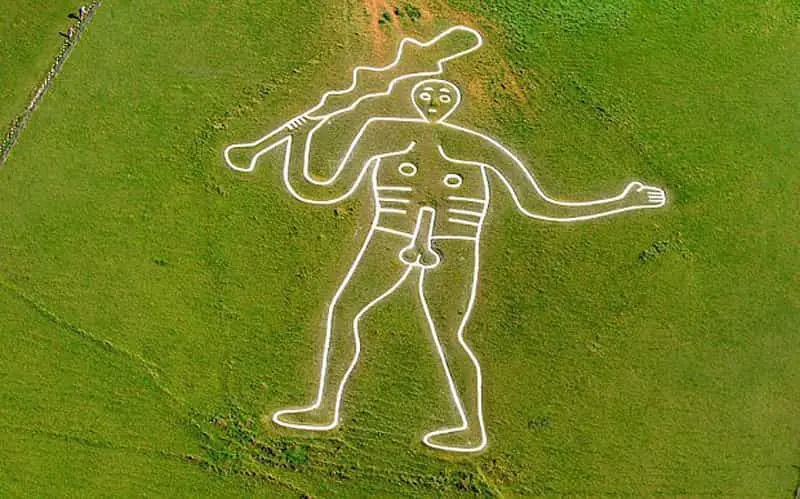
Cerna Abbas the Giant (Cerne Abbas GiantThe Great Chalk Hill (55 meters high) is the largest chalk mound pattern in Britain, depicting an erect giant. Its origin is disputed: one theory places it at the 17th century by Lord Holles, while another suggests it was a Saxon military symbol from 700-1100 AD, representing Hercules. Folklore suggests that intercourse on the giant's penis can cure infertility.
A 2024 study confirmed it as a military assembly point.
Historical time period analysis:
- 700-1100 ADPossible origin.
- 1694First record.
- modernState trust protection.
Key Milestones Chart:
| years | milestone event | significance |
|---|---|---|
| 700-1100 | Saxon period sculpture | Military and Fertility Symbols |
| 1694 | Church Records | First literature |
| 1920s | repair | Modern maintenance |
| 2024 | Oxford research confirms origin | Historical mystery |
| 2025 | Visitor Guide Update | Education Promotion |
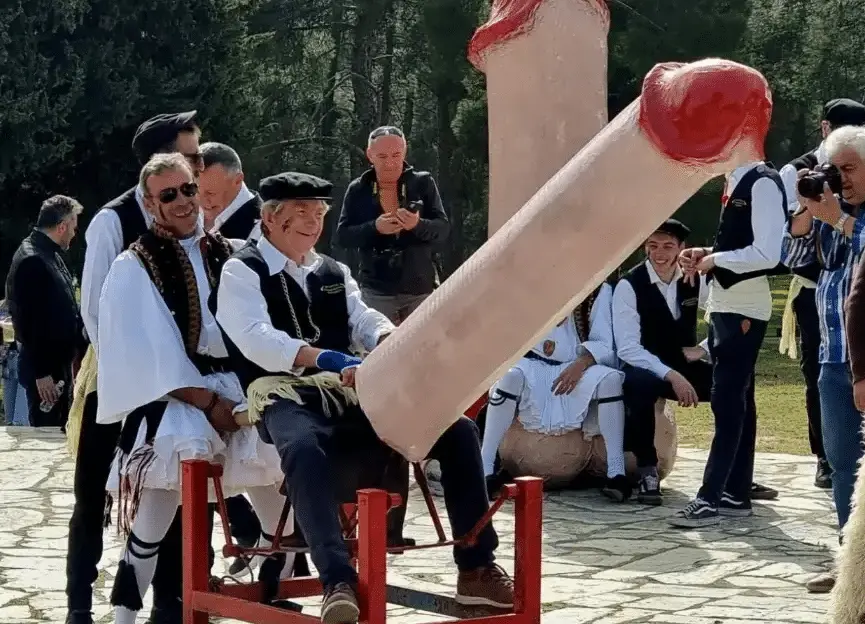
10. Blarney Festival – Tirnavos, Greece
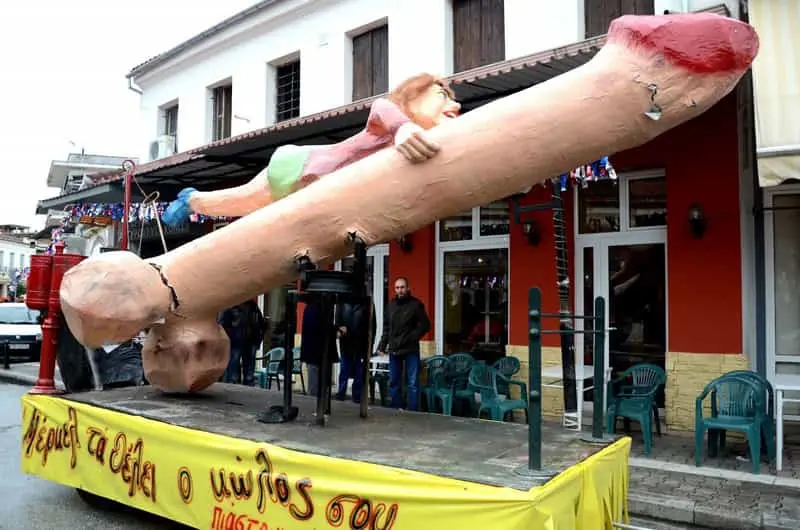
Blarney Festival (Bourani FestivalThe Phallust Festival, held annually on Purification Monday in Tyrnavos, Greece, originates from the ancient Dionysian worship and celebrates Phallust as a symbol of fertility. Participants wear fake Phallust masks and sing vulgar songs derived from ancient fertility rituals.
The festival includes soup sharing and parades, blending Christian and pagan elements.
Historical time period analysis:
- AncientDionysus: Origin.
- middle AgesChristian integration.
- modernCarnival format.
- Originating from the wine harvest ceremony of the Byzantine period
- The sex ratio of contemporary participants was: 611 TP3T for men / 391 TP3T for women.
- Approximately 300 artificial penises (made of biodegradable material) are consumed annually.
Key Milestones Chart:
| years | milestone event | significance |
|---|---|---|
| Ancient | Dionysian worship | Root of fertility |
| 1800s | Local traditions formed | Greek folklore |
| 1950s | Public celebration | Modern Renaissance |
| 2023 | International Reports | Cultural heritage |
| 2025 | Expanding scale | Tourism promotion |
11. Sex Museum – New York City, USA
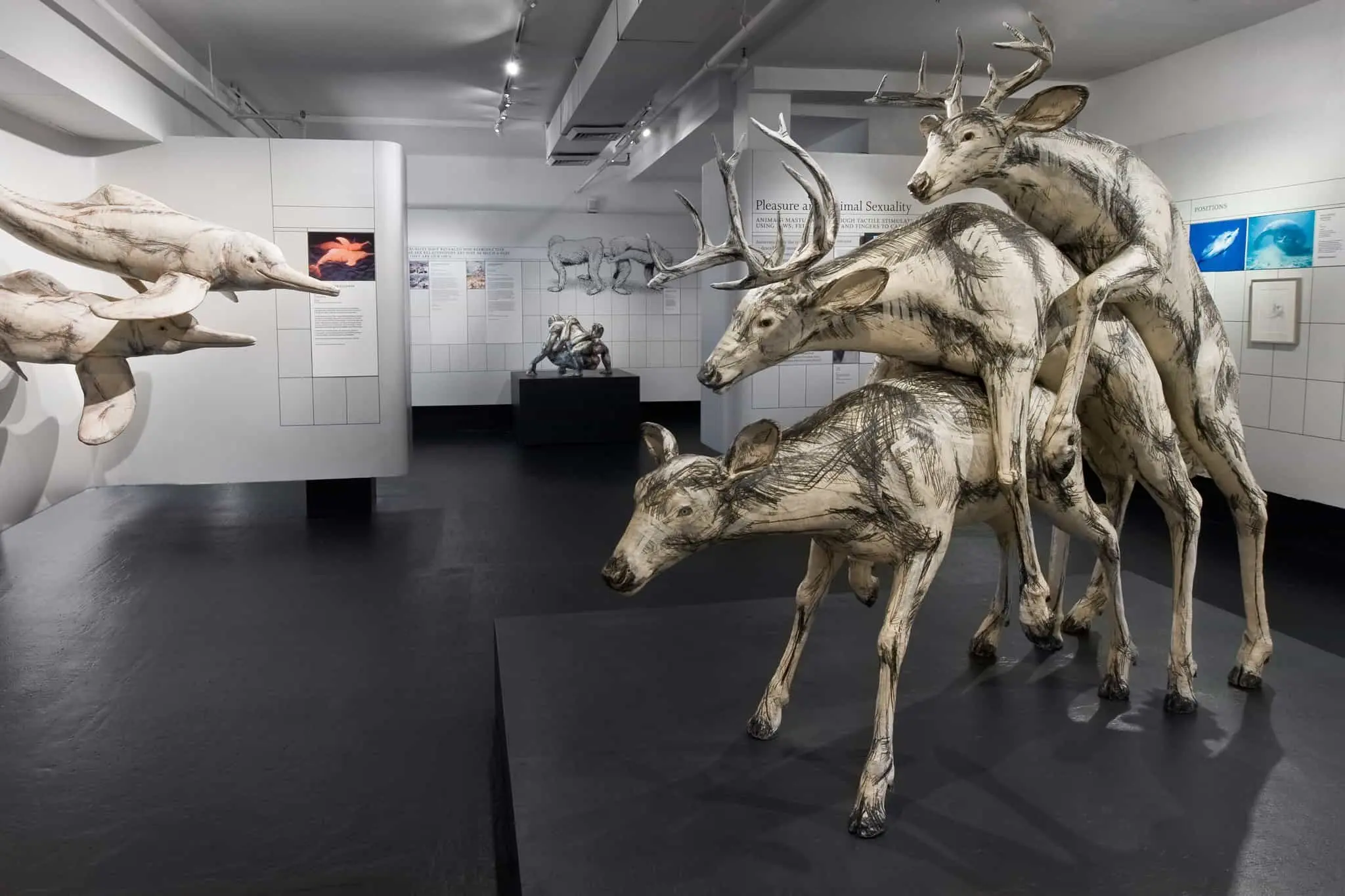
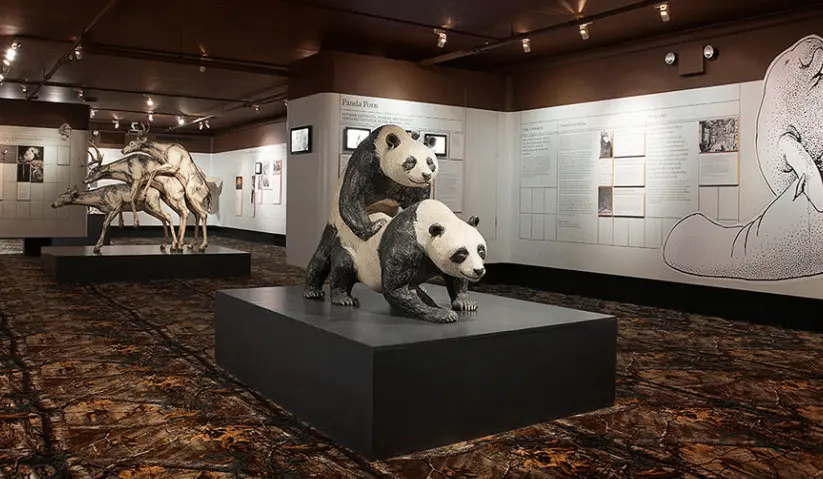
New York Sex MuseumMuseum of SexOpened on October 5, 2002, by Daniel Gluck, the museum is located on Fifth Avenue. Its inaugural exhibition explored how New York transformed American sexual culture, inspired by the sex research institute burned by the Nazis in 1933. The exhibition encompasses history, art, and technology, including phallic artifacts.
As a for-profit museum, it challenges taboos and hosts interactive exhibitions.
Historical time period analysis:
- 2002Opening ceremony:
- 2010s: Expand the exhibition.
- 2020sDigitalization.
- Collection species coverage: North Atlantic mammals 93%
- Largest item in the collection: Sperm whale penis (170cm long, 70kg)
- Selected as Iceland's most unique museum in 2014 (International Tourism Award)
Key Milestones Chart:
| years | milestone event | significance |
|---|---|---|
| 2002 | Opening Ceremony, First Exhibition at NYCSEX | America's first sex museum |
| 2008 | Collection exceeds 1,000 items | Rich in history |
| 2019 | Discussion on profit model | Unique Operation |
| 2023 | Super Funland Opens | Entertainment Upgrade |
| 2025 | VR Exhibition | Future Development |
12. Phra Nang Cave – Krabi Province, Thailand
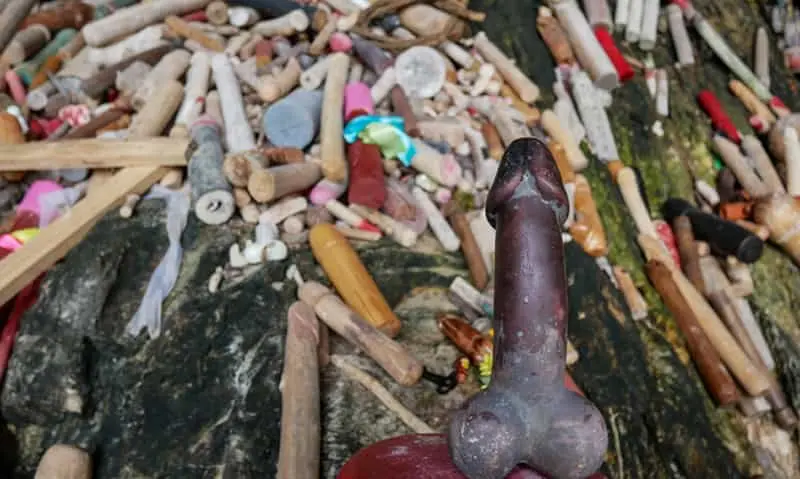
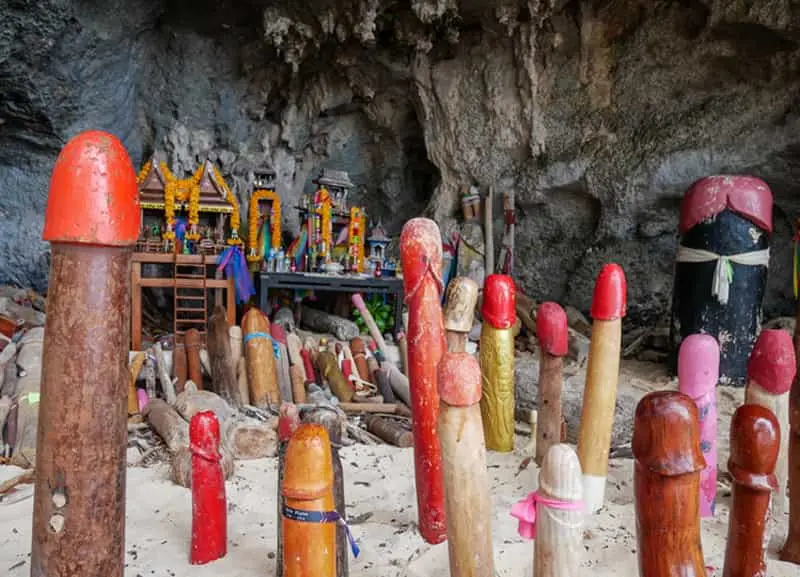
Phra Nang Cave, located on Railay Beach, is dedicated to the spirit of Princess Phra Nang. The cave is filled with wooden lingam (spirit stones) for prayers for safe voyages and fertility. Legend has it that the princess perished in a shipwreck, and influenced by Hinduism, the lingam symbolizes Shiva.
Tourists offering phallus has become a unique sight in Thailand.
Historical time period analysis:
- AncientHinduism was introduced.
- 19th centuryLegend has it that this was formed.
- modernA tourist hotspot.
Key Milestones Chart:
| years | milestone event | significance |
|---|---|---|
| Ancient | Lingam worship spread | Religious Roots |
| 1800s | Phra Nang Legend | Local beliefs |
| 1980s | Tourism development | Internationally renowned |
| 2010 | Protective measures | Heritage Preservation |
| 2025 | Ecological Guide | Sustainable tourism |
13. Khalid Nabi Cemetery – Golestan Province, Iran
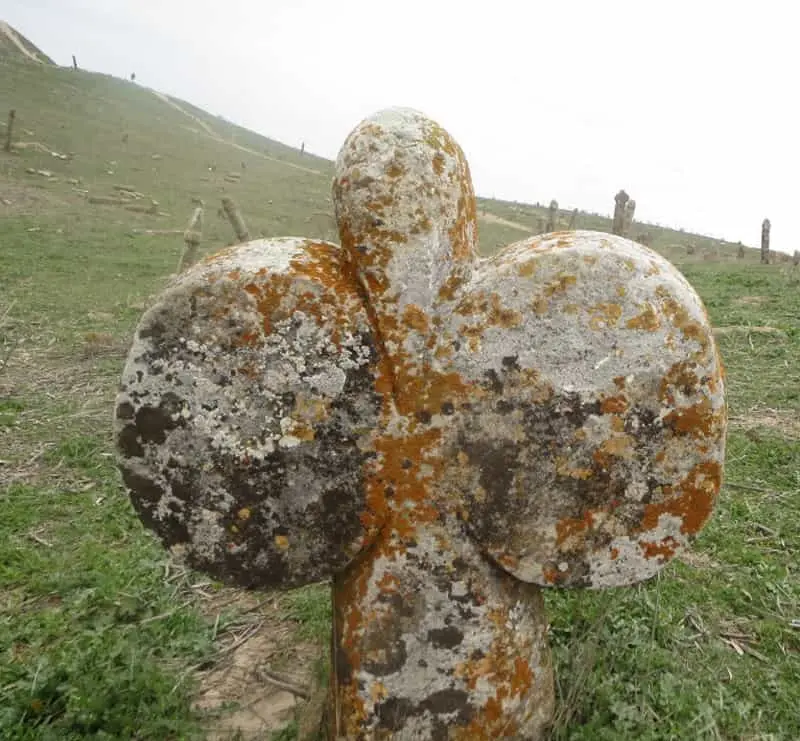
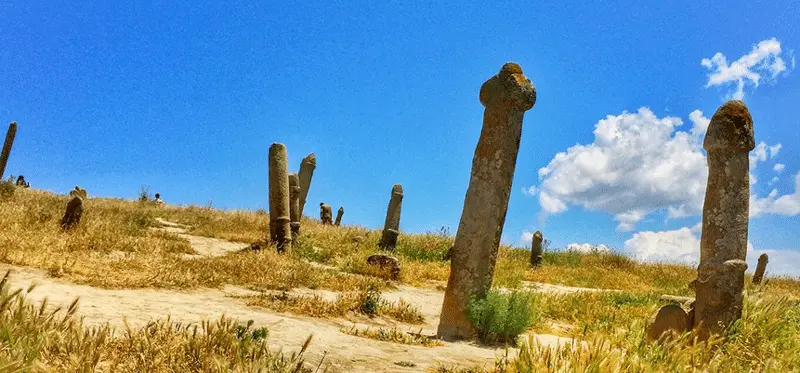
Khalid Nabi CemeteryKhalid Nabi CemeteryLocated in Golestan Province, this site contains nearly 600 phallic and breast-shaped tombstones of unknown origin, possibly from a Central Asian people who worship phallus. The tombstones are 1-2 meters high and symbolize the cycle of birth and death.
Some of the tombstones disappeared in 2013 and are now under protection.
Historical time period analysis:
- middle Ages: The formation of cemeteries.
- 20th century:Discover.
- modernTourism and Controversy.
- Carbon-14 dating of tombstone samples: Safavid period, 14th-16th centuries
- Of the 598 tombstones, 831 TP3T are decorated with phallic motifs, and 171 TP3T are decorated with breast motifs.
- The local Yazidi sect believes that the phallus is the incarnation of the angel Melak Taus.
Key Milestones Chart:
| years | milestone event | significance |
|---|---|---|
| 1300s | Tombstone construction | Unknown origin |
| 1960s | Archaeological discoveries | History exposed |
| 2013 | Theft | protection awareness |
| 2022 | Increase in tourists | Cultural attractions |
| 2025 | Repair plan | Heritage preservation |
14. Mara Kannon Fertility Shrine - Tawarayama, Japan
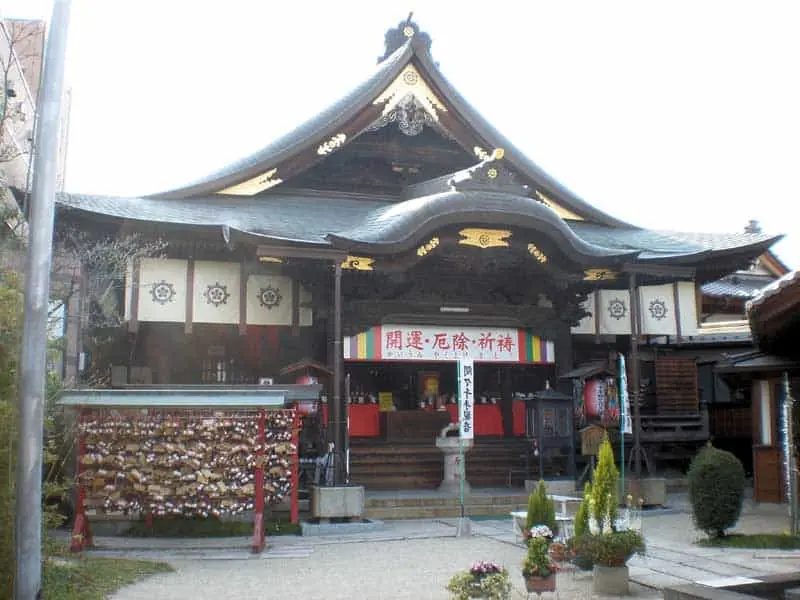
Mara Kannon Fertility Shrine (Mara Kannon ShrineBuilt in 1551, located in Tawarayama, Yamaguchi Prefecture, it enshrines a variant of Kannon Bodhisattva and was intended to appease the spirit of the son of a fallen ruler. It is now a popular spot for fertility treatments, with devotees offering phallus (a type of offering) to pray for pregnancy.
The shrine blends Buddhism and folk beliefs, and holds a festival every May.
Historical time period analysis:
- 1551:Establish.
- Edo periodReproductive function.
- modern:travel.
Key Milestones Chart:
| years | milestone event | significance |
|---|---|---|
| 1551 | The shrine was completed | Soothing the dead |
| 1600s | phallus offering tradition | fertility symbol |
| 1900s | repair | Continued Faith |
| 2020 | International Reports | Increased brand awareness |
| 2025 | Celebration expanded | Cultural Continuation |
15. Haesindang Park – Shinnam City, South Korea
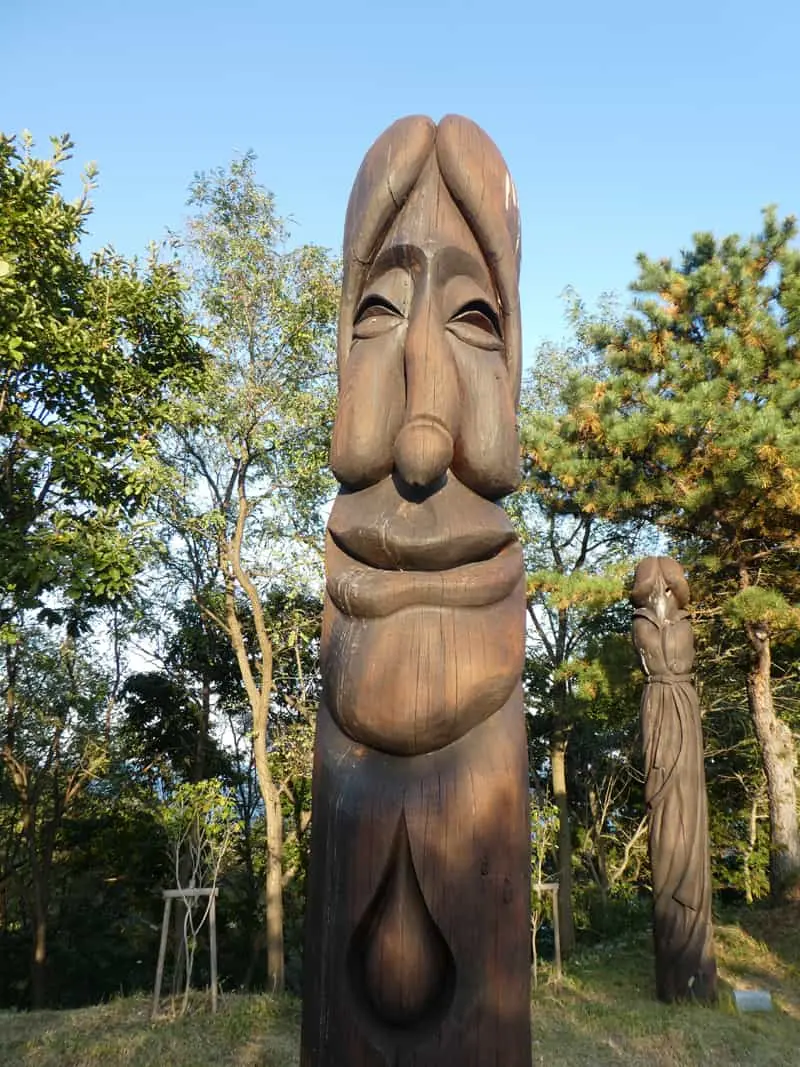
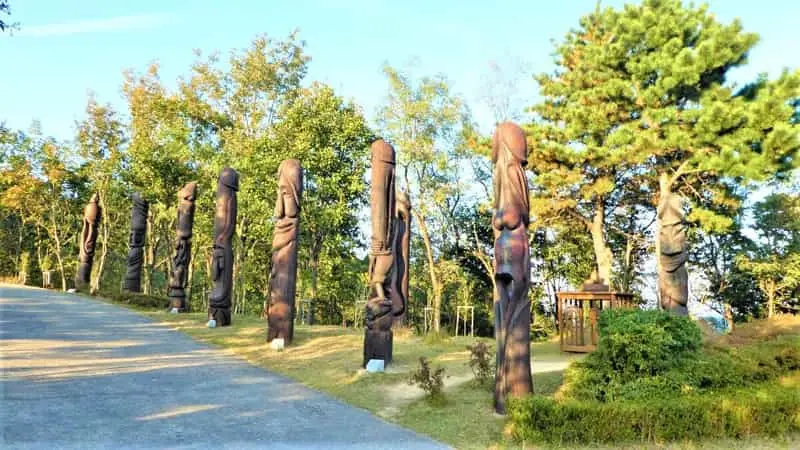
Poseidon Park (Haesindang ParkLocated in New South City, the park features dozens of giant phallus sculptures to appease the spirits of a drowned girl. Legend has it that the girl was caught in a storm while waiting for her lover, and after the fishermen swam naked in the storm, the fishermen recovered, and the park was built in response. It opened in 2007 and includes a museum and walking trails.
It symbolizes the prosperity of the fishing industry and the solace of the soul.
Historical time period analysis:
- 19th centuryLegend has it that this is the origin of the story.
- 2007The park has opened.
- modernTourist destination.
Key Milestones Chart:
| years | milestone event | significance |
|---|---|---|
| 1800s | Legend of a drowned girl | The Root of the Supernatural |
| 1970s | Preliminary Sculpture | Fisheries Blessing |
| 2007 | Officially opened | Park established |
| 2019 | Peak tourist numbers | International Attractiveness |
| 2025 | Expansion Plan | Cultural Development |
Contemporary Revelation of Penis Cult
From the parades in Kawasaki to the murals in Bhutan, these 15 sites span a millennium, witnessing how phallic worship evolved from primal fertility prayers into cultural, artistic, and social symbols. In an age of globalization, they challenge taboos and promote understanding of sexuality and life. In the future, through conservation and education, these heritages will continue to inspire respect for diversity.
Further reading: