





Icelandic Phallological Museum

Table of contents
A Comprehensive Guide to the Icelandic Penis Museum
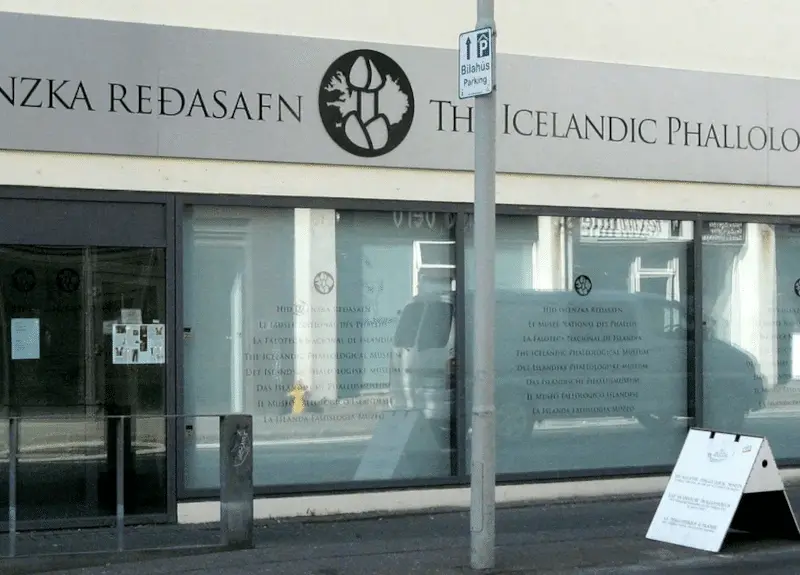
Icelandic Phallological Museum(Icelandic Phallological MuseumThe Icelandic Museum of Penis Studies, also known as the Icelandic Museum of Penis Studies, is the only museum in the world dedicated to the collection, research, and exhibition of penis science.penisThe museum houses related exhibits. Located in downtown Reykjavik, the capital of Iceland, this museum boasts over 300 specimens of penises from various mammals, along with related art and cultural exhibits. It is not only...IcelandThis unique tourist attraction is also considered a quirky place that combines science, education, and humor. The museum originated from the personal interest of a history teacher and has gradually evolved into a globally renowned cultural institution.
Museum Introduction and Background
The Icelandic Phallic Museum was founded in 1997 by Sigurður Hjartarson, a history and Spanish teacher who began collecting phallic specimens in 1974 after receiving a bull's penis as a joking gift from a colleague. The museum was initially located in the northern town of Húsavík, later moving to Reykjavik to attract more visitors. In 2020, the museum expanded to its current location, tripling its space and adding interactive exhibits and a themed restaurant. The museum's mission is to advance the scientific study of phallology, an interdisciplinary field encompassing biology, art, psychology, and cultural history. According to the museum's official website, it aims to encourage people to explore this subject in a serious and scientific manner, avoiding vulgar interpretations.
The museum's collection includes penis specimens from all Icelandic native mammals, as well as donations from abroad. Exhibits extend beyond biological specimens to include "invisible" penises from folklore (such as those of elves and trolls), and derivative items such as lampshades and art sculptures. The museum boasts a diverse visitor base; reports indicate that 60%'s visitors were predominantly female, suggesting an educational rather than purely entertainment-oriented approach. The museum's international profile was further enhanced by the Canadian documentary "The Final Member," which focused on its search for human specimens.
History and Time Period
The development of museums can be divided into several key periods, from private collections to global attractions. The following table presents the main time periods and events for easy reference:
| Time period | Major Events and Developments | Causes and effects |
|---|---|---|
| 1974-1996 | Sigurður Hjartarson began collecting specimens, starting with bovine penises and whale specimens, accumulating approximately 62 exhibits. | What started as a personal interest and a joke gradually turned into a systematic collection of the penises of Icelandic native mammals, laying the foundation for a museum. |
| 1997-2003 | The museum officially opened in Húsavík, exhibiting 62 specimens, including works of art and practical items. | As the world's first penis museum, it attracts local curious individuals, but visitor numbers are limited; its aim is to promote penile research. |
| 2004-2010 | The museum has been moved to downtown Reykjavik, and the number of exhibits has increased to approximately 280, including new foreign specimens. | The location is more convenient, attracting more tourists; combining it with whale watching will increase its exposure. |
| 2011-2012 | After acquiring his first human specimen (from 95-year-old donor Pall Arason), Sigurður retired and his son Hjörtur took over. | The completion of the complete Icelandic mammal collection led to a surge in visitors; the release of the documentary "The Final Member" garnered international media attention. |
| 2013-2019 | The exhibition features over 300 items, and includes a new section dedicated to folk tales and interactive elements. | Visitors are diverse, with women making up 60% of the visitors (TP3T); the educational value is emphasized, and embarrassment is avoided. |
| 2020-present | They moved to a new location in Hafnartorg, where the space has tripled in size and added a themed restaurant and interactive exhibits. | Post-pandemic recovery has led to a rebound in visitor numbers; donations continue to be collected, with the goal of obtaining younger and more complete human specimens. |
These timelines reflect the museum's transformation from a niche collection to a cultural landmark. This is due to the founders' perseverance and Icelandic society's openness to natural science and folklore. Early development was slow because locals considered these topics "embarrassing," but the increase in tourists after the relocation proved its educational potential.
In detail, Sigurður in 1974AkranesWhile serving as the principal in the town, he received a gift from a colleague at the whale station, which spurred his collecting efforts. By the time the museum opened in 1997, he possessed 13 whale specimens and half of Iceland's land mammal specimens. After moving to Reykjavik in 2004, visitor numbers gradually increased, and media reports, such as "Rough Guide to Iceland," highlighted its awkward yet captivating qualities. The donation of human specimens in 2011 was a turning point. The donor, Pall Arason, considered himself a "legend," but the specimens, due to improper handling, turned a grayish-brown, pickled appearance; the museum still considers it a milestone. Currently, Hjörtur continues to expand its collection, aiming to include more complete human specimens.
Reasons for and significance of its establishment
The museum was founded for several reasons. First, there is scientific research: phallic science, as an interdisciplinary field, encompasses anatomy, evolutionary biology, and cultural anthropology. Sigurður hopes to provide a platform for people to seriously discuss this topic, rather than viewing it as taboo. The museum's mission statement emphasizes: "To enable individuals to conduct phallic science research in an organized and scientific manner."
Secondly, there's the issue of cultural preservation: Icelandic folklore is filled with creatures like elves and trolls, and the museum's collection of their "invisible" penises connects to local mythology. Another reason is public education, breaking down gender stereotypes. According to an interview with Sigurður, the 60% female visitors indicated that their motivation wasn't vulgarity, but rather curiosity and learning. Finally, there are economic factors: as a tourist attraction, the museum draws thousands of visitors, contributing to Reykjavik's economy, especially in conjunction with whale watching.
What to See: Detailed Explanation of Exhibits
The museum boasts a rich collection, divided into sections for biological specimens, artworks, and folklore. The following categorization will help readers understand "what to see":
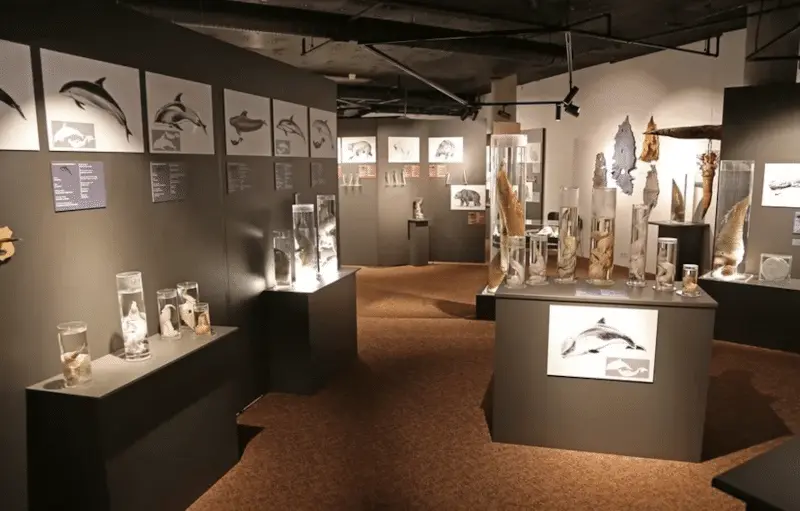
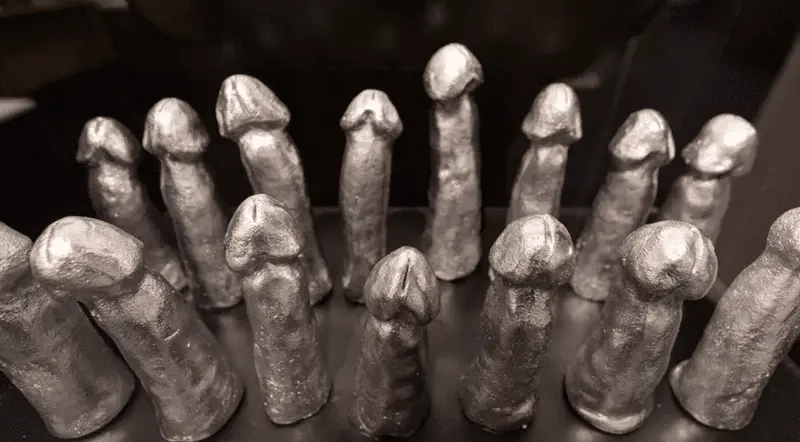
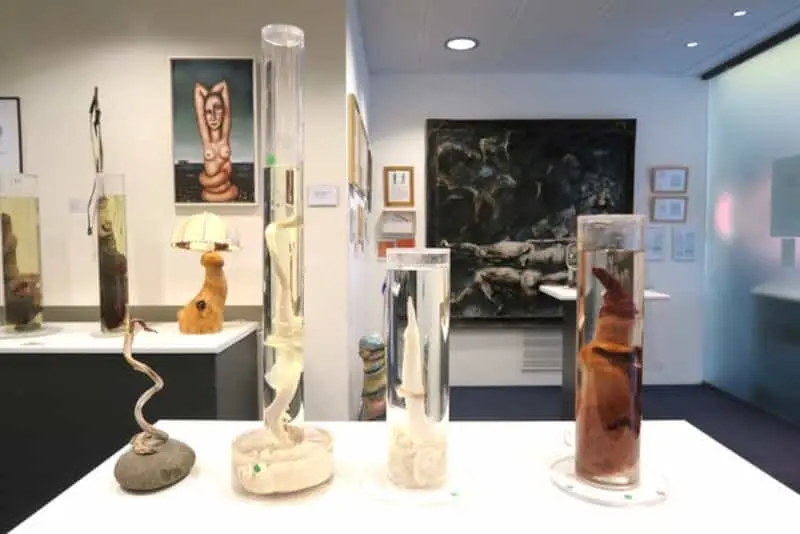
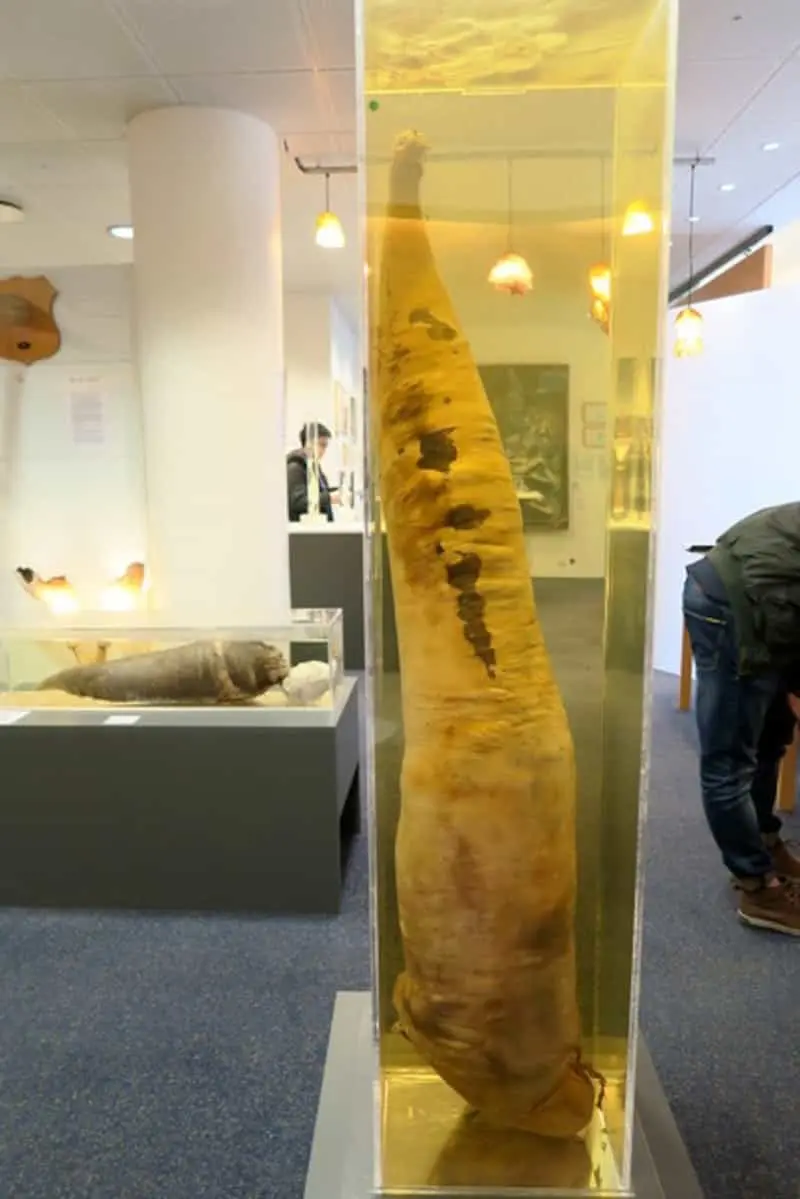
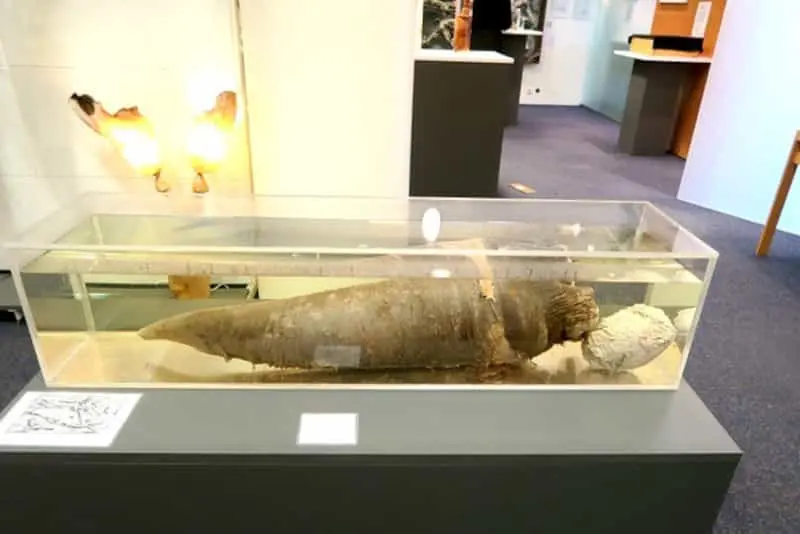
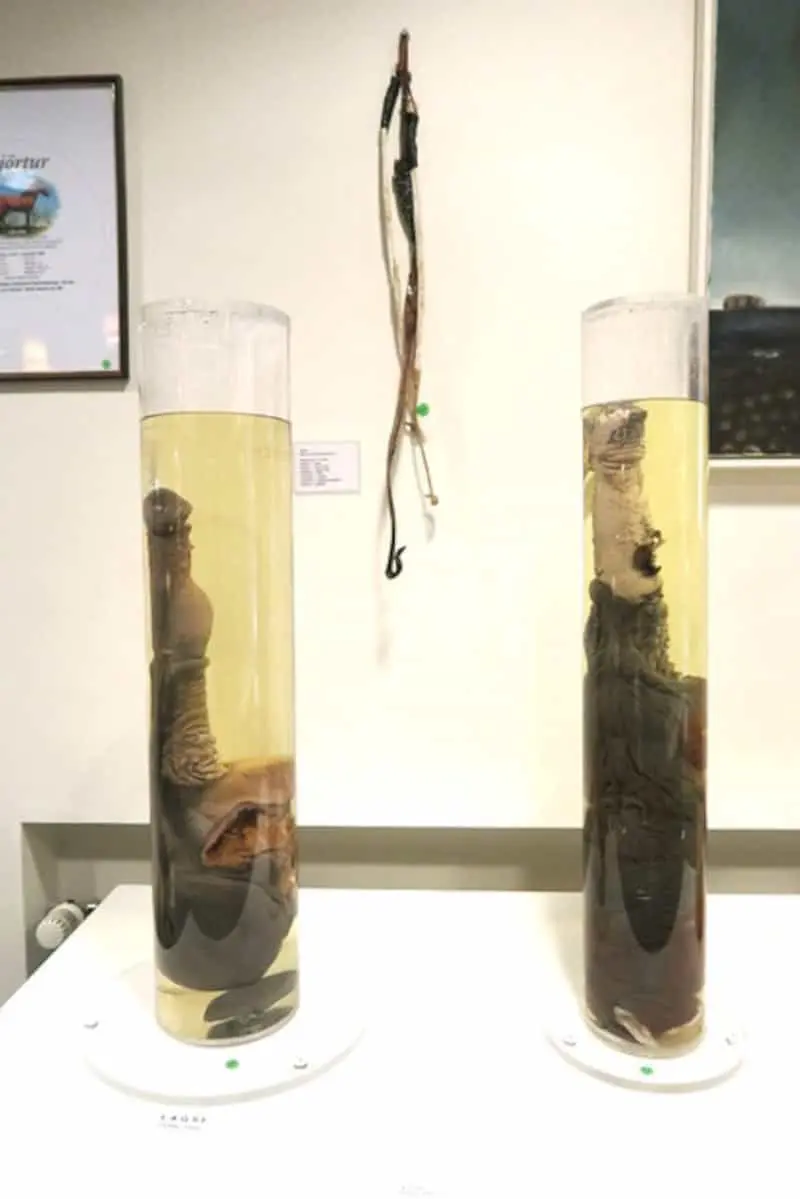
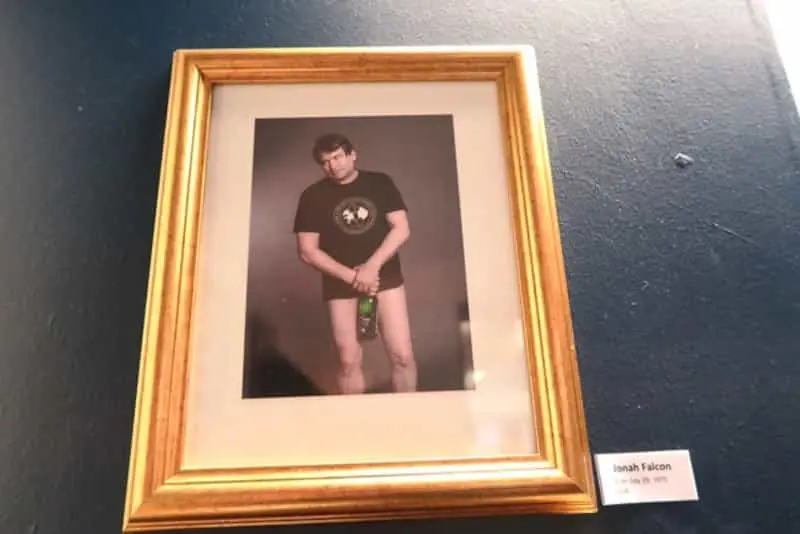
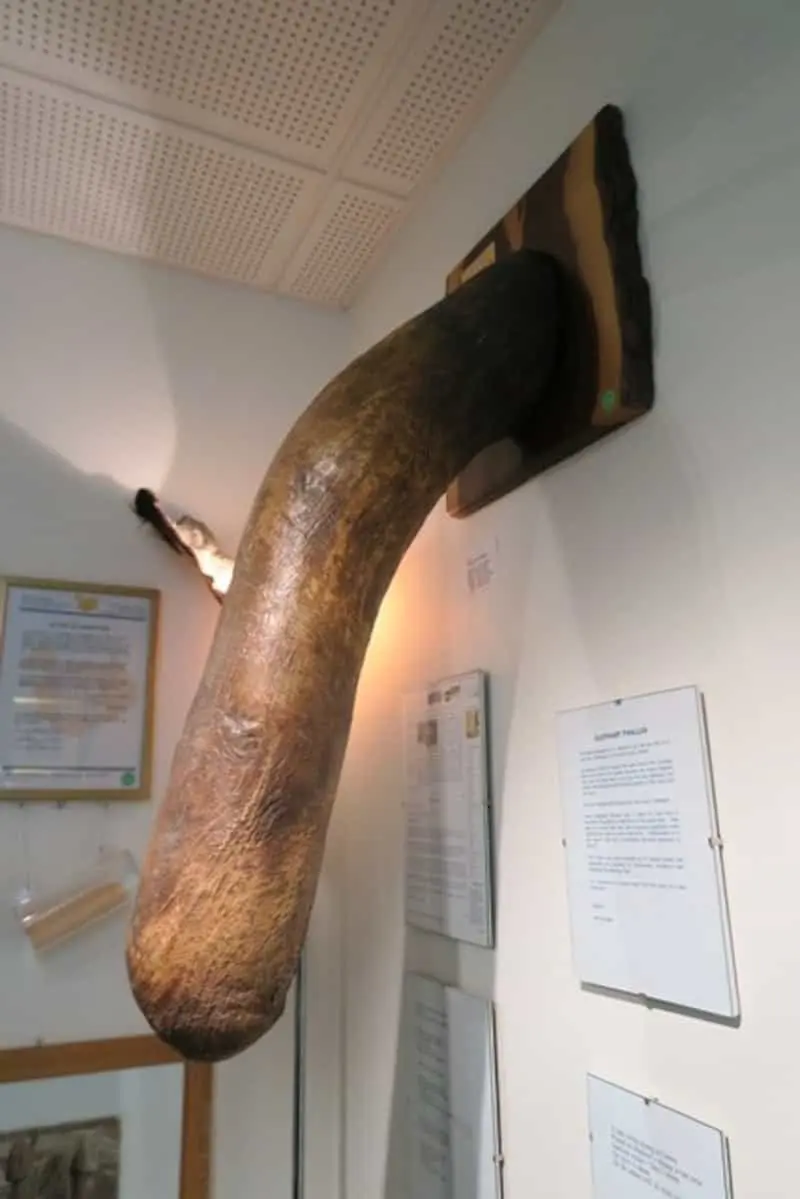
- Biological specimen areaThe core collection comprises over 300 items from 93 mammal species. The largest exhibit is the tip of a blue whale penis (170cm long, 70kg), while complete organs can reach 5m and 450kg, known as the "True Moby Dick." The smallest is a hamster bone penis (2mm, requiring a magnifying glass to view). Other exhibits include those of polar bears, seals, foxes, and mice. There are four human specimens, including a pickle-shaped specimen donated in 2011 and molds (such as those by Jimi Hendrix). All exhibits are preserved in formalin, with scientific labels indicating the species and anatomical details.
- Arts and Crafts AreaThe exhibition features approximately 350 derivative items, such as cow scrotum lampshades, phallic sculptures, paintings, and music-related art. It also includes unusual items donated from around the world, such as board games and designer pieces. These exhibits blend humor and creativity, showcasing the role of the penis in art history.
- Folklore areaThe exhibition features 22 imaginary penises from Icelandic mythology, including elves, trolls (invisible due to their legendary invisibility), mermaids, the Beach Snarl (a one-legged, one-armed, one-eyed monster), and the Wealthy Beach Rat (said to suck gold from the sea). One "Christmas Boy" penis, discovered in 1985, was donated by the former mayor of Reykjavik. These exhibits connect to Icelandic culture and add to the sense of mystery.
What to do: Activities and interactions
Museums offer more than just sightseeing; they also provide interactive experiences, giving visitors something to "play":
- Interactive exhibitsThe new museum features touchscreen displays explaining penile evolution and comparing different species. A child-friendly area (free for children under 13) introduces biology in an educational way.
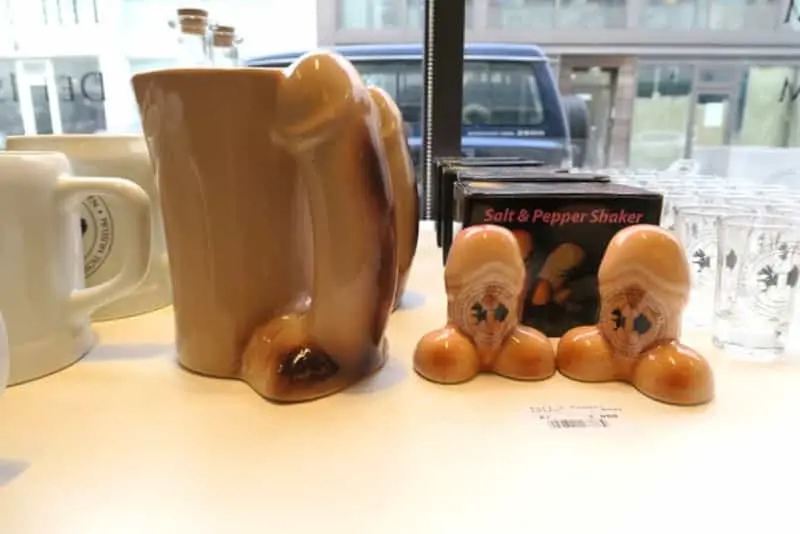
- Theme RestaurantPhallic Bistro offers phallic-shaped Belgian waffles, craft beer, and hot dogs. The menu features humor, such as the "Whale Hot Dog," and prices are reasonable (around 500-1000 ISK). Visitors can browse books about penises while they eat.
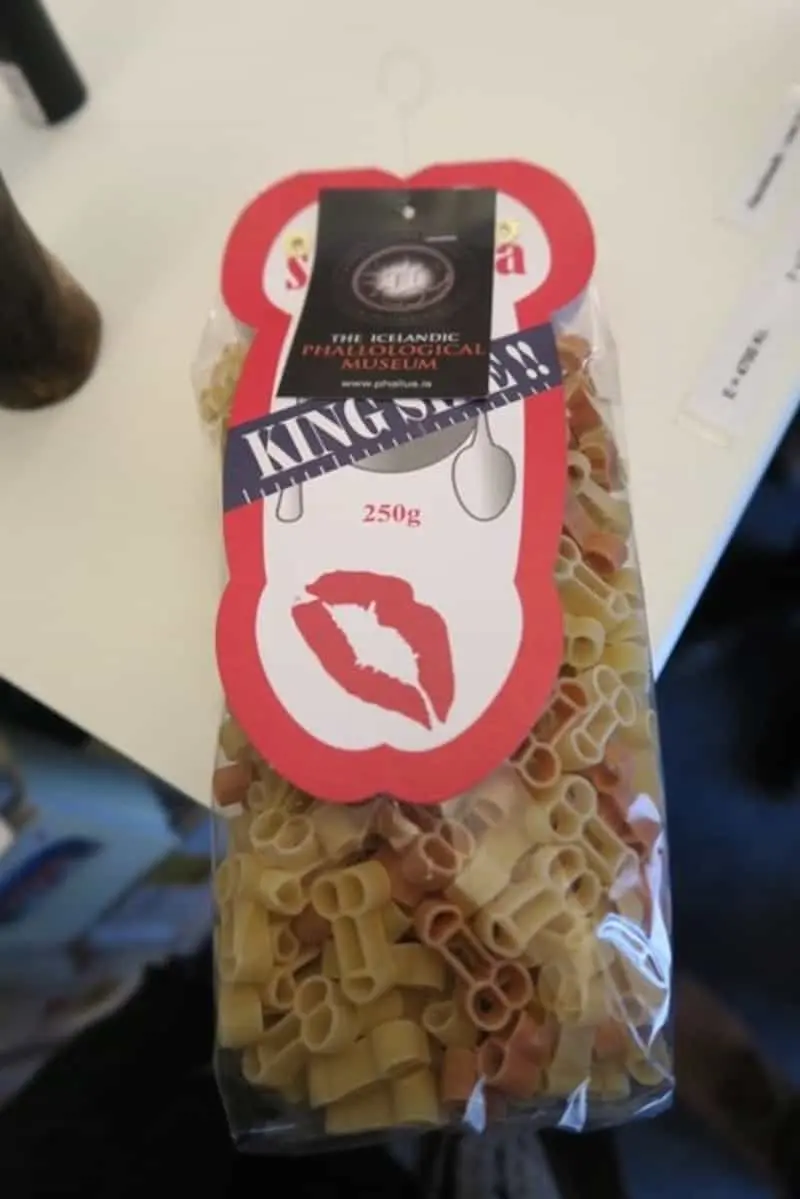
- Gift ShopSelling hundreds of souvenirs, such as keychains, T-shirts, books, and artwork. Suitable for gift purchases, prices start from 1000 ISK.
- Special EventsOccasionally, lectures (such as "The Penis in Art History"), art exhibitions, and guided tours (in English/Icelandic) are held. Past collaborations include international exhibitions, such as those related to the Kanamara Matsuri festival in Japan. Check the official website for the schedule to enhance educational value.
- biological specimensThe exhibits cover all Icelandic mammals (such as seals and polar bears) and foreign species (such as elephants and camels). The largest exhibit is the tip of a blue whale penis (170cm, 70kg), and the smallest is a hamster bone penis (2mm, requires a magnifying glass). Human specimens include a specimen donated by Pall Arason in 2011, which, although grayish-brown due to improper handling, is still of historical significance.
- Arts and CraftsThe collection includes approximately 350 derivative works, such as cow scrotum lampshades, penis-shaped sculptures, and paintings. These pieces blend humor and creativity, showcasing the role of the penis in art history.
- Folklore area: 22 imaginary penises, such as elves, trolls (invisible), beach murmuring monsters, and rich beach rats, connecting to Icelandic mythology to add a sense of mystery.
What food Phallic Café & Bistro
Located within the museum, Phallic Café & Bistro is an integral part of the visitor experience, renowned for its humorous themed menu and relaxed atmosphere. Established in 2020 to coincide with the opening of the new building, the restaurant offers phallic-shaped dishes and specialty drinks, perfectly complementing the museum's whimsical style. Below is a detailed overview of its features, menu, and visitor feedback.
- Theme DesignThe restaurant features a bright, modern style, with penis-related artwork and humorous slogans on the walls, such as "Size doesn't matter." It has approximately 30 seats, suitable for small groups or individuals.
- Menu HighlightsThe menu is inspired by the penis and incorporates local Icelandic ingredients, emphasizing fun rather than vulgarity. Prices are affordable, around 500-1500 ISK (3.5-10 USD).
- AtmosphereRelaxed and friendly, family-friendly (parents are advised to evaluate). Waiters often joke with visitors to enhance interaction.

Specialty dishes and drinks
Penis-shaped Belgian waffles
- describeCrispy waffles shaped like a penis, served with chocolate and strawberry sauce, or whipped cream and Icelandic blueberries. They're sweet but not cloying, and the visual appeal is amusing.
- priceApproximately 800 ISK (5.5 USD).
Creative Coffee and Latte Art
- describeThe barista creates latte art inspired by penises or animal specimens, such as whales or human penises. Popular drinks include lattes and cappuccinos.
- priceApproximately 600 ISK (4 USD).
Specialty craft beer
- type:
- Icelandic Penis AleA refreshing light beer with citrus flavor.
- Dick JohnsonStrong IPA, alcohol content 5.5%.
- Moby Dick Pale (Wh)AleInspired by the blue whale, it has a strong malty flavor with a salty ocean aroma.
- priceApproximately 1000 ISK (7 USD) per bottle.
- sourceSupplied by local Icelandic breweries (such as Ölgerðin Egill Skallagrímsson), the labels feature humorous designs with cartoon penises or whale patterns.
Other Foods
Whale Hot DogBased on the traditional Icelandic hot dog, it is served on a phallic bun and topped with mustard and onions.
Penis-shaped pastriesMiniature desserts, shaped like small specimens, perfect for pairing with coffee.
priceHot dogs cost approximately 700 ISK, and pastries cost approximately 400 ISK.
Tickets
- Adults: 3500 ISK
- Seniors/Disabled persons: 2500 ISK
- Children under 13: Free
- Reykjavik City Card: 20% Discount
- Tickets can be purchased online (GetYourGuide or the official website) to avoid queuing. Audio guide included.
address
Reykjastræti 4, 101 Reykjavík, Iceland.
Located in the Hafnartorg port district, close to the old port and hot dog stand Bæjarins Beztu Pylsur.
transportation
- Airport: Flybus (2000 ISK) Take a Flybus or taxi to the city center (45 minutes, approximately 2000 ISK)
- Within the city: walking, bus (Laugavegur station), bicycle
- Parking: Harpa, Kolaport, Parka/EasyPark app recommended.
- Rent a car or use Uber.
Business Hours
Open daily from 10:00 to 19:00. Open year-round, except Christmas.
During peak season (June-August), it is recommended to arrive early to avoid midday crowds.
Visitor stories and experiences
Ashley H (Florida, USA, July 2024)
Ashley H, a visitor from Florida, visited the museum in July 2024 and described it as "absolutely hilarious." She said that while the exhibits were primarily scientific with detailed explanations, the overall atmosphere was lighthearted and humorous. She specifically mentioned the quirky items in the gift shop, such as penis-shaped keychains and T-shirts, which led her to buy several souvenirs. She considered it a "must-see" attraction, and although she only spent about 40 minutes there, she was "absolutely not disappointed." Ashley's story reflects how museums use humor to attract visitors seeking a lighthearted experience.
melsam63 (USA, June 2024)
melsam63, who visited the museum with her adult children, described it as "quirky and fun." She initially hesitated due to the sensitive subject matter, but found the exhibits primarily scientific and devoid of vulgarity. She particularly enjoyed the audio guide (English only), which told the stories behind the specimens, such as the collection process of a blue whale penis. She also mentioned that the signs outside the museum amused passersby, adding to the enjoyment. She ordered a penis-shaped waffle at the café, considering it a "perfect continuation of the museum's humor." melsam63's story suggests that the museum is suitable for families (with adult children) and strikes a good balance between education and entertainment.
IreneT2215 (Singapore, June 2024)
Irene from Singapore described the museum as "quirky and intriguing." She was particularly impressed by the biodiversity of the exhibits, especially those ranging from a 2mm hamster penis to a 170cm blue whale specimen. She believes the museum not only showcases natural wonders but also offers cultural perspectives, such as the unseen elven penis from Icelandic mythology. Irene recommends visiting during inclement weather as an ideal option for indoor activities. Her review emphasizes the museum's educational value and its appeal to visitors interested in biology or culture.
Emily R (Unknown location, June 2024)
Emily R described the museum as "Wild," considering it "a must-do." She spent 30-40 minutes browsing all the exhibits, particularly intrigued by the "invisible" penises in the folklore section, finding these exhibits to add a unique touch to Icelandic culture. She noted that although the museum is small, each exhibit was meticulously displayed, leaving her with no regrets. Emily's story suggests that the museum also appeals to short-stay visitors, making it suitable for a quick trip.
KevinFromBarcelona (Iceland, June 2024)
Kevin, a resident of Reykjavik, described the museum as "fun and unexpected." He initially thought it was just a joke, but found the exhibits showcased animal diversity, such as the differences in penis size among different whale species. He particularly enjoyed the beer at the themed restaurant, calling it a "great bar experience." Kevin's story shows that even locals are surprised by the museum's scientific aspects, breaking down vulgar stereotypes.
Rachel Mackay (travel blogger, 2023)
Rachel Mackay shared her exploration of the museum on the travel website Blooloop, attempting to understand "the public's fascination with the penis." She was impressed by the scientific presentation of the exhibits, particularly the controversial stories behind the human specimens (such as Pall Arason's donation in 2011). She mentioned hearing snickers and gasps from other visitors during her visit, showing that the museum evoked a range of emotions, from embarrassment to awe. She believes the museum successfully transformed taboo topics into an educational experience, making her appreciate Iceland's open culture even more. Rachel's story highlights how museums challenge social norms.
Anonymous British tourist (2025, X platform report)
According to a post on the X platform in August 2025, a British man became famous for having the "world's largest penis" (37cm), and his penis model was exhibited in a museum. He reportedly broke his arm while showering because the "device" was too large, becoming a source of amusement. Although this story has not been officially confirmed, it demonstrates how museums can generate global discussion and increase buzz through unique exhibits. Visitors may be drawn by such rumors, seeking the stories behind the exhibits.
Visitor satisfaction (TripAdvisor 2024):
| score | Proportion | Representative comments |
|---|---|---|
| 5 stars | 50% | "Educational and fun" (Irene) |
| 4 stars | 32% | "Fast but worthwhile" (Emily) |
| 3 stars | 12% | "Interesting but small" (Anonymous) |
| 2 stars | 4% | "Not for everyone" (Anonymous) |
| 1 star | 2% | "Too weird" (Anonymous) |
| “` |
Conclusion
The Icelandic Penis Museum is a unique attraction that blends science, culture, and humor. Visitors often describe it as "strange yet educational," making it suitable for the curious.
When planning your trip, it's recommended to combine it with nearby attractions such as the Hallgrímskirkja Church, purchase tickets in advance, and enjoy audio guides and restaurants. For more information, please visit phallus.is.
Further reading:
![[有片]拜祖先會獲得保佑?](https://findgirl.org/storage/2026/01/有片拜祖先會獲得保佑?-300x225.webp)