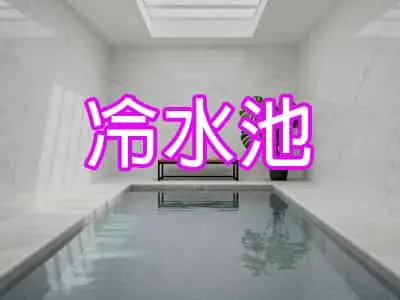
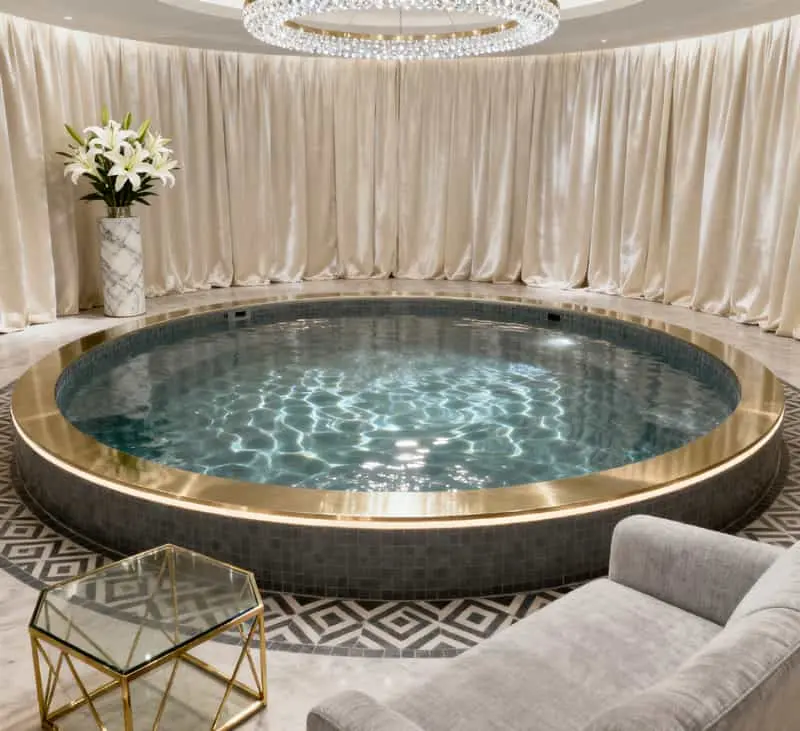
Cold Tub(Cold Plunge Pool/Cold Water Immersion) is "Ultra-low temperature immersion tankCold water pools typically refer to pools where the water temperature is significantly lower than body temperature (generally between 10°C and 15°C, or even lower). They are commonly found in saunas, spas, fitness centers, or sports training facilities for "cold exposure" or "cold immersion." This involves immersing the whole body or specific areas in the water. 1-5 minutesStimulate the bodystress response",achieve Anti-inflammatory, recovery, and energizing The effect. Commonly found in spas, gyms,saunaSports centers, and evenOlympicsPlayer training camp.
Cold Tub
Three common types of cold water tanks
type
water temperature
feature
Applicable places
Ice Bath
3~10°C
Simply add ice cubes; it's a simple home remedy.
Gym, Athlete Recovery
Cold water massage pool
10~15°C
Includes water flow massage to soothe muscles.
SPA, sauna
Professional refrigeration unit
0~5°C
Electronic temperature control, accurate to 0.1°C
Medical center, professional baseball team
Cold Tub
Seven scientific uses of cold water pools
use
principle
Effect
1. Rapid recovery after exercise
Reduce muscle inflammation and lactic acid
Soreness ↓ within 48 hours after running/weight training 30%
2. Reduces swelling and relieves pain
Vasoconstriction → Reduces swelling
Sprains, acute phase of arthritis
3. Boost immunity
Stimulates white blood cells and brown adipose tissue
Prolonged soaking reduces the chance of catching a cold. (29% - Research)
4. Fat burning metabolism
Activate thermogenesis in brown fat
Burning 100-200 calories a week can be achieved by doing this 3 times a week.
5. Antidepressant
Releases norepinephrine.
Mood boost, like drinking two cups of coffee.
6. Improve sleep
Body temperature rebounds after soaking → helps with falling asleep
Soaking in the bath at night increases deep sleep time by 20 minutes.
7. Skin firming and beautifying
Shrink pores and promote collagen production
Localized facial soaking makes skin more supple and elastic.
Cold Tub
Standard Immersion SOP (Safe Version)
step
operate
1. Preparation
Put on your swimsuit → Warm up for 5 minutes (jumping in place)
2. Entering the water
progressiveStart with the feet → calves → waist → chest (complete within 30 seconds)
3. Time
beginner 1-2 minutesAdvanced 3-5 minutes
4. Breathing
Take deep, slow breaths (4 seconds to inhale, 6 seconds to exhale) to avoid hyperventilation.
5. Water discharge
Wrap yourself in a dry towel immediately → Drink warm water → Let it cool naturally (do not use hot water).
Cold Tub
Cold water pool vs. warm water pool comparison
project
Cold water pool (3~15°C)
Warm water pool (38~42°C)
Main effects
Anti-inflammatory, recovery, and energizing
Relaxation and circulation promotion
Vascular response
Contraction → Rebound Expansion
Continued expansion
Best time
Within 30 minutes after exercise
1 hour before bed
risk
Frostbite, strain on the heart
Dehydration, dizziness
Cold Tub
How to use and precautions
How to use:
Step by step: Beginners should start with a higher water temperature (e.g., 15-16°C) and a shorter time (e.g., 1-3 minutes) to allow their bodies to gradually adapt.
Slow entry: Enter the pool slowly to avoid panicking and causing a rapid rise in blood pressure. You can start by getting used to the water in your feet and legs.
Control your breathing: You may feel short of breath when you first enter the water; this is a normal reaction. Be sure to focus on deep, slow breathing to help your body relax and adapt.
Soaking time: The recommended soaking time is generally 5-15 minutes, no need to soak for too long.
Combination of movement and stillness: You can do light activities in the pool, such as gently wading, to prevent localized excessive cold.
Important Notes (Contraindications and Warnings):
Absolute Taboo: Patients with cardiovascular disease (such as hypertension, heart disease), uncontrolled epilepsy, pregnant women, or Raynaud's syndrome should...avoiduse.
Time control: Prolonged soaking can lead to hypothermia or frostbite.
After drinking or after a meal: Avoid entering a cold water pool immediately after drinking alcohol or eating a large meal, as this may increase the burden on your cardiovascular system or cause stomach discomfort.
Listen to your body: If dizziness, palpitations, nausea, or a bluish-purple discoloration of the skin occur, you should...immediatelyLeave the pool and seek help.
Consulting profession: If you have any health concerns, please consult a doctor before trying it.
In summary, cold water therapy is a more intense and systematic method of cryotherapy, not only used for sports recovery but also considered a form of training to improve overall physical and mental health and resilience.
Understanding Spleen and Kidney Deficiency in Traditional Chinese Medicine: What is Spleen Strengthening? Why is "Spleen Strengthening" Necessary? —...


![[有片]把與生俱來的「好色」,用以點燃事業的雄心](https://findgirl.org/storage/2025/11/有片把與生俱來的「好色」,用以點燃事業的雄心-300x225.webp)






-300x225.webp)