


![[有片]拜祖先會獲得保佑?](https://findgirl.org/storage/2026/01/有片拜祖先會獲得保佑?-300x225.webp)


If someone born blind can win awards in the world's three major piano competitions, why can't you?

Table of contents
Nobuyuki Tsujii: A piano poet who illuminates the darkness with music
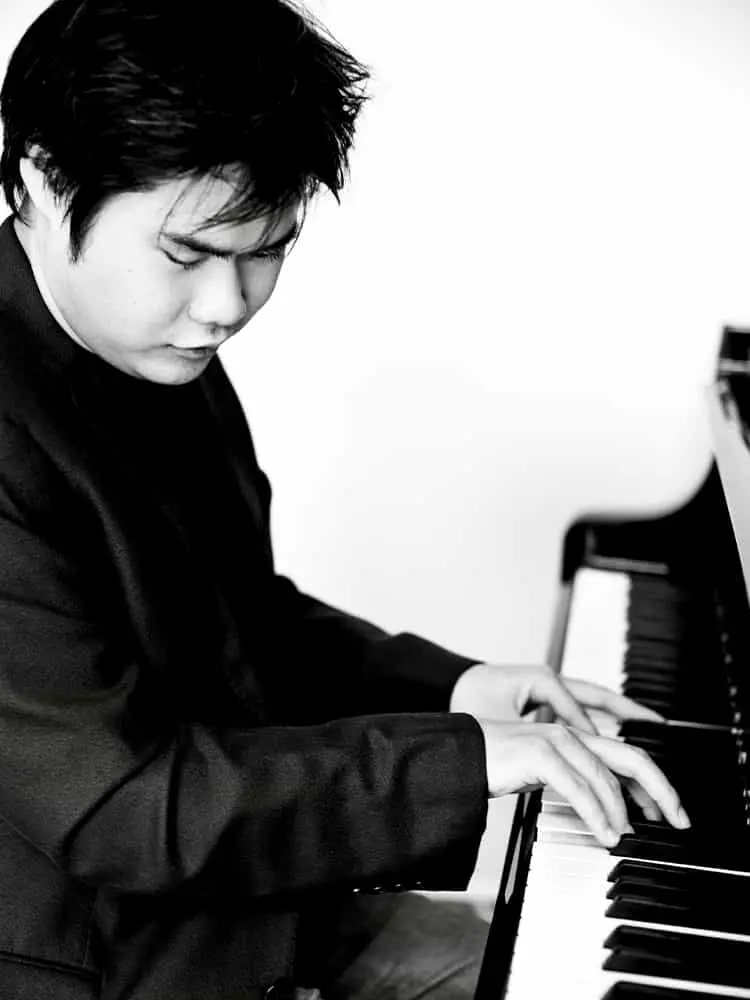
Tsujii NobuyukiNobuyuki Tsujii is a blind Japanese man.pianoThis pianist and composer is renowned worldwide for his extraordinary musical talent, delicate emotional expression in his performances, and profound understanding of music. Born completely blind, he has never seen the colors of this world, yet he uses the piano keys to tell moving stories, allowing the world to hear his voice. His music transcends not only physical limitations but also national boundaries, touching the hearts of countless listeners. The following will comprehensively introduce the story of this legendary pianist from aspects such as his background, musical enlightenment, professional achievements, creative journey, and social impact.
Early Life: Musical Sparks Illuminating the Darkness
Nobuyuki Tsujii was born in Japan on September 13, 1988TokyoHowever, his birth brought no joy, but rather plunged his family into deep shock and sorrow. Newborn Nobuyuki kept his eyes closed. At first, his mother, Itsuki Tsujii, thought he was just sleeping, but on the third day, she began to feel something was wrong. After taking him to the hospital for examination, doctors diagnosed Nobuyuki with microphthalmia, a rare eye developmental abnormality that caused him to be completely blind. This news was undoubtedly a bolt from the blue for the young mother.
During Shin-shin's early childhood, his mother often felt heartbroken because he couldn't see the beauty of the world. Every time she saw Christmas trees or vibrant scenery throughout the city, she couldn't help but shed tears, thinking, "My child will never see these beautiful sights." However, as time went on, his mother discovered that Shin-shin was exceptionally sensitive to sound, which became his bridge to the world. For example, he would cry when the vacuum cleaner was turned on, and he would feel uneasy in crowded supermarkets. At the same time, he showed an amazing sensitivity to music. When his mother played or hummed Chopin's pieces at home, the infant Shin-shin would clap his feet to the rhythm, displaying an innate musical talent.
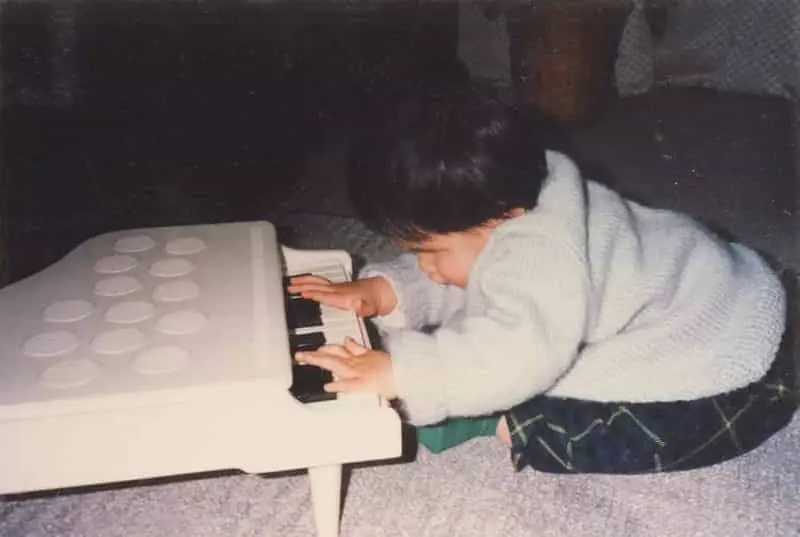
When Shin-shin was two years old, a chance encounter made his mother determined to nurture his musical potential. That day, she discovered that Shin-shin was playing "Jingle Bells," a song she had been frequently singing, on their toy piano. Even more astonishingly, he could improvise chords to accompany his mother's singing—almost unbelievable for a two-year-old. It's worth noting that many classical piano students need years of training to master harmonic accompaniment techniques. Therefore, his mother decided to buy him a real piano and hired a piano teacher for him when he was four, officially beginning his musical journey.
A unique way to learn piano: a miracle of hearing and memory
For ordinary piano students, learning new pieces usually relies on visually reading sheet music, but this was an impossible challenge for Shenxing, who was born completely blind. Initially, he tried to read Braille sheet music with one hand and play with the other, but the number of Braille sheet music was extremely limited and the production process was complex, far from meeting his learning needs. So, Shenxing, along with his teacher and family, developed a unique learning method: mastering music through hearing and memory.
Specifically, Shinsei's learning process relied on recordings. His teacher or family would record the left and right hand parts of piano pieces separately on tape. Shinsei would listen repeatedly, learning the left hand part first, then the right hand part, and then practicing with both hands together. This method requires extremely high memory and an understanding of musical structure, because the left and right hands in a piano piece often have different melodies and rhythms, and precise coordination is needed when playing together. For ordinary people, this learning method is undoubtedly extremely difficult, but Shinsei displayed astonishing talent. He could quickly memorize complex pieces and even reproduce them completely after listening to them only a few times, which amazed his teachers and family.
This auditory learning method not only enabled Shenxing to master piano techniques but also cultivated his profound perception of music. His playing style is known for its rich emotion and delicate, moving quality, which may be related to his extreme sensitivity to sound. Because he cannot rely on sight, he focuses all his attention on hearing and touch, which gives his playing a unique purity and sincerity.
The role of a mother: selfless support and guidance
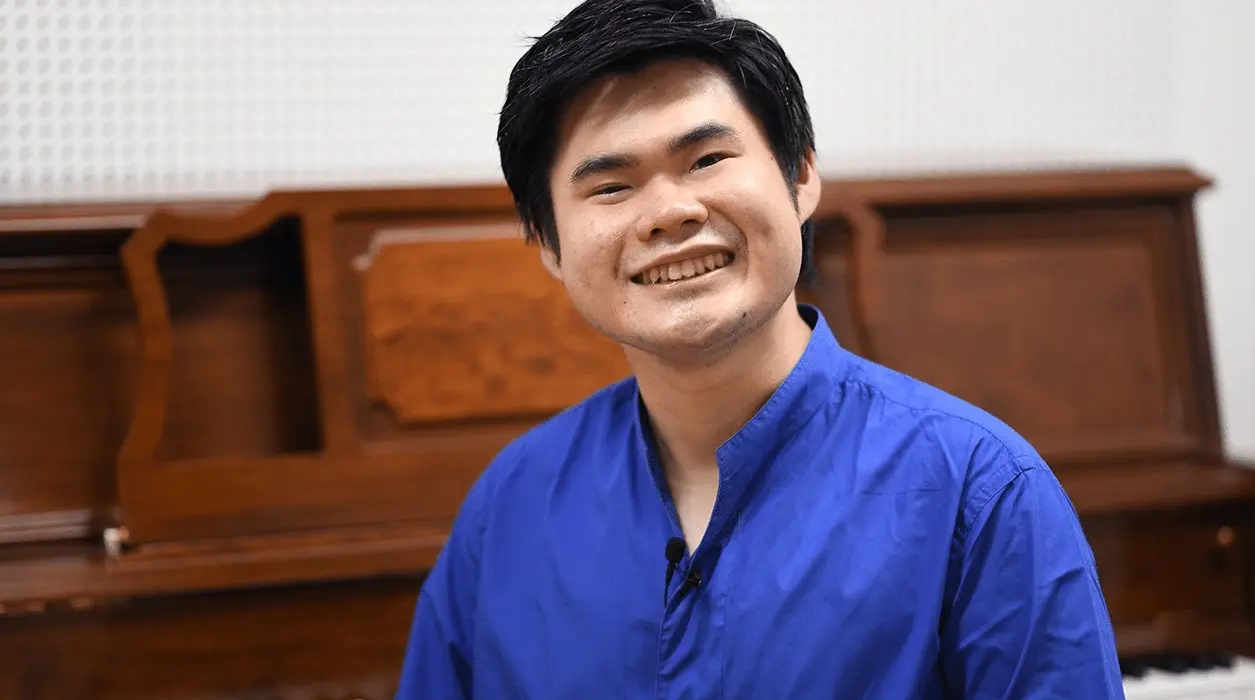
Throughout Nobuyuki Tsujii's musical journey, his mother, Itsumi, has undoubtedly been his strongest support. As a mother passionate about music, she not only discovered Nobuyuki's talent but also accompanied him through his growth with unparalleled patience and wisdom. When she realized Nobuyuki's sensitivity to sound, she consciously exposed him to a wider range of sounds. To allow Nobuyuki to experience the diversity of the world, she often took him on trips to listen to the wind in the mountains, the crashing of waves, and even the calls of swans. These sounds later became sources of inspiration for Nobuyuki's musical creations.
In a documentary, one scene is particularly memorable: Shen Xing faces a flock of swans, bowing his head as if "conversing" with them, his face beaming with a childlike smile. Although he cannot see the swans, he senses their presence through hearing and imagination. These experiences imbue his music with a deep love for nature and a profound understanding of life.
His mother not only took meticulous care of Shinxing in his daily life but also gave him boundless encouragement. When Shinxing suffered setbacks in competitions, his mother was always the first to comfort him and encourage him to keep going. After Shinxing won an international award, his mother said, "I never thought about what kind of person he would become. I only hoped that he could live happily and express himself through music." This selfless love and support allowed Shinxing to find his own light in the darkness.
Musical Achievements: From Japan to the World Stage
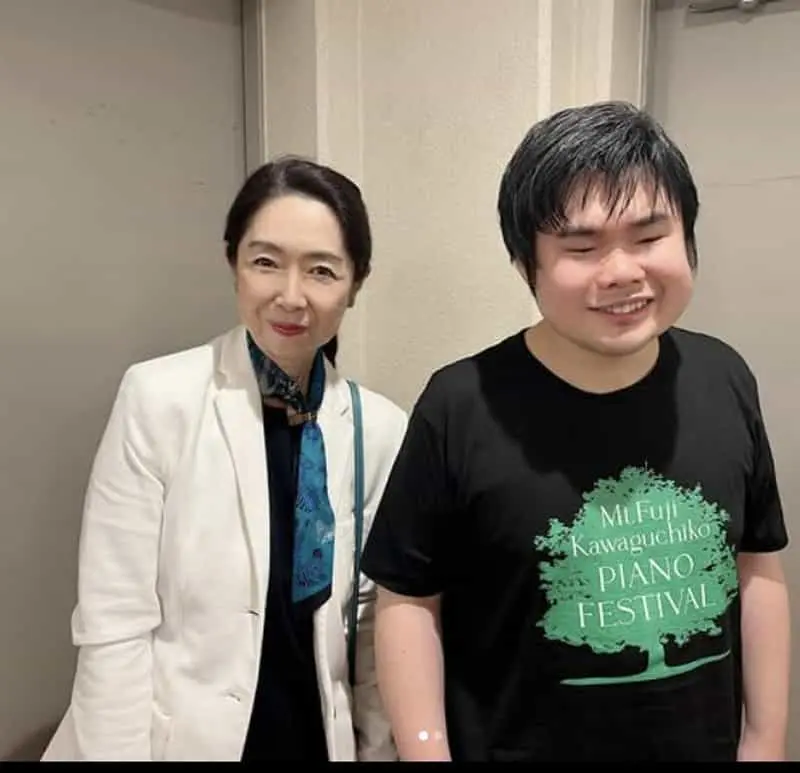
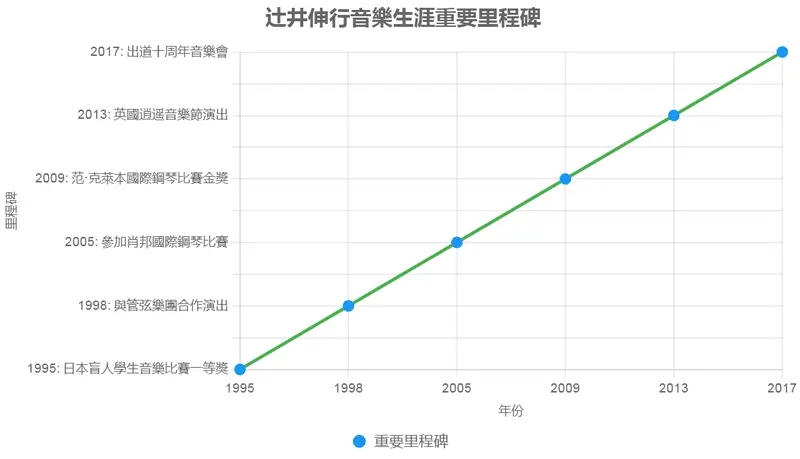
Nobuyuki Tsujii's musical career is filled with brilliant milestones. The following are his major achievements, listed chronologically:
- 1995 (age 7)After only three years of piano lessons, Nobuyuki won first prize in a Japanese music competition for blind students, demonstrating amazing potential.
- 1998 (age 10)He began performing with orchestras, becoming one of the youngest pianists in Japan at the time.
- 2005 (age 17)He represented Japan at the Warsaw Chopin International Piano Competition. Although he was eliminated in the semi-finals, this experience gave him valuable international competition experience.
- 2009 (age 21)He participated in the Van Cliburn International Piano Competition in the United States and won the gold medal alongside Chinese pianist Zhang Haochen, becoming the first Japanese pianist to win the gold medal in this competition, and the second Japanese pianist after Hiroko Nakamura to win an award in one of the world's three major piano competitions. His award-winning performance stunned the audience, and many were moved to tears. Afterwards, some questioned whether his victory was partly due to "sympathy," but anyone who has listened to his competition recordings can feel his well-deserved strength.
- 2013 (age 25)Invited to the BBC Proms, his performance received a standing ovation, and his rendition of Rachmaninoff's Piano Concerto No. 2 has garnered over ten million views on YouTube, moving countless listeners.
- 2017 (age 29)He held a concert to commemorate his 10th anniversary in the entertainment industry, which was attended by the Emperor and Empress of Japan, demonstrating his high status in Japan. In the same year, his story was included in Japanese high school English textbooks, becoming an inspirational role model for young people.
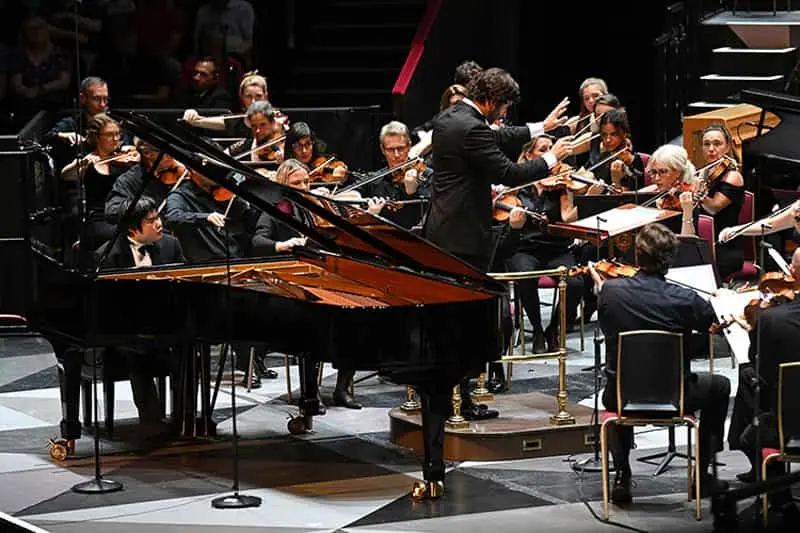
Chart: Important milestones for Nobuyuki Tsujii
Below is a chart showcasing the key milestones in Nobuyuki Tsujii's music career, presented in a timeline format:
Another side of the composer: telling stories through music
Besides being a pianist, Nobuyuki Tsujii is also a highly talented composer. His musical compositions are equally full of emotion and imagination, with many works inspired by his life experiences and perceptions of nature. Below are some of his important creative achievements:
- "Whisper of the River" (2007)This piece was composed by Nobuyuki during his high school years and was later used as competition accompaniment by Japanese figure skater Midori Ito. The piece uses a flowing melody to express the gentleness and power of a river, fully demonstrating Nobuyuki's keen sensitivity to nature.
- Film scores (since 2011)In 2011, Shin composed the score for the Japanese film *Kami-sama no Karte* (The God's Medical Record), winning the Best Original Film Score Award from the Japan Film Critics Association. In 2018, he collaborated with composer Joe Hisaishi to compose the score for the film *The Forest of Sheep and Steel*, further showcasing his creative talent.
- Memorial Song for the 311 Great East Japan Earthquake (2011)Following the 3/11 Great East Japan Earthquake, Nobuyuki composed several memorial pieces, one of which, a piano piece, became widely popular online, garnering over 20 million views and being hailed by netizens as "one of the most moving piano pieces." These works not only showcase his musical talent but also reflect his concern for society.
Challenges and Controversies: The Power of Music to Transcend Prejudice
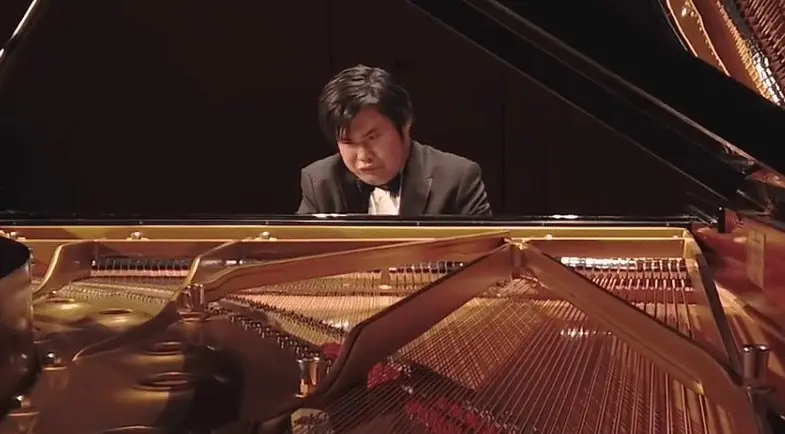
Despite Nobuyuki Tsujii's immense success, his musical journey has not been without its challenges. As a blind pianist, he frequently faces skepticism and prejudice. For example, some believe his competition scores may have been influenced by "sympathy points," or criticize his head-shaking movements during performances. However, these doubts have not shaken his confidence. His performances, imbued with genuine emotion and exquisite technique, have earned the respect of professional musicians and audiences alike.
Shenxing's head-shaking gesture is actually a common behavior among blind people, used to enhance their perception of their surroundings. His parents, especially his father, a doctor, never tried to stop this behavior because they understood it was his way of adapting to the world. Shenxing's success proves that the power of music can transcend physical limitations, allowing people to focus on his talent rather than external differences.
Social Impact: A Beacon of Hope in the Darkness
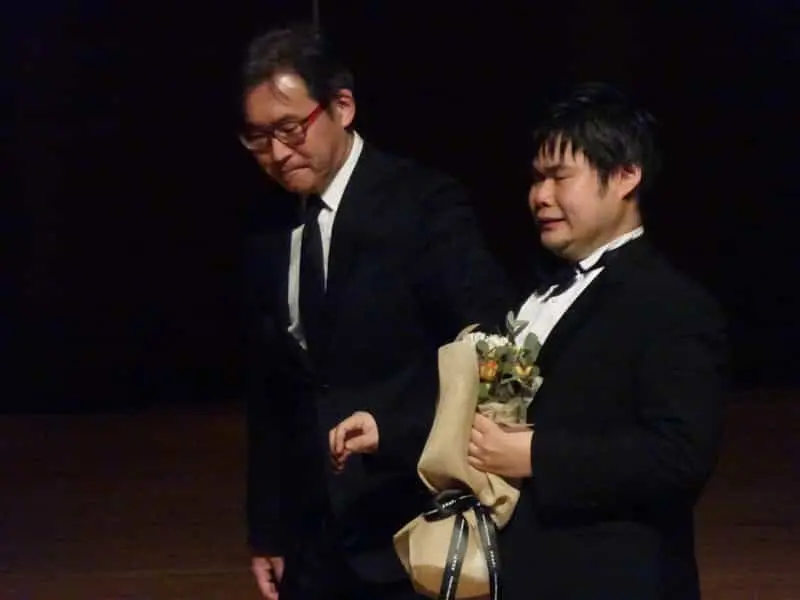
Nobuyuki Tsujii's story is not only a personal success, but also an inspiration to countless people. His music and life experience show that even in adversity, miracles can be created through hard work and passion. His story has been included in Japanese textbooks, becoming an inspirational role model for young people; his performances have moved audiences worldwide, prompting people to rethink the meaning of music and life.
In an interview, Shinsei once said, "I cannot see this world, but I hope my music can make people feel beauty." This sentence perfectly summarizes his musical philosophy. Every performance of his is like lighting a lamp in the darkness, giving the audience hope and emotion.
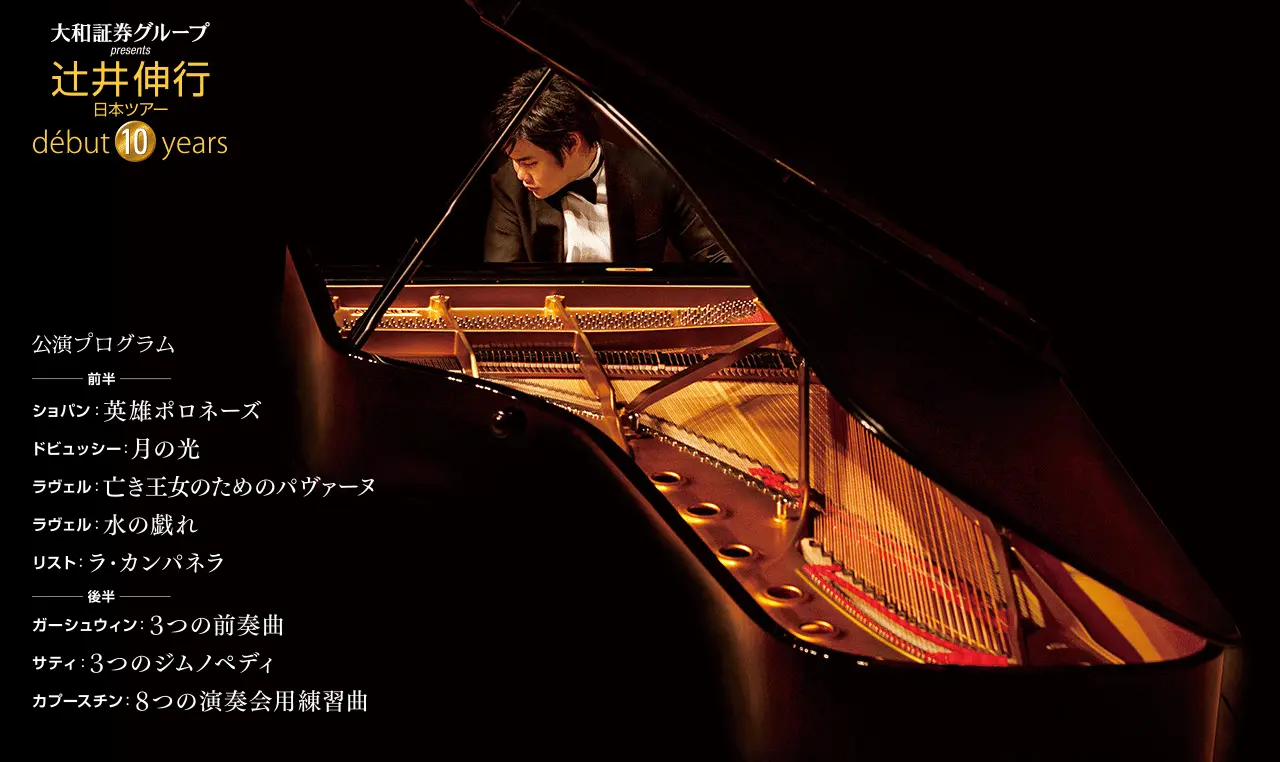
Using piano keys to write the miracle of life
Nobuyuki Tsujii, a pianist who had never seen the world before, used his music to let the world see him. His story tells us that talent, hard work, and love can overcome all difficulties. His mother, teachers, and supporters built a bridge to his dreams for him. And he gave back to the world with his piano keys, creating countless moving melodies.
From a young champion in a Japanese competition for blind students to a gold medalist at the Van Cliburn International Piano Competition, and then to a composer creating film scores, Nobuyuki Tsujii's every step has been a miracle. His music is not only an artistic presentation but also a celebration of life. In the future, we look forward to hearing more of his music, continuing to shine brightly in the darkness.
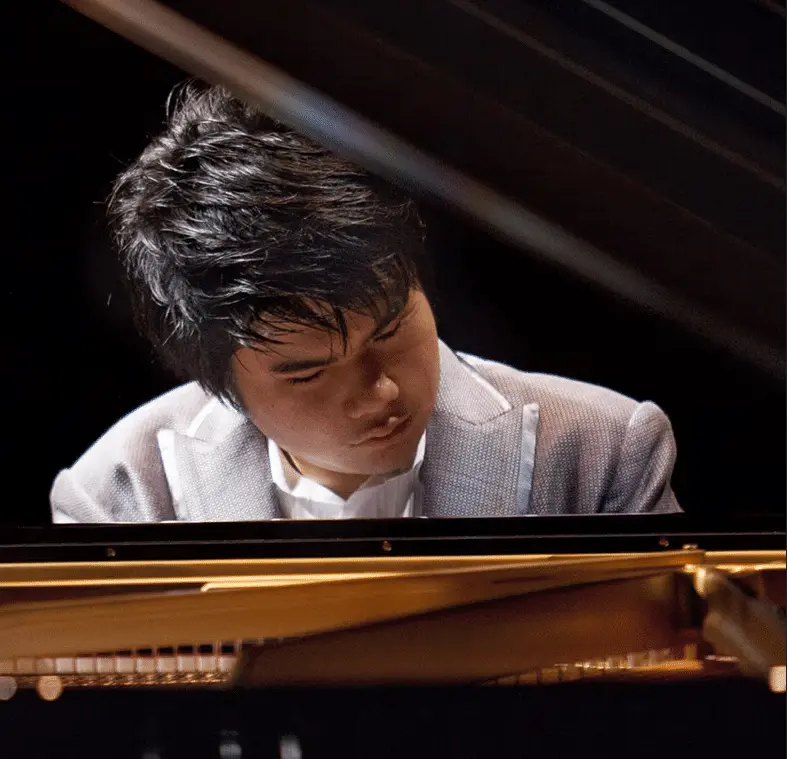
Musical Style: A Perfect Blend of Emotion and Technology
Nobuyuki Tsujii's playing style is known for its rich emotion and delicate, moving quality. His music always carries a pure sincerity, which may be closely related to his upbringing. Because he cannot rely on sight, he devotes all his perception to hearing and touch, which makes his playing pay special attention to subtle changes in timbre and the expression of emotion.
For example, when he plays Chopin's works, audiences are often moved by his delicate touch and profound interpretation of the melodies. At the 2005 International Chopin Piano Competition, although he didn't reach the finals, his performance left a deep impression on many judges and audience members. Later, when he visited the Chopin statue in Warsaw, the image of him touching the statue with both hands conveyed his reverence and resonance with the musician. He once said that after touching the Chopin statue, he felt a deeper connection to Chopin's works when playing them.
On a technical level, Shen Xing's performance is equally astonishing. He can effortlessly handle complex concertos by composers such as Rachmaninoff and Beethoven, which requires extremely high skill and an understanding of musical structure. His memory is even more amazing: he can memorize dozens of long concertos and reproduce them perfectly in performances, which is a huge challenge for any pianist.
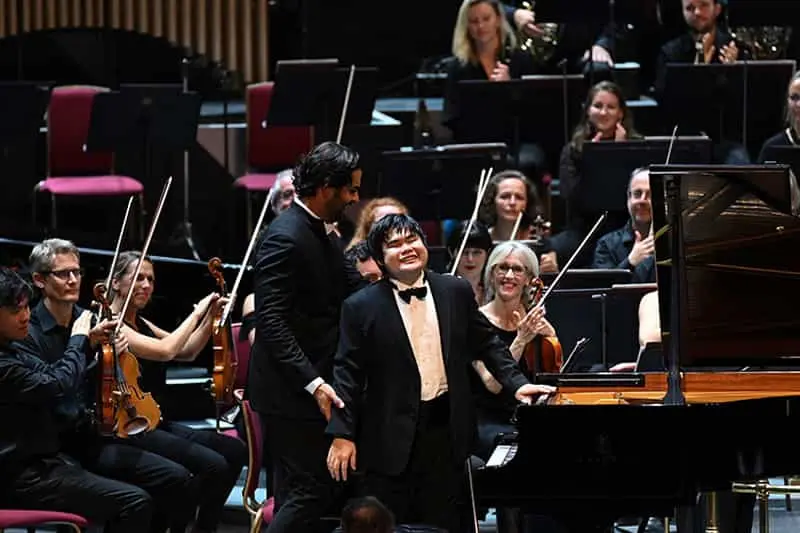
Influence on other musicians
Nobuyuki Tsujii's success has not only made him a source of pride for Japan but has also inspired many musicians, especially those with disabilities. He proved that music is a barrier-free language that can transcend physical limitations. After his story was widely reported, many blind or visually impaired musicians were encouraged to pursue their own musical dreams.
For example, Japanese figure skatersIto MidoriThe choice of Shenxing's "Whisper of the River" as the competition music was not only due to the song's beautiful melody, but also because she was deeply moved by Shenxing's story. This cross-disciplinary influence demonstrates the universal appeal of Shenxing's music.

Performance on the international stage
On the international stage, Nobuyuki Tsujii's every performance is a miracle. His 2013 performance at the BBC Proms in the UK was a classic. His rendition of Rachmaninoff's Piano Concerto No. 2 brought the entire audience to a standing ovation, with many shedding tears of emotion. After the performance, the video quickly went viral on YouTube, garnering over ten million views and flooding the comments section with praise from all over the world. One commenter wrote, "His music has changed my life."
In 2017, the Emperor and Empress of Japan made a special trip to attend his 10th anniversary concert, which not only affirmed his musical achievements but also symbolized his important position in Japanese culture. His performances have taken him to Europe, America, and Asia, including top venues such as Carnegie Hall and the Royal Albert Hall in London, where each performance has left audiences feeling the power of music.

Sources of creative inspiration
Nobuyuki Tsujii's musical inspiration largely stems from his life experiences and perceptions of nature. Although he cannot see the scenery, he can feel the beauty of the world through hearing and imagination. For example, his work "Whisper of the River" was inspired by the sound of a river he heard during his travels, and the melody incorporates the sense of flowing water and the tranquility of nature.
Following the 3/11 earthquake, his memorial compositions were also filled with reflections on life. These works resonated not only in Japan but also touched countless listeners worldwide. His music possesses a unique power, enabling people to find hope in sorrow and see light in darkness.
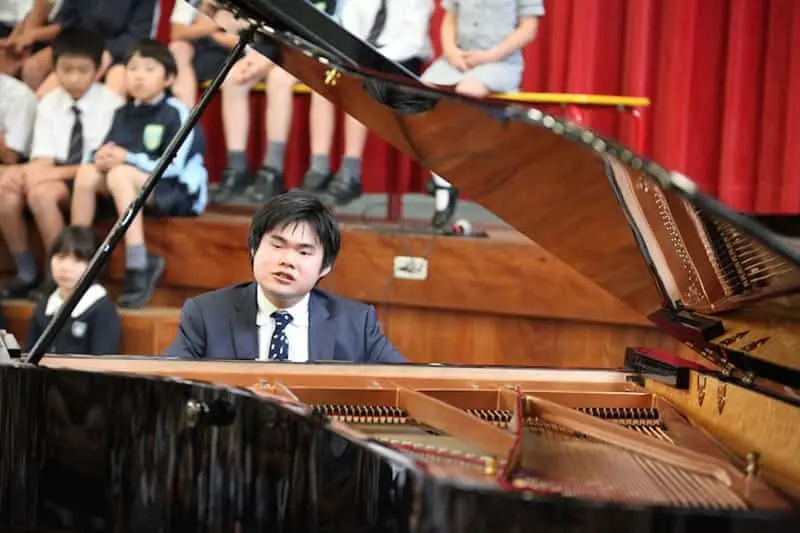
An Unending Musical Journey
Nobuyuki Tsujii's story is a legend of courage, love, and dreams. He proved through music that even in darkness, one can create their own light. His mother, teachers, and supporters paved the way for his success, and he gave back to the world with countless moving melodies.
From a baby with his eyes closed to a piano virtuoso on the international stage, every step Nobuyuki Tsujii has taken has been a miracle. His music is not only an artistic presentation but also a celebration of life. In the future, we look forward to hearing more of his music, continuing to shine brightly in the darkness.
Further reading:
![[有片]把與生俱來的「好色」,用以點燃事業的雄心](https://findgirl.org/storage/2025/11/有片把與生俱來的「好色」,用以點燃事業的雄心-300x225.webp)
![[有片]銷售的語言煉金術](https://findgirl.org/storage/2025/10/有片銷售的語言煉金術-300x225.webp)
