

![[有片]拜祖先會獲得保佑?](https://findgirl.org/storage/2026/01/有片拜祖先會獲得保佑?-300x225.webp)


uniform

Table of contents
uniform BDSM(Uniform BDSM) is BDSMA popular subgenre of (Bondage & Discipline, Dominance & Submission, Sadism & Masochism), emphasizing through... Uniform Role Play To enhance the dynamics of power and the fantasy context.
For example, police officers/prisoners, doctors/patients, teachers/students, etc., uniforms are not just clothing, but also... Symbolizing authority, submission, or taboo The props immerse participants in psychological and physiological stimulation.
This is not violence or abuse, but based on Consensus, security, rationality Adult games, commonly seen between couples or at community gatherings.

The 4 core elements of uniformed BDSM
| element | illustrate | Common examples |
|---|---|---|
| Uniform Selection | To enhance the character's identity, materials such as leather and silk are used to increase sensory stimulation. | Police uniform (Dom of authority), maid outfit (Submissive Sub) |
| Power exchange | Dom commands and Sub submits, amplifying psychological tension through uniformity. | Officers order soldiers to kneel; nurses "examine" patients. |
| Props Assistance | Combine BDSM props to enhance realism | Handcuffs (for police), stethoscope (for doctors) + whip |
| Situational script | Pre-set storylines to avoid improvisational chaos. | "Interrogation Room": Dom interrogates Sub, using borderline games and punishments. |
Six major advantages of uniformed BDSM
- Enhanced FantasyUniforms evoke taboos, turning ordinary sex into a "movie-level" role-playing scene, stimulating the release of dopamine in the brain.
- Psychological healingIt helps explore inner desires and reduce stress (such as Sub, which releases the need for control through surrender). Studies have shown that it can improve partner loyalty.
- Sensory upgradeUniform material (tight-fitting, friction-resistant) + visual impact, enhancing tactile and visual pleasure.
- Easy to get startedBeginners can start with ready-made cosplay costumes; no professional props are needed.
- Deepening relationshipPrior communication is necessary to strengthen trust and intimacy.
- Diversity: Not limited to pain, can be purely psychological (e.g., commanding Sub to wear uniform and serve).

Common Uniform BDSM Playstyles (Beginner's Guide)
| context | How to play | Required props |
|---|---|---|
| Police/Prisoner | 1. Dom, dressed in a police uniform, "arrests" Sub. 2. Binding + light tapping punishment. 3. After the game ends, the roles are reversed. | Police hat, handcuffs, fake gun |
| Doctor/Patient | 1. Sub: wear a patient's gown; Dom: "diagnose" sensitive areas. 2. Use props to "heal" (flick with a feather or stimulate with ice). 3. Integrate D/S commands. | White coat, stethoscope, blindfold |
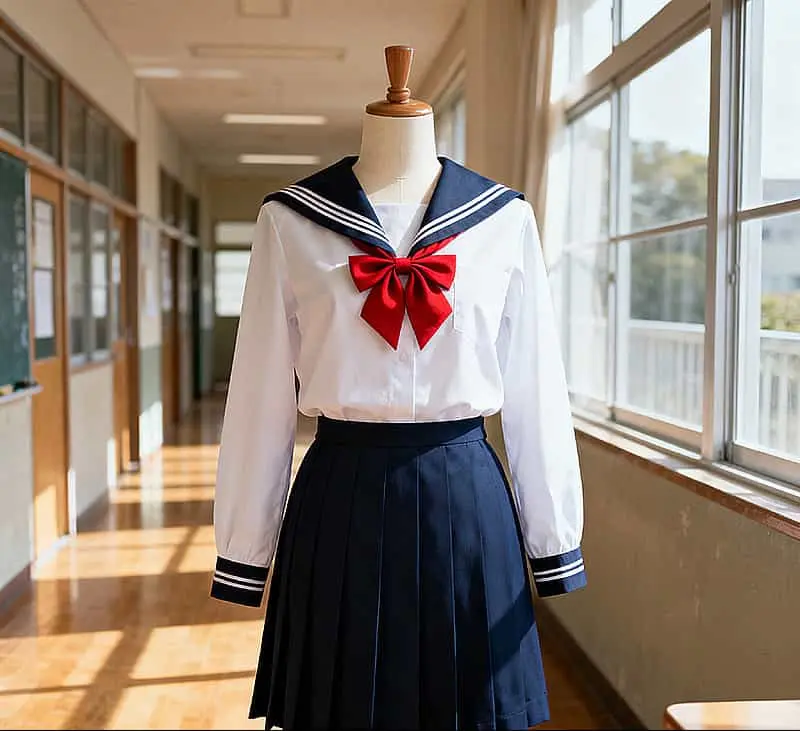
| Teacher/Student | 1. Sub wears a school uniform, Dom corrects "homework". 2. Punishment by standing or light tapping + reward (kiss). 3. Primarily driven by psychological factors. | Glasses, ruler, short skirt |
| Officers/Soldiers | 1. Military-style orders + uniform inspection. 2. Restraint + sensory deprivation (blindfolding). 3. Aftercare after the event. | military cap, belt, rope |
Gameplay TipsStart with light activities (such as pure conversation) and gradually progress to physical contact. The total duration should be 30-60 minutes to avoid overexertion.

Safety Guidelines (SSC Principles: Safety, Reason, Consensus)
BDSM is by no means something to be "just casually done," and the uniform-based approach requires even more caution. The core principle is... RACK (Risk Awareness, Informed Consent, Kinky Games) Or SSC.
| in principle | Practice | Why it is important |
|---|---|---|
| Safety | Choose uniforms made of durable materials to avoid tightness and injury. – The device is equipped with safety scissors for emergency untying. – Learn about anatomy to avoid compressing nerves. | Prevent frostbite, suffocation, or permanent damage (such as neck injuries during play). |
| Reason (Sane) | – Abstain from alcohol/medicine, stay sober. Maintain psychological stability and avoid emotional outbursts. | Ensure sound judgment and prevent psychological trauma. |
| Consensus | – Discuss boundaries (hard limits/soft limits) beforehand. – Set safety words (e.g., "red" = stop immediately; "yellow" = slow down). – Use gestures (such as clapping 3 times) when unable to speak. | Respect autonomy; consent can be withdrawn at any time. |
AftercareAfter the event, offer hugs, conversation, and hydration to provide emotional support and aid recovery.

Precautions
- Beginners should not attempt this alone.Learn from online communities.
- Health considerations:heart diseasePeople with mental illnesses should avoid it; pregnant women are prohibited from engaging in high-risk activities.
- Legal ReminderKeep a low profile in public to avoid misunderstandings.
Further reading: