


![[有片]把與生俱來的「好色」,用以點燃事業的雄心](https://findgirl.org/storage/2025/11/有片把與生俱來的「好色」,用以點燃事業的雄心-300x225.webp)


Uncover the true face of love

Table of contents
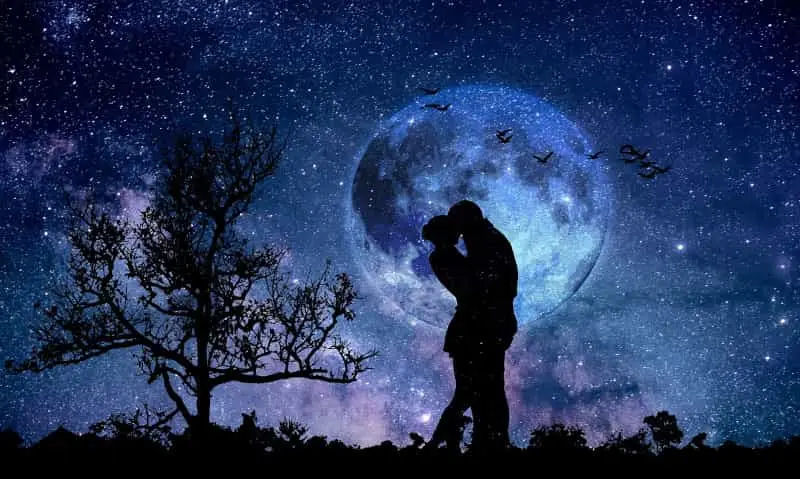
The halo and the truth of love
loveLove, since ancient times, has been praised by poets, explored by philosophers, and pursued by mortals. It is depicted as a sweet, romantic, and intoxicating emotion, seemingly the ultimate pursuit of life. However, when we peel back the glittering veneer of love, do we find that its true nature is far less pure than depicted in poetry? Is love truly, as the world believes, the source of happiness? Or is its essence dark, selfish, and painful, ultimately nothing more than a journey leading to the agony of separation?
Chapter 1: The Dark Side of Love
The appearance and the truth of love
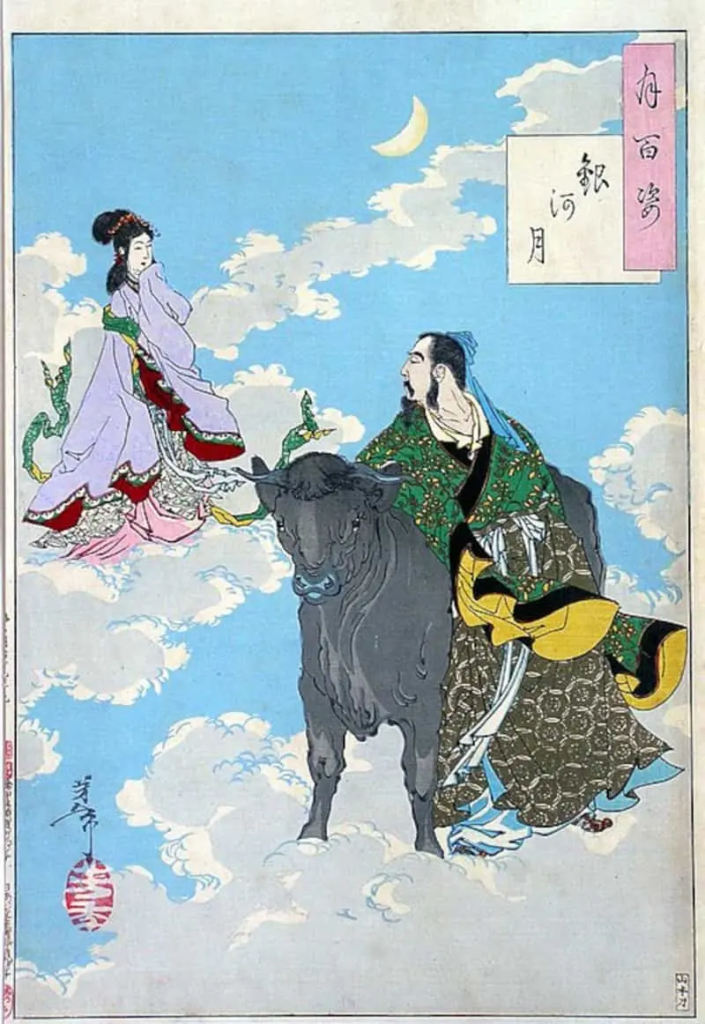
In literature and art, love is often portrayed as a pure and flawless emotion. From [the text abruptly ends here].Romeo and JulietFrom the tragic love story in "The Legend of the Cowherd and the Weaver Girl" to the poignant legend of the Cowherd and the Weaver Girl in classical Chinese literature, love always seems to be associated with beauty, sacrifice, and eternity. However, when we delve deeper into the essence of love, we discover a layer of darkness hidden behind it.
The darkness of love is first manifested in the deep-seated obsession and desire within human nature. Love originates from the two poisons of "greed" and "ignorance." Greed is the pursuit of sensual pleasure; ignorance is the lack of understanding of the truth. When a person falls in love, they are often driven by desire, yearning to possess the other person, to be loved, and to never be separated. However, this yearning itself is a form of bondage, causing one to lose rationality and fall into endless torment.
Control and Possession in Love
Love is often mistaken for selfless devotion, but in reality, it is often accompanied by a strong sense of control and possessiveness. When someone falls in love with another, they may want that person to belong entirely to them, even attempting to change the other person's thoughts, behavior, or lifestyle. This desire for control, ostensibly born of love, is actually a manifestation of egocentrism. Psychological research shows that jealousy, suspicion, and controlling behavior in love often stem from the fear of loss, and this fear is precisely the dark side of love.
For example, in real life, we often hear stories of love turning into hate. One party, unable to accept the other's departure, resorts to extreme behaviors, even violence. These behaviors are not exceptions to love, but rather extreme manifestations of its dark side. Love can blind people, cause them to lose themselves, and even plunge them into an abyss of destruction.
The Illusion of Love
Another dark side of love lies in its illusory nature. In love, people often see not the real person, but rather a projection of their own inner self. Psychologist Sigmund Freud pointed out that "idealization" in love is a common phenomenon. When we fall in love with someone, we tend to idealize them, ignore their flaws, and even imagine them as perfect. However, when reality shatters this illusion, the halo of love fades, replaced by disappointment and pain.
Self-persuasion
When problems arise in a relationship, some people repeatedly tell themselves "he still loves me" and "we can overcome it," even when evidence shows otherwise.
The shattering of this illusion is at the heart of the dark side of love. We believe love is an eternal promise, only to discover it is nothing more than fleeting.PassionWhen we believe that love can fill the void in our hearts...emptinessHowever, it brought more unease andanxietyThe darkness of love lies in its ability to make people lose themselves in illusions, preventing them from facing reality.
Chapter Two: The Selfishness of Love
Love and Egocentrism
Love is often celebrated as selfless devotion, but upon closer examination, it often conceals a selfish essence. People pursue love to satisfy their own desires: a yearning to be loved, a desire for recognition, a desire to fill an inner void. This selfishness is not malicious, but rather a part of human nature. However, it is precisely this selfishness that makes love a source of suffering.
「All suffering originates from greed; if greed is extinguished, there is nothing to rely on."Love"painThis stems from a deep attachment and clinging to the other person. When someone falls in love, they may want the other person to perfectly match their expectations, even at the cost of the other person's freedom and happiness. This selfish love is not true care, but rather a projection of one's own needs.
The exchange psychology in love
From a psychological perspective, love is often an invisible transaction.Social exchange theory(Social Exchange TheoryIt is argued that people calculate "costs" and "rewards" in close relationships. When one person invests time, money, or emotions, they expect the other person to reciprocate in kind. When these expectations are not met, love becomes a source of pain.
For example, one party might feel hurt by the other's indifference, believing their efforts have been unrewarded; the other might feel pressured by excessive demands, perceiving love as a constraint. This exchange mentality transforms love from pure to a game of calculation and expectation.
The illusion of selfish love and sacrifice
Many people believe that sacrifice in love is a sign of selflessness. However, selfish motives often lurk behind such sacrifices. For example, a person might give up their career or dreams for love, ostensibly for the sake of their partner, but in reality, it's to maintain the relationship and satisfy their own emotional needs. This kind of sacrifice is not true selflessness, but rather a form of self-gratification disguised as love.
Furthermore, when sacrifices don't yield the expected returns, the selfish side of love becomes blatantly apparent. The one who sacrifices might complain about the other's "lack of appreciation," or even transform the love into...resentmentThis is precisely a manifestation of the selfishness of love: people think they are giving for love, but unconsciously expect something in return.

Chapter Three: The Painful Nature of Love
The pain of separation from loved ones
「The pain of separation from loved onesListed as one of the eight sufferings of life, this refers to the pain of separation from loved ones. No matter how sweet the love, it cannot escape the fate of parting. This separation not only refers to physical separation (such as breaking up or death), but also includes emotional estrangement and spiritual alienation.
The pain of love lies first and foremost in its impermanence. Everything in the world is impermanent, and love is no exception. Whether it's the passion of youth or a long-lasting marriage, love will eventually face change or end. When people cling to the idea of eternal love while ignoring its impermanent nature, suffering inevitably follows.
Celebrity examples
Tang JiaandSherryA love story spanning half a century, ultimately ending in tragedy, is a profound reflection of the fickle nature of love. In July 2020, 86-year-old Tang Jia fell to her death from a high-rise apartment. Her head struck a roadside sign during the fall, resulting in her decapitation and instant death. Her head and body were separated in two locations. She remains with...pancreatic cancerThe wife, Xue Ni, fought back. This couple, hailed as a model couple in Hong Kong cinema, witnessed the truth that "separation is inevitable" in the most tragic way.


The persistence and troubles of love
The pain of love stems from the attachment to it. When a person places their happiness in love and regards their partner as their entire life, they place themselves in a dangerous situation. This is because love is uncontrollable; it is influenced by many factors such as time, environment, and personal changes. When love does not meet expectations, people feel disappointed, angry, and even desperate.
Psychological research shows that persistence in love andDependency behavior(AttachmentClosely related to this. Attachment theory posits that people develop different attachment styles in intimate relationships, such as secure, anxious, or avoidant. Anxious attachment styles often involve excessive attachment to love, fear of abandonment, and are prone to emotional distress; while avoidant attachment styles may choose to avoid intimacy due to fear, ultimately leading to relationship breakdown. Regardless of the attachment style, attachment to love will always bring some form of suffering.
The disillusionment and loss of love
The pain of love is also reflected in its disillusionment. When love transitions from the passionate phase to the mundane, many people feel lost and even doubt the authenticity of love. This sense of loss stems from people's overly high expectations of love. They hope that love will always be as passionate as the first encounter, while ignoring the ups and downs and changes in emotions.
For example, many couples experience conflicts after the initial honeymoon phase due to trivial matters or personality differences. These conflicts are not problems with love itself, but rather stem from people's misconceptions about love. They believe love should be smooth sailing, unaware that love itself is a painful trial.

Chapter Four: The End of Love – The Pain of Separation
Impermanent destiny
Without exception, the end of love points to separation. Regardless of the reason...separateBetrayal, death, or the inevitable estrangement of nature—love will ultimately come to an end. Everything in this world is impermanent, and love is no exception. When people cling to the eternity of love and try to resist the law of impermanence, their suffering only intensifies.
For example, many people find it difficult to let go after a breakup, caught up in memories of the past and fears of the future. This pain stems from their inability to accept the impermanence of love. They believe love can remain unchanged forever, unaware that change is the essence of love.
The lessons of separation
Although separation brings pain, it is also an opportunity for awakening. Through separation, people can reflect on the nature of love and recognize its impermanence and illusion. Only by letting go of attachment can one be freed from suffering. When a person can calmly accept the end of love and the inevitability of separation, he/she can break free from the shackles of love.
For example, many people learn independence and growth after experiencing heartbreak. They begin to re-examine their lives and seek inner peace and strength. This growth is a valuable lesson learned from separation.
The pain beyond love
To transcend the pain of love, the key lies in letting go of attachment to it. Buddhism advocates the concept of "no-self," believing that all suffering stems from attachment to "self." When a person no longer sees love as a source of self-worth and no longer places their happiness in the hands of others, they can be liberated from the pain of love.

Chapter Five: Redemption and Reflection on Love
What is the value of love?
Despite its darkness, selfishness, and pain, love remains an indispensable part of human life. Love allows people to feel the warmth of life, inspires creativity, and even drives personal growth. The problem lies not in love itself, but in people's misconceptions and attachments to it.
True love should be a free companionship, not possession and control. It should be a journey of mutual growth, not a painful constraint. When people approach love with the right mindset, letting go of attachments and expectations, love can become a beautiful experience, not a source of suffering.
How to face the truth about love?
To confront the truth of love, we must first acknowledge its impermanent nature. Only by accepting the ups and downs and the end of love can we gain wisdom. Secondly, we need to cultivate self-awareness, recognizing the selfishness and attachment within love, and striving to transcend these limitations. Finally, through practice and reflection, we should cultivate inner peace and compassion, allowing love to become an embellishment of life, not its entirety.

Conclusion: The True Meaning of Love
Love is both a sweet dream and a painful trial. Its true nature is neither the romance of poetry nor the eternity perceived by the world, but a profound experience of humanity, desire, and impermanence. Only when we peel back the halo of love and see its dark, selfish, and painful essence can we truly understand its meaning.

"From delusion arises love, and thus my illness begins." The pain of love stems from our ignorance and attachment. When we learn to let go and accept impermanence, love ceases to be a constraint and becomes a journey towards wisdom and liberation. Ultimately, the true meaning of love may not lie in possession, but in letting go; in experiencing, not in clinging.

Further reading:


![[有片]屋企老婆出軌徵兆](https://findgirl.org/storage/2025/10/有片屋企老婆出軌徵兆-300x225.webp)