




Cartier: A timeless legend of luxury and innovation
奢華與創新的永恆傳奇.webp)
Table of contents
Cartier's brand appeal
CartierCartier, one of the world's top luxury brands, is renowned for its exquisite craftsmanship, innovative design, and classic style. Founded in Paris in 1847, Cartier is not only a symbol of jewelry and watches but also the preferred choice of royalty, celebrities, and fashion elites. The brand name originates from its founder, Louis-François Cartier.Louis-François CartierHe transformed a small jewelry workshop into an internationally renowned empire. Cartier's history not only records the evolution of the luxury industry but also reflects the trajectory of social change, artistic trends, and technological advancements.
Brand Background and Historical Evolution
Founding and early development (1847-1900)
Cartier's origins can be traced back to mid-19th-century Paris, France. In 1847, Louis-François Cartier, then only 28 years old, took over the workshop at 29 Rue Montorui from his mentor, Adolphe Picard. This decision marked the birth of the Cartier brand. Initially, Cartier focused on jewelry making, emphasizing exquisite craftsmanship and innovative design. Louis-François quickly attracted the attention of Parisian high society with his exceptional craftsmanship, particularly Empress Eugénie, wife of Napoleon III. She first purchased a Cartier piece in 1853, which not only enhanced the brand's reputation but also initiated a long-term connection between Cartier and royalty.
In 1874, Louis-François' son, Alfred Cartier, joined the family business and further expanded it. Alfred emphasized international development and shifted the focus to the watchmaking industry. In 1899, Cartier moved to the prestigious 13 Rue de la Paix, a location that became the heart of the brand, symbolizing its transformation from a small workshop into a global luxury empire. By this time, Cartier had begun exporting products to Britain, Russia, and the United States, laying the foundation for its international presence.
The Golden Age and Global Expansion (1900-1950)
In the 20th century, Cartier was helmed by Alfred's sons—Louis, Pierre, and Jacques. These three brothers, known as the "Cartier Brothers," were responsible for the stores in Paris, New York, and London, respectively, driving the brand's global expansion. Pierre opened a store in London in 1902, followed by a foray into Fifth Avenue in New York in 1909. These expansions not only broadened the market but also exposed Cartier to different cultures, incorporating diverse design elements.
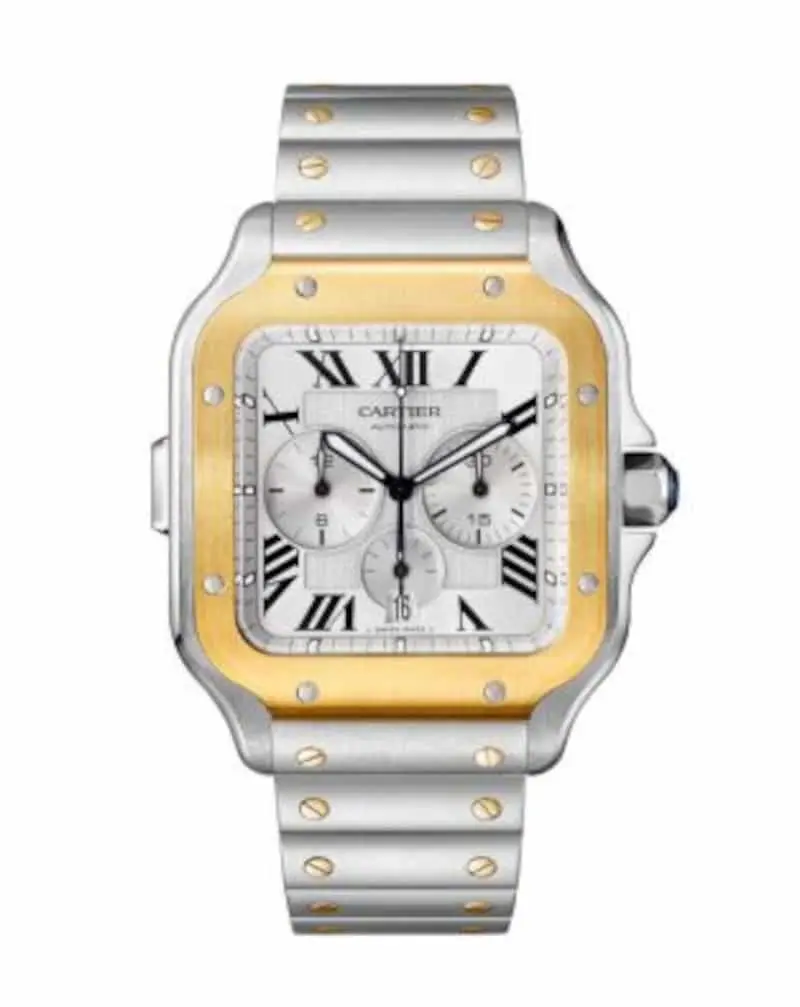
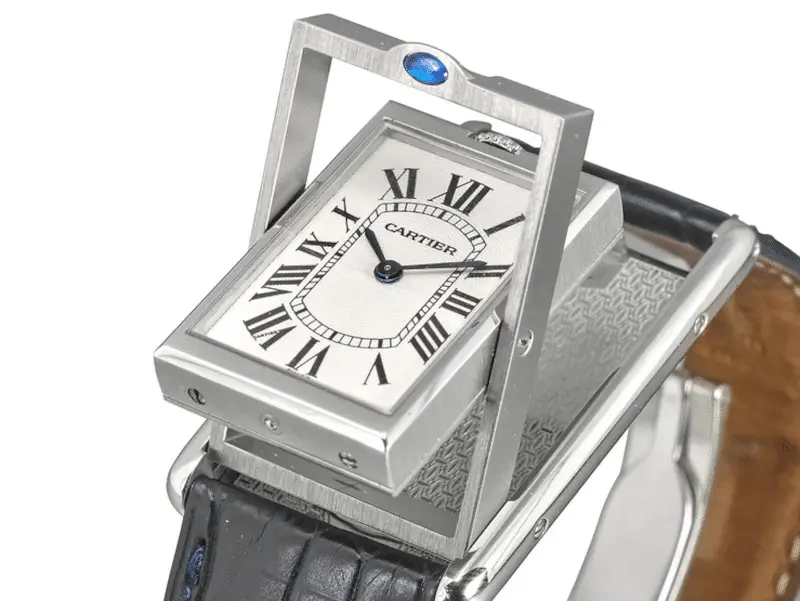
During this period, Cartier achieved numerous milestones. In 1904, Louis Cartier designed the world's first modern men's wristwatch, the Santos de Cartier, for Brazilian aviator Alberto Santos-Dumont, marking the beginning of the wristwatch's transformation from a pocket watch to a modern timepiece. In 1917, the Tank watch was launched, inspired by World War I tanks, symbolizing a combination of power and elegance. In the 1920s, Cartier introduced Mystery Clocks, whose hands appeared to float in mid-air, showcasing the brand's leading position in mechanical innovation.
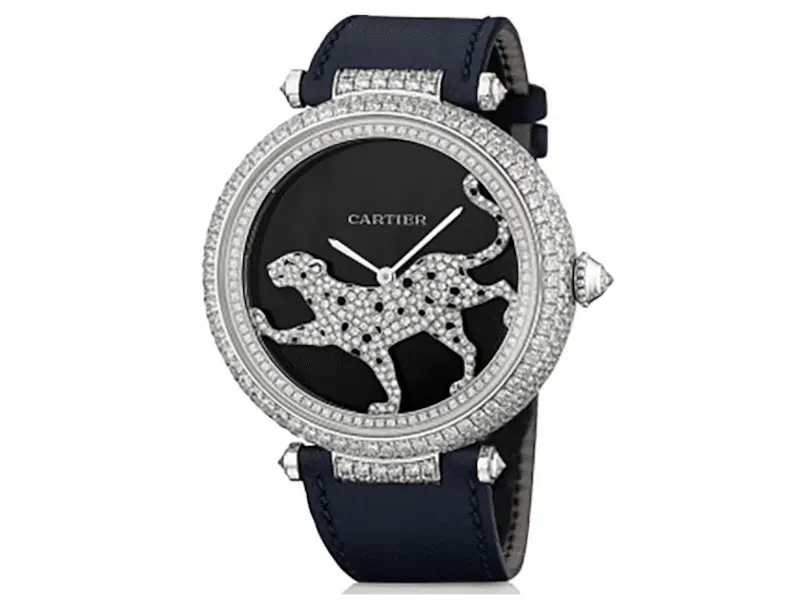
Although affected by World War II, Cartier continued to create. In the 1940s, the brand launched the Panthère collection, inspired by Louis Cartier's lover Jeanne Toussaint, who was known as "Lady Panther." This collection became Cartier's iconic motif.
Modern Transformation and Contemporary Development (1950 to Present)
After the 1950s, Cartier faced the challenges of being a family business. The three brothers passed away one after another, and the brand was sold to an investment group in the 1960s, but retained its creative autonomy. In 1972, Cartier launched the Les Must de Cartier collection, targeting a younger market and offering more accessible luxury products. This strategy successfully expanded its customer base.
In the 1980s, the brand was acquired by Richemont, entering a period of modernization. In the 1990s, Cartier revived classic collections such as Tank Américaine and Pasha. In the 21st century, the brand focused on sustainability and digitalization, launching the solar-powered Tank Must collection and actively participating in environmental projects. In the 2020s, Cartier continued to innovate, with collections like Les Rééditions revisiting historical classics.
Cartier's history is not just a story of commercial success, but also a fusion of art and craftsmanship. From its origins in Parisian alleyways to its global reach, it has influenced countless designers and brands.
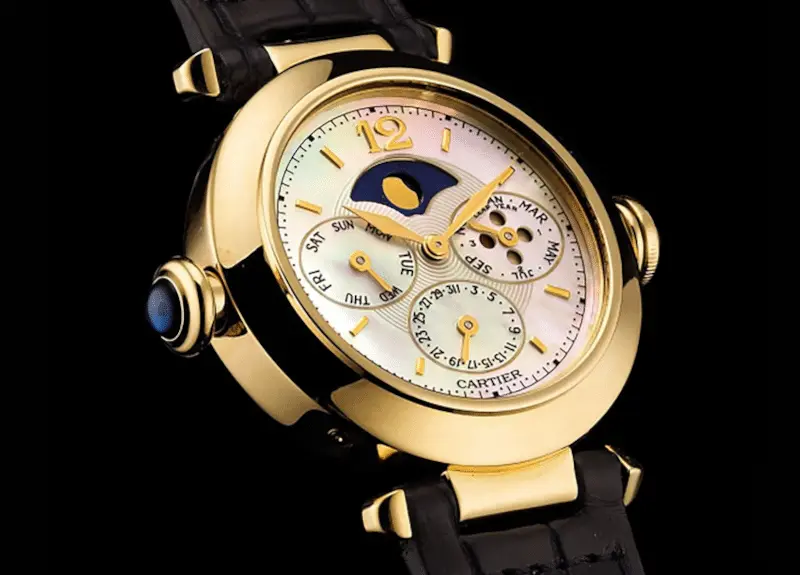
Important milestone timeline chart
| years | milestone event | Impact and Significance |
|---|---|---|
| 1847 | Louis-François Cartier founded the brand at 29 Rue Montoril in Paris. | Laying the foundation for jewelry craftsmanship and embarking on a journey of luxury. |
| 1853 | Queen Eugénie made her first purchase of a Cartier piece. | Attracting royal favor and enhancing brand reputation. |
| 1899 | The company has relocated to No. 13 Heping Road. | Becoming a luxury hub in Paris symbolizes a brand upgrade. |
| 1904 | Introducing the Santos watch, designed for aviator Santos-Dumont. | The first modern men's wristwatch, revolutionizing the watch industry. |
| 1911 | Santos watches are now available for public sale. | The popularization of wristwatches has influenced the fashion industry. |
| 1917 | The Tank watch, inspired by a tank, has been launched. | It has become a classic design, symbolizing power and elegance. |
| 1920s | Introducing the Mystery Clock series. | Showcasing mechanical innovations influences artistic and decorative styles. |
| 1925 | Participated in the Paris International Exhibition of Modern Decorative Arts. | Embrace the Art Deco trend and expand your influence. |
| 1940s | The Panthère collection was born, inspired by the leopard totem. | It became the brand's logo, symbolizing both wildness and elegance. |
| 1969 | The Love bracelet, designed by Aldo Cipullo, has been launched. | Symbolizing love and loyalty, it has become a cultural icon. |
| 1972 | The Les Must de Cartier collection has been released. | Expand the customer base by targeting the younger market. |
| 1983 | Pasha watch launched. | Waterproof design influences the sporty luxury style. |
| 2007 | The Ballon Bleu series has been launched. | Its rounded design has become a modern classic. |
| 2021 | Introducing the solar-powered Tank Must watch. | Focus on sustainable development and innovate environmental protection technologies. |
Technical Features and Innovations
Cartier is renowned not only for its aesthetics but also for its pioneering technological innovation. The brand blends jewelry craftsmanship with watchmaking mechanics to create unique pieces. The following analysis examines its characteristics from both the watchmaking and jewelry perspectives.
Watchmaking technology innovation
Cartier's watchmaking innovations began in the era of pocket watches, but its truly revolutionary contribution came with the popularization of wristwatches. The Santos, released in 1904, was not only the first pilot's wristwatch but also introduced platinum and leather straps, emphasizing both practicality and aesthetics. In the 1910s, the Tank series adopted a square dial, deviating from the traditional round design, yet it became a classic.
The mystery clocks of the 1920s represented the pinnacle of technology: the hands floated through hidden gears, moving as if by magic. Inspired by magician Jean-Eugène Robert-Houdin, Cartier applied this technique to timepieces, creating the visual effect of "floating time." Modern extensions include mystery movements (such as the Rotonde de Cartier Mysterious Hours), combining openwork and gem-setting.
In the 1980s, the Pasha series introduced waterproof technology, reaching depths of up to 100 meters, making it suitable for sports enthusiasts. In the 2000s, the brand developed highly complex functions such as tourbillons and perpetual calendars. Recent innovations include solar power: the Tank Must series uses photovoltaic cells that absorb sunlight through Roman numeral openings, extending battery life to up to 16 years. This is not only environmentally friendly but also maintains a classic look.
Cartier's watchmaking workshops are located in La Chaux-de-Fonds, Switzerland, employing over 200 artisans who emphasize hand assembly. The brand holds the Geneva Seal (Poinçon de Genève), guaranteeing the quality of its movements. Innovation is also reflected in its materials: the use of ceramic, titanium, and ADLC coating enhances durability.
Jewelry technology features
In the world of jewelry, Cartier is renowned for its "open setting" and "invisible setting." In the 1900s, the brand pioneered the use of platinum instead of silver; platinum's strength and durability allowed for more delicate designs, such as lace-like jewelry.
The Tutti Frutti collection (1920s) blends Eastern style with the use of colored gemstones (such as rubies, sapphires, and emeralds) to carve leaves and flowers, creating a three-dimensional effect. This technique requires precise cutting, showcasing Cartier's gem-making craftsmanship. The Panthère collection uses enamel and diamonds to simulate leopard prints, with leopard eyes often set with emeralds, resulting in lifelike images.
The Love bracelet, introduced in 1969, featured a screw design that required a special screwdriver to open, symbolizing eternal love. This was not only a design innovation but also involved precision engineering. In modern times, the brand has introduced magnetic connection technology, such as the Écrou de Cartier, which uses a nut shape for easy wearing.
Cartier prioritizes sustainability: using recycled metals and ethically sourced gemstones to reduce its environmental impact. Innovation also includes 3D-printed prototypes to accelerate design iteration.
These technologies not only enhance product value but also impact the entire industry, with many brands emulating mystery movements and open-set designs.
Representative works and classic series
Cartier's iconic creations encompass watches and jewelry, with most collections remaining timeless classics. The following sections introduce the main collections, presented in charts.
Representative series of watches
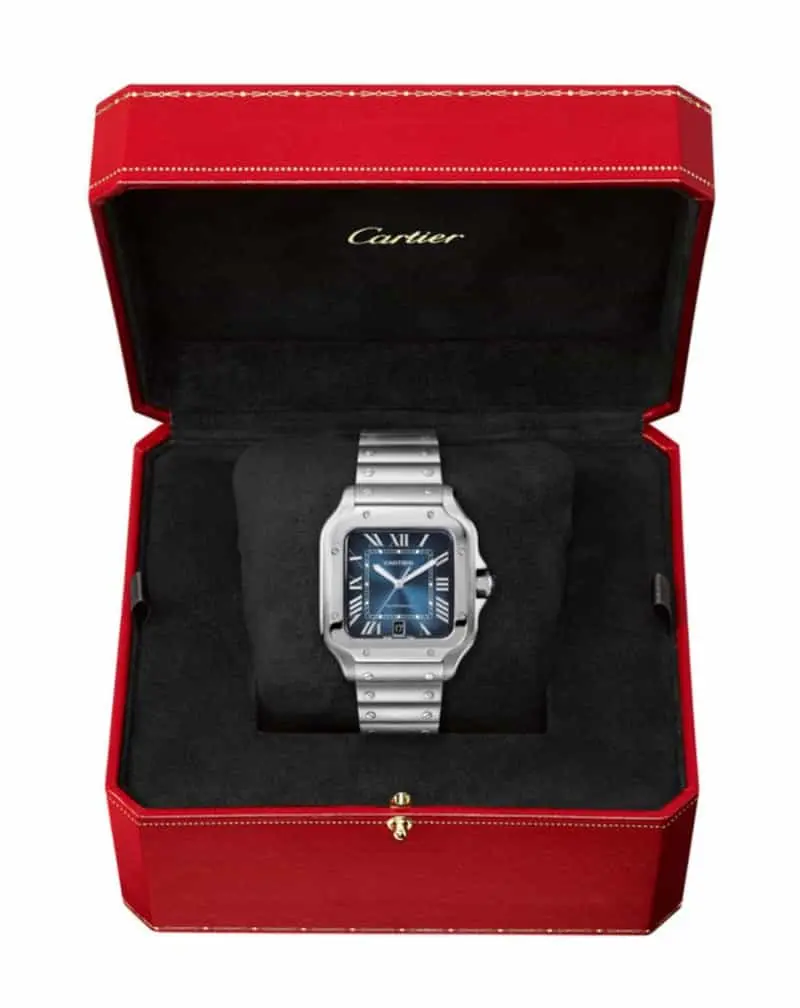
- Santos de CartierBorn in 1904, it was the first pilot's wristwatch. Its square dial and screw decorations symbolize the spirit of adventure. Modern versions feature an automatic movement and interchangeable straps.
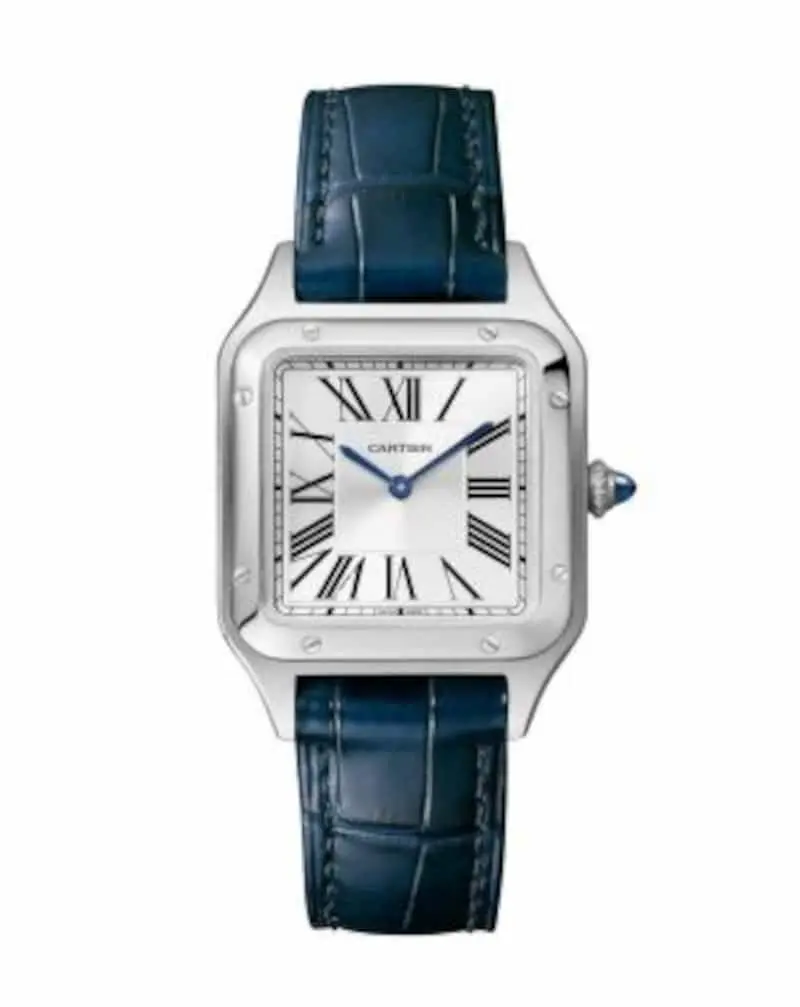
- TankLaunched in 1917, it has many variations such as Tank Louis and Tank Américaine. With its square design and blued steel hands, it was favored by celebrities such as Andy Warhol.
- Ballon BleuLaunched in 2007, it features a round case, sapphire crown, and soft lines suitable for both men and women.
- PashaBorn in 1985, featuring a waterproof design, Arabic numerals, and inspired by the Moroccan Pasha.
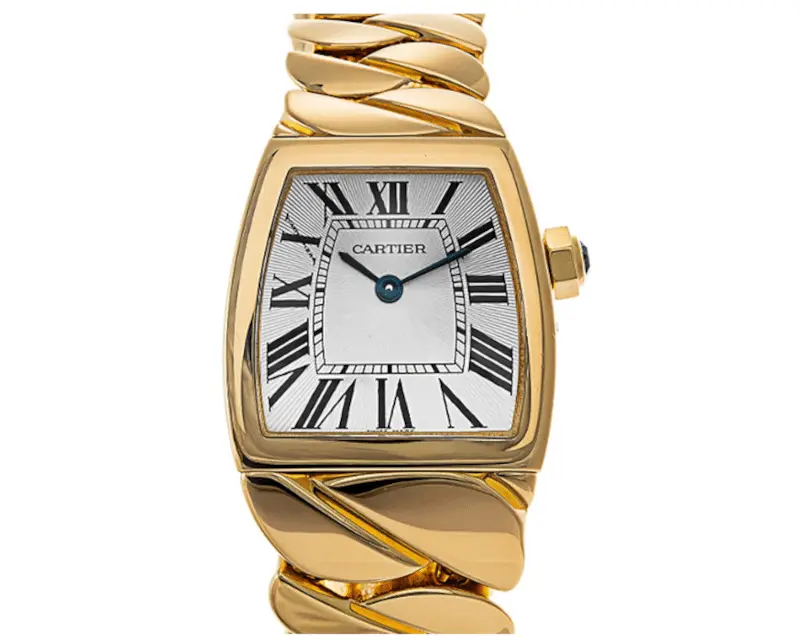
- PanthèreLaunched in 1983, featuring a leopard-shaped chain link, exuding wild elegance.
- Baignoire: Created in 1958, oval-shaped like a bathtub, with a retro style.
Jewelry Representative Series
- Love: In 1969, a screw bracelet was created, symbolizing loyalty. Variations include necklaces and earrings.
- Juste un Clou: 1970s, nail-shaped, industrial style.
- TrinityIn 1924, the tricolor gold ring represented love, loyalty, and friendship.
- PanthèreJewelry featuring leopard motifs, such as the Duchess of Windsor's leopard bracelet.
Classic series charts
| Series Name | Release Time | Main features and representative works |
|---|---|---|
| Santos de Cartier | 1904 | Square dial, screw design; representative work: Santos-Dumont watch. |
| Tank | 1917 | Square shape, Roman numerals; representative works: Tank Solo, Tank Française. |
| Love | 1969 | Screw bracelet; Representative work: Love Bracelet. |
| Panthère | 1940s | Leopard motif; masterpiece: Panthère de Cartier necklace. |
| Pasha | 1985 | Round and waterproof; representative work: Pasha Grid. |
| Ballon Bleu | 2007 | Sapphire crown; masterpiece: Ballon Bleu de Cartier. |
| Trinity | 1924 | Trinity Ring; Representative work: Trinity Ring. |
| Juste un Clou | 1971 | Nail-shaped; Representative work: Juste un Clou Necklace. |
These collections are not just products, but also cultural symbols, often seen in movies and on red carpets.
Market influence and cultural impact
Cartier's market influence stems from its positioning: luxury yet approachable. The brand has a market capitalization exceeding €10 billion and more than 200 boutiques worldwide. Its performance in the Asian market is particularly strong, with a high proportion of sales in China.
Celebrity endorsements and cultural influence
Cartier excels at celebrity collaborations, having served Edward VII of Great Britain (who was crowned in 1902) and the Tsar of Russia in its early years. Modern ambassadors include the Duchess of Windsor (with her panther bracelet), Elizabeth Taylor, and Grace Kelly. Contemporary ambassadors such as Jisoo of Blackpink and Hyunjin of Stray Kids expand its reach to younger audiences.
These endorsements boost sales; for example, the Love collection became a hit after being worn by celebrities. Cartier also sponsors films, such as the Heart of the Ocean necklace, which was inspired by the brand.
Global Impact and Challenges
Cartier has influenced fashion trends, such as the Art Deco style. In the digital age, the brand has launched online shopping and AR virtual try-on. Challenges include counterfeit goods and economic fluctuations, but it maintains its leading position through innovation.
Market research shows that celebrity endorsements can boost sales of the 4%. Cartier's strategy includes limited editions and sustainable products to solidify its position.
Cartier's Eternal Legacy
From a small workshop in 1847, Cartier has grown into a global symbol of luxury. Its history, innovation, and collections have not only defined the brand but also shaped the industry. Through timelines and charts, we can see its clear development trajectory. In the future, Cartier will continue to blend tradition and modernity, influencing even more generations.