





Nepal anti-corruption protests: Prime Minister flees abroad, former PM's wife burned to death
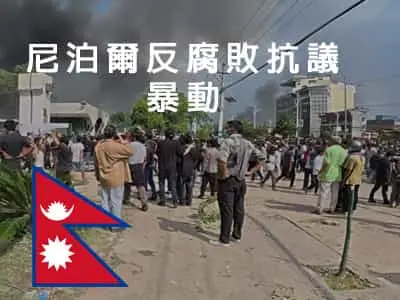
Table of contents
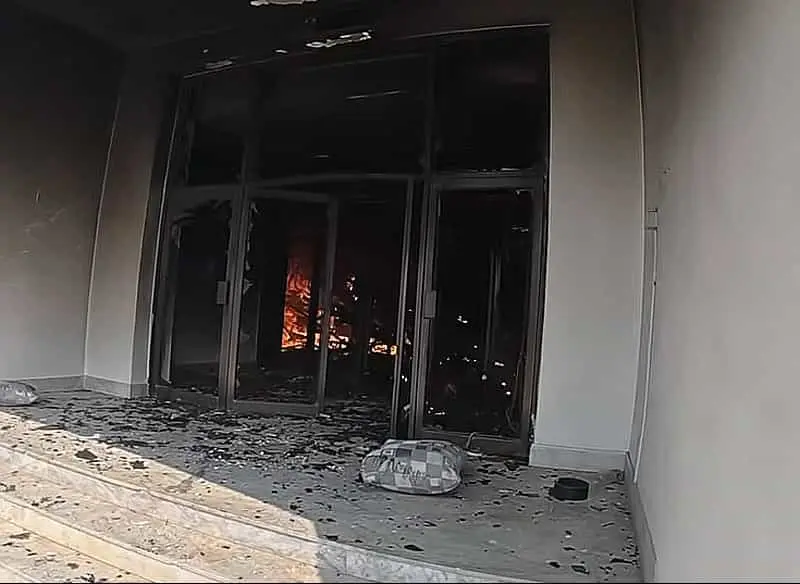
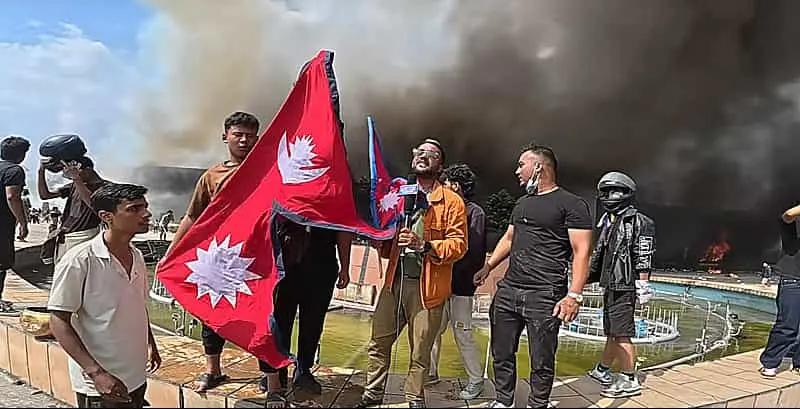
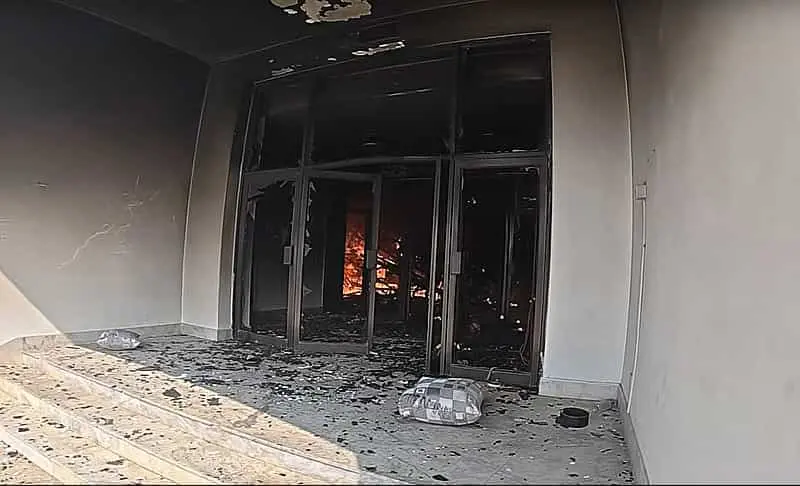
September 2025,NepalcapitalKathmanduSmoke filled the streets as flames engulfed the parliament building, a symbol of national power.
The forced resignation of Prime Minister KP Sharma Oli amid a wave of protests marks one of the worst youth movements in Nepalese history. What began as social media complaints about the lavish lifestyles of politicians' children quickly escalated into a nationwide anti-corruption protest, resulting in at least 30 deaths and over a thousand injuries. Led by Generation Z (young people aged 13 to 28), the movement not only challenges a corrupt elite but also exposes Nepal's long-standing economic inequalities, youth unemployment crisis, and digital disconnect.
From peaceful demonstrations to out-of-control violence
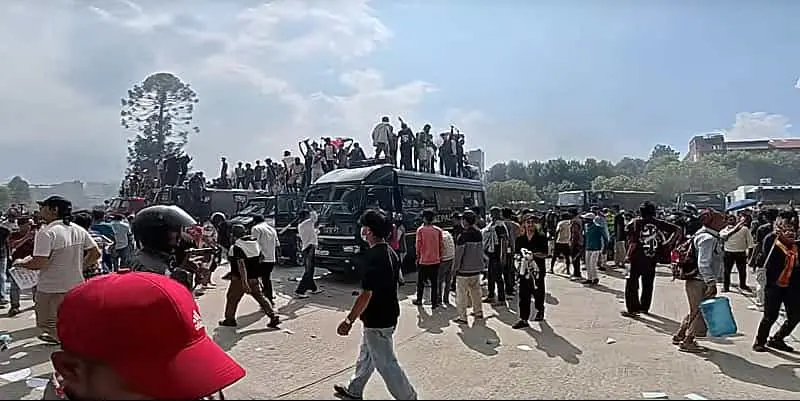
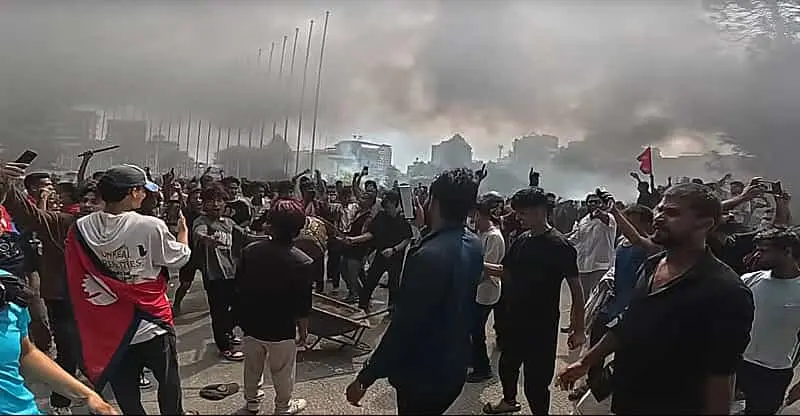
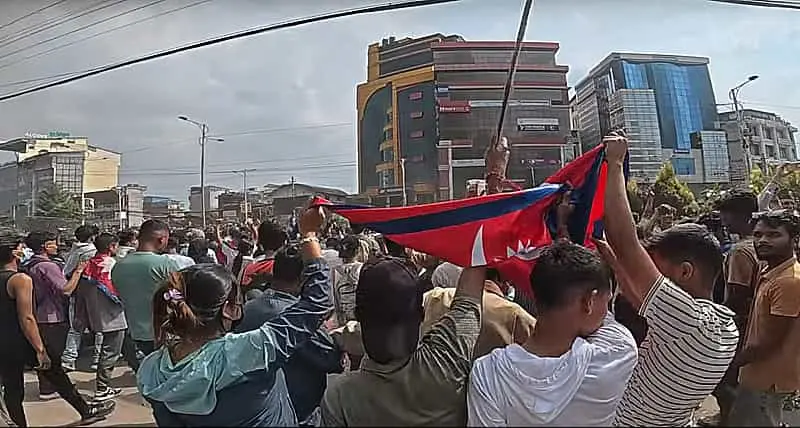
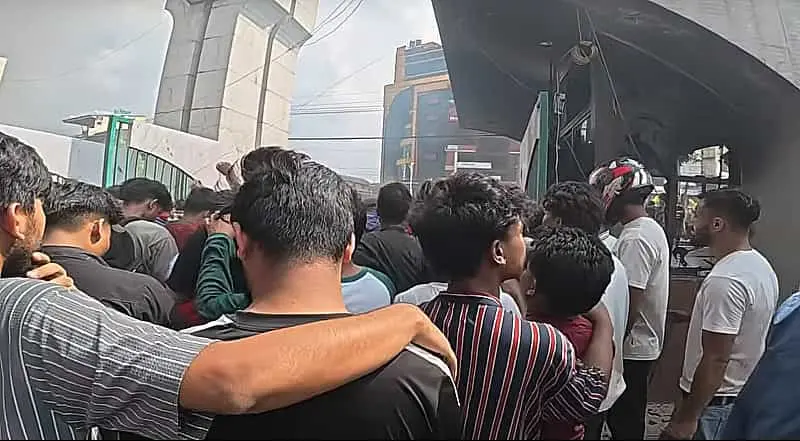
On Monday, September 16, tens of thousands of young people, many still in school uniforms, peacefully gathered near the Maitighar Mandala monument in the capital Kathmandu to demand government accountability and anti-corruption efforts.
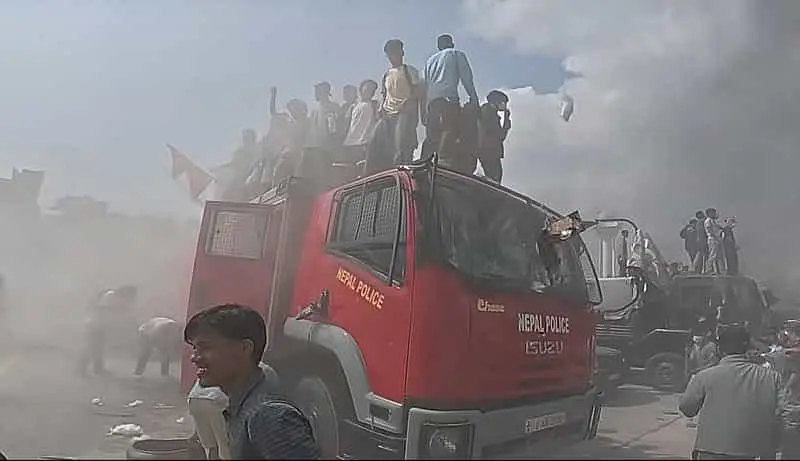
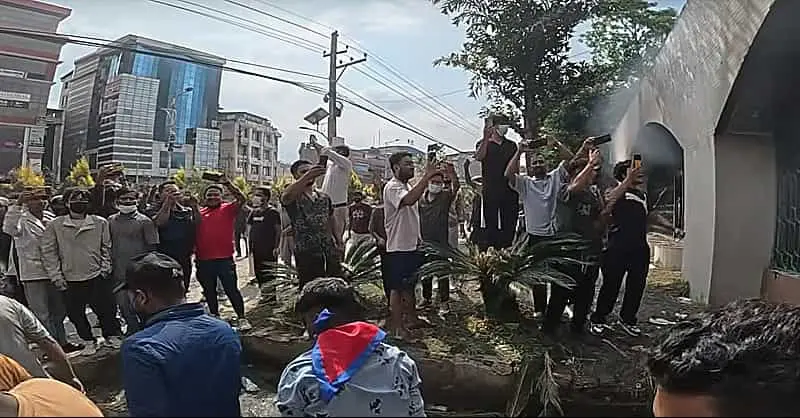
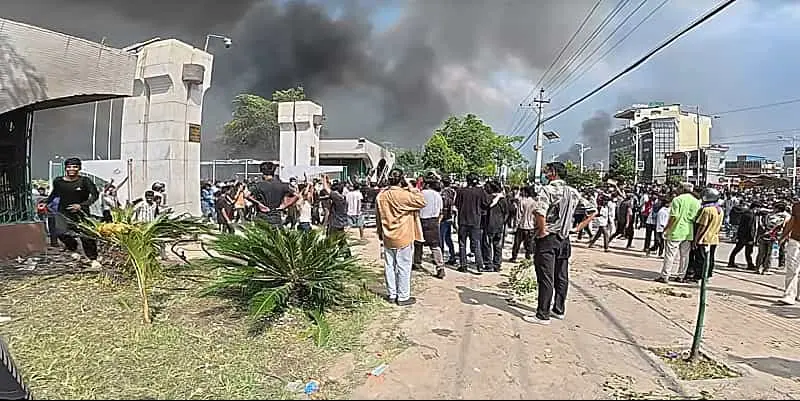
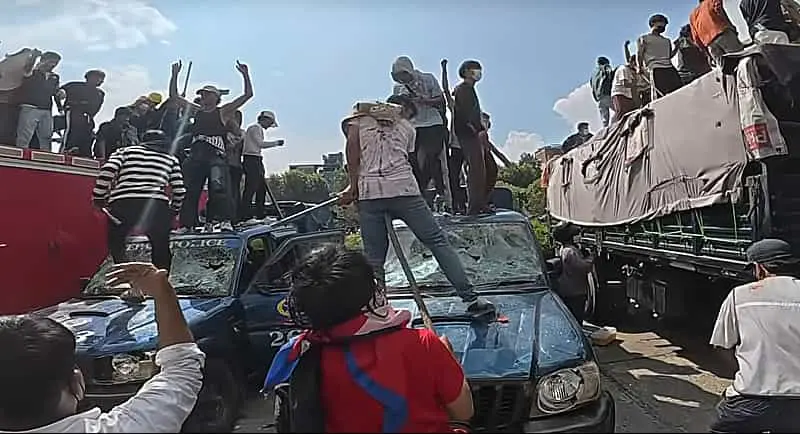
However, the situation took a sharp turn for the worse when some protesters stormed the parliament building and clashed with police. Police were accused of using live ammunition, water cannons, and tear gas to suppress the crowd, resulting in nearly 19 deaths and hundreds of injuries, according to Nepalese authorities.
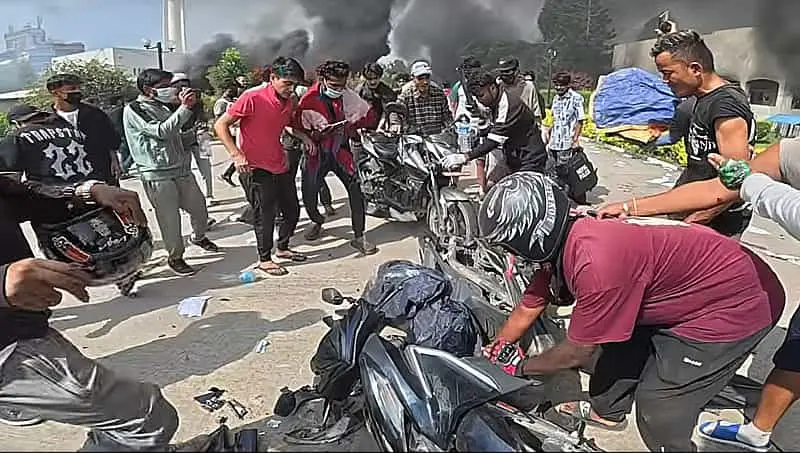
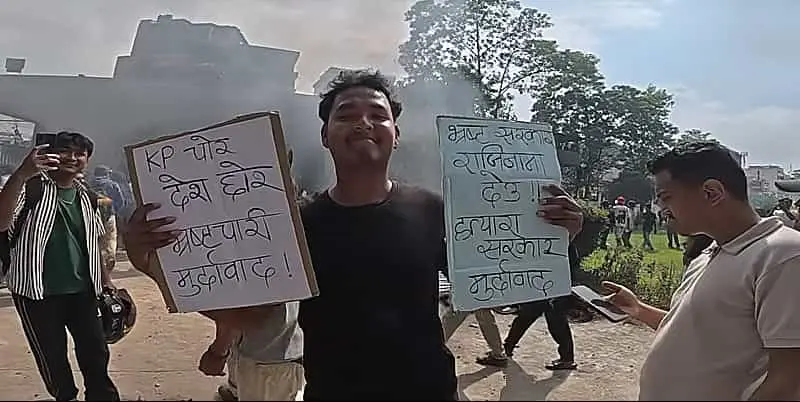
The government's bloody crackdown sparked widespread outrage both domestically and internationally, ironically garnering broader support for the movement. The following day (Tuesday, September 17), more citizens of all ages defied the curfew and took to the streets to protest the government's violence. Desperation and anger led to the demonstrations spiraling out of control, with some radical protesters and suspected opportunists setting fire to the Singha Durbar complex, which houses parliament, the Supreme Court, and government ministries, and even looting Prime Minister Oli's private residence.
Amid the "abnormal state" that paralyzed the country, Prime Minister KP Sharma Oli announced his resignation on September 17.
Background: Corruption and Economic Dilemma in Nepal
Since becoming a republic in 2008, Nepal has experienced frequent political turmoil. Corruption is deeply entrenched; according to Transparency International's 2024 Corruption Perceptions Index (CPI), Nepal scored only 34 out of 100, ranking 107th. This reflects the prevalence of corruption in the public sector, from government procurement to the judicial system, where nepotism and bribery abound.
Economically, Nepal is heavily reliant on agriculture and remittances, but youth unemployment remains high. World Bank data shows that in 2024, the unemployment rate for 15-24 year olds reached 20.821 TP3T, far exceeding the national average unemployment rate (approximately 101 TP3T). Many young people are forced to work abroad, making remittances a pillar of the economy. In 2024, personal remittances accounted for 33.061 TP3T of GDP, a figure that has been rising steadily since the 1990s, highlighting the scarcity of domestic employment opportunities.
Generation Z, comprising nearly 301,000 people in Nepal, grew up in the digital age, accessing global information through Instagram, Facebook, and TikTok. They witnessed politicians' children (commonly known as "Nepo Kids") flaunting designer bags and luxury travel, creating a stark contrast with their own poverty. This discontent brewed in early 2025 and finally erupted in September.
Analysis of the reasons for the protest
Economic inequality and youth unemployment
Distorted economic structureThe excessively high proportion of remittances reflects the weakness of domestic industries and their inability to create jobs. This leads to a vicious cycle: young people are forced to go abroad (mainly to Malaysia, Gulf countries, and India) to do manual labor in order to support their families back home, while the country's talent and labor force are constantly being lost.
High youth unemployment rateThe fact that up to one in five young people are unemployed means that a large number of educated and ambitious young people see no future, and this sense of frustration is a breeding ground for protests.
Nepalese youth face severe employment challenges. Earthquakes, the pandemic, and political instability have exacerbated the problem. Below is a table of historical youth unemployment data, showing trends from 2010 to 2024 (Data source: World Bank and ILO model estimates):
| Year | Youth Unemployment Rate (%) |
|---|---|
| 2010 | 19.00 |
| 2011 | 19.20 |
| 2012 | 19.50 |
| 2013 | 19.80 |
| 2014 | 20.10 |
| 2015 | 20.30 |
| 2016 | 20.50 |
| 2017 | 20.70 |
| 2018 | 20.90 |
| 2019 | 21.10 |
| 2020 | 21.30 |
| 2021 | 21.50 |
| 2022 | 21.70 |
| 2023 | 20.65 |
| 2024 | 20.82 |
As shown in the table, the unemployment rate has been on an upward trend since 2010, peaking during the 2020 pandemic (21.30%). This led to over a million young people going abroad, with remittances becoming a lifeline. The historical remittances as a percentage of GDP is shown below (Data source: World Bank):
| Year | Remittances % GDP |
|---|---|
| 1990 | 2.50 |
| 1995 | 7.00 |
| 2000 | 12.00 |
| 2005 | 17.00 |
| 2010 | 22.00 |
| 2015 | 25.00 |
| 2020 | 24.00 |
| 2021 | 25.40 |
| 2022 | 26.89 |
| 2023 | 27.50 |
| 2024 | 33.06 |
The remittance rate surged from 2.51 TP3T in 1990 to 33.061 TP3T in 2024, a phenomenon that is not only a symbol of economic dependence but also evidence of the "brain drain" among young people. Protester Sareesa Shrestha told CNN, "We see politicians' children squandering their wealth while we can't even find basic jobs. This is the last straw."
The wealth gap and the stimulation of "Nepo Kids"
Against the backdrop of economic hardship, the corruption of the political elite and the lavish lifestyles flaunted by their children (affectionately known as "Nepo Kids") on social media create a stark contrast. While ordinary people struggle to make ends meet, these "second-generation officials" frequently display photos of designer handbags, luxury cars, and overseas vacations, undoubtedly exacerbating feelings of deprivation and anger within society. This growing sense of...InequalityandClass solidificationThis makes young people feel that the system is extremely unfair to them and that there is no hope for reform.
Social media ban: the trigger
Trigger: The fatal mistake of the social media ban
If economic and social problems are like dry tinder, then the government's mishandling of the situation is like igniting a raging fire.
In early September 2025, the government banned more than 20 social media platforms, including Instagram, Facebook, and WhatsApp, citing "national security" concerns. This move was seen as suppressing dissent and sparked public outrage. Filmmaker Pramin stated, "Social media is our only way to connect with family overseas and a window to share global information. The ban makes us feel isolated."
This ban exacerbated the conflict because:
- Cut off the lifelineFor a country with a large number of family members working overseas, social media is crucial for maintaining family bonds and communication.lifelineThis move by the government is seen as a blatant violation of the people's basic rights.
- The only sound sourceFor young people in China, social media is a way for them to understand the world, express their opinions, and organize and mobilize.The only free platformThe ban was seen as the government's attempt to "shut them up."
- "The last straw"As protester Sareesa Shrestha put it, the ban became "the last straw." It instantly transformed widespread discontent into a direct challenge to government authority.
The ban was quickly lifted, but it had ignited anti-corruption anger. Protests shifted from online complaints against "Nepo Kids" to street actions.
Corrupt culture: long-standing resentment
Historical data on Nepal's corruption index show that the problem continues to worsen. Below is a table of CPI scores from 2000-2024 (data source: Transparency International):
| Year | CPI Score (0-100) |
|---|---|
| 2000 | 25 |
| 2005 | 22 |
| 2010 | 27 |
| 2015 | 30 |
| 2020 | 33 |
| 2021 | 33 |
| 2022 | 34 |
| 2023 | 35 |
| 2024 | 34 |
Despite a slight improvement, the score remains far below the global average (43 points). Protester Shree Gurung stated, "Generation Z demanded an investigation into corruption and the lavish lifestyles of politicians' children, but the government responded with violence, killing young people." This reflects public distrust of the elite.
Event Timeline and Key Milestones
The protests escalated from peaceful rallies into violent clashes. Below is a detailed timeline showcasing key milestones. The events and their impact are presented in chart format (text based on the timeline):
Protest Timeline
| date | Event Description | Key Milestones and Impact |
|---|---|---|
| Early September 2025 | A movement against "Nepo Kids" has emerged on social media, with young people criticizing the lavish lifestyles of politicians' children. | Starting point: Online discontent turned into organized protests, with over 10,000 participants sharing their stories. |
| September 4-5 | The government imposed a social media ban, prohibiting platforms such as Instagram and Facebook. | Trigger: Public outrage erupted, the ban was seen as a suppression of speech and was quickly lifted, but it had already sparked street protests. |
| September 8 (Monday) | Thousands of youths (mostly in school uniforms) gathered at Maitighar Mandala and stormed the parliament building. Police used live ammunition, water cannons, and tear gas. Nineteen people died and hundreds were injured. | Turning point: The first deadly clash, the resignation of the Interior Minister and other officials, and a surge of international condemnation. |
| September 9 (Tuesday) | The protests escalated, involving people of all ages, with the burning of Parliament, the Supreme Court, and Singha Durbar, and the looting of Oli's private residence. Oli resigned. | Peak: Leadership change, death toll rises to 30, over 1,000 injured. Airport closed for 24 hours, military intervention. |
| September 10 (Wednesday) | A nationwide curfew was imposed, and the military patrolled the streets. President Paudel called for dialogue, and former Chief Justice Karki was nominated as the leader of the interim government. | Cooling-off period: The streets are quiet but littered with wreckage, and Generation Z demands that youth representatives participate in the new government. |
| September 11 (today) | The military issued a statement promising to control the situation, and dialogue between protesters and the government is possible. The airport has reopened. | Uncertain future: Discussions of a provisional government, but concerns about retaliation and chaos. |
This timeline shows the shift of protests from digital to physical, with each milestone amplifying social divisions. The first phase (early September) was the incubation period, with social media amplifying discontent; the second phase (September 8-9) was the outbreak period, with violence leading to a leadership crisis; and the third phase (after September 10) was the transition period, focusing on reform.
Charts showing data and reasons
Youth Unemployment Trend Chart Analysis
Youth unemployment is a core reason for the protests. The table above shows that the unemployment rate rose from 191 TP3T in 2010 to 20.821 TP3T in 2024, peaking at 21.71 TP3T during the pandemic (2022). Reasons include the mismatch between education and employment, slow agricultural economic transition, and political instability hindering investment. The chart trend (imagine it as a line graph): a steady rise, reflecting the desperation of Generation Z, prompting them to take to the streets.
Remittance Dependency Chart
The sharp rise in remittances as a percentage of GDP (from 2.51 TP3T in 1990 to 33.061 TP3T in 2024) indicates a severe youth exodus. Reasons include low domestic wages (average monthly salary of approximately US$300) and the attraction of overseas opportunities (such as in the Middle East and Malaysia) for workers. During the protests, many participants mentioned that their families relied on remittances, and the ban severed communication, amplifying feelings of isolation.
corruption
The CPI score rose slightly from 25 in 2000 to 34 in 2024, but remained sluggish. Reasons: rampant crony capitalism and the monopoly of resources by political families. Generation Z's exposure of "Nepo Kids" on social media ignited public outrage.
These data are interconnected: high unemployment → youth outflow → remittance dependence → economic fragility → corruption → protests.
Impact and International Reaction
The protests caused enormous damage: 30 dead, 1,000 injured, and economic losses estimated at hundreds of millions of dollars (airport closure, property destruction). Internationally, the United Nations condemned the violence, and the United States and India called for dialogue. The student uprising in neighboring Bangladesh last year, which overthrew the government, inspired the protests in Nepal.
Generation Z leaders like Sahadev Khatry stated, "These buildings are not just bricks and tiles; they are our history. We don't want destruction; we just want justice." However, some protesters condemned the infiltration of opportunists, which led to the chaos.
Future Outlook: What's next?
Following Oli's resignation, President Paudel called for dialogue among youth, and former Supreme Court Justice Sushila Karki was considered a potential interim government leader. However, constitutional obstacles remain, and Generation Z is demanding greater youth representation. An anonymous law student stated, "We are afraid that peaceful protesters will be targeted; it's chaotic."
Nepal may be poised for reforms: strengthened anti-corruption laws, digital freedom, and youth employment programs. However, a strong military intervention or a backlash from the elite could prolong the unrest. The Generation Z movement serves as a reminder to the world that the younger generation is no longer silent; they are demanding more than just leadership changes—they are calling for a fair future.
Ollie's resignation is not the end of the story, but the beginning of a more complex phase.
- Power vacuumAfter Oli's resignation, who will take over the government? Will a provisional government be formed by various parties? Or, as rumored, will former Chief Justice Sushila Karki lead the transitional government? This involves complex legal and constitutional procedural obstacles.
- Leadership and demands of the movementThe movement itself is decentralized and lacks unified leadership. While they successfully ousted a prime minister, how can they translate their anger into concrete political platforms and reform demands? Can they form a unified negotiating force in future political dialogues?
- The role of the militaryThe Nepalese army has stated that it will "control the situation" and has called for dialogue. The military has historically played a key but usually restrained role in Nepalese politics, making its next move crucial.
- Fear of reckoning and retributionMany peaceful protesters fear repercussions. They distance themselves from the violent elements who engaged in vandalism, looting, and arson, but fear becoming targets of government repression once the situation calms down.
- Can the fundamental problem be solved?Even if a new government is formed, can it fundamentally solve the problems of youth unemployment, a single economic structure, and deep-rooted corruption? This is a far more difficult task than simply changing a leader.
in conclusion
The unrest in Nepal is a typical revolution of the digital age. Generation Z used the tools they were most familiar with (social media) to launch protests against what they saw as the most unjust phenomena (class stratification and corruption). However, when anger in the virtual world combines with despair in the real world and encounters the brutal repression of the old power structure, the results are often explosive and unpredictable.
The flames of parliament may eventually be extinguished, but the deep-seated socioeconomic problems that ignited them—youth unemployment and economic dependence clearly illustrated in the charts—will not easily disappear. For Nepal, the current crisis is both a disaster and an opportunity for rebirth. Whether it can seize this opportunity to build a more inclusive, transparent governance system that offers hope to all young people will determine the fate of this Himalayan nation for many years to come. The international community should also see from this how enormous the cost is of ignoring the voices of the younger generation in a highly interconnected world.
Further reading: