





Foot peel

Table of contents
Foot care: Starting with "skin peeling"
"Removing calluses" refers to the act of removing hardened calluses or dead skin from the soles of the feet. The word "removing" means "shaving off" or "scraping off," and "foot skin" is a general term for the stratum corneum of the feet. This seemingly simple daily care actually involves the complex mechanisms of human skin metabolism. Thick skin forms on the soles of the feet due to long-term pressure and friction from body weight.
Scratching your feet is not only an important part of foot care, but also a practical way to improve personal comfort and appearance. In the feet, keratinocytes proliferate much faster than in other areas, and if not properly cleaned, they can easily form calluses, cracks, and even affect walking. However, excessive scraping can also damage the skin barrier and increase the risk of infection. Finding a balance between removal and protection is key to foot care.

Why is it necessary to apply skin to the feet?
The skin on the soles of the feet is one of the areas of the body most prone to keratin buildup because it bears the weight of the body every day and is constantly rubbed against shoes and the ground. Here are some of the main reasons that lead to hardened calluses on the soles of the feet:
- Long-term pressure and frictionStanding, walking, or wearing ill-fitting shoes for extended periods can cause the skin on the soles of the feet to thicken and form a stratum corneum in an effort to protect itself.
- Dryness and water shortageThe soles of the feet lack sebaceous glands, making them prone to dryness, especially in dry seasons or climates, where the stratum corneum is more likely to harden and crack.
- Unhealthy lifestyle habitsNeglecting foot care, ignoring cleaning, or wearing non-breathable shoes and socks can exacerbate the buildup of dead skin.
- health issuesCertain skin conditions (such as psoriasis) or metabolic problems (such as diabetes) can also cause abnormal keratinization on the soles of the feet.
Hardened calluses on the feet not only affect appearance but can also cause discomfort and even pain due to cracks. Therefore, regularly exfoliating your feet can effectively improve foot health, making your feet softer and more comfortable.

Scientific Explanation of Foot Skin Formation
The stratum corneum of human skin consists of 15-20 layers of dead cells, acting as a natural armor to protect against external stimuli. The structure of the skin on the soles of the feet is even more unique:
- stratum corneum thicknessIt is about 1.5 millimeters long, which is more than three times the size of a palm.
- sweat gland densityThere are up to 620 lines per square centimeter, which can easily soften the stratum corneum when soaked in sweat.
- Mechanical structureThe pressure on the arch of the foot during walking can be up to three times the body weight.
Repeated friction stimulates the basal layer cells of the epidermis to divide rapidly. As new cells move upwards, they gradually dehydrate and keratinize. If this keratinization is not timely, it accumulates and forms hardened skin. Furthermore, wearing non-breathable shoes and socks, prolonged standing, being overweight, and endocrine disorders such as diabetes can all exacerbate keratinization.
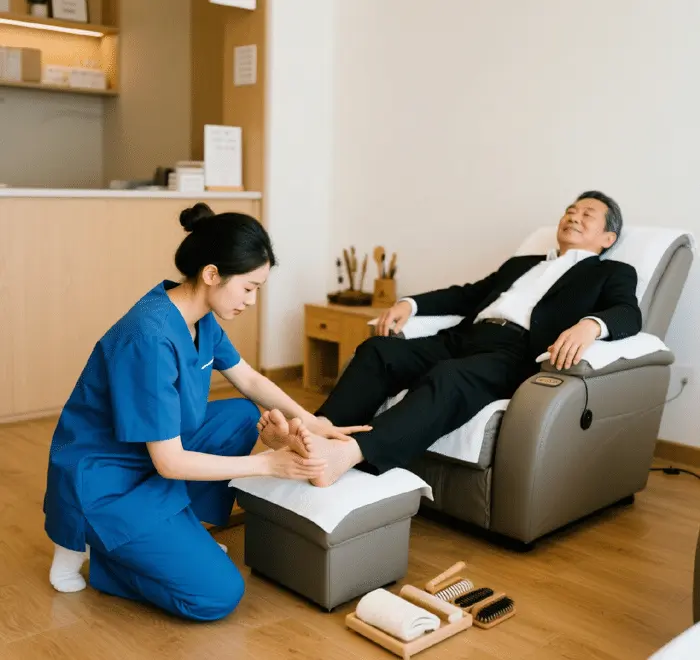
Methods and steps for peeling skin from feet
The process of exfoliating feet is not complicated, but it requires the correct methods and tools. Here are the common steps:
Soaking feet
- Purpose: Softens the stratum corneum, making it easier to remove.
- practicePrepare a basin of warm water (about 38-42°C), and you can add a small amount of salt, essential oil (such as lavender or tea tree essential oil), or shower gel. Soak your feet for 10-15 minutes. Warm water can effectively soften hardened skin, while essential oils help relax and have antibacterial properties.
- TipsIf the calluses on the soles of your feet are thick, you can add a tablespoon of baking soda to help soften them more effectively.
Exfoliation
- Tool Selection:
- pumiceNatural or artificial pumice is suitable for mild keratosis and is gentle on the skin.
- Metal foot grinding plateSuitable for thicker cuticles, but handle with care to avoid scratching.
- Electric exfoliatorA modern option, suitable for quickly removing large amounts of dead skin.
- Exfoliating creamProducts containing urea, lactic acid, or salicylic acid can chemically break down the stratum corneum, making them suitable for sensitive skin.
- practiceWhen your feet are dry or slightly damp, gently rub the hardened areas, being careful to apply even pressure and avoid excessive friction that could cause redness and swelling.
- suggestionOperate from the outside in, from rough to fine, focusing on a small area each time and completing it step by step.
Cleansing and moisturizing
- cleanWash the soles of your feet with clean water to remove dead skin and debris.
- MoisturizingApply a moisturizing cream containing urea, petrolatum, shea butter, or aloe vera to help lock in moisture and repair the skin barrier.
- Advanced maintenanceWearing moisturizing foot masks or cotton socks allows the moisturizing ingredients to penetrate better, which is especially suitable for dry heels.
Regular maintenance
- It is recommended to exfoliate 1-2 times a week, and keep your feet clean and moisturized on a regular basis to prevent the rapid buildup of dead skin cells.
- Wear breathable shoes and socks, and choose shoes that fit well to reduce pressure on the soles of your feet.

Special considerations for specific groups
1. Diabetic patients
According to statistics from the Ministry of Health and Welfare, among the approximately 2.5 million diabetic patients in Taiwan, 15% will develop diabetic foot lesions. Due to poor peripheral circulation and poor wound healing ability, these patients should perform any foot care under the guidance of medical professionals.
2. Senior citizens
As older adults age, the plantar fat pads gradually atrophy and lose their cushioning function. Excessive exfoliation may exacerbate pain. It is recommended to replace full abrasion with "local trimming" and choose cushioned insoles to distribute pressure.
3. Sports enthusiasts
Marathon runners develop calluses on their feet 30% faster than the average person, but these thick calluses can actually provide protection. The American Podiatric Medical Association (APMA) advises against exfoliating for 48 hours before a race to prevent newly formed skin from being unable to withstand friction.
Recommended tools and products for peeling foot skin
There are many tools and products on the modern market specifically designed for skinning feet. Here are some common options:
- pumice and foot fileAffordable price, suitable for family use. Choose a style with a moderately rough surface and avoid overly sharp materials.
- Electric exfoliatorProducts from brands such as Philips and Scholl are convenient and fast, making them suitable for busy people.
- Chemical exfoliating productsFoot masks containing salicylic acid or urea (such as Baby Foot) can gently remove dead skin cells, making them suitable for people who dislike physical friction.
- Moisturizing creamProducts containing urea 10%-20%, such as Eucerin, CeraVe, or Neutrogena foot creams, are recommended for their effective softening and moisturizing properties.

Precautions and taboos
Although peeling skin off feet may seem simple, improper technique can lead to problems. Here are some precautions:
- Avoid over-exfoliationExcessive friction can damage healthy skin, leading to redness or infection. It is recommended that each treatment last no more than 10 minutes.
- Tool hygieneThoroughly clean the tools after use to prevent bacterial growth. If shared by multiple people, disinfection is required.
- Special circumstancesIf you have diabetes, blood circulation problems, or foot wounds, avoid scraping your feet yourself and consult a doctor or a professional foot care specialist.
- Avoid using bladesTraditional methods of scraping foot skin with a blade are risky, as they can easily cause cuts or infections. It is recommended to use safe, modern tools.
- Observe skin reactionIf redness, stinging, or other abnormalities occur after exfoliation, stop immediately and seek medical advice.
A combination of modern and traditional
With technological advancements, the methods of exfoliating feet have evolved from the traditional use of blades and stones to a combination of power tools and chemical exfoliating products. However, Taiwanese people's love for "exfoliating feet" goes beyond practicality; it's also a reflection of a lifestyle. Whether it's DIYing at home, experiencing the fun of exfoliating feet at a night market, or enjoying a professional foot care salon, this simple act of pampering embodies a concern for health and a love for life.
Conclusion
Foot calluses are not just a practical foot care technique; with the right methods and tools, everyone can easily have soft, healthy feet. Whether you choose a traditional pumice stone, a modern electric foot file, or a professional foot care service, remember to be regular and patient, and combine it with proper moisturizing and daily care. Let foot calluses become a simple yet ritualistic part of your life; healthy feet lead to more confidence when you walk!