


![[有片]拜祖先會獲得保佑?](https://findgirl.org/storage/2026/01/有片拜祖先會獲得保佑?-300x225.webp)


[Video] Understanding the Female Clitoris

Understanding the female clitoris: anatomy, importance, and sexual applications
The clitoris is a woman's most powerful sexual organ, specifically responsible for pleasure. It's the most pleasure-focused organ in a woman's body; though small, it contains more nerves than the glans penis. Understanding and appreciating it can unlock a woman's most intense and easily achieved orgasms.
In the study of human sexuality, womenclitorisThe clitoris is considered a core organ for female sexual pleasure. It is not only...Female reproductive systemThe clitoris is a part of the genitals, and the only structure specifically designed for sexual pleasure. Its complex anatomy, with over 8,000 nerve endings, makes it far more sensitive than other parts of the body. According to medical literature, the clitoris...Female orgasmThe clitoris plays a crucial role, and many women need clitoral stimulation to achieve orgasm.
Table of contents

Anatomical structure of the clitoris
The clitoris is part of the female external genitalia, located above the labia minora and above the urethral opening. From the outside, it looks like a small button-shaped head called the clitoral glans, about the size of a pea, covered by the clitoral hood. But this is just the tip of the iceberg; the total length of the clitoris can reach 7-12 centimeters, with most of it hidden inside the body.
The internal structure includes:
- Clitoral bodyExtending from the clitoral glans, it resembles the corpora cavernosa of the penis, filled with erectile tissue, and can swell during sexual arousal.
- Clitoral legsTwo leg-like structures extend to both sides of the vagina, about 9 centimeters long, encircling the urethra and vaginal opening.
- Clitoral bulbsLocated below the vaginal opening and connected to the clitoral crura, it becomes engorged and swollen when aroused, providing additional stimulation.
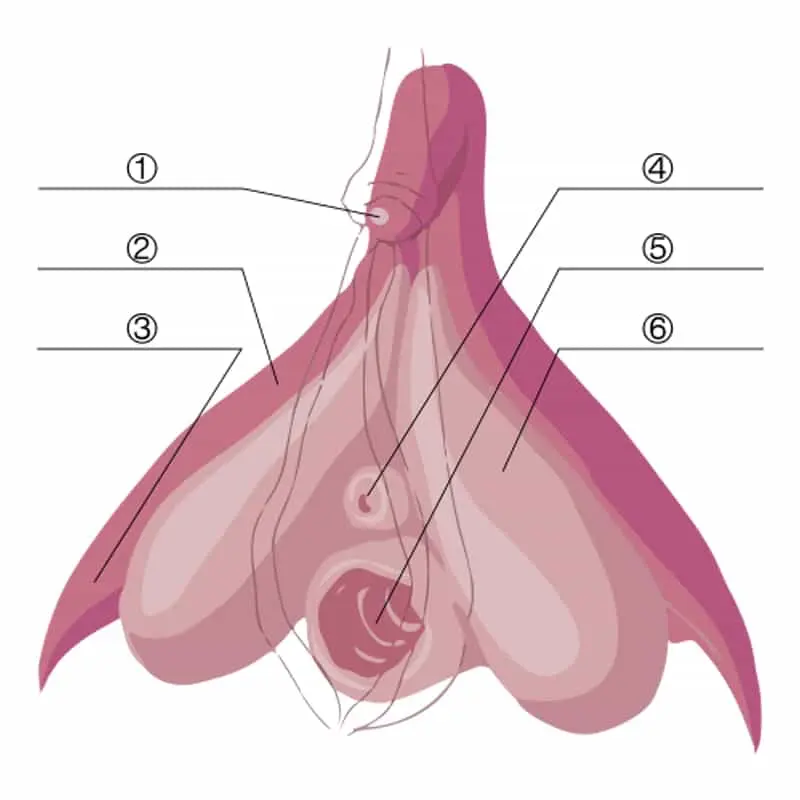
These structures are rich in blood vessels and nerves, especially the clitoral nerve, which originates from the pelvic nerve plexus. The sensitivity of the clitoral nerve comes from its dense network of nerve endings, twice the density of the glans penis. According to Wikipedia and medical research, the clitoral nerve and the penis are homologous during the embryonic period, developing from the genital tubercle, but the clitoral nerve has no urethral function and is purely designed for sexual pleasure.
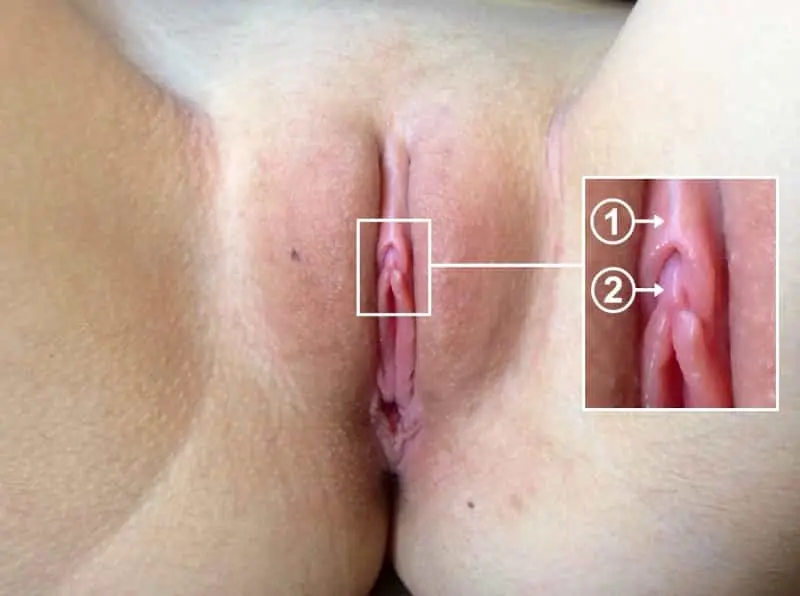

Physiological functions of the clitoris
The primary function of the clitoris is to generate sexual pleasure. During sexual arousal, it becomes engorged with blood and increases sensitivity. Stimulation of the clitoris triggers the release of dopamine and oxytocin in the brain, bringing a sense of pleasure. During orgasm, the muscles surrounding the clitoris contract, bringing rhythmic pleasure. Studies show that clitoral stimulation can lubricate the vagina and reduce discomfort during intercourse.
In addition, clitoral secretions have lubricating and antibacterial properties, helping to maintain vaginal health. In some animals, such as the spotted hyena, the clitoris is even used for urination and childbirth, but in humans, the clitoris is primarily focused on sexual function.

Development and changes of the anal nucleus during the life cycle
The development and changes of the female clitoris occur throughout life and are influenced by hormones. The following is a breakdown by time period, including the neonatal period, childhood, adolescence, reproductive age, menopause, and old age. These stages are based on medical literature, such as basic obstetrics and gynecology.
Neonatal period and infancy (0-2 years)
During the embryonic period (8-12 weeks of gestation), the genital tubercle differentiates into the clitoris or penis. If there is no testicular determinant, it develops into the clitoris. In newborns, the clitoris is already rudimentary, about 0.5-1 cm long, and may swell slightly due to the influence of maternal estrogen. The vaginal mucosa is thin and delicate, with a neutral pH, making it susceptible to infection. At this stage, the clitoris has no sexual function and primarily serves as the foundation of the reproductive system.

Childhood (3-10 years old)
The clitoris remains immature, approximately 1-2 cm in length. The ovaries are not activated, estrogen levels are low, and the clitoris is insensitive. Secondary sexual characteristics have not appeared, and the vulva is flat. The clitoris undergoes minimal change during childhood, but if there are hormonal abnormalities (such as congenital adrenal hyperplasia), it may enlarge, requiring medical intervention.
Adolescence (11-18 years old)
Puberty is a period of rapid clitoral development. The hypothalamic-pituitary-gonadal axis is activated, and the ovaries secrete estrogen and progesterone. The clitoris grows to adult size (0.5-1 cm externally, 7-12 cm total length), the clitoral foreskin thickens, and sensitivity increases. This is accompanied by pubic hair growth, thickening of the labia majora and minora, and pelvic widening. After menarche, the clitoris participates in sexual awakening, and girls may begin exploring masturbation.
Studies show that the development of the clitoral nerves is completed during puberty, laying the foundation for adult sexual sensitivity. Hormonal imbalances may lead to clitoral hypertrophy or delayed development.

Childbearing age (19-45 years old)
The clitoris is most active during this stage and is influenced by the menstrual cycle. During ovulation, estrogen levels peak, increasing clitoral sensitivity and making orgasm easier. During pregnancy, hormonal changes cause clitoral swelling and increased blood flow; this subsides after childbirth. During lactation, prolactin suppresses libido, temporarily reducing clitoral sensitivity.
Statistics show that 80% orgasms in women of childbearing age require clitoral stimulation. While clitoral size stabilizes with age, life stress or illnesses (such as diabetes) can affect sensitivity.
Menopause (ages 46-55)
Menopause leads to declining ovarian function, reduced estrogen levels, clitoral atrophy (10-20 TP3T), and decreased sensitivity. Vaginal dryness and discomfort upon stimulation are common. However, many women maintain sexual activity using lubricants. Hormone replacement therapy can alleviate these changes.

Old age (56 years and older)
In old age, the clitoris further atrophies, nerve endings decrease, and sensitivity declines. Relaxation of the pelvic muscles may affect orgasm. However, healthy older adults can still enjoy sex; the key is communication and technique.
The changing time period of the anal nucleus during its life cycle
| stage | Age range | Main changes | Hormonal Effects | Impact on sexual function |
|---|---|---|---|---|
| Neonatal period | 0-2 years old | It is beginning to take shape, with slight swelling. | maternal estrogen | none |
| childhood | 3-10 years old | Maintaining a childlike form, with no significant changes. | low estrogen | none |
| puberty | 11-18 years old | Rapid growth, increased sensitivity | Estrogen rise | Sexual awakening begins |
| reproductive age | 19-45 years old | Most active, cyclical changes | estrogen/luteinizing cycle | Climax is easy to achieve |
| menopause | 46-55 years old | atrophy, decreased sensitivity | Estrogen reduction | Requires assistance |
| old age | 56 years and older | Further atrophy, reduced nerve function | low hormone | It may decrease, but it can be maintained. |

The importance of the clitoris
The role of the clitoris in female orgasm
The clitoris is a primary source of female orgasm. Studies show that 70-80% of women with vaginal penetration alone cannot achieve orgasm and require clitoral stimulation. Clitoral orgasms are typically faster and more intense, lasting 5-10 seconds. Clitoral stimulation can indirectly affect the G-spot and the inside of the vagina, producing a mixed orgasm.
Statistics: According to an OMGyes survey, 801 women with vaginal orgasms reported that clitoral stimulation was key to orgasm. Another study showed that 251 women with vaginal orgasms alone experienced clitoral orgasms, while 751 women experienced clitoral orgasms.

Chart: Percentage of Female Orgasms (Pie Chart Description)
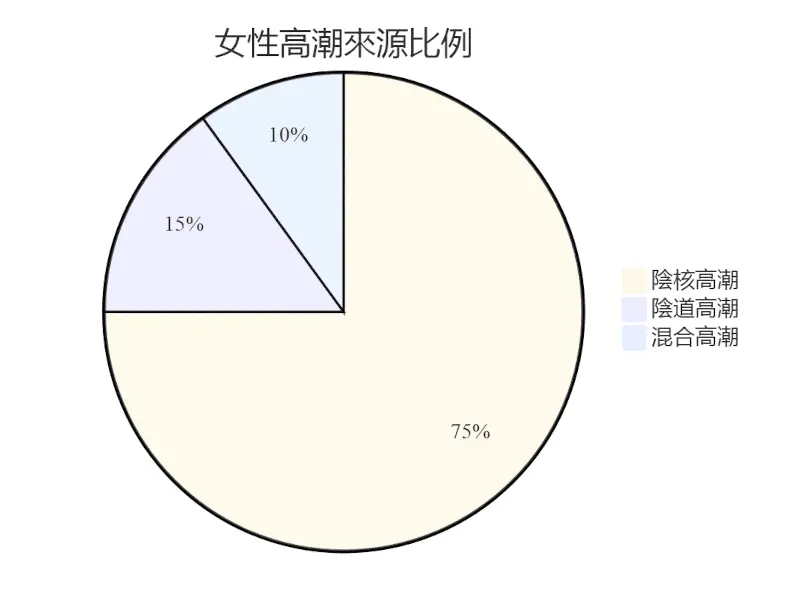
This chart, based on multiple studies, demonstrates the overwhelming importance of the anal corpuscle.
Statistics on the importance of the anal nucleus
| Data source | Key findings | Percentage/Number |
|---|---|---|
| OMGyes Survey | Cervical stimulation is the primary way to achieve orgasm. | 80% for women |
| Wikipedia/Medical Literature | Nerve ending density | 8000+ |
| Women's Health Magazine | Women who need clitoral stimulation to reach orgasm | 70-80% |
| Evolutionary biology research | The clitoris is designed specifically for pleasure. | N/A |

Preparation for clitoral stimulation
The success of clitoral stimulation depends heavily on psychological state and environmental factors. The brain is the largest sexual organ, and fear, stress, or distraction can inhibit sexual response. Creating a relaxed, stress-free environment is crucial: ensuring privacy, regulating light and temperature, and eliminating distractions.
The use of lubricant is almost always beneficial, even if natural secretions are present. High-quality water-based lubricants can reduce friction, enhance sensation, and make the experience more comfortable. Studies have shown that using lubricant can increase sexual satisfaction and reduce the risk of discomfort.

Stimulation Techniques: Diversity and Personalization
There is no single "right" way to stimulate someone, because everyone's preferences are different. However, there are some proven techniques you can try:
- Indirect stimulation methodInitially, avoid direct contact with the clitoral glans. Instead, apply pressure through the labia majora or mons pubis to gradually build arousal.
- Circular motionUse your fingertips to make gentle circular motions around the clitoral glans, gradually reducing the area without directly touching the most sensitive spot.
- Move up and downApply gentle up-and-down pressure to the clitoral body (located under the skin of the mons pubis) to stimulate the internal structure through the skin.
- Pressure transformationAdjust the pressure according to your partner's response. Generally, gentler touches are needed in the early stages of arousal, and the pressure can be increased slightly as arousal intensifies.
- Change of paceAvoid monotonous stimulation; alternate between fast and slow rhythms, and pause occasionally to prolong the feeling of pleasure.

Explore the entire clitoral system
Remember that the clitoris is not just the externally visible part; try stimulating the entire clitoral network using the following methods:
- G-spot stimulationActually, it involves stimulating the internal structures of the clitoris through the anterior vaginal wall, attempting a "come-hither" motion.
- perineal pressureApply gentle pressure below the vaginal opening to stimulate the vestibular bulb area.
- Dual stimulationCombining external clitoral stimulation with internal stimulation using fingers or toys can produce a strong effect.
Avoid common mistakes
- Too direct and crudeIn the initial stage, directly and strongly stimulating the most sensitive area may cause discomfort rather than pleasure.
- Ignoring rhythm changesMonotonous stimulation may lead to sensory adaptation and reduce excitability.
- Ignoring communication: Not asking about your partner's feelings, assuming you know best what's best.
- Overemphasis on the clitorisWhile the clitoris is a pleasure center, integrating stimulation of other areas (breasts, inner thighs, etc.) can provide a more comprehensive experience.
Practical Guide to Cervical Stimulation During Sex
Basic principles
Before clitoral stimulation, ensure consent, relaxation, and lubrication. Use lubricant to reduce friction. Communicate your partner's preferences to avoid excessive pressure.
Cervical stimulation and oral sex techniques
Oral sex is a highly effective way to stimulate the clitoris because the tongue is flexible and moist, allowing for a variety of stimulation methods:
- Letter skillsUse the tip of your tongue to draw letters or patterns around the clitoris to create unpredictable patterns of pleasure.
- Sucking TechniquesGently suck on the clitoral area, paying attention to adjusting the suction strength.
- flat tongue techniqueUse the flat surface of your tongue to cover the entire clitoral area for extensive stimulation.
- Key stimulusUse the tip of your tongue to precisely stimulate the clitoral glans, especially when you are close to orgasm.

Hand stimulation techniques
Finger stimulation allows for more precise control and pressure modulation:
- Circling methodUse one or two fingers to make circular motions around the glans penis.
- Pressing methodApplying gentle pressure to the clitoral body through the mons pubis skin
- Rolling methodGently roll your finger on the clitoral glans
- Combined stimulusStimulate the external clitoris with one hand, and stimulate the vagina or G-spot with the fingers of the other hand.
Cervical stimulation during sexual intercourse
Many sexual positions can integrate clitoral stimulation:
- Woman on top, rear-entry position
Skill:
After the partner's penis/doppelganger enters the vagina, pause for 10 seconds to allow the clitoral sponge to adjust to the pressure.
The woman leads the movement of her pelvis back and forth, causing the pubic symphysis to intermittently rub against the clitoris and glans penis.
At the same time, the man places his finger or a small vibrating egg above the clitoris, creating a "double attack" from both inside and outside. - missionary variant: Place a pillow between the pelvis to adjust the angle, or use the "coital alignment technique" to bring the clitoris into contact with the base of the penis.
- Side-lying positionBoth partners lie on their sides facing each other, with their hands freely touching the clitoral area.

The auxiliary use of sex toys
Modern sex toys can greatly enhance the clitoral stimulation experience:
- VibratorFrom gentle surface vibrations to strong, focused vibrations, catering to diverse preferences.
- Sucking toys: Mimicking oral sucking, stimulating the clitoris with airflow
- Dual stimulatorSimultaneous stimulation of the internal G-spot and external clitoral area.
- Vibration ringWorn at the base of the penis, it provides additional vibrational stimulation during intercourse.

Hitting a cow across the mountain
- Tools: Silk underwear + fingers/vibrator
- step:
- First, set the vibrator to the lowest speed and place it on the clitoral projection area on the outside of your underwear.
- Move in a figure-eight or zipper pattern, and avoid staying for more than 3 seconds.
- Observe your partner's breathing rate. When their breathing becomes deeper or their pelvis tilts forward, reduce the speed.
Stimulation
- pointUse your index and middle fingers to form a V shape, gently pinch the glans penis and sway it slightly from side to side.
- WireThe middle finger slides from the tip of the glans to the frenulum and then pushes back, creating a "windshield wiper" rhythm.
- noodleCover the vulva with your entire palm and perform a three-stage motion of "pressing, releasing, and rotating" for 30 seconds each.
A gentle reminder: Before direct stimulation, please ensure adequate lubrication (2–3 mL of water-based lubricant) to avoid dry friction that could cause micro-cracks.

Change of pace
escalator:
- The stimulation intensity was divided into 1–5 levels, each level was maintained for 20 seconds, and the intensity was gradually increased.
- When the partner reaches level 4, it drops back to level 2, then climbs back to level 5.
Edge (edging):
- If you observe pelvic muscle tremors or shallow breathing, immediately slow down or move away from the clitoris for 5 seconds.
- Repeating this three times before allowing orgasm can enhance the strength of uterine contractions.
Advanced gameplay
- Combine anal stimulation or nipple stroking.
- Use ice cubes or warm water alternately to increase sensory variation.

Psychological and emotional aspects: Making the brain the largest sex organ
language:
- Use phrases like "I like..." or "I feel..." to reduce blame.
line of sight:
- Eye contact can increase oxytocin secretion by 20–30 %.
context:
- Dim lighting and low-frequency music (60–80 bpm) can synchronize heart rate and breathing, increasing the chances of synchronized orgasm.

Common FAQs about the female clitoris
-
What exactly is the clitoris?
The clitoris is a female-specific sexual pleasure organ, shaped like an inverted Y. The exposed part consists of only a small "glans," while inside are two "crura" (clitoral legs) and a bulb, each 9–11 cm long. It has more than 8,000–10,000 nerve endings, more than the glans penis.
-
Why is the clitoris so sensitive?
The clitoris's sole function is to produce pleasure; it has no other physiological tasks. It has an extremely high nerve density (more than 50 nerve endings per square millimeter), meaning even slight stimulation can trigger intense pleasure, even leading to orgasm.
-
Is there a normal range for clitoral size?
The average length of the exposed clitoral glans is 0.5–1 cm, but this varies from person to person (0.2–2.5 cm is considered normal). It swells to 1.5–2 times its normal size during erection. Some women have a larger clitoral glans (clitoromegaly), which is mostly due to genetic or hormonal factors and not a disease.
-
Can the clitoris become erect?
Yes! When a woman is aroused, her penis becomes engorged, hardens, and darkens in color (similar to an erection). This is a normal stage of female sexual response.
-
What is the difference between clitoral orgasm and vaginal orgasm?
Clitoral orgasm: Direct stimulation of the clitoral glans or foreskin, usually faster and more intense (80% women mainly rely on this for orgasm).
Vaginal orgasm: Less common, with a deeper, more undulating sensation throughout the body. In fact, most vaginal orgasms also involve indirect stimulation of the clitoral hood. -
Why can't I achieve orgasm through clitoral stimulation?
Possible reasons
Excessive psychological stress → It is recommended to practice "mindfulness body scan".
Medication effects (such as SSRI antidepressants) → Discuss adjusting dosage or timing with your doctor.
Excessive friction may cause temporary sensory dullness → Rest for 48 hours and use a warm sitz bath to promote repair. -
Why do some girls not feel anything when they touch their clitoris?
Common causes include: phimosis (tight foreskin), low hormone levels, high stress, medication side effects (such as antidepressants), or lack of proper stimulation. It is recommended to be gentle, use lubricant, and start from the side or above the foreskin.
-
Is it a problem if the clitoris is too big or too small?
Too large: May be due to polycystic ovary syndrome or high androgen levels, requiring medical attention.
Too small: Uncommon, usually does not hinder pleasure (internal structure is more important). As long as orgasm is achieved, it's normal. -
Can the clitoris be trained to become more sensitive?
Yes! Regular masturbation, using vibrating toys, and Kegel exercises to strengthen the pelvic floor muscles can all improve clitoral blood flow and sensitivity. Many women experience stronger clitoral pleasure after the age of 30.
-
Does phimosis (tight foreskin) affect pleasure?
If the foreskin completely covers the glans and cannot be retracted, sensitivity may be reduced. Consider:
Gentle traction and stretching exercises (3 minutes daily for 4–6 weeks).
In severe cases, a gynecologist may be consulted to evaluate "circumcision". -
Does the clitoris have anything to do with the "G-spot"?
The G-spot is actually the junction of the clitoral crura and the corpus spongiosum. Stimulating the G-spot simultaneously presses on the internal structures of the clitoris, resulting in a deeper and fuller sensation.
-
Does the clitoris age?
Sensitivity may shrink slightly with age (especially after menopause when estrogen levels drop), but the number of nerve endings remains the same. Maintaining sexual activity, using lubricants, and supplementing with hormones can maintain or even enhance sensitivity.
-
How to improve clitoral atrophy?
After menstruation, estrogen levels drop, and the corpora cavernosa may lose elasticity. Recommendation:
Self-massage three times a week for 10 minutes each time, combined with a topical moisturizing gel containing estrogen, can maintain blood flow.
Further reading: