



![[有片]把與生俱來的「好色」,用以點燃事業的雄心](https://findgirl.org/storage/2025/11/有片把與生俱來的「好色」,用以點燃事業的雄心-300x225.webp)

[Video] The harmful effects of drinking milk tea on your health

Table of contents
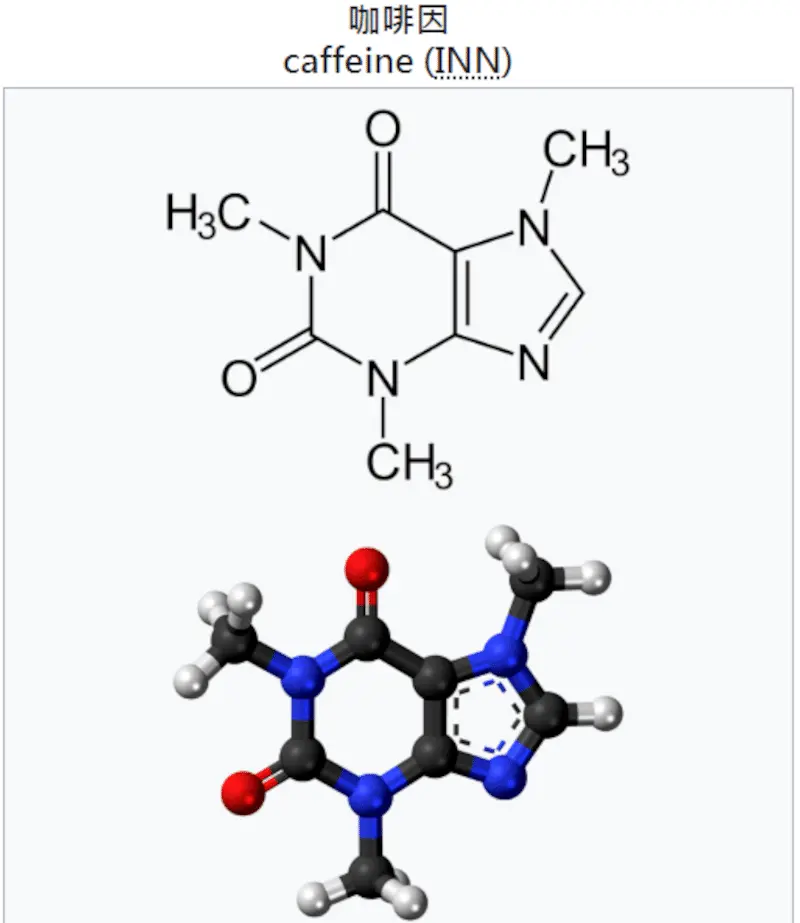
milk teaAs a popular beverage, especially in Asia, milk tea, from Taiwanese bubble tea to Hong Kong-style milk tea, and various hand-shaken drinks in mainland China, has become a source of comfort for many people. However, while milk tea brings fleeting pleasure, long-term excessive consumption poses serious health risks. Multiple studies have shown that the main components of milk tea include high sugar content,creamer(Non-dairy creamer)caffeineMilk tea contains various additives, which can lead to a range of health problems, including obesity, diabetes, cardiovascular disease, and mental health issues. While occasional, moderate consumption is generally harmless, excessive reliance on milk tea can cause irreversible damage to the body.
Disadvantage 1: High sugar content leads to obesity and diabetes
One of the biggest problems with milk tea is its extremely high sugar content. Most commercially available milk teas use high-fructose corn syrup (HFCS) or white sugar as sweeteners, and a standard cup of milk tea often exceeds the World Health Organization's (WHO) recommended daily limit for added sugar (no more than 50 grams per day for adults). This is because milk tea shops often add large amounts of sugar to enhance the taste, creating an addictive effect. However, this leads to a rapid rise in blood sugar, which in the long run stimulates excessive insulin secretion, increasing the risk of insulin resistance and potentially causing type 2 diabetes.
According to a study of Asian American and Pacific Islander (AAPI) adolescents, a 16-ounce (approximately 473 ml) cup of bubble tea contains 38 grams of sugar and 299 calories. Adding jelly or pudding raises the sugar content to 57 grams and the calorie count to 323 calories. A large 32-ounce cup of bubble tea can contain as much as 96 grams of sugar and 515 calories, equivalent to a quarter of an adult's daily calorie requirement, far exceeding the American Heart Association's recommended daily sugar intake limits for women (25 grams) and men (38 grams). Excess sugar not only converts into fat and leads to obesity but also increases the risk of metabolic syndrome. Studies show that adolescents who frequently drink sugary drinks have an obesity rate 161 TP3T higher than non-drinkers, and bubble tea, as a sugary beverage, is particularly prone to causing weight gain due to its high calorie content.
In addition, high-sugar milk tea may also increase...cancerRisk. A Harvard University study indicates that women who drink more than two sugary drinks daily...Early-onset colorectal cancerThe risk doubles. This is because excessive sugar promotes inflammation and cell mutation, and young people who drink milk tea regularly need to be especially careful.
The table below compares the sugar and calories of milk tea with other common beverages (data based on a 16-ounce serving):
| Beverage type | Calories (kcal) | Sugar content (grams) | Recommended daily sugar ratio (1 TP 3 T) |
|---|---|---|---|
| Bubble tea (basic version) | 299 | 38 | 76% (based on a 50-gram limit) |
| Milk tea with jelly pudding | 323 | 57 | 114% |
| Cola | 200 | 56 | 112% |
| Energy drinks | 240 | 62 | 124% |
| sports drinks | 120 | 28 | 56% |
As can be seen from the table, milk tea has a sugar and calorie content comparable to, or even higher than, other high-sugar beverages. Long-term consumption will undoubtedly exacerbate the risk of obesity and diabetes.

Disadvantage 2: Trans fatty acids in creamer damage cardiovascular health.
Commercially available milk tea often uses creamer (non-dairy creamer) instead of fresh milk. Creamer contains a large amount of saturated fat and trans fatty acids. These components can increase the level of low-density lipoprotein (LDL, bad cholesterol) in the blood while lowering high-density lipoprotein (HDL, good cholesterol), thereby increasing the risk of cardiovascular disease. This is because trans fatty acids promote atherosclerosis, leading to narrowing of blood vessels and thrombosis. Long-term consumption may induce coronary heart disease and hypertension.
A Chinese study shows that long-term consumption of milk tea can easily lead to cardiovascular disease because the trans fatty acid content in creamer is as high as 5-10 grams per cup, exceeding [a certain limit].WHOThe recommended daily limit is no more than 2 grams. Furthermore, high fructose content increases triglyceride buildup, further raising blood lipids and potentially leading to heart disease and diabetes. Doctors point out that those who drink one cup of milk tea daily have a 20-30 ITP3T higher risk of cardiovascular disease than non-drinkers. Another Malaysian study analyzing samples of commercially available milk tea in Kuala Lumpur found an average sugar content of 50-70 grams and trans fat levels exceeding the standard; long-term consumption can lead to obesity and metabolic problems.
Hong Kong-style milk tea requires particular attention, as the prolonged high-temperature boiling of the tea produces oxides that affect digestion, thereby accelerating skin aging and increasing the burden on the heart. Traditional Chinese medicine believes that milk tea harms the spleen and stomach, and milk is difficult to digest; excessive consumption can easily lead to bloating and blood pressure fluctuations.
The following chart uses bars to illustrate the contribution of milk tea ingredients to cardiovascular risk (data based on an average cup of milk tea):
| Element | Content (g/cup) | Impact on cardiovascular risk |
|---|---|---|
| Trans fatty acids | 5-10 | Increase bad cholesterol 20% |
| Saturated fat | 10-15 | Increased risk of high blood pressure 15% |
| High fructose corn syrup | 40-60 | Increased triglyceride accumulation 30% |
This table shows that trans fats are the main culprit, and long-term accumulation will seriously harm the heart.

Disadvantage 3: Excessive caffeine intake affects nerves and sleep.
The tea leaves in milk tea contain caffeine, with one cup containing approximately 50-100 milligrams of caffeine, equivalent to half the amount in a cup of coffee. Excessive consumption can stimulate the central nervous system, leading to palpitations, anxiety, and insomnia. This is because caffeine inhibits adenosine receptors, prolonging the state of excitement, but in the long run, it can cause nervous fatigue and increase the risk of anxiety disorders. Studies show that young people who drink milk tea daily have 211 TP3T higher anxiety levels than non-drinkers.
Furthermore, a study of 5,281 Chinese university students found that 771% of respondents consumed 6-11 cups or more of milk tea last year, with 2.61% consuming 4-6 cups per week and 20.61% consuming 2-3 cups per week. Milk tea addiction was significantly associated with depression (correlation coefficient b=0.24), anxiety (b=0.21), and suicidal ideation (b=0.06). Addicts often experienced feelings of guilt and intense cravings, similar to substance dependence. This is because milk tea, combined with sugar and caffeine, stimulates dopamine release, leading to psychological dependence and consequently worsening mental health.
Mouse studies have shown that long-term consumption of milk tea leads to anxiety, depressive behaviors, and cognitive impairment. In humans, caffeine may also exacerbate diarrhea in lactose-intolerant individuals and affect calcium absorption, potentially inducing osteoporosis.
The table below shows statistics on the relationship between caffeine in milk tea and mental health risks (based on a youth population):
| Frequency of drinking | Increased risk of depression (%) | Increased risk of anxiety (%) | Increased risk of suicidal ideation (%) |
|---|---|---|---|
| 2-3 cups per week | 15 | 12 | 5 |
| 4-6 cups per week | 30 | 25 | 10 |
| One cup or more per day | 50 | 40 | 15 |
Data shows that frequent drinking significantly amplifies psychological harm.

Disadvantage 4: Additives and digestive issues
Milk tea often includes tapioca pearls and jelly. Tapioca pearls are made from...Tapioca flourMade intoDifficult to digestIt may cause stomach pain and constipation, especially for the elderly and children. Studies have shown that the plasticizer and toxic starch crisis in bubble tea once broke out in Taiwan, and long-term consumption can affect liver and kidney function. The tannic acid and oxalic acid in tea can combine with calcium in milk to form calcium oxalate, reducing calcium absorption by up to 30% and increasing the risk of osteoporosis.
In addition, milk tea is high in calories and can easily cause acne because the sugar stimulates the secretion of male hormones. Those with lactose intolerance may experience bloating and diarrhea after drinking it. Overall, additives such as colorings and preservatives may trigger allergies and chronic inflammation.
The following table compares the disadvantages of additives in milk tea:
| Additive types | Main disadvantages | Risk data (%) |
|---|---|---|
| pearl | Indigestion, constipation | 25 |
| creamer | Allergies, liver damage | 15 |
| Artificial pigments | Skin problems, cancer risk | 10 |

Disadvantage 5:Tooth decay and tooth erosion
- The culprits: sugar + acidic substances
- Mechanism of action: Bacteria in the mouth break down sugars, producing acids that erode tooth enamel and cause cavities. Furthermore, tea and lemons are themselves acidic and can directly contribute to tooth erosion.
- as a result of: Tooth sensitivity, cavities, white spots or discoloration on the tooth surface.

harmsixExacerbates anxiety and osteoporosis
- Excessive caffeine intake: A cup of milk tea may contain as much as 100-200 milligrams of caffeine (equivalent to a cup of strong coffee). Excessive intake can lead to symptoms such as rapid heartbeat, tremors, anxiety, insomnia, and headaches.
- Affects calcium absorption: The tannic acid and oxalic acid in tea can bind with minerals such as calcium and iron in food, hindering their absorption by the body. Over the long term, this may increase the risk of osteoporosis and anemia. Non-dairy creamer is also high in phosphorus, and a high-phosphorus diet is similarly detrimental to calcium retention.

harmsevenIncreased cancer risk
- Potential connections: Although research is ongoing, some large epidemiological studies have already observed correlations. Obesity caused by a high-sugar diet is itself a risk factor for several cancers, such as colorectal cancer, breast cancer, and pancreatic cancer. In addition, the pro-inflammatory properties of trans fats, as well as the long-term accumulation of certain artificial colors and preservatives, may potentially increase the risk of cancer.

harmeightSkin aging and acne problems
- Advanced glycation end products (AGEs): Excess sugar in the body binds to proteins (including collagen and elastin in the skin), producing advanced glycation end products (AGEs). This can cause the skin to lose elasticity, develop wrinkles, and become dull and sallow.
- Triggering acne: A high-sugar, high-fat diet can stimulate the sebaceous glands to secrete too much oil and exacerbate the body's inflammatory response, thereby triggering or worsening acne problems.

Disadvantage 9: Risk of developing diabetes
Pathogenic mechanism
- Insulin resistanceLong-term high glucose load can cause pancreatic β cells to become fatigued, their secretory function to decline, and their sensitivity to insulin to decrease, eventually leading to type 2 diabetes.
- Fructose metabolism abnormalityHigh-fructose corn syrup, commonly used in milk tea, is directly converted into fat during liver metabolism, inducing non-alcoholic fatty liver disease and indirectly affecting blood sugar regulation.
- Gut microbiota imbalanceA high-sugar environment can disrupt the balance of gut microbiota, leading to an increase in harmful bacteria that produce endotoxins, trigger chronic inflammation, and interfere with sugar metabolism.
Epidemiological research
A 2023 study published in The Lancet Diabetes & Endocrinology showed that people who drink one cup of sugary milk tea daily have a 1.43 times higher risk of developing type 2 diabetes than those who do not drink it. If they are also obese, the risk increases to 2.17 times.

Disadvantage 10: Long-term toxicity of additives
(a) Common additives and their limits
| Additive Name | Common components in milk tea (mg/kg) | Acceptable daily intake (mg/kg body weight) | Long-term risk of exceeding standards |
|---|---|---|---|
| Potassium sorbate (preservative) | 300-500 | 2 | Liver damage |
| Lemon yellow (pigment) | 50-80 | 0.1 | Childhood behavioral abnormalities |
| Sodium carboxymethyl cellulose | 1000-1500 | 25 | Gastrointestinal obstruction |
| Aspartame (sweetener) | 100-150 | 40 | Headache, metabolic disorder |
(Data source: GB 2760-2024 Standard for the Use of Food Additives)
(ii) Toxicity Manifestations
- The burden of liver and kidney detoxificationMost additives need to be metabolized by the liver and kidneys. Long-term high-dose intake can lead to abnormal liver and kidney function indicators, such as elevated serum creatinine and alanine aminotransferase.
- Endocrine disruptionSome plasticizers (such as phthalates) can mimic the effects of estrogen and interfere with the development of the reproductive system. Animal experiments have shown that they can lead to a reduction in sperm count by 30%.
- Gene mutation riskSome artificial pigments produce mutagenic substances when metabolized in the body, and long-term accumulation may increase the incidence of cancer. The International Agency for Research on Cancer (IARC) has classified some pigments as Group 2B potential carcinogens.

Disadvantage 11: Additional risks for special populations
(a) Children and Adolescents
- Developmental impactChildren's liver and kidney functions are not yet fully developed, and their ability to metabolize additives is weak. Long-term consumption may lead to growth retardation, with their height being 2-3 cm shorter than that of their peers.
- behavioral problemsHigh sugar intake can increase the incidence of attention deficit hyperactivity disorder (ADHD) in children by 1.6 times, manifested as impulsivity and inattention.
(ii) Pregnant and breastfeeding women
- Fetal risksCaffeine can cross the placenta and enter the fetus, affecting the development of the fetal nervous system. Daily intake of more than 200mg increases the risk of premature birth.
- Effects of breast milkTrans fatty acids in milk tea can enter breast milk, causing an imbalance in the fatty acid ratio in infants and affecting brain development.
(iii) Patients with chronic diseases
- diabetic patientsA cup of milk tea has a glycemic index (GI) of 75, which is considered a high GI food. This can cause drastic fluctuations in blood sugar and increase the risk of ketoacidosis.
- Hypertension patientsCaffeine and high salt content (some milk teas contain up to 0.5g of salt per cup) can cause a sudden rise in blood pressure, potentially triggering acute conditions such as cerebral hemorrhage.

in conclusion
The harmful effects of drinking milk tea stem primarily from its high sugar content, trans fats, caffeine, and additives, leading to multiple risks including obesity, diabetes, cardiovascular disease, psychological problems, and digestive disorders. While milk tea brings pleasure, one cup a day is excessive. It is recommended to switch to unsweetened tea or fresh milk, limiting consumption to 1-2 times per month. The data and charts above clearly demonstrate that excessive milk tea consumption seriously harms health. Readers are advised to consult a doctor and develop healthy drinking habits to avoid these potential health risks.

-300x225.webp)