





Sauna

Table of contents
saunaSauna Room, originating fromFinnish"Sauna," meaning "steam bath," has a history of over 2,000 years. Today, saunas have expanded from Scandinavian homes to fitness centers, luxury villas, medical rehabilitation facilities, and even astronaut training bases worldwide.
According to a 2024 report by the International Sauna Society, the number of sauna rooms installed globally has exceeded [number missing].120 million roomsAnnual growth rate reached7.8%The Asia-Pacific region (especially China, Japan, and South Korea) contributed the most.42%New markets.

The main function of sauna
The core principle of a sauna is throughhighWarmthwetChanges in temperature produce a series of physiological responses in the human body, thereby achieving multiple effects such as relaxation, health care, and beauty.
Physiological health care and healing effects
- Deep sweating promotes metabolism
- In high-temperature environments, the body sweats profusely to regulate its temperature, which helps to expel dirt and metabolic waste accumulated in the pores.
- Accelerated blood circulation allows oxygen and nutrients to be delivered more effectively to all parts of the body, boosting the overall metabolic rate.
- Relax muscles and relieve soreness
- Heat can help soothe tense muscles and joints, and has a good relieving effect on muscle soreness after exercise, chronic strain or arthritis.
- When the body is in a hot environment, it releases endorphins, a natural pain reliever that brings feelings of pleasure and relaxation.
- Strengthen cardiovascular function
- High temperatures increase heart rate and dilate blood vessels, similar to a light aerobic exercise. Regular use can strengthen the cardiovascular system, improving its resilience and function.
- Notice: Patients with high blood pressure or heart disease should consult a doctor first.
- Boost the immune system
- When the body is dealing with the "stress" of high temperatures, it stimulates the proliferation of white blood cells, which may boost immunity and help the body fight off diseases such as colds.
- Deep cleansing of skin
- Excessive sweating can remove deep-seated dirt and dead skin cells from pores, leaving the skin smooth and clean. After steaming, the skin usually appears rosy and radiant.
Psychological effects
- Deep relaxation and stress reduction
- In a warm and quiet sauna, you can escape from external disturbances and completely relax your body and mind, which helps reduce stress, anxiety and fatigue.
- Improve sleep quality
- The relaxation and temperature changes after a sauna can help induce deeper and more restful sleep.

Common types of saunas
| type | Heating principle and characteristics | humidity | Experience |
|---|---|---|---|
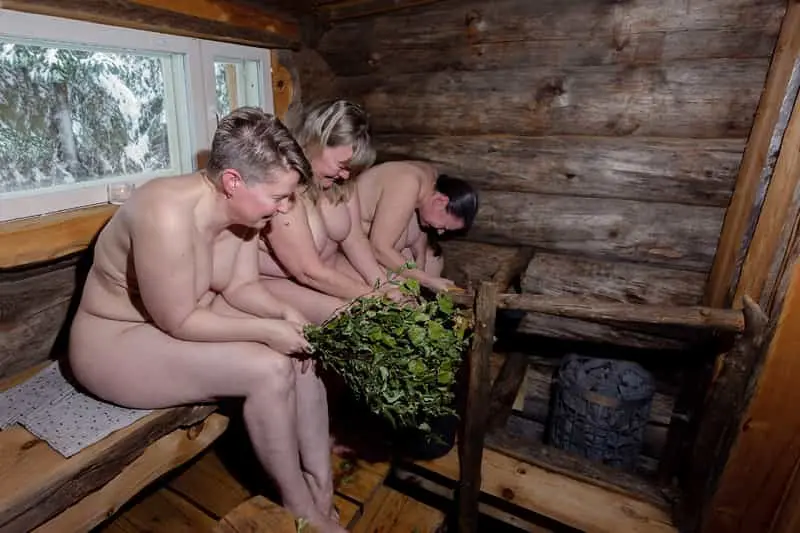
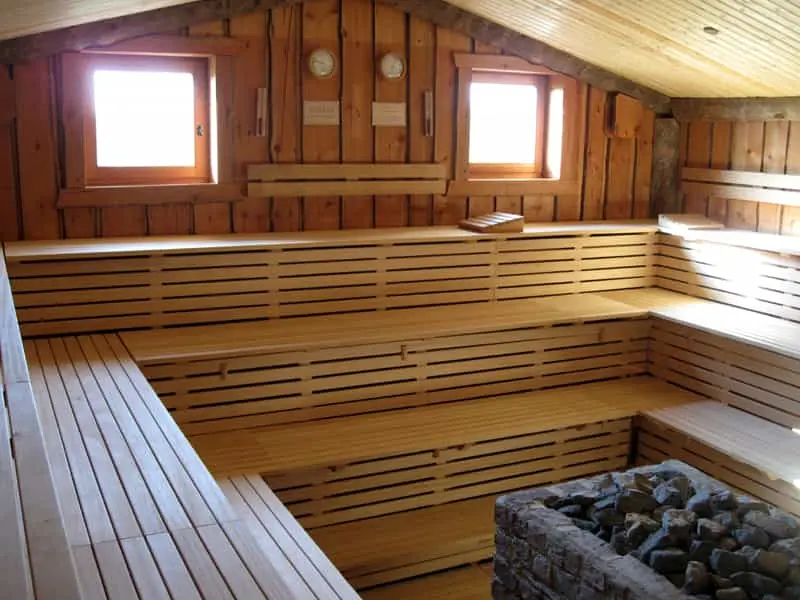
| Finnish sauna (dry sauna) | Heating stones with an electric furnace typically results in a temperature that...extremely high. | Low | The air is dry and scorching, like in the desert, where sweat evaporates quickly. |
| Steam bath (wet steam) | Saturated steam is produced using a steam generator at a relatively low temperature. | extremely high | The air was humid and stuffy, like being in a tropical rainforest. You could feel the moisture when you breathed it in, and you were sweating profusely. |
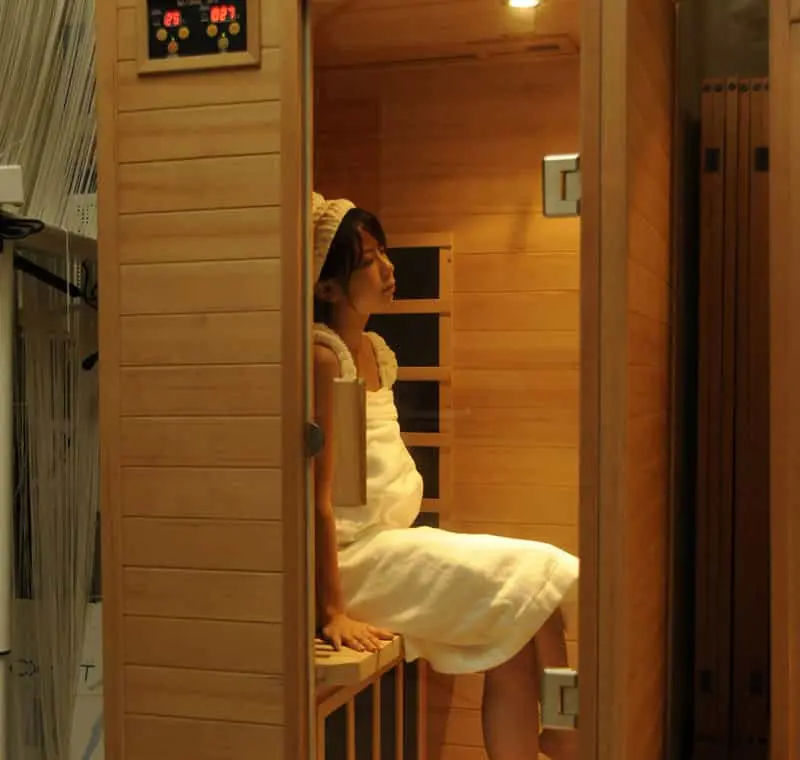
| Infrared sauna | It uses an infrared heating element to emit far-infrared rays that penetrate directly into the skin.Heating from within the body. | Low | The air temperature is not high, making it feel comfortable, but you will feel a deep warmth inside your body, and the sweating effect is significant. |

Precautions and procedures for using a sauna
To enjoy a sauna safely and effectively, please follow these steps:
- Before use:
- Bathing: First, rinse your body and dry it.
- Replenish fluids: Drink a glass of water to prevent dehydration.
- Taboo: It is not advisable to use it after drinking alcohol, after a full meal, or when hungry.
- In use:
- time: The duration of each stay is 10-15 minutes It is advisable for beginners to start with 5-8 minutes.
- Location: Start by getting used to the lower benches; the higher you go, the warmer it gets.
- Feelings: If you feel any discomfort (such as dizziness, nausea, or difficulty breathing), you shouldLeave immediately.
- Relax: Sit or lie down and breathe evenly.
- After use:
- cool down: Walk out slowly and rinse with warm or cold water to gradually cool down your body.
- rest: Relax in the rest area and drink plenty of water or electrolyte drinks to replenish fluids.
- cycle: The "steam-bake-cool-rest" cycle can be repeated 2-3 times for best results.
A sauna is not just a heating device, but also a combination of...Detoxification, relaxation, health care, and social interactionA multifunctional health space. Using it correctly can bring great benefits to both body and mind.

Historical Timeline: The Evolution of Saunas from 2000 onwards (with charts)
| Time period | event | Influence |
|---|---|---|
| 2000 BC | Finnish indigenous people use "savusauna": a pit dwelling with piles of burning wood and stones. | The earliest prototype had no chimney; the walls were blackened by smoke. |
| 1100 AD | The Finns invented the "wooden sauna" with a chimney. | Improving air quality has become a standard feature in every household. |
| 1936 | The Berlin Olympics featured a "sauna recovery room for athletes" for the first time. | Pioneering the concept of "sports medicine sauna" |
| 1950s | Electric sauna heater (founded by HARVIA) | From wood-burning to electricity, entering urban homes. |
| 1970s | Japan introduces "far-infrared sauna" | Low-temperature deep heating opens up medical applications |
| 2005 | Finnish sauna has been listed as a UNESCO Intangible Cultural Heritage. | Cultural certification accelerates global promotion |
| 2015 | JAMA publishes study "Sauna reduces cardiac mortality by 54%" | Scientific evidence ignites a surge in health investment. |
| 2023 | NASA will use a "microgravity infrared sauna" for astronaut rehabilitation. | A New Chapter in Space Medicine |
| 2025 | AI-powered smart saunas launched (Chinese brand "Muyu") | Heart rate monitoring + automatic temperature control: Entering the smart home |
Scientific Data: Quantitative Effects of Sauna on the Human Body
1. Cardiovascular health (Kuopio Study, Finland, 1984–2020)
| Sauna frequency (weekly) | The risk of death from heart disease has decreased. | Stroke risk decreases |
|---|---|---|
| 1 time | ↓22% | ↓14% |
| 2–3 times | ↓39% | ↓31% |
| 4–7 times | ↓54% | ↓62% |
Source:JAMA Internal Medicine, 2015; Laukkanen et al.
2. Sweating and detoxification (heavy metal excretion)
| heavy metal | Excretion volume during a single sauna session (20 minutes) | Daily urine output (control group) |
|---|---|---|
| Lead (Pb) | 128 μg | 3.2 μg |
| Cadmium (Cd) | 12 μg | 0.8 μg |
| Mercury (Hg) | 9 μg | 0.3 μg |
Source:Environmental Health Perspectives, 2012
3. Heat shock protein (HSP) induction
| Sauna temperature | HSP70 increase factor | Duration |
|---|---|---|
| 70°C | ×3.2 | 48 hours |
| 80°C | ×6.8 | 72 hours |
| 90°C | ×5.1 | 60 hours |
Heat shock proteins can repair protein misfolding, a key to anti-aging.

In-depth comparison of sauna room types
| project | Finnish dry sauna | Steam sauna | Infrared sauna |
|---|---|---|---|
| temperature | 70–100°C | 40–55°C | 45–60°C |
| humidity | 10–20% | Nearly 100% | 20–40% |
| Heating method | Electric heating stone/wood burning | Steam generator | Infrared lights |
| Penetration depth | skin surface | Mucosal respiratory tract | 3–5 cm subcutaneously |
| Suitable for ethnic groups | Heat tolerance, cardiovascular training | Respiratory problems, skin sensitivity | Arthritis, elderly, beginners |
| Electricity consumption (2-person room) | 4.5–6kW | 3–4kW | 1.5–2.5kW |
| shortcoming | Overheating risk | Mold growth | Without the traditional "löyly" steamy feel |
Cause analysis:
- Infrared sauna consumes less powerBecause it does not require heating the air, but only directly radiates heat to the human body, its thermal efficiency reaches [percentage missing].90%(Traditional sauna only 40%).
- Steam saunas are prone to mold.High humidity environments require daily ultraviolet sterilization and ventilation.
Usage guidelines and risk management (medical evidence)
Recommended safe time period
| Experience Level | Single session duration | Intermittent cooling | Weekly cap |
|---|---|---|---|
| beginner | 5–8 minutes | 10 minutes | 2 times |
| intermediate | 10–15 points | 8 minutes | 3–4 times |
| Advanced | 15–20 points | 5 minutes | 5–7 times |
Contraindications (Reasons)
| situation | reason | suggestion |
|---|---|---|
| 3 months after acute myocardial infarction | Vasodilation increases the workload on the heart | ban |
| 12 weeks before pregnancy | High temperature affects embryonic neural tube development | ban |
| After drinking | Alcohol + heatstroke risk ×10 | ban |
| Low blood pressure (<90/60) | Dehydration exacerbates fainting | Limited to 8 minutes |
Cultural Differences and Future Trends
Saunas are no longer a "Nordic luxury," but...Quantifiable, investable, and medically applicableSaunas are a vital part of human health. From smoke pits dating back to 2000 BC to AI-powered smart cabins in 2025, saunas have witnessed humanity's dedication to "thermotherapy."
Key data review:
- Sauna 4 times a week = Heart disease risk ↓54%
- Infrared sauna penetrates 5cm under the skin, suitable for arthritis.
Action recommendations:
- fromInfrared saunaBeginner (Low Risk)
- selectCanadian Hemlock + 4.5kW furnace
- weekly3 times x 15 minutesCombined with cold water bath
- Wear for people with abnormal heart rateSmart bracelet monitoring