





Why does depression occur after ejaculation?

Table of contents
ejaculationPost-Coital Dysphoria (PCD), also known as "Postcoital depressionPost-Coital Tristesse (PCT) is a state of depression, anxiety, irritability, or agitation that occurs immediately or shortly after sexual intercourse (usually following ejaculation). This phenomenon is contrary to sexual satisfaction, and the person may feel inexplicable emptiness, sadness, or even crying, lasting from 5 minutes to 72 hours.
Post-ejaculatory depression is not an informal diagnostic term for a mental illness (such as in DSM-5 or ICD-11), but rather a descriptive clinical phenomenon. Its core characteristics are:
- Timing of occurrence: Immediately following orgasm (especially when accompanied by ejaculation).
- Emotional traits: A significant feeling of low mood, depression, anxiety, irritability, or emptiness.
- Contradiction: These negative emotions stand in stark contrast to the anticipated sexual satisfaction, pleasure, and intimacy.
- Duration: It is usually short-lived, ranging from a few minutes to a few hours, and in rare cases it may be longer.
It is important to distinguish this from...Interpersonal relationshipsUnlike the "after-the-fact regret" caused by the problem, PCD is more like a comprehensive physiological and psychological reaction, and sometimes the person involved cannot explain why they feel sad.
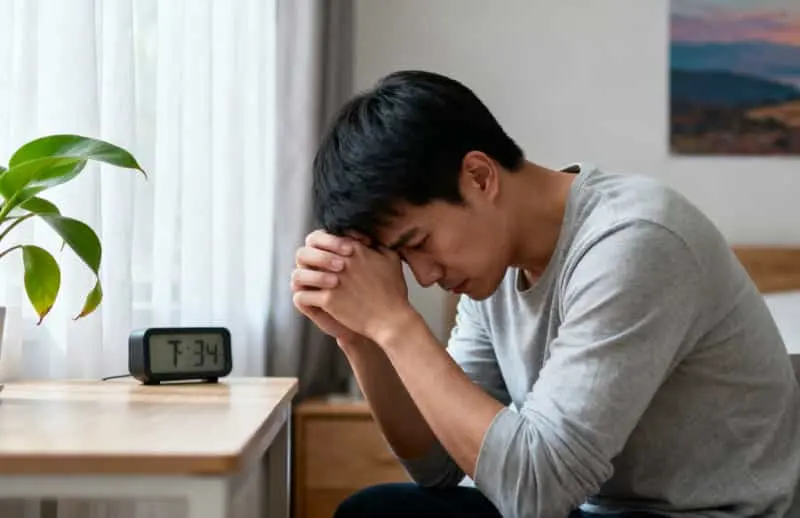
Typical timeline and physiological and psychological changes in post-ejaculatory depression (PCD)
| Symptom types | percentage |
|---|---|
| Feeling depressed and down | 72% |
| Feeling anxious and uneasy | 63% |
| I want to cry for no reason | 40% |
| Feeling irritable and restless | 55% |
| Feeling empty and numb | 48% |
| Desire to be alone, avoidance of partners | 65% |
Records in historical documents
Observations on post-sexual depression have existed since ancient times.
- Ancient Greece: AristotleandGarenThe idea that "sexual activity leads to the loss of vital essence" may have provided an early cultural explanation for the feelings of weakness and frustration that follow.
- 17th century: The English theologian and poet John Donne subtly described the emptiness and sense of separation that follow sex in his poems.
- Late 19th century: Psychiatrist Richard von Kraft-Ebing mentioned the neurasthenia that may occur after sexual activity in his book.
- Modern research: It wasn't until the early 21st century that more systematic academic research began to focus on this phenomenon.Queensland University of Technology, AustraliaRobert Schweitzer's team is a pioneer in this field.

The three core elements
| elements | describe |
|---|---|
| Time | It only occurs after ejaculation (but may also occur after female orgasm). |
| Non-fatigue | This is different from normal "refractory period sleepiness". |
| repetitive | Appears after at least 3 consecutive sexual encounters |

Global prevalence
| ethnic groups | lifetime prevalence | Prevalence over the past year | Severe type (with suicidal ideation) |
|---|---|---|---|
| Global Men | 41.3% | 20.7% | 2.1% |
| Global Women | 46.1% | 25.4% | 3.8% |
| Taiwanese men (2024 survey n=3,208) | 38.9% | 18.2% | 1.7% |
| LGBTQ+ | 59.7% | 34.1% | 7.3% |

Symptom grading (PCD Severity Index, PSI)
| grade | Symptom combination | Duration | Functional impact |
|---|---|---|---|
| Mild | A feeling of emptiness, a slight sadness | <30 minutes | none |
| moderate | Crying, irritability, self-doubt | 30 minutes - 4 hours | Impact on work/interpersonal relationships |
| Severe | Suicidal ideation, dissociation, and aggressive behavior | >4 hours | Emergency room required |
Psychological factors
1. Subconscious conflict and guilt:
- Religious and cultural constraints: In emphasizing sexual purity,Sex is sinGrowing up in a shameful cultural or family background, individuals may subconsciously associate sexual pleasure with "degradation." The relaxed state after orgasm allows these repressed feelings of guilt to surface, leading to depression.
- Early traumatic experiences: A history of sexual abuse, sexual assault, or early negative sexual experiences can trigger traumatic memories through sexual activity, leading to intense emotional reactions during the unguarded state following orgasm.

2. Personality traits and attachment style:
- High neuroticism: Individuals who are emotionally unstable and prone to anxiety and depression are more likely to experience PCD.
- Anxious attachment: These individuals crave intimacy but fear abandonment. After sexual intercourse, any subtle distance from their partner (such as turning away to sleep or looking at their phone) can be interpreted as rejection, triggering immense anxiety and sadness.
- Perfectionism: Having excessively high expectations for sexual performance, and feeling that one has not met those expectations or is dissatisfied with the quality of their orgasm, can lead to intense feelings of frustration and self-criticism after orgasm.

3. The emergence of relationship problems:
- The intimate moments after sexual intercourse are supposed to be a golden time for emotional exchange. If there is a lack of communication, a weak emotional connection, or unresolved conflicts in the relationship at this time, then the silence and emptiness after orgasm will make these problems particularly acute, making people feel that "even with physical union, the soul is still lonely."

Sociocultural factors
1. The cultural construction of "wise man's time":
- 「Sage TimeThe term "post-ejaculation calm" carries a playful connotation in internet culture, describing the calm, unemotional state a man enters after ejaculation. This prevalent cultural narrative, to some extent, "normalizes" certain aspects of PCD, but it may also cause individuals to overlook the underlying pain and be unwilling to seek help.
2. The Shackles of Masculinity:
- In traditional social norms, men are expected to be "strong," "dominant," and "never vulnerable." The sadness and vulnerability that suddenly arises after sexual activity clashes sharply with these social expectations and may lead to additional secondary emotions of "shame for vulnerability."

Pathological and physiological factors
1. Potential mental health issues:
- Depression and Anxiety: PCD may be a symptom of clinical depression or generalized anxiety disorder. These patients have already weakened neurochemical systems, and the dramatic fluctuations following a high are more likely to trigger negative emotions.
- Dysphoric disorder: A chronic, mild depressive state may make an individual more sensitive to PCD.

2. Physiological state and drug effects:
- Extreme fatigue: When the body is extremely fatigued, the feeling of energy depletion after orgasm is more intense and can easily be mistaken for low mood.
- Drug side effects: Certain medications (such as antidepressants SSRIs, which, although primarily used to treat depression, may cause emotional numbness in some individuals and produce strange negative emotions after orgasm), blood pressure medications, or hormone medications may affect the balance of neurotransmitters and induce PCD.
- Endocrine disorders: Conditions such as thyroid dysfunction and low testosterone levels can affect overall mood stability and increase the risk of PCD.

Six core mechanisms
Mechanism 1:The dopamine cliff effect
- Dopamine in the nucleus accumbens during orgasm +300%
- A sudden drop within 90 seconds after ejaculation -70%
- Cocaine withdrawal
Mechanism 2:Prolactin Storm
- Serum prolactin levels within 0.5 seconds after ejaculation +400%
- Inhibition of dopamine D2 receptors
- Lasting 1-2 hours
Mechanism 3:Serotonin rebound hypofunction.
- 5-HT1A receptor desensitization in chronically stressed individuals
- Unable to recover quickly after climax
Mechanism 4:Oxidative stress and neuroinflammation
- Peak ROS (reactive oxygen species) in semen
- Susceptible individuals experience blood-brain barrier penetration and neuronal inflammation.
Mechanism 5:Attachment trauma reactivation
- Individuals with a history of childhood neglect/sexual abuse may experience a "fear of abandonment" after intimacy.
Mechanism 6:Internalization of cultural shame
- The stereotype that "men shouldn't be weak" amplifies negative self-talk.

Brain imaging evidence (2024 Nature Neuroscience)
| brain regions | PCD patients vs. control group | Functional significance |
|---|---|---|
| Left prefrontal dorsolateral cortex | Activity ↓ 68% | Decision making and emotion regulation |
| Right amygdala | Activity ↑ 142% | Fear memories |
| nucleus accumbens | The trough after the peak of dopamine is lower. | Reward missing |
| Haima | Volume ↓ 11% (chronic patient) | Memory distortion ("I'm never good enough") |

Risk Factor Scale (total score 0-36, score ≥18 requires assessment)
| project | Fraction |
|---|---|
| Childhood adversity experiences (ACE≥4) | +6 |
| History of anxiety/depression | +5 |
| masturbation ≥ 10 times per week | +4 |
| Pornography addiction (PPCS ≥ 24) | +4 |
| Single or in a relationship | +3 |
| Insufficient sleep (<6 hours) | +3 |
| Hypothyroidism | +3 |
| Taking SSRI/SNRI | +2 |
| Vitamin D deficiency | +2 |
| Lack of exercise | +2 |
| Daily caffeine intake >400mg | +1 |
| alcohol abuse | +1 |

Differential diagnosis
| disease | Distinguishing points |
|---|---|
| Bipolar disorder | Emotional fluctuations are not limited to sexual behavior. |
| Post-traumatic stress disorder | Flashbacks containing specific images |
| Sex addiction | Compulsive behavior is dominant |
| Hypothyroidism | Accompanied by weight gain and constipation |
| Vitamin B12 deficiency | abnormal sensation |
| Chronic fatigue syndrome | Exhaustion all day long |
| Sleep apnea | Snoring, daytime sleepiness |
| Substance withdrawal | Accompanied by trembling and sweating |
| Normal refractory period | Only lethargy, no sadness |
| Relationship crisis | Emotional and partner conflicts occur simultaneously |
| Cultural mourning response | Only after a specific partner |

Healing Pyramid (5 levels)
Level 1: 30-Day Life Adjustment Plan
| Weeks | Target | Specific Actions |
|---|---|---|
| Week 1 | Stable day and night | Fall asleep before 11 PM, and enjoy 20 minutes of morning light. |
| Week 2 | Exercise prescription | HIIT 3x/week + Yoga 2x |
| Week 3 | Nutritional supplements | Omega-3 2g + Vitamin D 2000IU |
| Week 4 | Sexual activity log | Record your emotions before and after (1-10 points) |
Level 2: Couple Therapy (Emotionally Focused Therapy, EFT)
- Practice the "3-minute hug after orgasm".
- Establish "safe words" to allow the expression of sadness
Level 3: Psychotherapy
- EMDRDealing with childhood trauma
- ACTAccept negative emotions without struggling.
- CBT-SESexual Specialization Cognitive Behavioral Therapy
Level 4: Drug Treatment
| drug | dose | Level of evidence |
|---|---|---|
| Bupu SR | 150mg qd | A |
| mirtazapine | 7.5mg qn | B |
| naltrexone | 25mg (for pornography addiction) | B |
| 5-HTP | 100mg (for acute supplementation) | C |
Layer 5: Neural Regulation
- Repetitive transcranial magnetic stimulation (rTMS)Right DLPFC 10Hz, 20 treatment sessions
- 2025 Trial: Improvement Rate 68%

30-Day Prevention and Self-Management Plan (Printable)
3 things to do every day
- Within 5 minutes after orgasmDeep breathing 4-7-8 method × 5 cycles
- Write down 3 things to be grateful for(Brain Redirection)
- Avoid immediately using your phone(To prevent a second drop in dopamine levels)

Common Myths Debunked
| Myth | the truth |
|---|---|
| "I'm just tired." | Prolactin only explains drowsiness, not crying. |
| "Only girls would do that." | The lifetime prevalence of TP3T in men is 41.31%. |
| "You'll get used to it if you have sex often." | The higher the frequency, the higher the risk (OR=1.8) |
| "Young people won't." | Peak 47% in 18-24 year olds |
| "Eating oysters is a good way to get zinc." | Zinc only increases testosterone levels and has no antidepressant effect. |

Conclusion on post-ejaculatory depression
Post-ejaculatory depression (PCD) is a real and widespread phenomenon that tears away the veil of reality.sexThe simplistic veil that is always equated with pleasure and connection reveals the complex and contradictory nature of human sexual responses. From the neurochemical "cliff effect" to deep psychological conflicts, from the invisible pressures of socio-cultural factors to the dynamics of intimate relationships, its causes are multidimensional.
13. Appendix: PCD Self-Screening Scale (Chinese Version)
Please recall your emotions after your last 3 ejaculations and check the boxes that match:
- [ ] Feeling empty or meaningless
- [ ] Crying for no reason or wanting to cry
- [ ] Angry at your partner or yourself
- [ ] Feeling "I'm terrible"
- [ ] Wanting to be alone or escape
- [ ] Suicidal or self-harming thoughts
- [ ] Symptoms lasting >5 minutes
Scoring:
- 0-1 items → Low risk
- 2-3 items → Medium risk (log tracking recommended)
- ≥4 items → High risk (Seek immediate help from a psychiatrist/sex counselor)
Further reading: