




Why does semen have an odor?

Table of contents
The odor of semen primarily comes from its chemical composition and biological characteristics. Normally, semen has a distinctive odor, often described as slightly salty or similar.bleachThe smell is due to the following reasons:
chemical composition:
- alkaline substancesThe pH value of semen is usually between 7.2 and 8.0, which is slightly alkaline. This is related to the alkaline compounds it contains, such as spermine and spermidine. When these compounds oxidize in the air, they release an odor similar to ammonia or chlorine.
- Proteins and enzymesSemen contains a large number of proteins and enzymes, such as prostate-specific antigen (PSA), which may produce a slight odor during decomposition.
- Fructose and other nutrientsSemen contains fructose, which serves as an energy source for sperm. When fructose is metabolized or comes into contact with air, it may produce a subtle sweetness or fermented odor.

Microbial activity:
- When semen is exposed to air, bacteria or other microorganisms may interact with its components, causing changes in odor. For example, oxidation processes or bacterial decomposition may enhance the odor.
Individual differences:
- Diet: Certain foods (such as garlic, onions, and asparagus) may affect the smell of semen because the metabolic products of these foods enter bodily fluids.
- Lifestyle: Smoking, drinking alcohol, or drug use can also alter the smell of semen.
- Health conditions: Infections (such as prostatitis or sexually transmitted infections) can cause abnormal odors, such as a fishy or foul smell.
Is the odor of semen related to cleanliness?
The odor of semen is related to personal hygiene, but it is not a direct determining factor. The following is a detailed analysis:
The relationship between cleanliness and odor:
- Personal hygieneIf the genital area is not kept clean, sweat, sebum, or bacteria can mix with semen, leading to a stronger or unpleasant odor. Maintaining good hygiene practices, such as washing the genital area daily, helps reduce additional odor disturbances.
- Environmental factorsThe longer semen is exposed to air, the more pronounced the oxidation and bacterial activity become, potentially resulting in a stronger odor. Therefore, timely cleaning helps maintain the "original state" of the odor.
Abnormal Odors and Health:
- If semen has an unusual odor (such as a fishy or putrid smell), it may be related to an infection or health problem, rather than a simple hygiene issue. For example, prostatitis or a urethral infection can change the smell of semen, which requires medical examination rather than simply cleaning.
The effects of cleaning:
- Over-cleaning (such as using strong chemical cleaners) can disrupt the natural flora of the genital area, leading to irritation or infection and indirectly affecting the odor of semen. Therefore, moderate cleaning using mild soap is more ideal.

The effect of time period on semen odor
The odor of semen can vary depending on the time of day (e.g., different times of day or different seasons), and this is related to the following factors:
circadian rhythm:
- Hormonal changesTestosterone levels are typically higher in the morning, which may affect the concentration and composition of semen, and consequently, its odor. Studies have shown that morning semen may have a stronger odor due to hormonal influences.
- Metabolic activityChanges in diet, exercise, and metabolism throughout the day can affect the chemical composition of body fluids. For example, consuming high-protein or spicy foods after dinner may make semen smell more pronounced at night.
Environment and Season:
- Hot or humid environments (such as in summer) can accelerate bacterial growth, causing semen to change odor more quickly after exposure. Conversely, dry or cold environments may slow down this change.
Abstinence time:
- Prolonged abstinence may lead to increased semen concentration and a stronger odor. Conversely, frequent ejaculation may result in thinner semen and a milder odor.
The following chart shows the subjective ratings of semen odor intensity at different times (morning, noon, and evening).
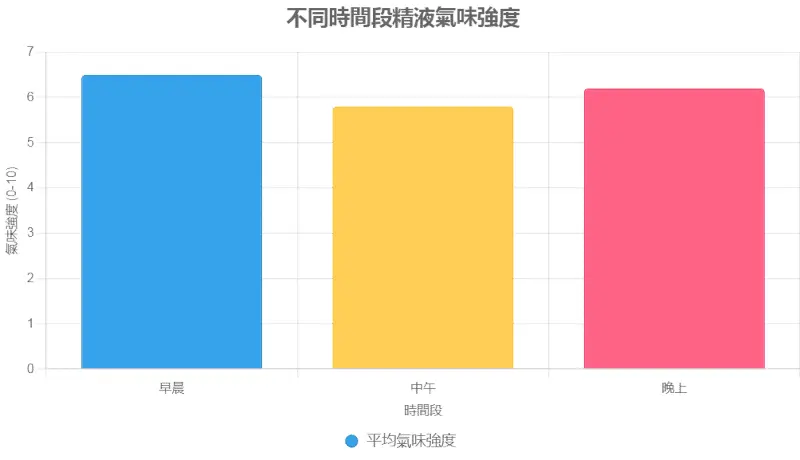
Chart ExplanationThe odor intensity is slightly higher in the morning, which may be related to testosterone levels; the odor is lighter at noon, which may be due to stable metabolism; and the odor is slightly stronger in the evening, which may be related to diet or fatigue.
Reasons for the odor of semen
In addition to the chemical components and microbial effects mentioned above, the following factors may also affect the odor of semen:
Dietary habits:
- High-sulfur foods (such as garlic and onions) can increase the pungent smell of food.
- Fruits (such as pineapple) may make the smell sweeter (although this is not entirely confirmed).
Health Status:
- Infections such as prostatitis or sexually transmitted diseases (such as gonorrhea) can cause abnormal odor.
- Metabolic disorders: Diabetic patients may have semen with a sweet taste or abnormal odor due to abnormal ketone body metabolism.
lifestyle:
- Smoking and drinking alcohol can make semen smell stronger or have a chemical taste.
- Lack of exercise or obesity may affect fluid metabolism, indirectly altering body odor.

Does the smell of semen have any benefits?
While the odor of semen itself offers no direct "benefits," its presence and changes can serve as an indicator of health, offering the following indirect benefits:
Health monitoring:
- A normal odor indicates a healthy reproductive system, while an abnormal odor may be an early sign of disease, prompting timely medical attention.
biological function:
- Semen odor may have played an attraction or identification role in evolution, although this function is no longer obvious in modern humans.
Psychology and Intimate Relationships:
- For some people, familiar scents may enhance comfort or intimacy in close relationships.
Reminders on diet and lifestyle:
- Changes in odor may prompt individuals to adjust their diet or lifestyle, such as reducing spicy foods or quitting smoking.

suggestion
The odor of semen is primarily determined by its chemical composition, microbial activity, individual diet, and health condition. Cleanliness can help maintain a normal odor, but abnormal odors are usually associated with health problems rather than simply inadequate hygiene. The time of day (such as morning or evening) can affect odor intensity due to hormonal or metabolic changes. While the odor itself has no direct health benefits, it can serve as an indicator of health, helping to detect potential problems early.
- Maintain good personal hygiene and use mild cleaning products.
- Pay attention to a balanced diet and avoid excessive consumption of high-sulfur foods.
- If you experience any unusual odor (such as a fishy or rotten smell), seek medical attention promptly.
- Regularly check your reproductive health, especially if you experience any abnormal symptoms.

Further reading: