





What is the function of the male prostate?

Table of contents
Anatomical structure and basic functions of the prostate
prostateThe prostate gland, also known as the bladder, is a male-specific reproductive organ located in the pelvic cavity, between the bladder and the bladder.Urogenital diaphragmLocated between the rectum and the anterior wall of the rectum, the prostate gland is shaped like an inverted chestnut, weighs about 20 grams, has a longitudinal diameter of 3 cm, a transverse diameter of 4 cm, and an anteroposterior diameter of 2 cm. The prostate surrounds the beginning of the urethra, through which the urethra passes. This unique anatomical location determines its close connection to both the reproductive and urinary systems.
The prostate gland is composed of glandular tissue, smooth muscle, and connective tissue. Based on its histological structure, it can be divided into the peripheral zone, central zone, and transition zone. The peripheral zone is a common site for prostate cancer, while the transition zone is the primary area for benign prostatic hyperplasia (BPH).
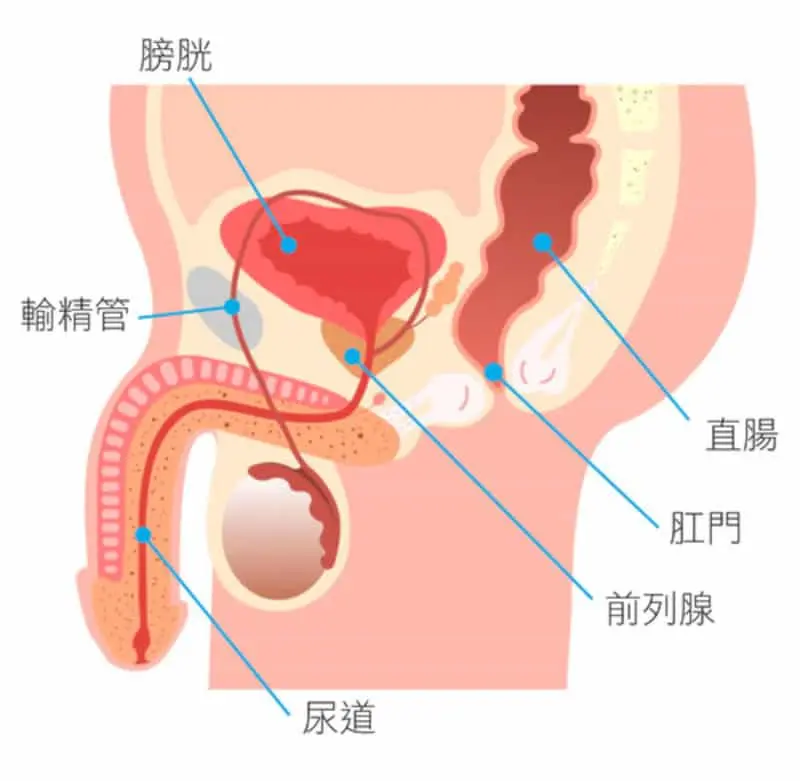
Main functions:
- Prostatic fluid is produced.The main function of the prostate gland is to secrete an alkaline fluid, which makes up 20-30% of the semen volume. This fluid contains enzymes (such as prostate-specific antigen PSA), zinc, citric acid, and fructose, which nourish and protect sperm, helping them survive and motility in the female reproductive tract. When a man ejaculates, the prostate muscles contract, propelling the semen out of the body. This is the prostate gland's core contribution to the reproductive process, ensuring sperm motility and fertilization success.
- Assisted urethral controlThe prostate gland surrounds the urethra and helps maintain the normal flow of urine, but when it enlarges, it can compress the urethra and cause urethral problems.
- Hormone regulationThe prostate gland is influenced by testosterone and dihydrotestosterone (DHT), which promote its development and function.
Reason: Evolutionarily, the prostate gland was designed to improve reproductive efficiency. In mammals, prostatic fluid neutralizes the acidic environment of the vagina, protecting sperm from death and thus increasing reproductive success.
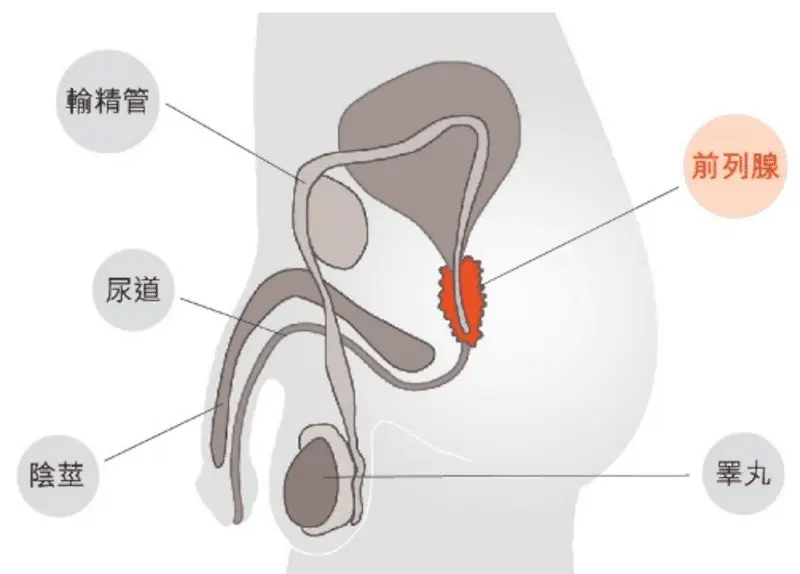
Physiological functions of the prostate
One of the main functions of the prostate gland is to secrete prostatic fluid, a crucial component of semen, comprising approximately 30% of its total volume. Prostatic fluid contains various components, each playing a key role:
- Citric acid: provides an energy source for sperm and maintains sperm metabolic activity.
- Acid phosphatase: It is closely related to sperm motility and fertilization capacity and is an important indicator for assessing prostate function.
- Zinc ions: have antioxidant properties, can protect sperm from free radical damage, and enhance sperm motility.
- Proteolytic enzymes and plasminogen activators can promote semen liquefaction. Freshly ejaculated semen is in a frozen state, which helps it remain in the vagina; however, under the action of these enzymes in prostatic fluid, the semen liquefies within minutes to tens of minutes, allowing sperm to move freely, pass smoothly through cervical mucus, and reach the fallopian tubes to fertilize the egg.
Although the prostate is small, it has significant benefits for men's health, mainly in terms of reproduction and overall physiology.

Controlling urination and maintaining the normal functioning of the urinary system
The prostate gland surrounds the beginning of the urethra, and its circular smooth muscle forms part of the urethral sphincter. During urination, the prostate smooth muscle relaxes, opening the urethral lumen to facilitate urine flow; while in the non-urination state, the smooth muscle contracts, closing the urethra and preventing urine leakage. This regulatory mechanism ensures the controllability and continuity of urination.

Secreting hormone precursors and participating in endocrine regulation
The prostate gland secretes hormone precursors, such as 5α-reductase, which converts testosterone into the more potent dihydrotestosterone (DHT). DHT plays a crucial regulatory role in prostate growth and development, as well as sperm maturation, and also participates in the maintenance of male secondary sexual characteristics.
Reproductive health support:
- Pregnant fluid provides essential components for semen: it makes semen alkaline (pH approximately 7.2-8.0), protecting sperm from damage caused by an acidic environment. Studies show that men lacking prostatic fluid have a 30-50% lower sperm survival rate, impacting fertility.
- Enzyme function: PSA enzymes can liquefy semen, help sperm move freely, and increase the chances of conception.
Hormone balance:
- The prostate gland is involved in androgen metabolism, maintaining stable male hormone levels and contributing to muscle growth, bone density, and libido.
Prevention of infection:
- Prostatic fluid contains antibacterial substances, such as zinc and immunoglobulins, which can inhibit bacterial growth and protect the urogenital system.
Overall health benefits:
- A healthy prostate helps maintain urethral function and reduces the risk of urinary incontinence. Studies indicate that regular exercise and a healthy diet can reduce the risk of prostate problems by 20-30%, indirectly improving quality of life.
Reason: These benefits stem from the prostate gland's structure and secretory function, which have evolved to adapt to human reproductive needs. Data shows that men with healthy prostates have a fertility success rate approximately 151 TP3T higher than those with problems.

Common prostate diseases
Although the prostate gland plays an important physiological role, it is also susceptible to various factors that can lead to disease and harm men's health. Here are some common prostate diseases:

1. Prostatitis
Prostatitis is an inflammatory reaction of the prostate gland caused by infection with pathogens such as microorganisms or stimulation by certain non-infectious factors. It is a common disease among young and middle-aged men.
Onset time period
- Acute bacterial prostatitis: It can occur in men of any age, but is more common in sexually active men aged 20-40. There is no obvious seasonal difference, and it often has a sudden onset.
- Chronic prostatitis: It is more common in men aged 20-50, has a long course, and can recur.
(2) Etiology
- Acute bacterial prostatitis: Primarily caused by bacterial infection, with Escherichia coli being the most common causative agent, followed by Staphylococcus and Streptococcus. The main routes of infection are retrograde infection via the urethra, such as from urethritis or cystitis, which can spread to the prostate; and infection via the bloodstream, such as from infections in other parts of the body (e.g., tonsillitis, dental caries), which can reach the prostate via the bloodstream. In addition, iatrogenic factors such as indwelling catheters and urethral instrumentation may also induce infection.
- Chronic prostatitis: The causes are complex and may be related to the following factors:
- Pathogen infection: Although bacterial infection is not the only cause of chronic prostatitis, some patients may be infected by pathogens (such as chlamydia, mycoplasma, bacteria, etc.), and most of these infections are retrograde infections.
- Immune factors: When the body's immune function is low or immune system is disordered, prostatitis is more likely to occur, and the condition is prone to recurrence.
- Urine reflux: Urine reflux into the prostate can irritate the prostate tissue and cause chemical inflammation.
- Psychological factors: Long-term mental stress, anxiety, depression and other negative emotions may cause or aggravate the symptoms of prostatitis.
- Lifestyle habits: prolonged sitting, long-distance cycling, irregular sexual activity (excessive frequency or long-term abstinence), excessive alcohol consumption, and consumption of large amounts of spicy and irritating foods can all induce or aggravate chronic prostatitis.
(3) Symptoms and effects
- Acute bacterial prostatitis: The onset is sudden, with patients experiencing systemic symptoms such as high fever, chills, and fatigue, accompanied by perineal and lower abdominal pain and distension, burning sensation during urination, urgency, and frequency. In severe cases, urinary retention may occur. If treatment is not timely or thorough, it may develop into chronic prostatitis or even lead to serious complications such as abscesses.
- Chronic prostatitis mainly manifests as dull pain or discomfort in the perineum, lower abdomen, and lumbosacral region, as well as abnormal urination symptoms such as frequent urination, urgency, incomplete urination, and post-micturition dribbling. Some patients may also experience sexual dysfunction (such as erectile dysfunction, premature ejaculation, and painful ejaculation) and psychological symptoms (such as anxiety, depression, and insomnia). Chronic prostatitis has a prolonged course and seriously affects the patient's quality of life.

2. Benign prostatic hyperplasia (BPH)
Benign prostatic hyperplasia (BPH) is a common benign disease in middle-aged and elderly men. It is mainly characterized by the proliferation of prostate cells, which leads to an enlarged prostate, compresses the urethra, and causes symptoms such as difficulty urinating.
(1) Time period of onset
The occurrence of benign prostatic hyperplasia (BPH) is closely related to age. Generally, prostate tissue hyperplasia begins after age 40, and obvious clinical symptoms appear after age 50. Statistics show that the prevalence of BPH in men over 50 is approximately 50%, reaching 60% in those over 60, and exceeding 80% in those over 70.
(2) Etiology
Currently, it is believed that the occurrence of benign prostatic hyperplasia (BPH) is mainly related to aging and changes in androgen levels.
- Age factor: As people age, prostate tissue gradually undergoes degenerative changes, and the imbalance between cell proliferation and apoptosis leads to an increase in prostate volume.
- Hormonal factors: Androgens (mainly testosterone) play an important role in the development of benign prostatic hyperplasia (BPH). Testosterone is converted to dihydrotestosterone (DHT) by 5α-reductase, and DHT can stimulate prostate cell proliferation, thus leading to BPH. In addition, an imbalance between estrogen and androgen levels may also be involved in the development of BPH.
(3) Symptoms and effects
The main symptoms of benign prostatic hyperplasia (BPH) include difficulty urinating, urinary frequency, urgency, weak urine stream, interrupted urination, and incomplete emptying of the bladder. As the condition progresses, complications such as urinary retention, bladder stones, and hydronephrosis may occur, and in severe cases, kidney function may be impaired. These symptoms not only affect patients' sleep and daily life but can also cause psychological stress.

3. Prostate cancer
Prostate cancer is a malignant tumor that occurs in the epithelial cells of the prostate gland and is one of the most common malignant tumors of the male genitourinary system.
(1) Time period of onset
The incidence of prostate cancer increases with age, and it is most common in men over 50 years of age, with the incidence increasing with age. In China, the median age of onset for prostate cancer is approximately 72 years.
(2) Etiology
The exact cause of prostate cancer is not fully understood, but it is currently believed to be related to the following factors:
- Genetic factors: Family history is an important risk factor for prostate cancer. If there is a history of prostate cancer in a family, the risk of developing prostate cancer in relatives is significantly increased.
- Hormonal factors: Androgens play an important role in the occurrence and development of prostate cancer. The growth of prostate cancer cells depends on androgens, and lowering androgen levels can inhibit the growth of prostate cancer cells.
- Dietary factors: A long-term high-fat, high-protein diet, especially excessive intake of animal fat, may increase the risk of prostate cancer; while consuming foods rich in antioxidants such as vitamin E, selenium, and lycopene may help reduce the risk.
- Environmental factors: Long-term exposure to certain chemicals (such as cadmium, benzene, etc.) and radiation may also be associated with the development of prostate cancer.
(3) Symptoms and effects
Early-stage prostate cancer often presents with no obvious symptoms. As the tumor enlarges and compresses the urethra, symptoms similar to those of benign prostatic hyperplasia (BPH) may appear, such as urinary frequency, urgency, and a weak urine stream. Late-stage prostate cancer can metastasize. Metastasis to the bones can cause bone pain and pathological fractures; metastasis to the lymph nodes can cause lymph node enlargement; and metastasis to internal organs can cause dysfunction of those organs. If prostate cancer is detected early and treated promptly, the prognosis is relatively good; however, the treatment outcome for late-stage prostate cancer is poor, seriously threatening the patient's life and health.

IV. Comparative Analysis of Different Prostate Diseases (Table Presentation)
| Disease type | Peak age of onset | Main causes | Typical symptoms | Severity |
|---|---|---|---|---|
| Acute bacterial prostatitis | 20-40 years old | Bacterial infection (E. coli, etc.) | High fever, chills, perineal pain, frequent urination, urgency, and painful urination. | The swelling is high, and if left untreated, it can lead to abscesses, etc. |
| Chronic prostatitis | 20-50 years old | Pathogen infection, immune factors, urine reflux, etc. | Perineal discomfort, frequent urination, urgency, incomplete urination, sexual dysfunction | Moderate illness, long course, affecting quality of life. |
| Benign prostatic hyperplasia | 50 years and older | Age and changes in androgen levels | Difficulty urinating, frequent urination, weak urine stream, incomplete emptying of the bladder | As the disease progresses and worsens, it can impair kidney function. |
| Prostate cancer | It is most common in people over 50 years old, around 70 years old. | Genetics, hormones, diet, environment, etc. | Early stages are asymptomatic, while later stages present with symptoms such as difficulty urinating and bone pain. | Serious, life-threatening in later stages |

Time period and data display
- Puberty (10-20 years old): Prostate development, influenced by testosterone.
- Middle-aged (20-50 years old): Prostatitis is common and lasts for several months.
- Older adults (after age 50): The risk of BPH and cancer increases sharply. BPH symptoms gradually worsen over 5-10 years, and cancer takes 10-20 years from being asymptomatic to metastasizing.
Statistical trendsFrom 1975 to 2023, the mortality rate of prostate cancer declined from its peak (18.7 per 100,000 in 2023). From 2001 to 2021, the incidence rate was highest in people over 70 years of age (586 per 100,000).
Changes in prostate cancer incidence and mortality over time (per 100,000 men)
| years | Incidence rate | mortality rate | Explanation of reasons |
|---|---|---|---|
| 1975 | Approximately 100 | Approximately 30 | Insufficient screening, late diagnosis |
| 1993 | Approximately 150 | Approximately 38 | PSA screening is widespread, leading to a peak in incidence. |
| 2000 | 140 | 28 | Advances in treatment lead to decreased mortality. |
| 2010 | 130 | 22 | Early detection halve the mortality rate |
| 2022 | 120.2 | 19.2 | Lifestyle improvements, vaccine research |
| 2023 | 118 | 18.7 | Continued decline, increased awareness of prevention |
Data source: SEER and Statista. Trend: Mortality rate decreased by 501 TP3T from 1993-2022 due to early PSA detection and treatment such as surgery/radiotherapy.

Timing of BPH symptoms and risk factors
| age group | Incidence (%) | Common symptoms | Etiology |
|---|---|---|---|
| <40 years old | <5 | rare | Infection or trauma |
| 40-50 years old | 20-30 | Mild frequent urination | Preliminary Hormone Changes |
| 50-60 years old | 50 | Nocturia, weak urine stream | DHT accumulation, family history |
| 60-70 years old | 70 | Urinary urgency, residual urine | Age-related inflammation |
| >70 years old | 90 | Severe blockage may cause kidney damage. | Fibrosis and the accumulation of lifestyle factors |
Data source: Mayo Clinic. Reason: Aging leads to cell proliferation, resulting in accumulated risks over time.
Comparison of risk factors for prostate disease
| disease | Key risk factors | Benefits (Prevention) | Disadvantages (complications) |
|---|---|---|---|
| Prostatitis | Infection, diabetes | Antibiotics provide rapid relief | Chronic pain affects sex life |
| BPH | Age, hormones | Drugs such as finasteride are effective | Urethral obstruction, surgical need |
| Cancer | Family history, obesity | Early screening leads to a high cure rate | Transfer, risk of death |
Cause: Risk factors interact and amplify the negative effects, such as obesity increasing cancer recurrence (20%).

suggestion
The prostate gland primarily supports reproductive function, but its negative effects, such as the risk of disease, should not be ignored. A healthy lifestyle (such as exercise and a diet rich in fruits and vegetables) can reduce the impact of these factors. Regular PSA testing (for those over 50) helps in early detection. Data shows that preventative measures can further reduce mortality by 10-20%. If symptoms occur, seek medical attention promptly.
Recommendations for Prostate Health
To maintain prostate health and prevent prostate diseases, men should pay attention to the following points in their daily lives:
- Maintain good lifestyle habits: avoid prolonged sitting, engage in appropriate physical exercise such as walking, jogging, and swimming to promote blood circulation in the prostate; maintain regular sexual activity and avoid excessive frequency or prolonged abstinence; avoid excessive alcohol consumption and excessive consumption of spicy and irritating foods.
- Pay attention to personal hygiene: Keep the perineal area clean to prevent urinary tract infections, thereby reducing the chance of prostate infections.
- A balanced diet includes plenty of fresh vegetables, fruits, whole grains, and other foods rich in fiber and vitamins; moderate intake of foods rich in trace elements such as zinc and selenium, such as oysters, lean meat, and nuts; and a reduction in the intake of high-fat and high-protein foods.
- Regular physical examinations: Men, especially those over 50, should have regular prostate examinations, such as prostate-specific antigen (PSA) testing, digital rectal examination, and ultrasound examination, in order to detect prostate diseases early and treat them in a timely manner.
The prostate gland, a vital organ unique to men, plays an indispensable role in the reproductive and urinary systems. Its secreted prostatic fluid ensures normal sperm function and also participates in urination regulation. However, the prostate gland is susceptible to various diseases, such as prostatitis, benign prostatic hyperplasia (BPH), and prostate cancer. These diseases not only affect patients' quality of life but can also be life-threatening in severe cases.
Understanding the physiological functions of the prostate, the causes, onset times, and symptoms of common prostate diseases can help men better understand and protect their prostate. Maintaining healthy lifestyle habits, a balanced diet, and regular checkups can effectively prevent prostate diseases and safeguard prostate health. If prostate-related discomfort occurs, seek medical attention promptly for early diagnosis and treatment, improving treatment outcomes and prognosis.
Further reading:

-300x225.webp)