





Belly Dance

Table of contents
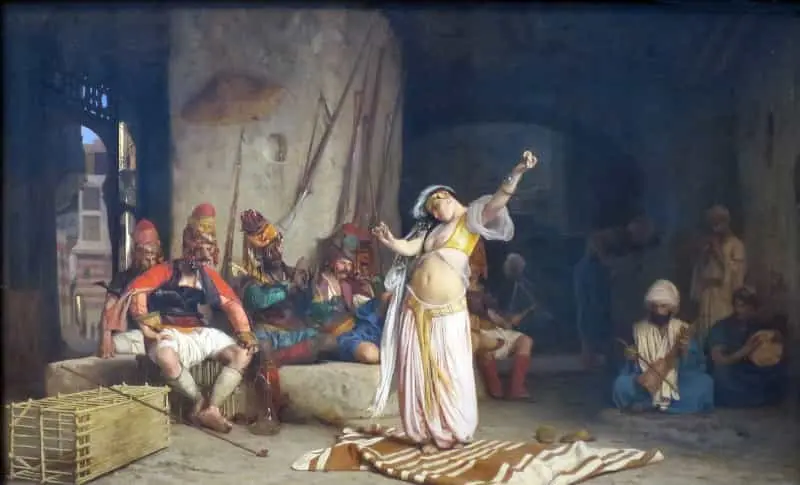
Belly DanceBelly dance, also known as Oriental dance or Middle Eastern dance, is a traditional dance form originating in the Middle East, North Africa, and the Mediterranean region. Its name comes from the English word "Belly Dance," referring to the dance movements characterized by the twisting and swaying of the abdomen, hips, and torso. Belly dance is not only a performing art but also embodies profound cultural and historical significance.
- Cultural roots
Belly dancing originated thousands of years ago, and...Ancient Egypt,Ancient BabylonandArab cultureIt is related to the fact that, initially, it may have been associated with religious ceremonies, fertility worship, or social activities for women, symbolizing the cycle of life and the power of women. Over time, belly dancing gradually evolved into a form of entertainment, widely performed at festivals, weddings, and other occasions in the Middle East, and has spread globally. - Art and Body Expression
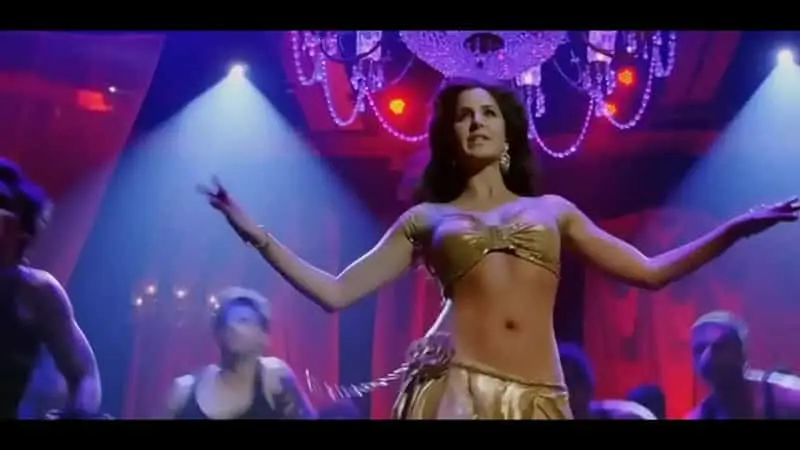
Belly dance emphasizes fluidity and rhythm, showcasing an elegant, sensual, and powerful aesthetic through independent movements of the abdomen, hips, shoulders, and arms, combined with the rhythm of the music. Dancers typically wear elaborate costumes, such as fringed skirts, sequin embellishments, and jingling belts, to enhance the visual appeal. - Modern significance
In contemporary times, belly dancing has become a global fitness and art form. It's not just a dance, but a way to promote body coordination, boost confidence, and explore self-expression. Regardless of gender, age, or body type, anyone can learn and enjoy belly dancing.

How to play belly dancing
Learning and performing belly dance requires mastering basic movements, musical rhythm, and performance techniques. Below are the steps for playing and learning belly dance:
Basic movements
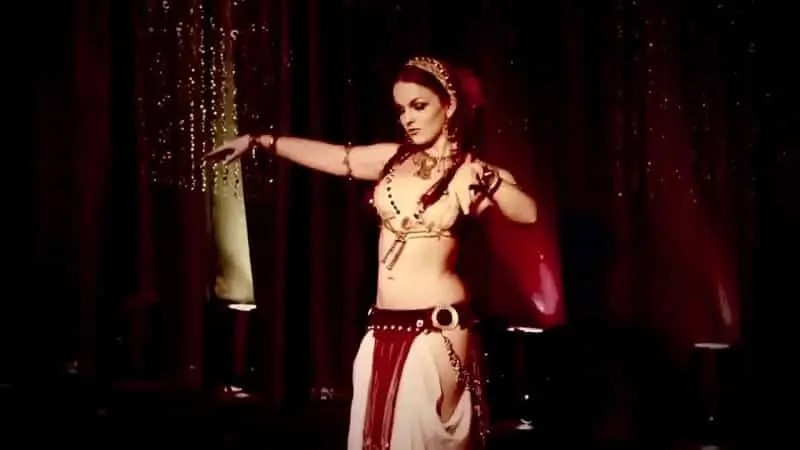
The core of belly dancing lies in the independent control of different parts of the body. Dancers need to master the following movements:
- Hip MovementsExamples include hip twists, figure eights, and shimmy movements. These movements require flexible control of the waist and hip muscles.
- Abdominal exercises (Belly Rolls)By contracting and relaxing the abdominal muscles, a wave-like visual effect is created.
- Shoulder and arm movementsShoulder shimmy and snake arm movements add fluidity to the dance moves.
- Steps and turnsBelly dance combines light steps and spins to create a dynamic stage effect.
Music and Rhythm
Belly dancing is often accompanied by Middle Eastern music, such asArabic drum music(Tabla), melodies played on string or traditional instruments. Dancers need to learn to feel the rhythm of the music and combine their movements with the tempo and dynamics of the music. Common rhythms include:
- SaidiA lively and energetic rhythm, often paired with cane dancing.
- BaladiA lyrical and emotionally rich style.
- Drum SoloThe fast drumbeats are suitable for showcasing difficult shaking moves.
Learning Path
- attend the courseMany cities offer belly dance classes where professional dancers instruct students on basic movements and choreography.
- Online learningYouTube and online course platforms offer free or paid belly dance instruction videos, suitable for beginners.
- Practice and performanceBeginners can start with simple movements and gradually learn complete choreography. Participating in public performances or competitions can improve skills and confidence.
Costumes and Props
Belly dance costumes typically consist of a cropped top, a fringed belt, and a long skirt, often adorned with metallic accessories or sequins to accentuate the dynamic movements. Props such as veils, canes, fan veils, or swords are also frequently used to enhance the stage effect.
Fitness effects
Belly dancing is a low-impact aerobic exercise that strengthens core muscles and improves flexibility and coordination. Long-term practice can help improve posture, reduce stress, and boost confidence.
Why do men like belly dancing?
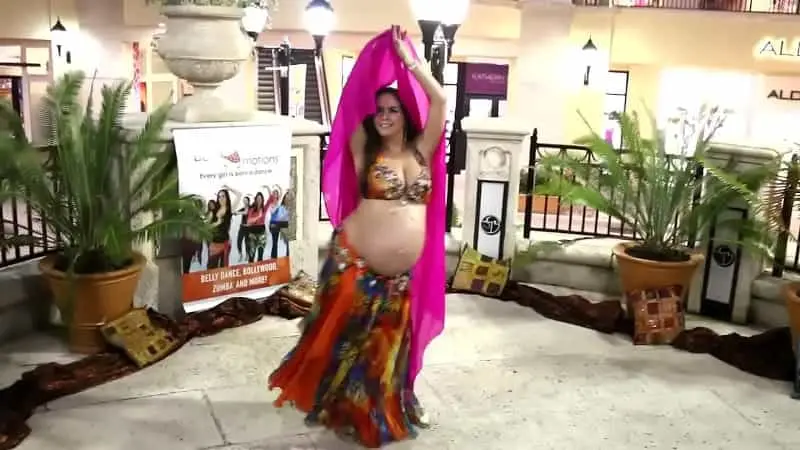
Although belly dancing has traditionally been dominated by women, an increasing number of men are beginning to learn and appreciate this art form. The reasons why men enjoy belly dancing include the following:
- Visual appeal
Belly dance costumes and movements emphasize feminine curves and grace, which many men find sexy and exotic. The dancers' fluid movements complement the rhythm of the music, easily captivating the audience's attention. - Culture and Art Appreciation
For men who love Middle Eastern culture or dance, belly dancing is a performance art form rich in history and culture. Male audiences may be drawn to its unique music, costumes, and choreography, viewing it as a refined art experience. - Fitness and Challenges
More and more men are taking up belly dancing, discovering its challenges to their coordination and core strength. They enjoy this activity that combines art and movement, believing it breaks down gender stereotypes and allows them to showcase their diverse personalities. - Social and Entertainment
Belly dancing is often performed at festivals, parties, or cultural events, where male audiences may find enjoyment in its lively atmosphere and interactivity. Some men may also develop an interest in belly dancing because of the involvement of their partners or friends. - Liberation and Inclusivity
Modern belly dance emphasizes inclusivity, allowing male dancers to express themselves and challenge traditional gender norms. For some men, learning belly dance is a way to liberate themselves, enabling them to experience the freedom of physical and emotional expression.
Why do women like belly dancing?
Belly dancing is especially popular among women, and its appeal stems from a variety of reasons:
- Enhance self-confidence and self-identity
Belly dance encourages women to accept their bodies and, regardless of their physical form, to express their unique beauty through dance. Many women gradually overcome shyness and build confidence in their bodies during the learning process. - Fitness and Health Benefits
Belly dancing is a fun form of exercise that effectively works the abdominal, gluteal, and back muscles while improving cardiovascular health. For many women, it's a more appealing option than traditional gym workouts. - Cultural and social connections
Belly dance classes or performance groups provide women with a social platform to meet like-minded friends and share their passion for dance and culture. This sense of community is very important to many women. - Emotion and artistic expression
Belly dance allows dancers to express emotions through movement, whether it be joy, sensuality, or power. This free form of expression liberates women, allowing them to find their own voice in dance. - Fashion and aesthetics
Belly dance's glamorous costumes and accessories attract many women who enjoy the pleasure of "dressing up" for their performances. Designing their own costumes or choosing their own props is also a form of creative expression. - Inclusivity across age and body type
Belly dancing has no age or body type restrictions, making it suitable for women of all ages. This inclusivity makes women feel accepted and allows them to find their own stage in dance.
Belly Dance Conclusion
Belly dance is not only a captivating dance form, but also an art and fitness activity that transcends culture, gender, and age. Its unique movements, music, and costumes attract countless enthusiasts. For men, belly dance can be a form of visual enjoyment, artistic appreciation, or a challenge; for women, it's an excellent way to boost confidence, stay fit, and socialize. Whether performer or audience, belly dance brings joy and inspiration, allowing people to find resonance in its music and movements.

Further reading: