Withstands high temperature of 300°COrdinary cooking cannot destroy it
toxicity
An dose of 1 mg/kg of body weight can cause acute liver injury; long-term exposure to trace amounts can lead to liver cancer.
Long-term use of moldy chopsticks = chronic cumulative cancer risk
How dangerous is aflatoxin on wooden chopsticks?
Research Data
illustrate
Chinese Center for Disease Control and Prevention (2018)
100 pairs of commercially available bamboo chopsticks were randomly sampled.AFB1 (0.5–28 μg/kg) was detected in the moldy 12% sample.
Taiwan Food and Drug Administration (2020)
Restaurant chopsticks recycling testingUp to 15 μg/kg(50 times higher than EU standards)
Daily intake estimation
Eating with moldy chopsticksEach meal may contain 0.1–1 μg of AFB1.
WHO safety standardsAdult daily tolerable intake <0.1 μg/kg body weight → 60kg adult:Not more than 6 μg/day
Long-term use of moldy chopsticks = chronic cumulative cancer risk
Long-term use of moldy chopsticks = chronic cumulative cancer risk
Potential health risks
The main risk of wooden chopsticks does not come from the wood itself, but from...Improper storage, cleaning, and replacement during use.
Mold and aflatoxin
A damp environment is the culprit.Wood is absorbent, and if it is not thoroughly dried after washing, or stored in a damp, poorly ventilated kitchen environment, it is easy for mold to grow.
Threat of aflatoxinCertain molds, especiallyAspergillus flavusThis process produces aflatoxin, a potent carcinogen. Aflatoxin is extremely damaging to the liver, and long-term, low-dose intake may increase the risk of liver cancer. This is the most worrying health hazard.
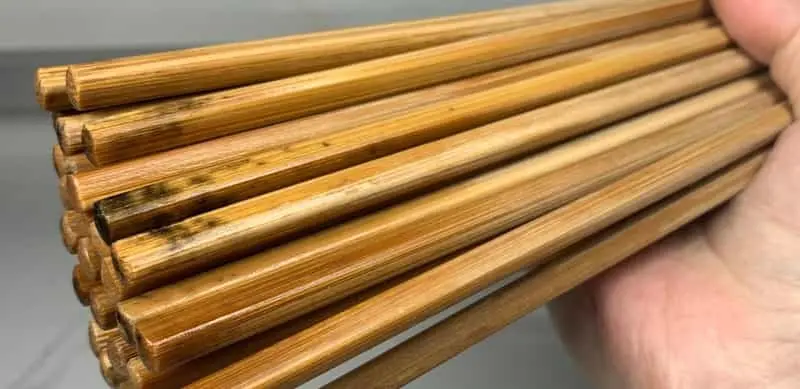
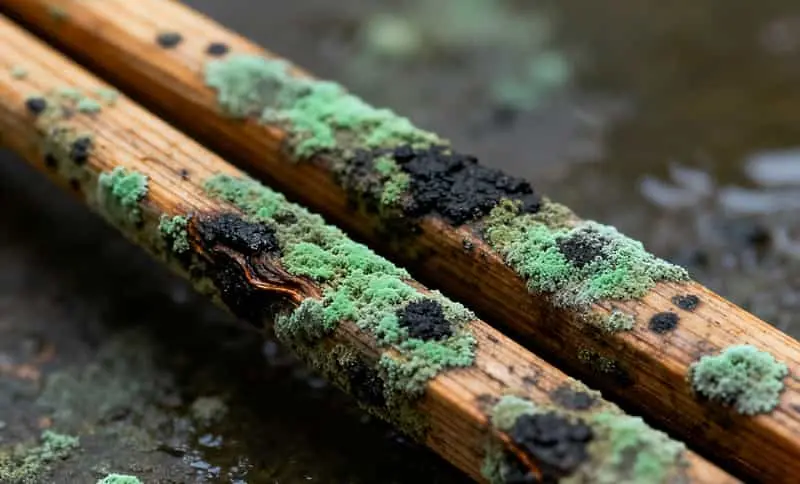
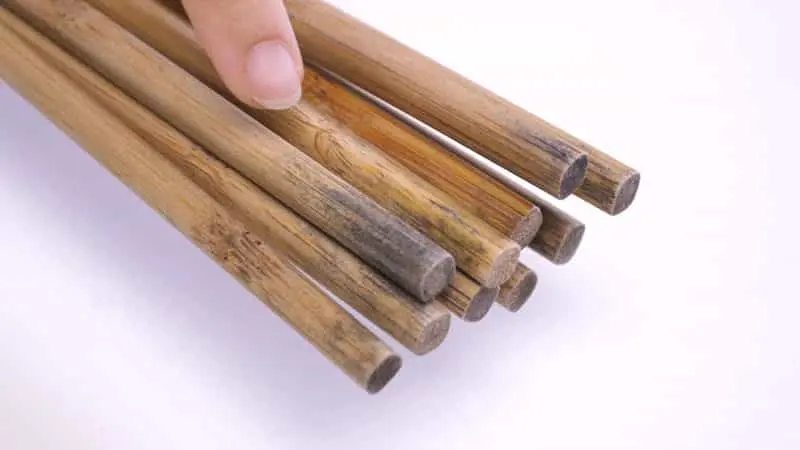
How to identifyIf the surface of the chopsticks showsBlack, green, or fuzzy spotsThis indicates that it has become moldy and must be discarded immediately.
Bacterial growth
Improper cleaningWooden chopsticks will wear down during use, developing tiny cracks and scratches on their surface. These cracks become a breeding ground for food residue and detergent residue. If not thoroughly cleaned, they can easily harbor pathogenic bacteria such as E. coli and Staphylococcus aureus, potentially causing gastrointestinal discomfort and diarrhea.
Visual judgmentEven without obvious mold spots, if chopsticks show signs of mold...Discoloration (especially blackening), rough surface, or sour smellThis also indicates that the bacteria may have multiplied in large numbers.
Chemical residues
Industrial sulfur fumigationSome unscrupulous manufacturers use sulfur fumigation to make chopsticks appear whiter and cleaner. This results in sulfur dioxide residue. If these chopsticks are used, especially when in contact with hot food, the residual sulfur dioxide may be released, and long-term ingestion may trigger respiratory allergies or even asthma.
Inferior paint or coatingIf the coating on the surface of colored wooden chopsticks is of poor quality, it may contain heavy metals (such as lead and cadmium) or harmful organic solvents. These substances may leach out when in contact with acidic, alkaline, or high-temperature foods, posing a health hazard.
Physical injury
Wooden chopsticks used for a long time will wear down and may produce small splinters. If accidentally ingested, these splinters may pierce the mucous membranes of the mouth or throat.
What is aflatoxin?
Aflatoxin is mainly composed ofAspergillus flavus It produces highly toxic metabolites. It is classified as a cancer by the International Agency for Research on Cancer (IARC) of the World Health Organization (WHO).Group 1 carcinogensThis means "there is sufficient evidence to prove that it is carcinogenic to humans".
The Dangers of Aflatoxin
Strong carcinogenicity:
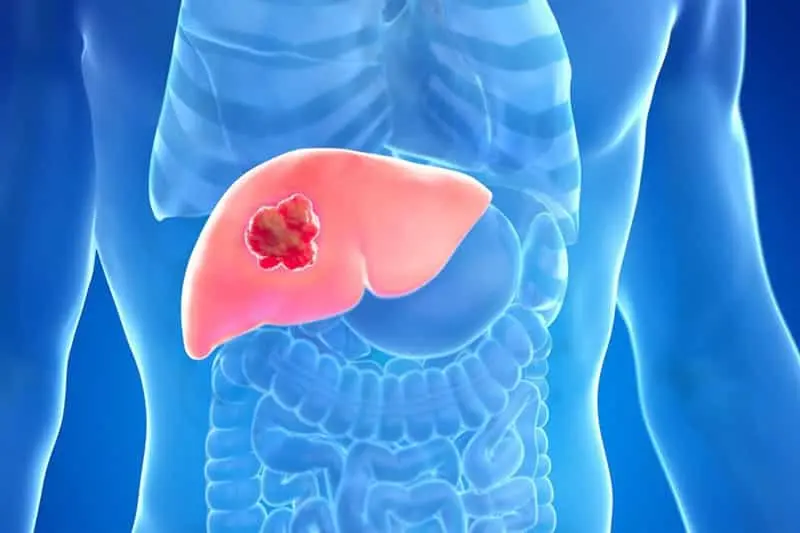
The primary target organ is the liver.Long-term intake of low doses of aflatoxin is a cause of...Liver cancer (hepatocellular carcinoma) One of the main risk factors, especially on the basis of having hepatitis B or C, the risk increases dramatically.
It can cause not only liver cancer, but is also associated with stomach cancer, kidney cancer, and other cancers.
Highly toxic:
Its toxicity is 68 times that of arsenic and 10 times that of potassium cyanide. A single overdose can lead to acute poisoning, acute liver failure, or even death.
High temperature resistance:
This is a crucial point! Aflatoxin is very stable.Ordinary cooking temperatures (such as boiling water at 100°C) cannot effectively destroy it.Even scalding moldy chopsticks with boiling water cannot remove their toxicity.
Long-term use of moldy chopsticks = chronic cumulative cancer risk
The link between aflatoxin and wooden chopsticks
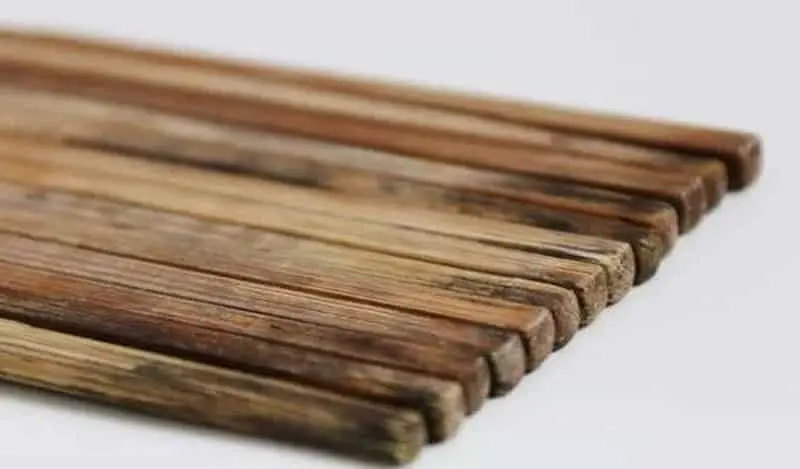
Wooden chopsticks themselves do not produce aflatoxin, but they provide an excellent environment for the growth of aflatoxin mold:
perfect culture mediumWhen we use chopsticks, starch, protein, and other substances from food remain on their surface. If not cleaned properly, these residues become nutrients for mold.
Dampness and cracksAfter repeated use and washing, wooden chopsticks will develop invisible wear and tiny cracks on their surface. These cracks are not only difficult to clean thoroughly, but also tend to trap moisture, creating a breeding ground for bacteria.Damp, dark, with foodThe perfect environment makes it extremely easy for Aspergillus flavus to grow.
Unconscious intakeUsing moldy chopsticks allows the mold and its toxins to enter the body along with food. This is...Long-term, low-doseThe exposure process can be difficult to detect in the early stages, but the damage to health can accumulate over time.
Long-term use of moldy chopsticks = chronic cumulative cancer risk
How can we avoid ingesting aflatoxin from chopsticks?
The following are specific recommendations for preventing aflatoxin poisoning:
Keep extremely dry:This is the most fundamental way to eliminate aflatoxin. Aspergillus flavus is most active in environments with 80% humidity and a temperature of 25-30°C. Be sure to thoroughly clean the chopsticks after washing.Dry thoroughly,andchopsticks with the tips facing upPlacedGood ventilationIn the chopsticks holder.
Replace regularly, never skimp on the cost.It is recommended to replace chopsticks every 3-6 months. Don't wait until they get moldy before replacing them.
Sharp eyes to identify mold:
smellI smelled asourormusty smellEven if you can't see any spots, you should discard it immediately.
look: Find any colorSpots (black, green, grayish-white)or the chopsticks as a wholeTurn black.
touchFeel the surface of the chopsticksstickyorNo longer smooth.
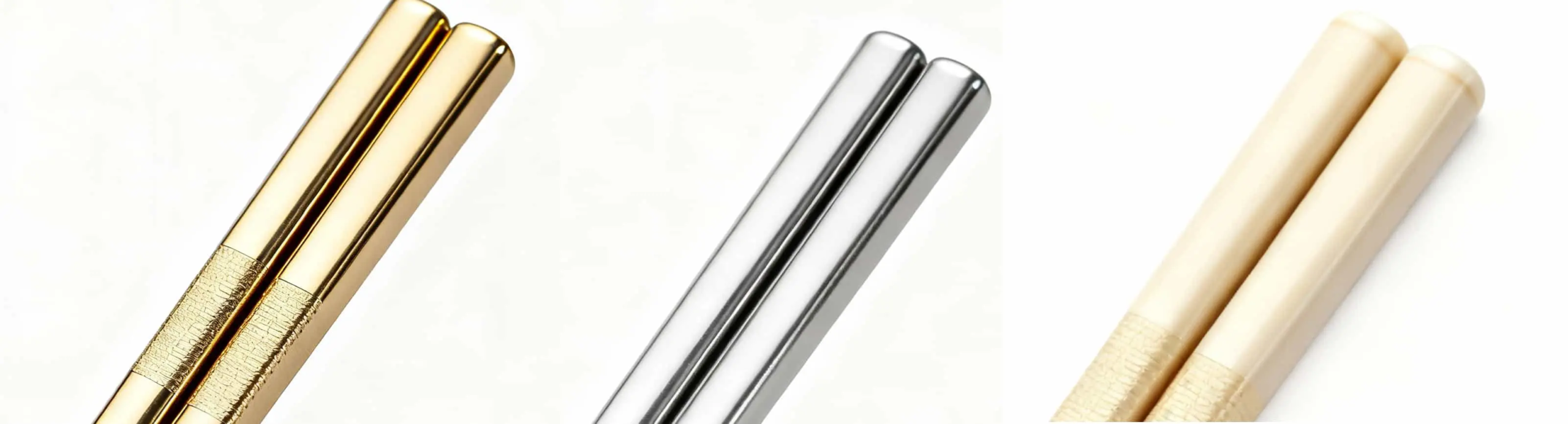
Stainless steel or alloy chopsticks are preferred.If you live in a humid area, or are worried about the hassle of maintenance, we strongly recommend switching to [other products/services].Stainless steel chopsticksorAlloy chopsticksTheir dense, non-porous surfaces prevent food and moisture from accumulating, thus eliminating the risk of mold growth.
Long-term use of moldy chopsticks = chronic cumulative cancer risk
Send to SGS or the Food and Drug Administration for testing.
Long-term use of moldy chopsticks = chronic cumulative cancer risk
Practical methods for preventing aflatoxin
step
operate
1. Selection
Choose "carbonized bamboo chopsticks" (treated at high temperatures, making them less prone to mold).
2. Cleaning
Wash immediately with hot water and dish soap after use.Boil for 10 minutes every month
3. Drying
Insert vertically into the ventilated chopstick holderDo not place in a sealed chopstick holder
4. Replacement
Replace every 3 months(Write the date on the chopsticks)
5. Exception Handling
Mold was found → Discard the whole pairDo not scrape it off and continue using.
How to use wooden chopsticks safely?
Instead of banning them entirely, it's better to learn how to choose and use wooden chopsticks correctly to minimize the risks.
Correct choice
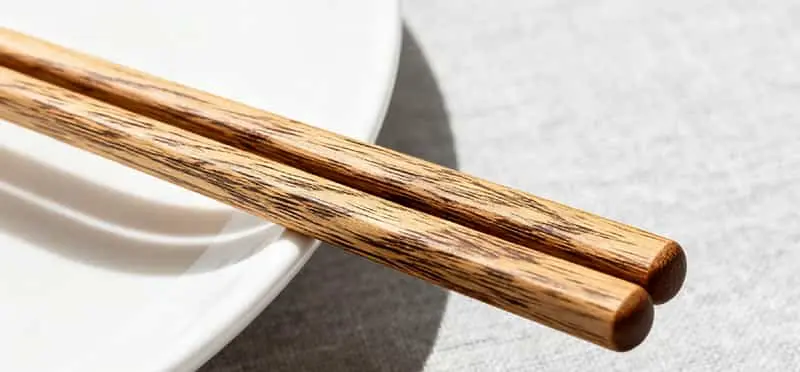
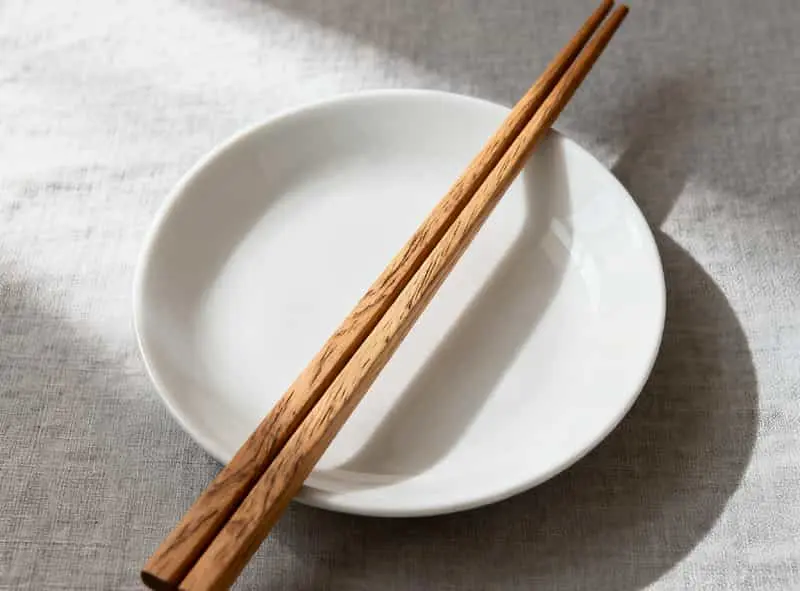
Buy natural wood colorChoose chopsticks that are unpainted and have a natural wood color. Avoid buying chopsticks that are too white, too bright, or have a pungent odor.
Check the materialChoose woods with clear grain and dense texture, such as chicken wing wood, mahogany, and ironwood. Bamboo chopsticks are also a good choice because bamboo fibers are denser and less prone to mold.
Touch the surfaceIt has a smooth and flat feel, without any burrs.
Proper cleaning and maintenance
Gentle cleaningUse a soft dishcloth and neutral detergent to gently clean. Avoid using hard objects such as steel wool to scrub, as this may scratch the surface.
Dry thoroughly:This is the most crucial step in preventing mold! After washing, be sure to dry them with kitchen paper towels, then place them tip-up in a well-ventilated chopstick holder to ensure they dry quickly. Never put wet chopsticks directly into a sealed container.
Regular disinfectionYou can boil them in boiling water for 10-15 minutes every week, or put them in a sterilizer for high-temperature sterilization.
Replace regularly
Recommended replacement cycleGeneral recommendations3 to 6 monthsReplace it once.
Check at any timeOnce chopsticks are found to be presentMold, deformation, cracking, and unpleasant odorIn such cases, regardless of how long it has been used, it should be discarded immediately.
Long-term use of moldy chopsticks = chronic cumulative cancer risk
Wooden chopsticks vs. chopsticks made of other materials
Stainless steel chopsticks:
advantageIt is not easy to mold or breed bacteria, it is durable and easy to clean.
shortcomingIt feels heavy and slippery, making it inconvenient to pick up food (especially for the elderly and children); it conducts heat quickly, making it unsuitable for picking up hot food.
advantageIt comes in a variety of colors and is not easily broken.
shortcomingInferior products may release melamine and formaldehyde at high temperatures; and their surfaces are prone to accumulating dirt and grime after wear.
Alloy chopsticks:
advantageDurable, not easily deformed, heat resistant, and not prone to bacterial growth.
shortcomingThe price is relatively high.
Long-term use of moldy chopsticks = chronic cumulative cancer risk
Key recommendations:
Choose high-quality, natural-colored wooden chopsticks and make it a daily habit to "dry them thoroughly," and check and replace them regularly. By following these tips, you can confidently enjoy the benefits of wooden chopsticks. If you live in a humid area or are concerned about maintenance, stainless steel or alloy chopsticks are a more worry-free and hygienic alternative.
Long-term use of moldy chopsticks = chronic cumulative cancer risk
Summarize
Wooden chopsticks themselves are not a health hazard; they are a natural, pleasant-to-the-touch, and user-friendly type of tableware. Their health risks primarily stem from…Damp and moldyandImproper cleaning.



![[有片]拜祖先會獲得保佑?](https://findgirl.org/storage/2026/01/有片拜祖先會獲得保佑?-300x225.webp)