





Penis beads?
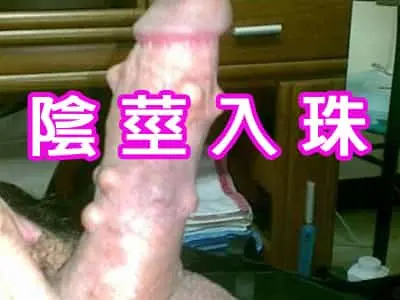
Table of contents
What is penile beading?
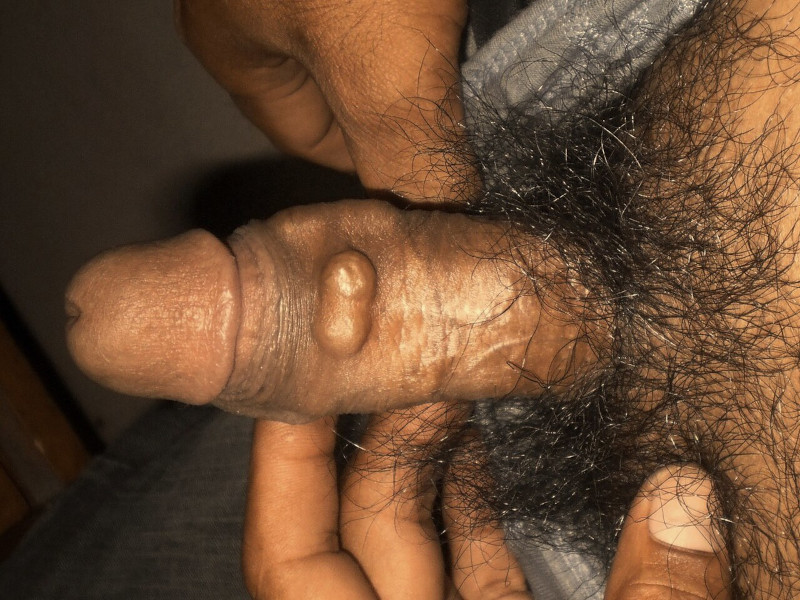
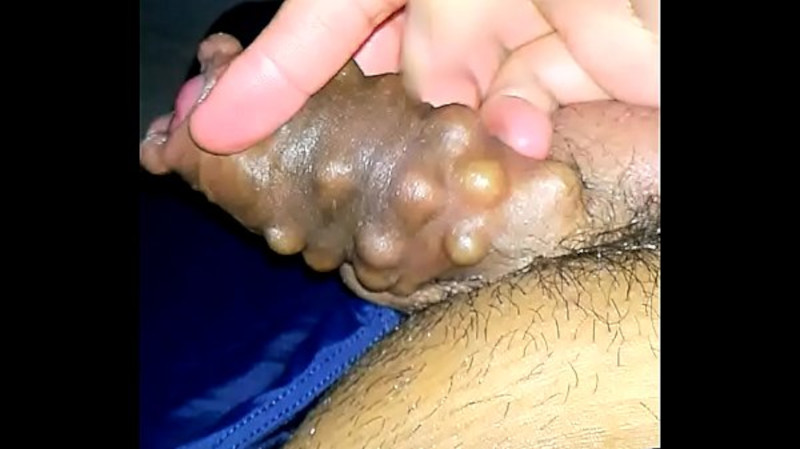
Penile bead(Often referred to in English as "penile implants" or "genital piercing/beading") is a body modification technique involving...penisSmall bead-like objects (usually made of silicone, plastic, metal, or other biocompatible materials) are implanted under the skin to alter the appearance of the penis or enhance the stimulation of sexual activity. These beads are typically implanted on the dorsal side of the penis (close to the skin surface) or around the penile axis, and can be round, oval, or other designs, with a diameter generally between 3 and 10 millimeters.
According to a 2022 survey published in *The Journal of Sexual Medicine*, approximately 0.81 TP3T adult men worldwide have considered or actually undergone penile beading surgery, primarily those aged 25 to 45. However, this procedure remains highly controversial in the medical community due to its potential complications, infection risks, and long-term sequelae.
Penile beading has different historical backgrounds and names in different cultures and regions. For example, in Southeast Asia (especially the Philippines and Indonesia), it is called "pearl implantation" (or genital beading), while in the West it may be seen as an extreme form of body modification or sexual enhancement. The purpose of penile beading is often to enhance sexual pleasure (for both partners), or to demonstrate personal style, courage, or cultural identity.
Historical background
The history of penile beading dates back to cultural practices centuries ago, particularly in Southeast Asia and the Pacific region. Below is an overview of its history and time periods:
Ancient and Traditional Periods (17th century BC – 19th century)
- Southeast Asian cultureIn the Philippines, penile beading, known as "bolitas," is a coming-of-age ceremony performed by some tribes or fishing communities, symbolizing masculinity or sexual maturity. These beads are typically made of natural materials such as shells or stones, and the implantation process is carried out by tribal elders or designated individuals.
- Other areasSimilar practices are also found in some tribes in South America and Africa, but the forms and purposes differ, and they are mostly related to religion or coming-of-age ceremonies.
Modern period (20th century – 2000s)
- With advancements in medical technology, penile implants began to use safer materials, such as medical-grade silicone or stainless steel. This practice spread to the West in the late 20th century and became part of the body modification enthusiast community.
- In the 1990s, with the rise of tattoo and piercing culture, penile beading gradually became popular in Western subcultures (such as the BDSM community).
Contemporary (2000–2025)
- In the 21st century, penile beading remains a niche practice globally, but it retains cultural significance in some regions (such as Southeast Asia). The widespread use of the internet has made related information easier to disseminate, and many people learn about this practice through forums or social media.
- According to publicly available data, as of 2025, the acceptance of penile beading varied due to cultural and legal differences. In some countries (such as the Philippines), approximately 10-201 TP3T adult men may have tried this procedure (data from informal surveys, lacking large-scale research validation). In the West, this proportion is far lower than 11 TP3T, and is more common in specific subcultural groups.
Reasons for bead insertion
People choose penile implantation for a variety of reasons, encompassing personal, cultural, and social factors. The main motivations are as follows:
Enhance sexual pleasure
- The most common reason is to enhance stimulation during sexual activity. The physical presence of beads can increase friction, which may produce additional pleasure for both partners (especially female partners). This stimulation may come from the friction of the beads during sexual activity.
- Some studies (though not mainstream) show that some couples report increased sexual satisfaction due to penile beading, but the effect varies from person to person.
Culture and tradition
- In the Philippines, Indonesia, and other places, penile beading is a traditional custom in some communities, associated with masculinity or coming-of-age ceremonies. This practice is seen as a symbol of honor or status.
- In some tribal cultures, the number or position of beads may represent social status or personal achievement.
Personal style and body modification
- With the rise of tattoo and piercing culture, penile beading has become a way for some people to express their individuality or pursue a unique appearance.
- In Western subcultures, this practice may be related to the aesthetic preferences of BDSM or body modification enthusiasts.
Psychological satisfaction
- Some people believe that penile beading can enhance self-confidence or sexual attractiveness, similar to other body modifications such as breast augmentation or tattooing.
- This psychological motivation may be related to the pursuit of one's own body image.
| Claimed benefits | Types of evidence | Strength of evidence | Remark |
|---|---|---|---|
| Enhance partner's sexual pleasure | Mainly anecdotal reports | weak | Lack of control studies, highly subjective |
| Enhance one's own sexual pleasure | Self-report questionnaire | Moderate to weak | The anticipatory effect may constitute the main component. |
| Improve body image | Qualitative research | medium | Consistent with other body modification results |
| Cultural identity expression | Anthropological observation | powerful | Clearly observed within a cultural context |
| Medical benefits | Traditional literature | extremely weak | No modern scientific evidence to support this. |

Beading arrangement
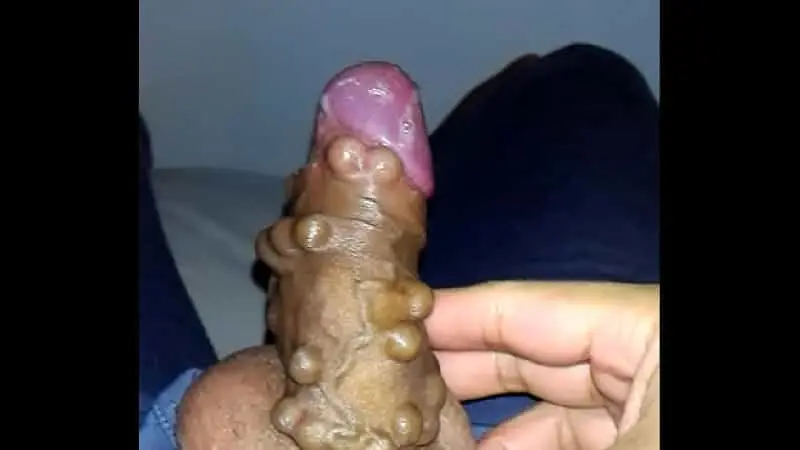
- linearFive titanium beads are implanted along the midline from the base of the penis to below the glans, with even spacing.
- SpiralIt spirals upwards at a 30-degree angle, with a total of 12 beads covering the surface of the 70% penis.
- Ring-shapedEight small beads, each 4mm in diameter, are implanted around the coronal sulcus.
- Double row: 10 implants are placed along two parallel lines on the dorsal and ventral sides.
into pearlsGeography andAgedistributed
Europe and North America are the regions with the highest concentration of modern penile beading practices, accounting for approximately 751 million cases globally. Germany, the UK, the US, and the Netherlands are the main markets. Urban areas in Japan and South Korea in Asia have seen rapid growth in recent years.
Age distribution:
The practitioners are mainly concentrated in the 25-45 age group (681 TP3T), which contrasts sharply with traditional practices that are mainly aimed at teenagers. This reflects that modern practices are more of a personal choice than a social coercion.
Occupational characteristics:
Interestingly, the proportion of IT professionals, creative industry workers, and medical professionals is significantly higher than average. Sociological explanations suggest this may be related to these groups' higher acceptance of technology and their individualistic tendencies.
Socio-economic factors:
Modern penile beading exhibits a clear trend toward "middle-class" adoption. High-quality professional services are expensive (a single bead implant typically costs $200-$500), making it, to some extent, a subtle marker of economic status.

into pearlsharm
While penile beading may hold appeal in certain cultures or among individuals, it also carries significant health and social risks. The main disadvantages are as follows:
Health risks
- InfectIf the implantation process is not performed in a sterile environment, it may lead to bacterial or fungal infections. According to Urban Medical, the risk of penile infections (such as balanitis) is higher, especially in uncircumcised men.
- tissue damageThe beads may put pressure on the internal tissues of the penis, leading to scar tissue formation or nerve damage, which can affect erectile function.
- Rejection reactionThe body may reject the implant, causing the beads to shift, fall out, or cause chronic pain.
- Sexual complicationsBeads may cause discomfort or pain to a partner, or even damage to vaginal or anal tissues.
Medical complications
- If the beads are implanted improperly, surgical removal may be necessary, increasing medical costs and risks.
- Long-term implantation may lead to decreased penile sensitivity or erectile dysfunction (ED).
Social and psychological effects
- In regions where this culture is not accepted, penile beading may be considered taboo or strange, leading to social isolation or rejection by one's partner.
- Some people may experience psychological stress due to regret, especially when the implantation effect is not as expected.
Legal and ethical issues
- In some countries, penile beading may be considered a non-medical procedure and is subject to legal restrictions.
- Implantation performed by non-professionals may violate medical ethics and increase risks.

into pearlsbenefit
Despite the risks associated with penile beading, proponents argue for the following potential benefits:
Enhanced sexual pleasure
- Many people report that penile beads enhance sexual stimulation, especially for female partners. The physical structure of the beads may stimulate the G-spot or other sensitive areas.
- Informal surveys indicate that approximately 50-70% of TP3T users reported improved sexual satisfaction (data varies from report to report and lacks rigorous verification).
Cultural identity
- In certain cultures, penile beading is part of a tradition, and participants may gain a sense of community or pride from it.
- This practice may strengthen an individual's connection to their cultural roots.
Personal aesthetics and self-confidence
- For body modification enthusiasts, penile beading is a unique form of self-expression that may boost personal confidence.
- Some people believe this change makes them more attractive in sexual relationships.
Reversibility (in some cases)
- Compared to other permanent surgeries (such as penile enlargement), penile beads can be surgically removed in some cases, making them somewhat reversible.

Summary and suggestions
Penile beading is a controversial body modification practice with historical roots in cultural traditions, but its modern applications are often associated with sexual pleasure or personal style. While it may lead to increased sexual satisfaction or a sense of cultural identity, the health risks (infection, tissue damage) and social challenges (taboo, partner acceptance) cannot be ignored. For those considering this procedure, the following is recommended:
- Seek professional medical institutionsEnsure the implantation process is performed by a qualified doctor in a sterile environment, using medical-grade materials.
- Fully understand the risksConsult a urologist or sexual health specialist before making a decision to understand whether it is suitable for your individual health condition.
- Consider your partner's opinion: Communicate fully with your sexual partner to ensure that both of you are accepting of this practice.
- Cultural and legal considerationsConfirm whether local laws permit such non-medical procedures and respect cultural differences.
Further reading:
![[有片]拜祖先會獲得保佑?](https://findgirl.org/storage/2026/01/有片拜祖先會獲得保佑?-300x225.webp)