


![[有片]拜祖先會獲得保佑?](https://findgirl.org/storage/2026/01/有片拜祖先會獲得保佑?-300x225.webp)


The struggle legend of the founder of KFC
Table of contents
A Colonel's Chicken Dream and Immortal Legacy
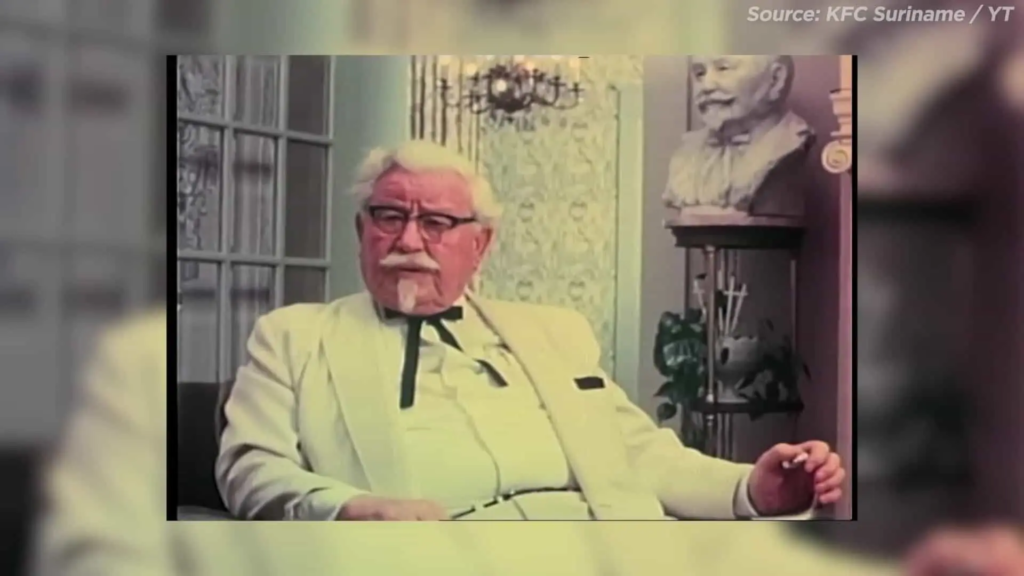
In the vast history of the fast-food industry, Kentucky Fried Chicken (KFC) is not only a symbol of fried chicken, but also a living embodiment of the American Dream. Its founder, Harland David Sanders, revered as "Colonel Sanders," led a life filled with countless setbacks, perseverance, and ultimate triumph. Starting as a poor child who lost his father at the age of six, he weathered the Great Depression, the turmoil of World War II, and thousands of rejections, ultimately selling the KFC brand for $2 million (now worth over $15 million) at the age of 73, laying the foundation for the empire with over 30,000 stores worldwide today. Sanders' story is not only a personal legend, but also a profound lesson on resilience, innovation, timing, and family responsibility. This article will delve into his life, the reasons for founding KFC, a detailed timeline, and data charts illustrating KFC's growth, while incorporating more historical details and analysis to reveal the story of this "Colonel Sanders."Chicken KingThe blood, tears, and wisdom behind it.
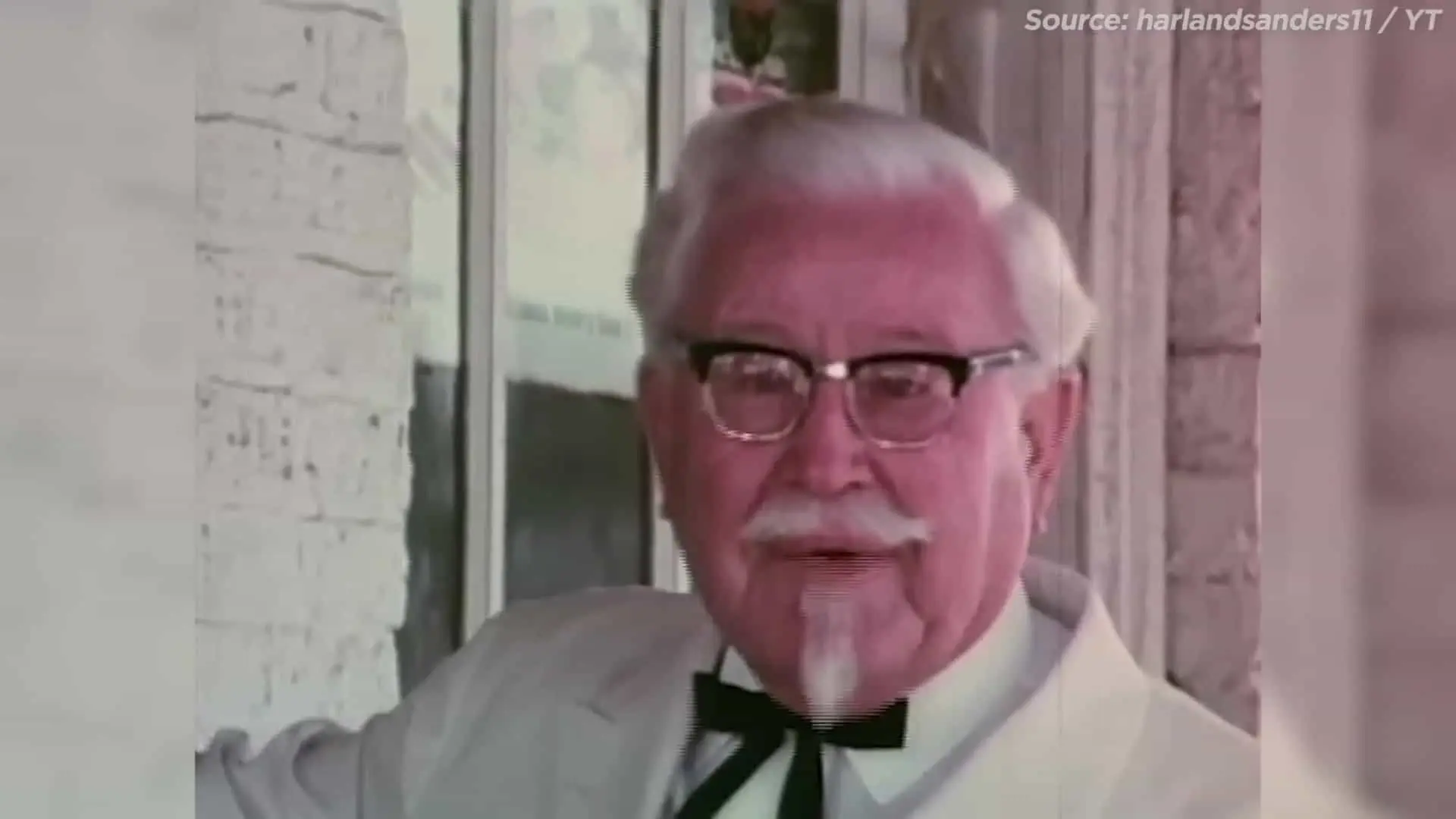
A difficult childhood and a winding path to adulthood
Harlan Sanders was born on September 9, 1890, on a small farm near Henryville, Indiana. It was a typical rural Midwestern family; his father was a butcher, and his mother was responsible for both domestic and farm work. Life was already difficult, but this period of prosperity was short-lived.
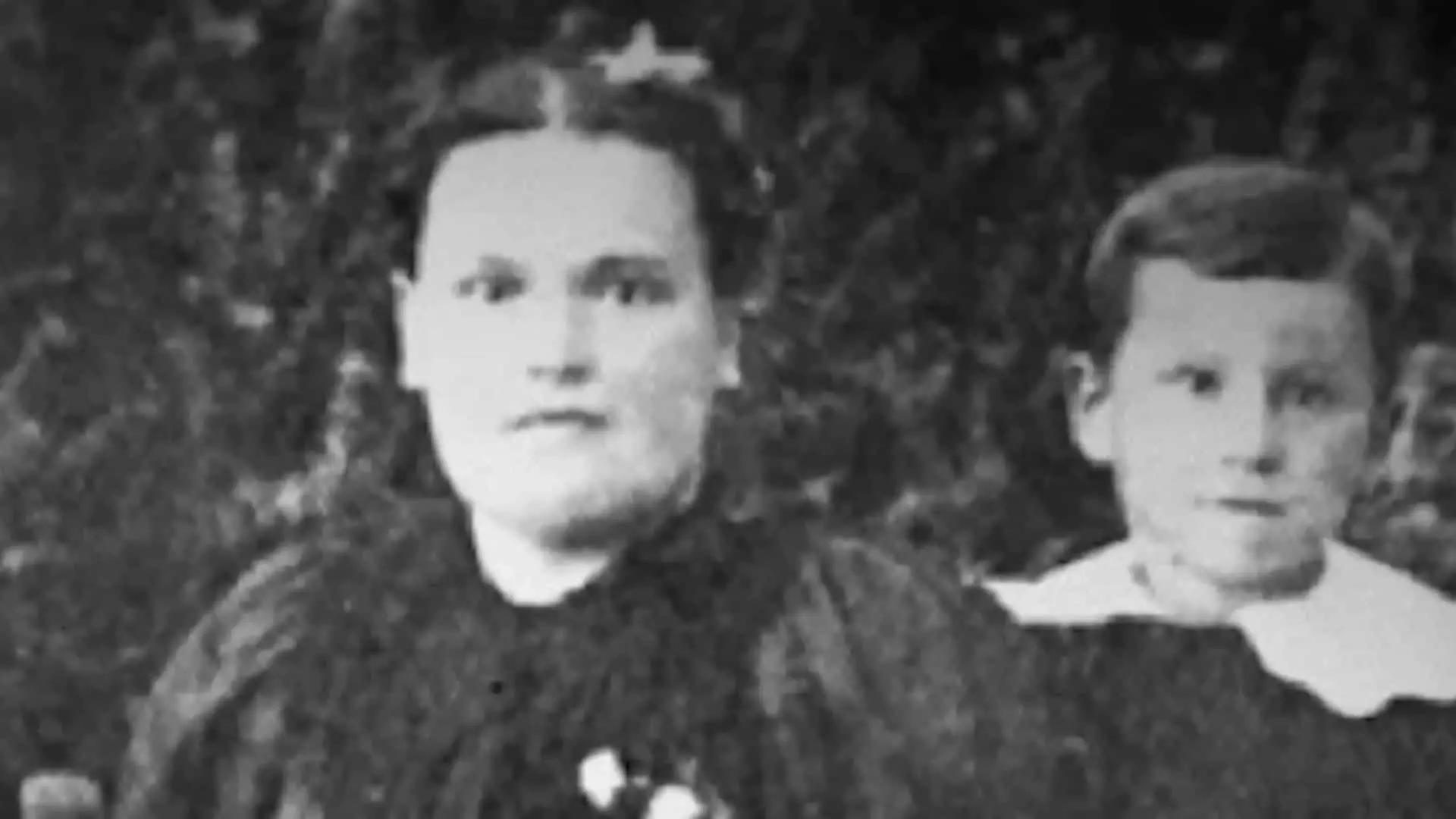
He lost his father at the age of 6, and his eldest son took over his father's duties.
When he was only six years old, his father died of a high fever, forcing his mother, Margaret Ann Sanders, to work in a cannery to support the family. Young Harlan was forced to shoulder the responsibility of caring for his two younger siblings, learning basic cooking skills in the process—the foundation of his later KFC recipe. He later wrote in his memoir, "Back then, I wasn't cooking gourmet food; I was cooking the necessities of survival."
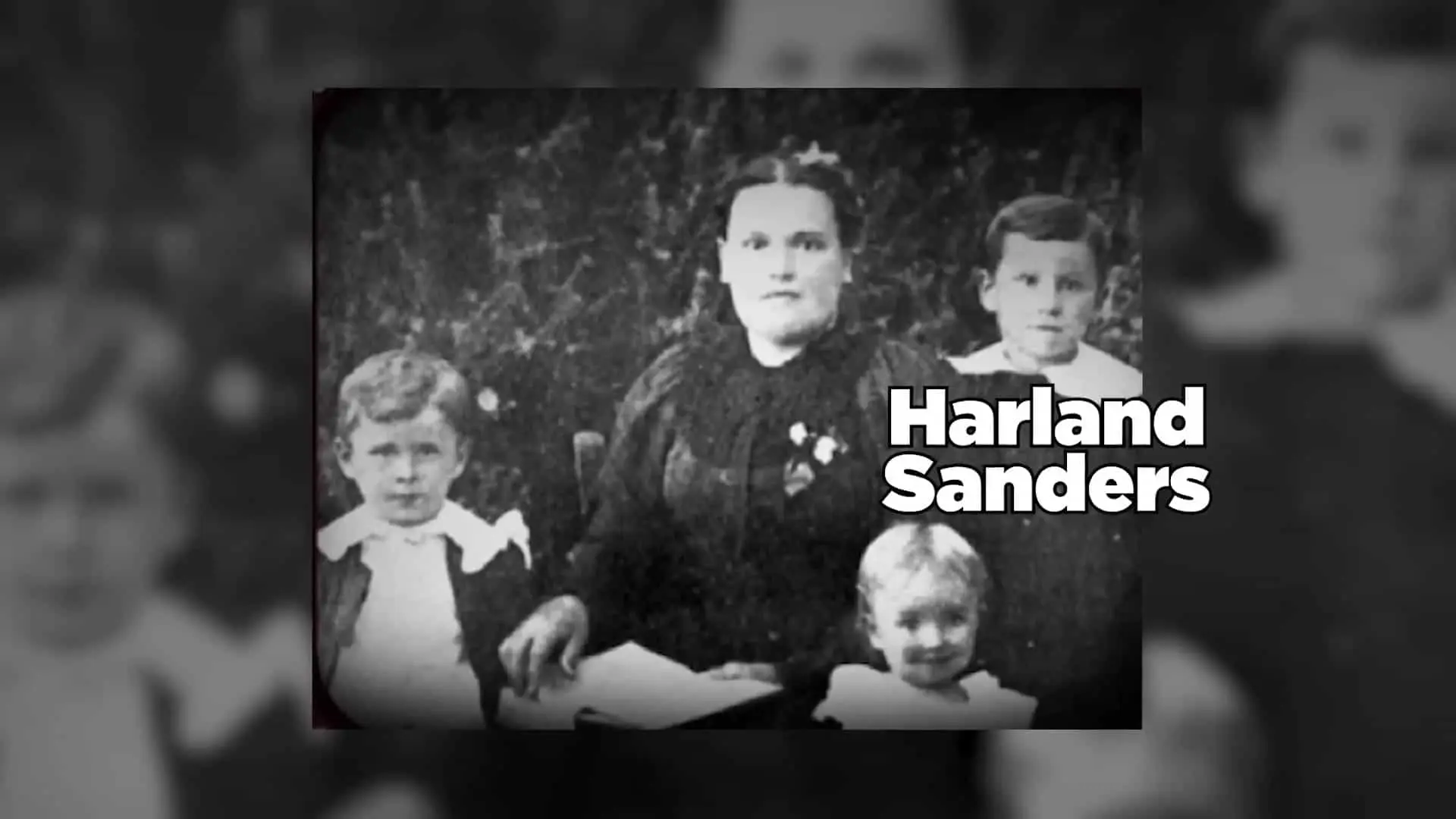
Became the family chef at the age of 7
By the age of seven, he had already mastered baking bread, cooking vegetables, and even meat dishes, and he was becoming increasingly skilled. He often stayed up until 11:30 p.m. to hone his culinary skills, all to make sure his family ate better. This childhood experience not only cultivated his culinary talent but also planted the seeds of "responsibility," which became the core reason for his lifelong struggle: he had to be independent and self-reliant for his family.
Ten-year-old setbacks and mother's encouragement
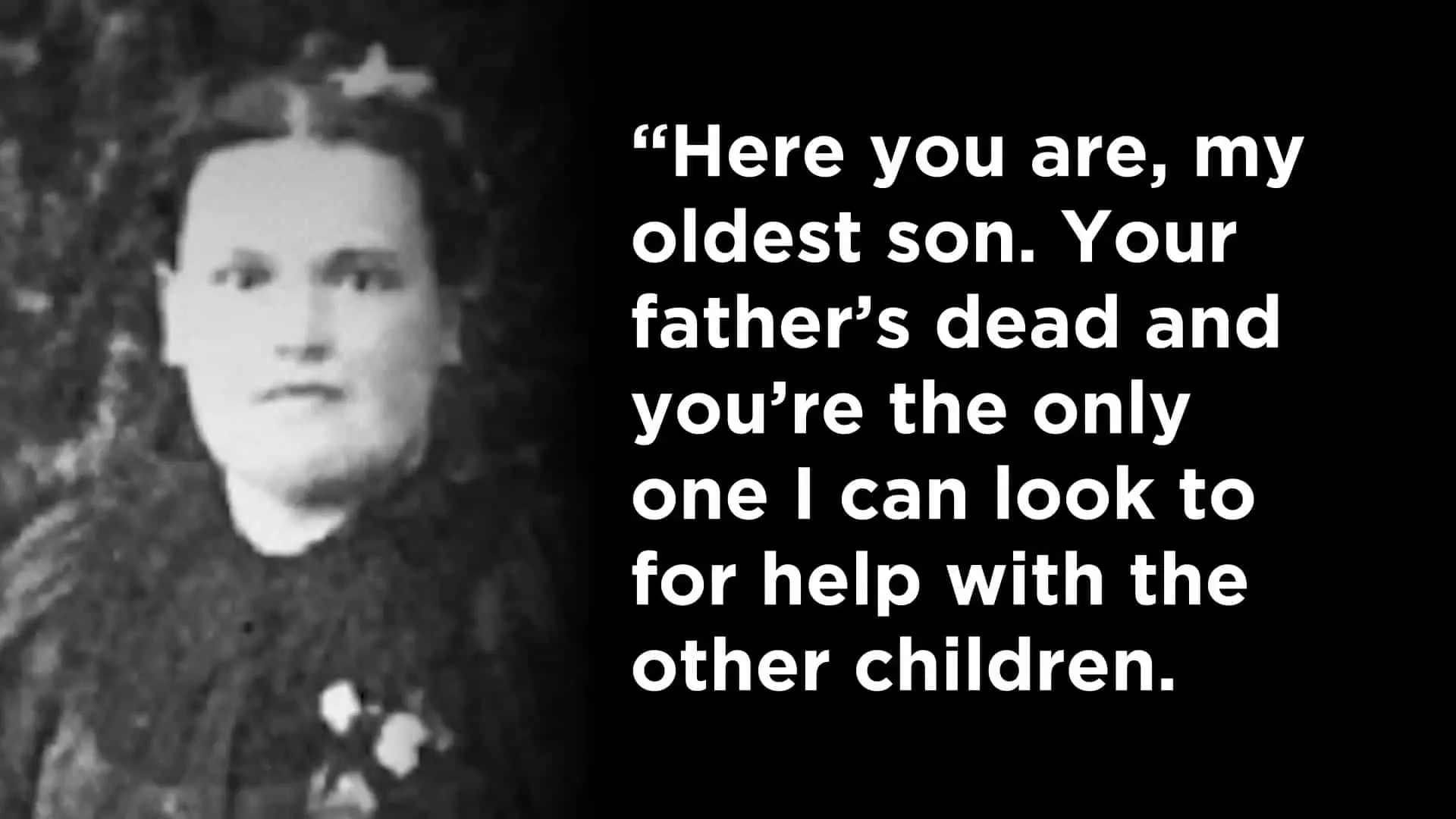
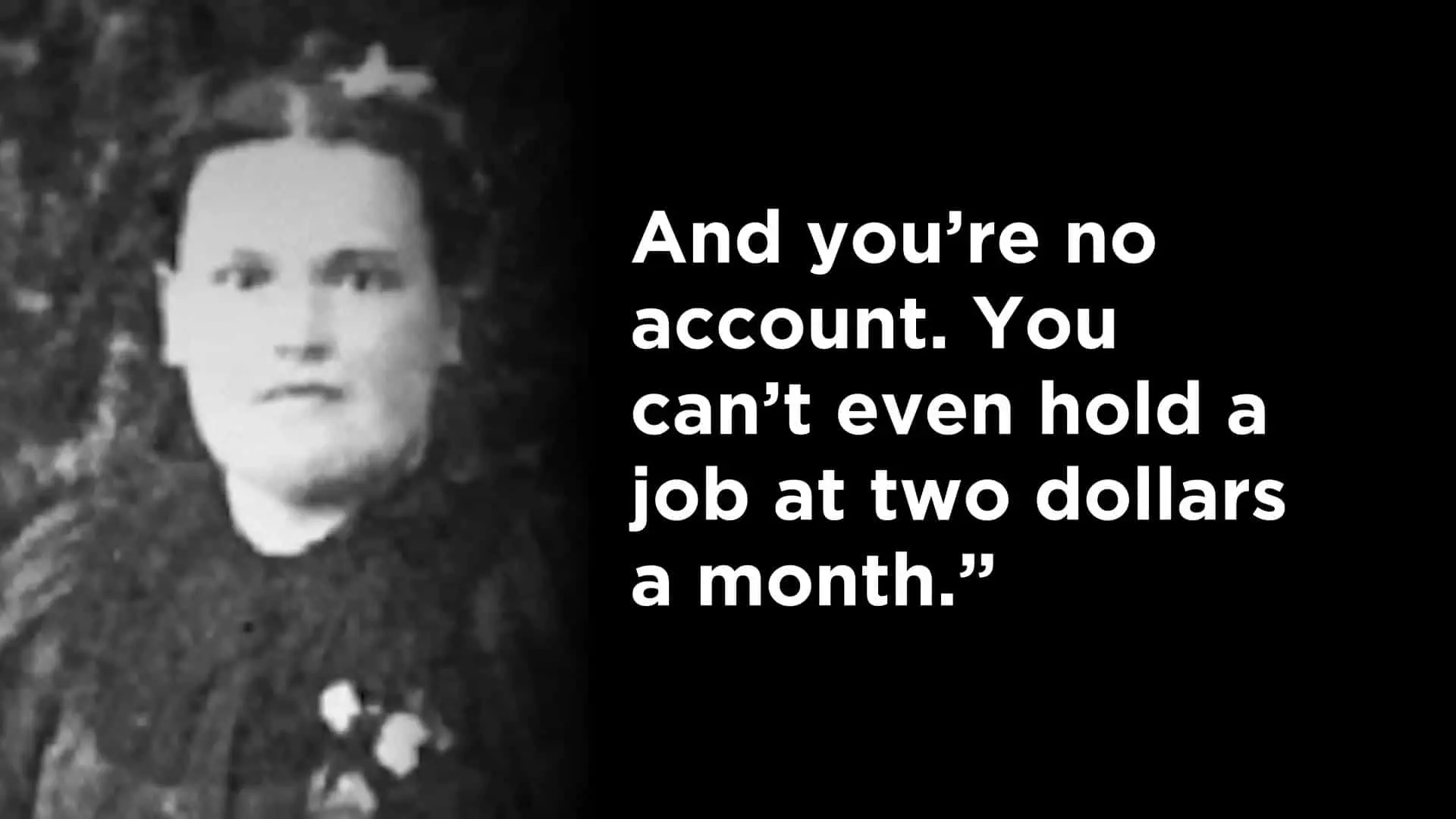
At the age of ten, Harlan got his first job: a farm laborer earning only $2 a month. However, due to his young age and lack of focus, he was fired after a month. His mother, heartbroken, scolded him, "You're the eldest son. After Father passed away, we were counting on you to help take care of your younger siblings, and you can't even keep a job that pays $2 a month!" These words were a heavy blow, becoming the driving force behind his lifelong struggle. Harlan later recalled that this was a turning point in his life, making him realize that "failure is not the end, but the beginning." From then on, he began to work harder to find opportunities and cultivated an indomitable spirit.
Drifting and Diverse Explorations in Youth
When Harlan was 12, his mother remarried, but his stepfather refused to support his stepson, forcing Harlan to leave home and return to work on the farm. He fed the livestock in the early morning, went to school during the day, and did odd jobs at night, often husking corn until eight or nine o'clock. This intense labor made him realize the cruelty of poverty, but it also honed his physical strength and endurance.
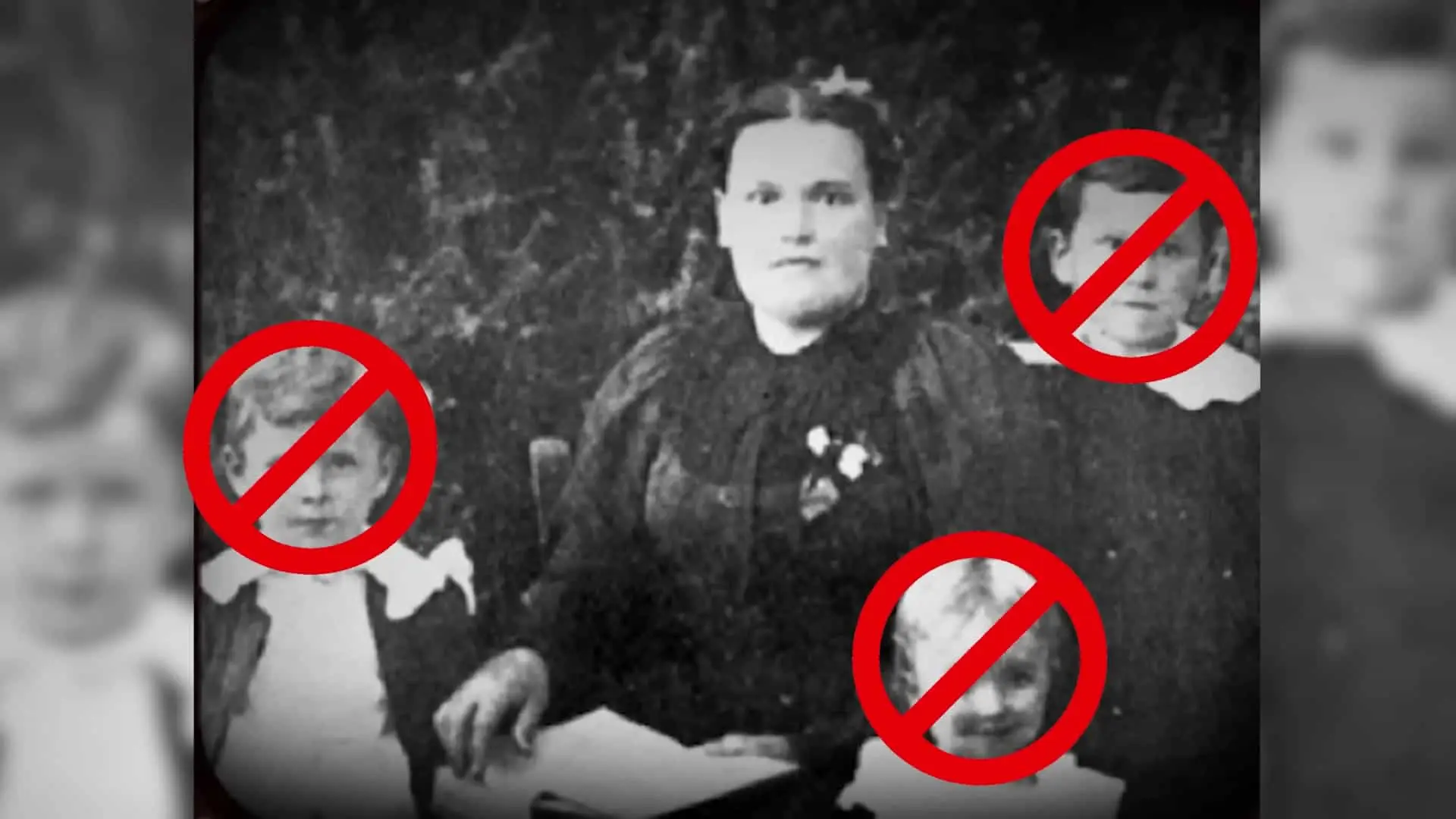
At age 13, while in seventh grade, he dropped out of school after only two weeks due to difficulties with algebra. Over the next fifteen years, he held more than ten different jobs: tram conductor, soldier, railway firefighter, insurance agent, steamboat operator, lighting manufacturer, tire salesman, and lawyer. Each job brought new challenges and accumulated experience of failure. For example, as a railway firefighter, he caused a minor accident due to operational errors; as an insurance agent, he lost his job due to poor sales performance.

Family separation
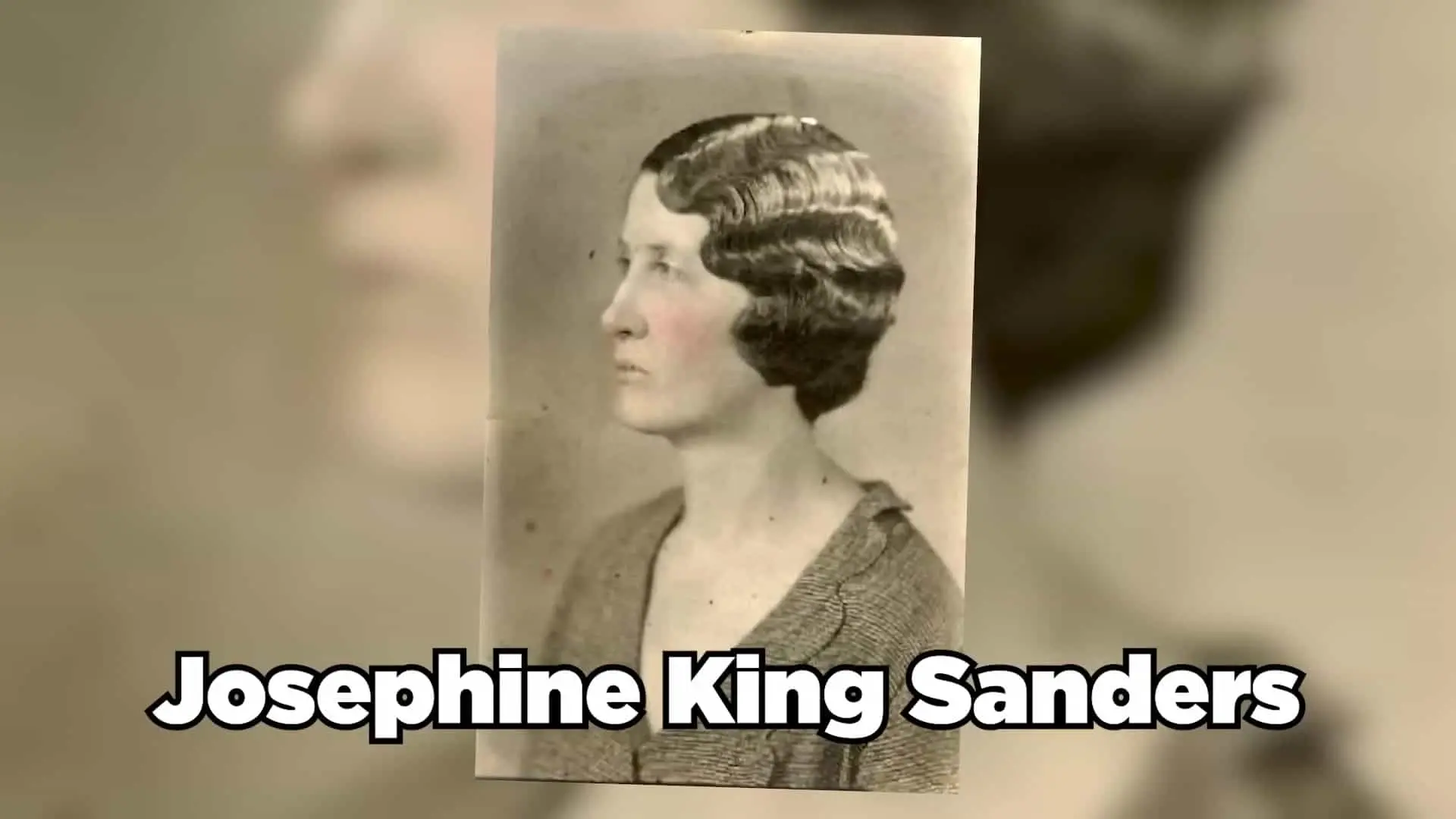
In 1906, at the age of 16, Harlan forged his age to join the U.S. Army, serving a year in Cuba, primarily as a carriage driver. This military experience not only cultivated his discipline but also exposed him to the vastness and harshness of the world. After his discharge, he continued his nomadic lifestyle, changing jobs frequently. In 1909, he married his first wife, Josephine King, with whom he had three children. However, due to his repeated unemployment, Josephine eventually left with the children. This failed marriage made Harlan deeply appreciate the value of a "stable life" and strengthened his motivation for striving: to provide a better future not only for himself but also for his family.
These early experiences, filled with twists and turns and hardships, shaped Sanders' character. From his childhood responsibilities as a cook to his tumultuous career as a young man, he learned to adapt, innovate, and persevere. The motivation for his struggles began to emerge: not pure ambition, but a drive for family responsibility and a fear of failure. He once said, "I'm not a genius, I just didn't want to starve." This period laid the foundation for his later entrepreneurship, transforming him from a farm boy into a business pioneer.
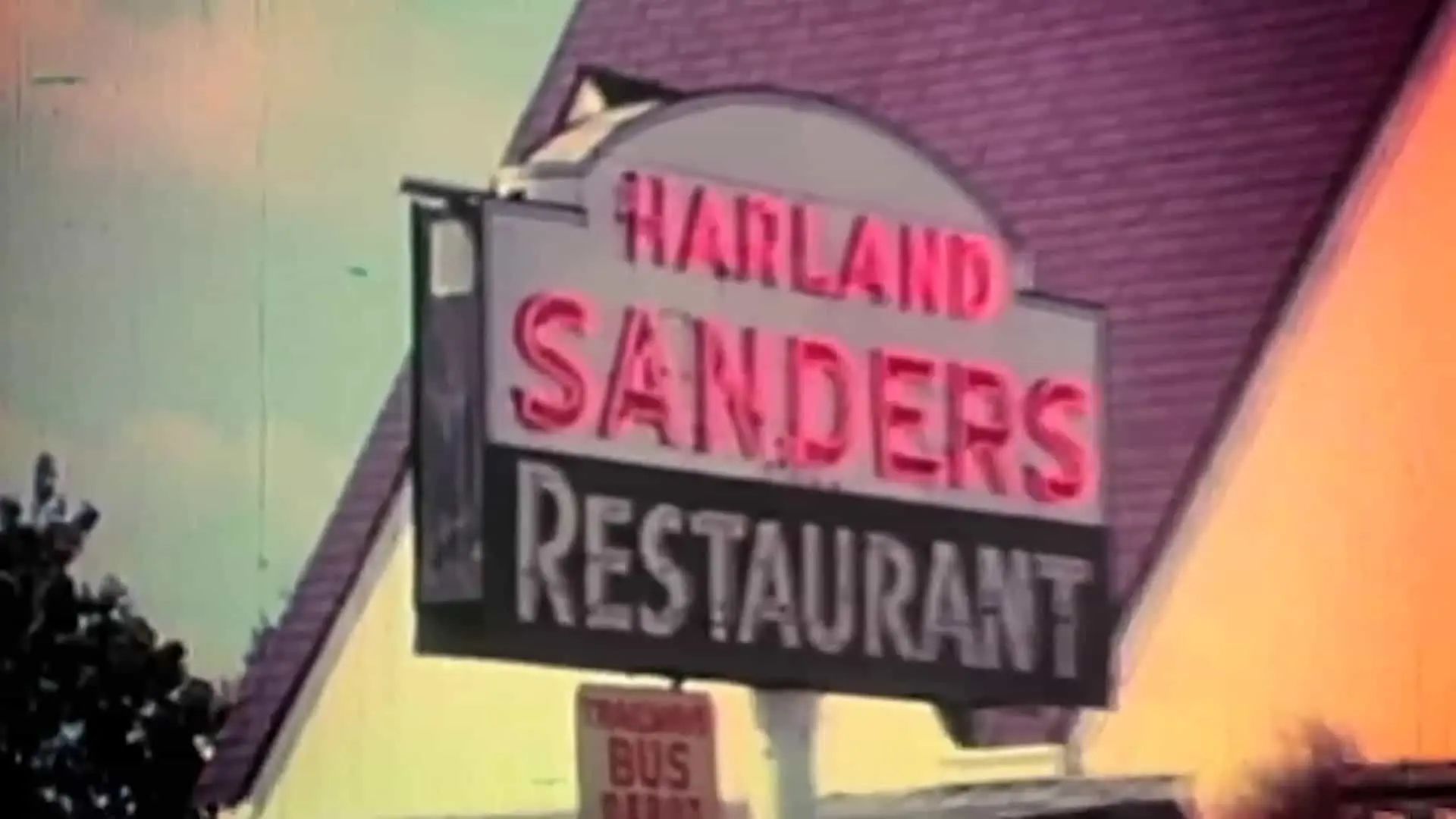
Success reason analysis (this stage):
The impetus of failureEarly job failures and family separation became a powerful driving force within him, propelling him forward.
Resilience and responsibility cultivated in adversityThe hardships of his childhood did not break him; instead, they taught him the rules of survival and the responsibilities of being the eldest son.
Unintentional accumulation of early cooking skillsHis experience of being forced to cook for his family ignited his passion for cooking and honed his basic skills, planting the initial seeds for his future core career.
Communication and sales skills honed through diverse experiencesThe diverse range of jobs, especially sales positions, taught him how to interact with people and how to market himself and products, which was crucial in his later franchise promotion.
Career turning point and historic breakthrough
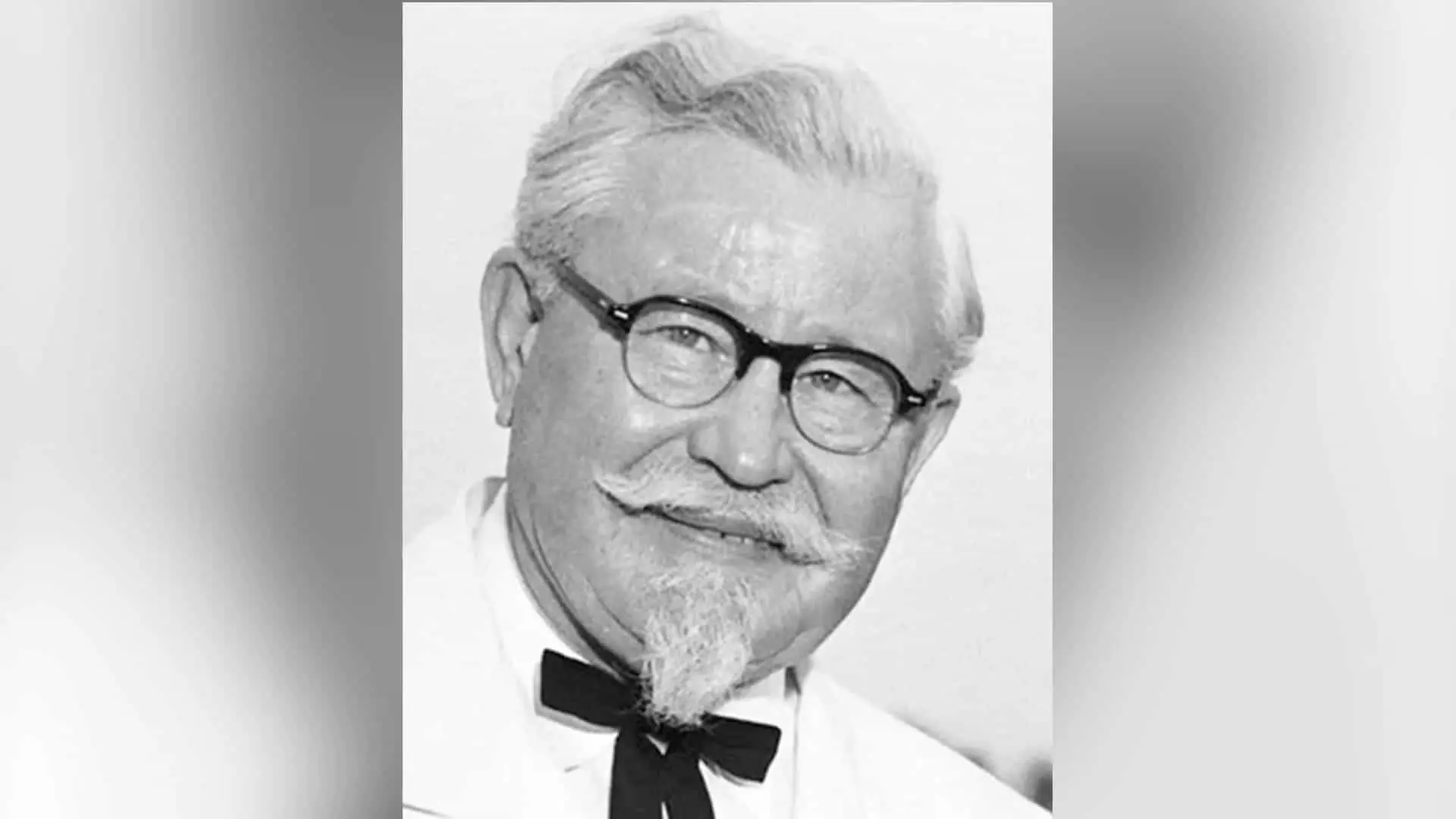
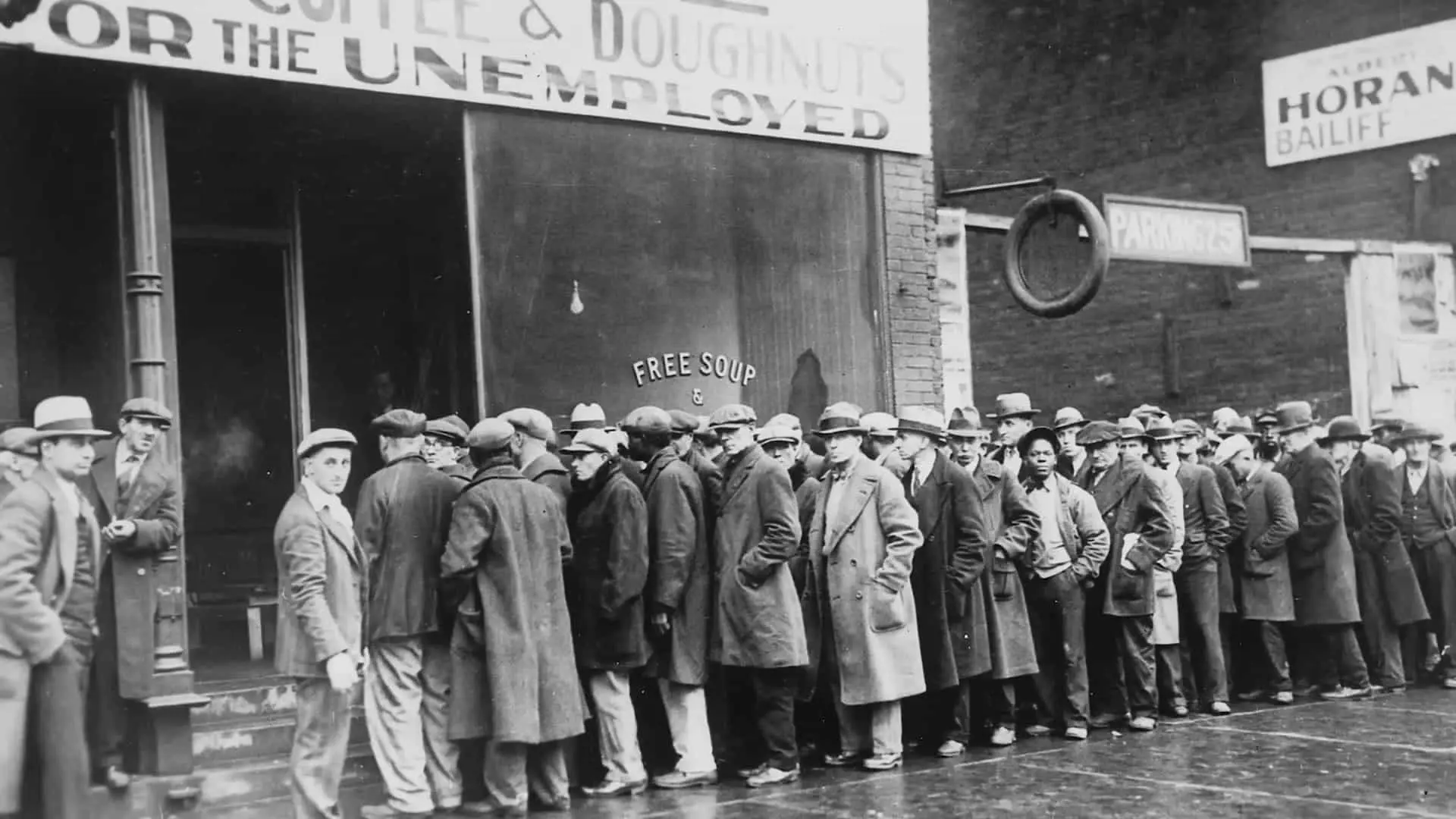
The 1920s were on the eve of the Great Depression, and Sanders continued to struggle in the job market. He first ran a ferry company, barely making ends meet; later, he switched to manufacturing acetylene lamps, but failed miserably due to market competition. Life's turning point often comes in the most desperate moments. In 1924, Harlan, struggling to find a job, hitchhiked from Louisville to Winchester and unexpectedly met his benefactor—the general manager of Standard Oil Company in Kentucky. Hearing of his plight, the manager was moved by his experience and invited him to manage a gas station in Nicholasville.
In 1924, a turning point occurred: Harlan, struggling to find a job, hitchhiked from Louisville to Winchester and happened to meet the general manager of the Kentucky Standard Oil Company. After hearing about his plight, the manager invited him to run the Nicholasville gas station.
Overcoming difficulties with top-notch service
Harlan seized this hard-won opportunity. He broke through the difficulties with top-notch service and frequently offered small gifts to attract customers. This early customer relationship management strategy was a great success, enabling him to achieve monthly gasoline sales of $12,000, three times the industry average.
The beginnings of entering the catering industry:
To supplement his income during the economic downturn, he began serving simple, home-style meals to long-distance travelers. Initially, it consisted only of country ham, green beans, okra, and hot biscuits, but fried chicken, added at customer request, unexpectedly became a favorite. In his memoir, he wrote, "I believe fried chicken is one of the most iconic hospitality dishes in North America."

During this period, Sanders discovered a market demand: truck drivers on highways needed fast, delicious food. His motivation shifted to innovation—he began focusing on perfecting his fried chicken recipe, seeing it as a turning point in his career.
In 1935, he converted the service station into a small restaurant specializing in fried chicken meals. That same year, Kentucky Governor Ruby LaFond awarded him the honorary title of "Colonel of Kentucky" in recognition of his contributions to the local economy. This was not only an affirmation but also a powerful marketing tool—the colonel's title made his chicken seem even more "authentic." By 1937, his culinary reputation had spread far and wide, attracting customers from other states, leading him to expand the gas station into a motel and restaurant capable of seating 142 people.

However, his business wasn't without its challenges. He discovered a major problem: he couldn't quickly supply fried chicken. Making it to order required a 30-minute wait, while pre-preparing often resulted in discarding leftovers. Deep-frying, while faster, led to dry, tough meat and a rough skin. Then, while cooking vegetables in a newly invented pressure cooker, a brilliant idea struck him: why not use it to fry chicken? Through repeated experiments, he found the perfect balance between pressure, time, meat texture, and oil temperature. The pressure cooker locked in the chicken's flavor, keeping it tender and juicy, with a refreshing, non-greasy texture, and reducing cooking time to eight or nine minutes.
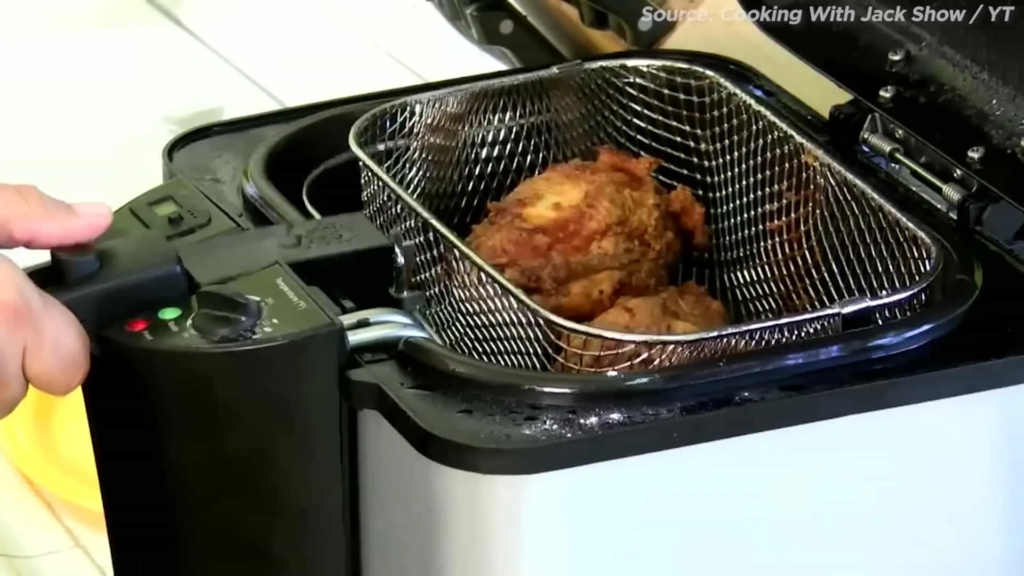
While constantly adjusting the seasoning recipe, he received an order for 500 fried chickens one day. He boldly tried a new recipe and unexpectedly created the most delicious fried chicken of his life, which was eventually finalized as "a secret recipe of 11 herbs and spices".
This historic breakthrough not only solved the efficiency problem but also laid the foundation for KFC's core competitiveness. Sanders' motivation for this success is revealed here: innovation-driven and market insightful. He transformed traditional fried chicken from a time-consuming and labor-intensive challenge into a fast and delicious product, allowing KFC to grow from a roadside stall into a chain.

The Birth of KFC and the Portable Revolution
At the same time, he introduced the revolutionary concept of "portable Sunday dinner": cook Kentucky fried chicken in your own kitchen and pack it into a convenient bucket. You can simply grab it and enjoy it anytime, anywhere. Now, the most popular Sunday dinner can be enjoyed anytime, anywhere. This not only solved the problems of housewives but also pioneered the portable fast food culture. His motivation: To make food more accessible, he innovated packaging, taking KFC from the family table to the world.
In 1952, a turning point arrived: Pete Harman in Salt Lake City, Utah, became the first franchisee. With Sanders personally demonstrating cooking techniques, Harman's sales skyrocketed by 751 million Tbsp. This marked KFC's shift from single-store operations to franchising, initiating its expansion.
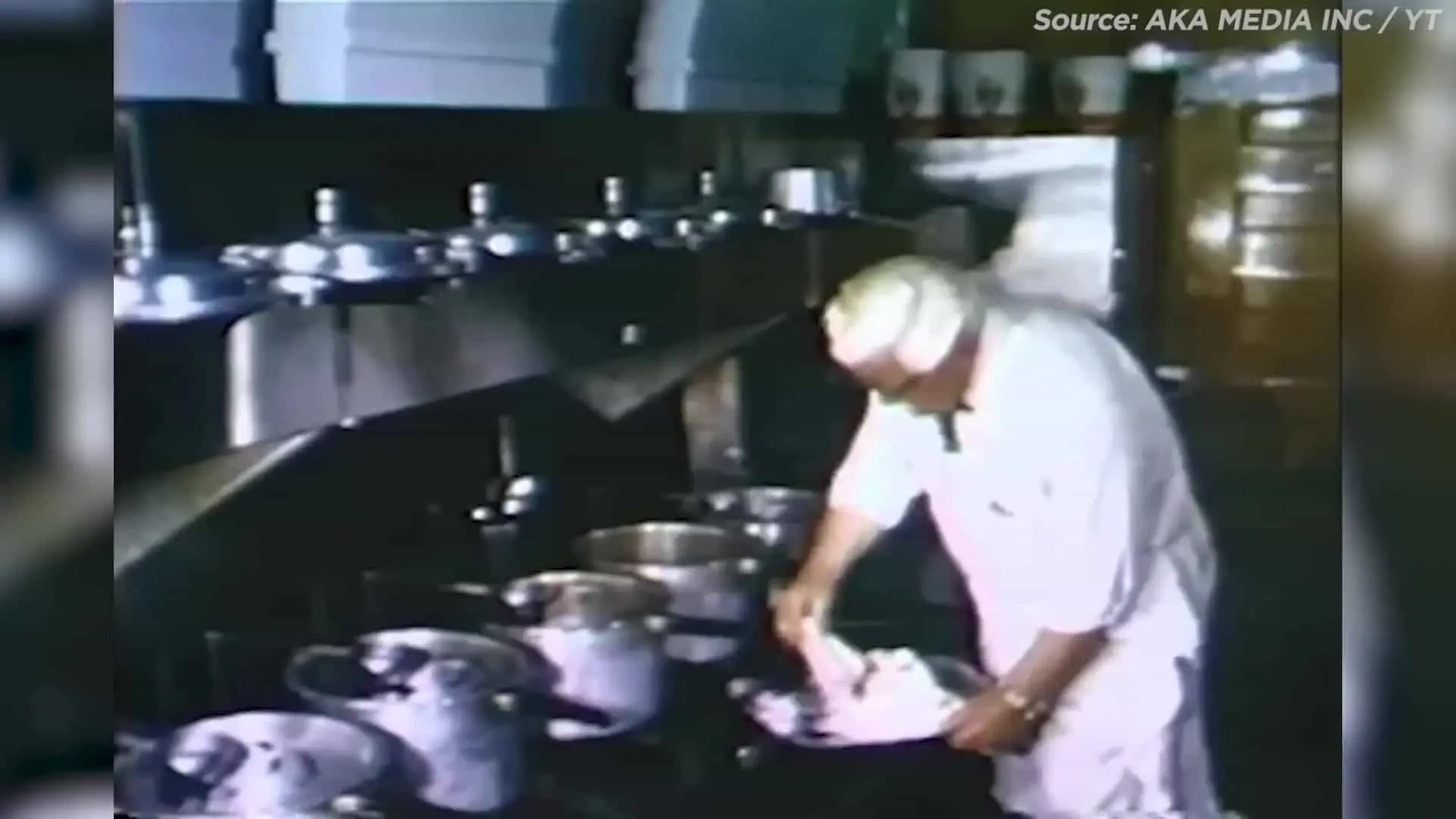
Timeline – The Struggle of Sanders' Life
| years | Age | Key events | The meaning and reasons for striving |
|---|---|---|---|
| 1890 | 0 | Born on a farm in Henryville, Indiana. | A poor starting point lays the foundation for self-reliance; the reason is that the family environment shapes a sense of responsibility. |
| 1896 | 6 | After her father passed away, she began cooking for her family. | Childhood responsibility fostered culinary skills; reasons: survival needs and mother's teachings. |
| 1900 | 10 | He was fired from his first farm job. | First failure; reason: lack of focus, need to motivate yourself to strive harder. |
| 1906 | 16 | He joined the U.S. Army and served in Cuba. | Military training; Reason: Seeking stability and adventure. |
| 1909 | 19 | He married Josephine and had three sons. | Increased family responsibilities; Reason: Establishing a life, but unemployment led to divorce. |
| 1913 | 23 | After dropping out of school, he rotated through multiple jobs. | Growth was fraught with difficulties; the reason was: adapting to the environment and accumulating experience. |
| 1920 | 30 | He founded a ferry company, but later failed in lighting manufacturing. | First-time entrepreneur; Reason: financial independence, but lessons learned from market competition. |
| 1924 | 34 | I ran into the manager of an oil company who runs a gas station. | A turning point in his career; the reasons: opportunity and service innovation. |
| 1930 | 40 | He opened a service station in Corbin and started selling fried chicken. | KFC originated; reason: seizing the business opportunities along the highway. |
| 1935 | 45 | He was awarded the rank of colonel; the restaurant expanded. | Brand recognition; Reason: economic contribution, marketing support. |
| 1937 | 47 | It was expanded into a hotel restaurant with 142 seats. | Word-of-mouth spread; reason: driven by customer demand. |
| 1939 | 49 | The restaurant was burned and rebuilt to have 142 seats; included in the guide. | Rebirth from adversity; reason: persistence in innovation, invention of the pressure cooker. |
| 1940 | 50 | Invented a pressure cooker for frying chicken, and finalized the secret recipe. | Technological breakthrough; Reasons: need for efficiency, experimental spirit. |
| 1941-1945 | 51-55 | He closed his shop during World War II and became a construction supervisor. | Struggles during wartime; reasons: adapting to the environment, management experience. |
| 1949 | 59 | He remarried Claudia. | Emotional support; Reason: a stable backing. |
| 1952 | 62 | The first franchise store opened, and sales increased by 751 TP3T. | Expansion and takeoff; Reason: Franchising model solves funding issues. |
| 1953 | 63 | The company refused the acquisition offer, and business declined after the highway was rerouted. | Career ups and downs; reason: adherence to principles, but poor timing. |
| 1955 | 65 | He sold the store and had only $105 left in Social Security benefits. | A low point in life; reason: external changes forced nationwide sales. |
| 1956-1963 | 66-73 | He was rejected 1,009 times while on a sales trip. | Striving for the peak; Reason: Driven by belief, seeking survival from despair. |
| 1963 | 73 | A 29-year-old lawyer offered 2 million to acquire the property. | Successful transformation; Reasons: needing funds due to old age, and retaining influence. |
| 1964 | 74 | Selling the company. | The foundation of an empire; reason: careful consideration and inheritance of a legacy. |
| 1973 | 83 | The company is being sued for misuse of its image. | Defending rights; Reason: Protecting the brand and opposing commercial compromise. |
| 1980 | 90 | He passed away; KFC has 6,000 stores. | A legend comes to an end; the reason: a lifetime of dedication, a legacy that will live on forever. |
This timeline shows that Sanders' peak struggle occurred after age 65, with 1,009 rejections symbolizing perseverance.
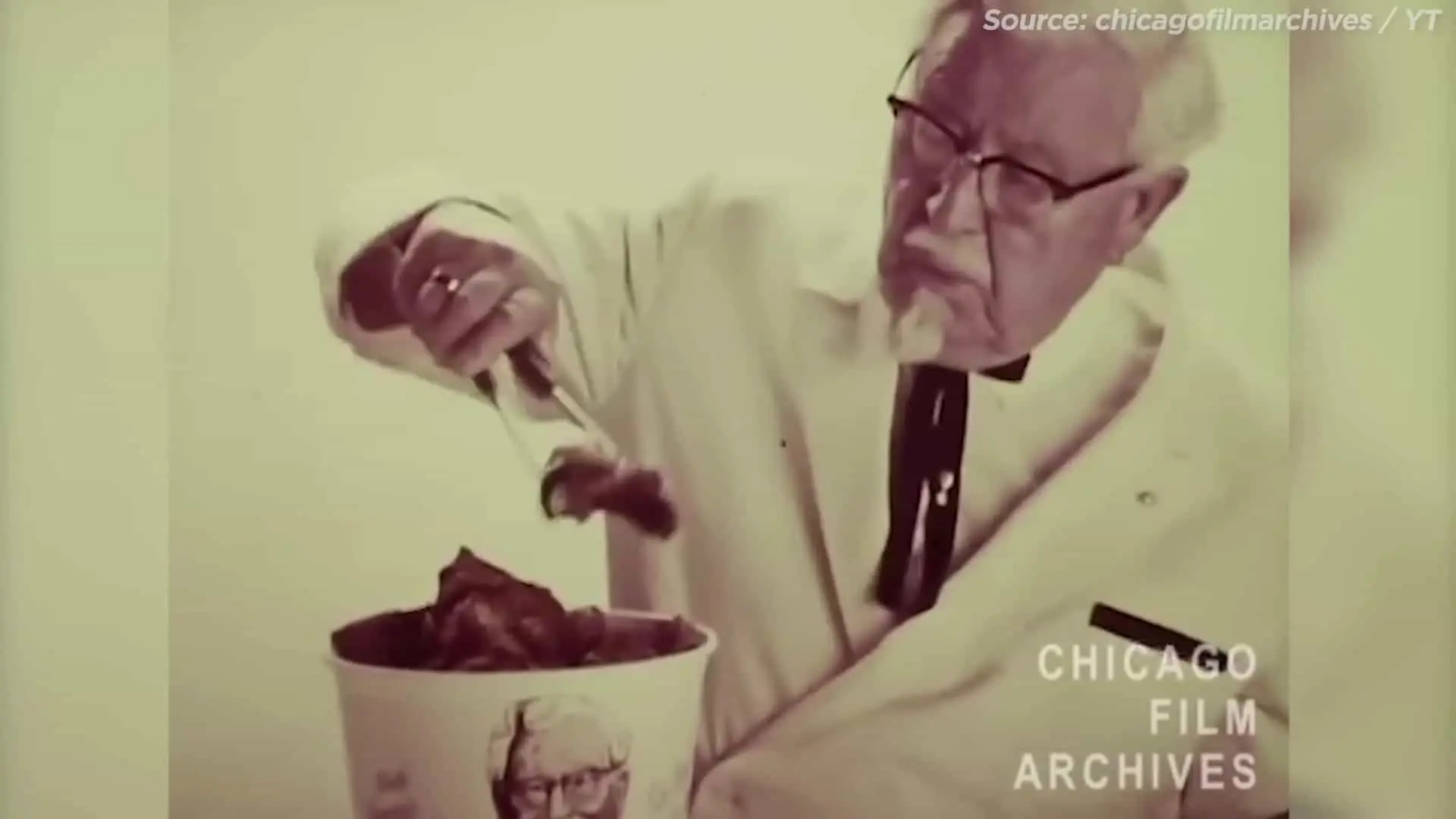
A Thousand Rejections—The Journey of the White Suit
In 1953, Sanders rejected a real estate developer's $164,000 acquisition offer. Unexpectedly, a highway rerouting six months later caused his business to plummet, ultimately leading to the auction of his assets for $75,000. At 66, he was forced to live on $105 a month in social welfare. But he had a new plan: to create a franchise. Several years earlier, he had licensed his recipe to his friend Peter Herman, resulting in Herman's business growing by 75%. So, armed with a pressure cooker and spice packets, he set out, visiting restaurant after restaurant, demonstrating his fried chicken-making process and tasting the finished product.
Sleeping in the back seat of his car and relying on friends for support, he lived a life almost like a vagrant. With a can of oil, a bag of flour and seasonings, and his pressure cooker, 66-year-old Colonel Sanders embarked on his second entrepreneurial journey in his old Ford.

Brand establishment and expansionPeter Herman was not only his first partner but also a crucial strategic ally. Herman coined the catchy name "Kentucky Fried Chicken" and launched a powerful local marketing campaign. This success became Colonel Sanders' most powerful living advertisement. Within two years, he miraculously established over 600 branches.
The Practice of the Timeless Maxim: A Thousand RefusalHe later shared, "Every failure is a stepping stone to a better future. I was rejected 1,009 times before I successfully sold my first franchise." He did receive hundreds of "no's" before getting enough "yes." No one believed that an old man in a white suit who called himself a colonel could bring about any change. However, his persistence finally paid off.
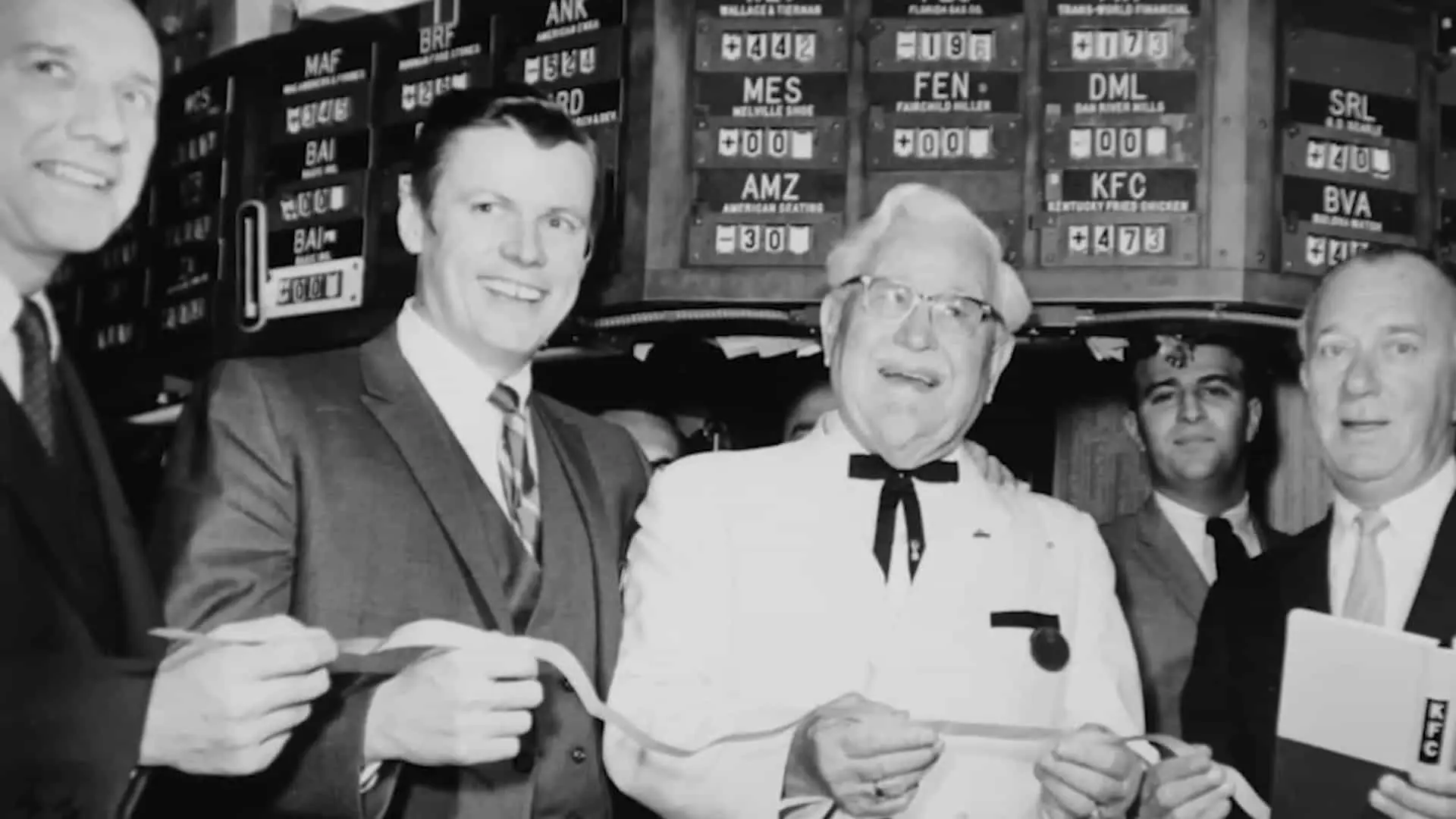
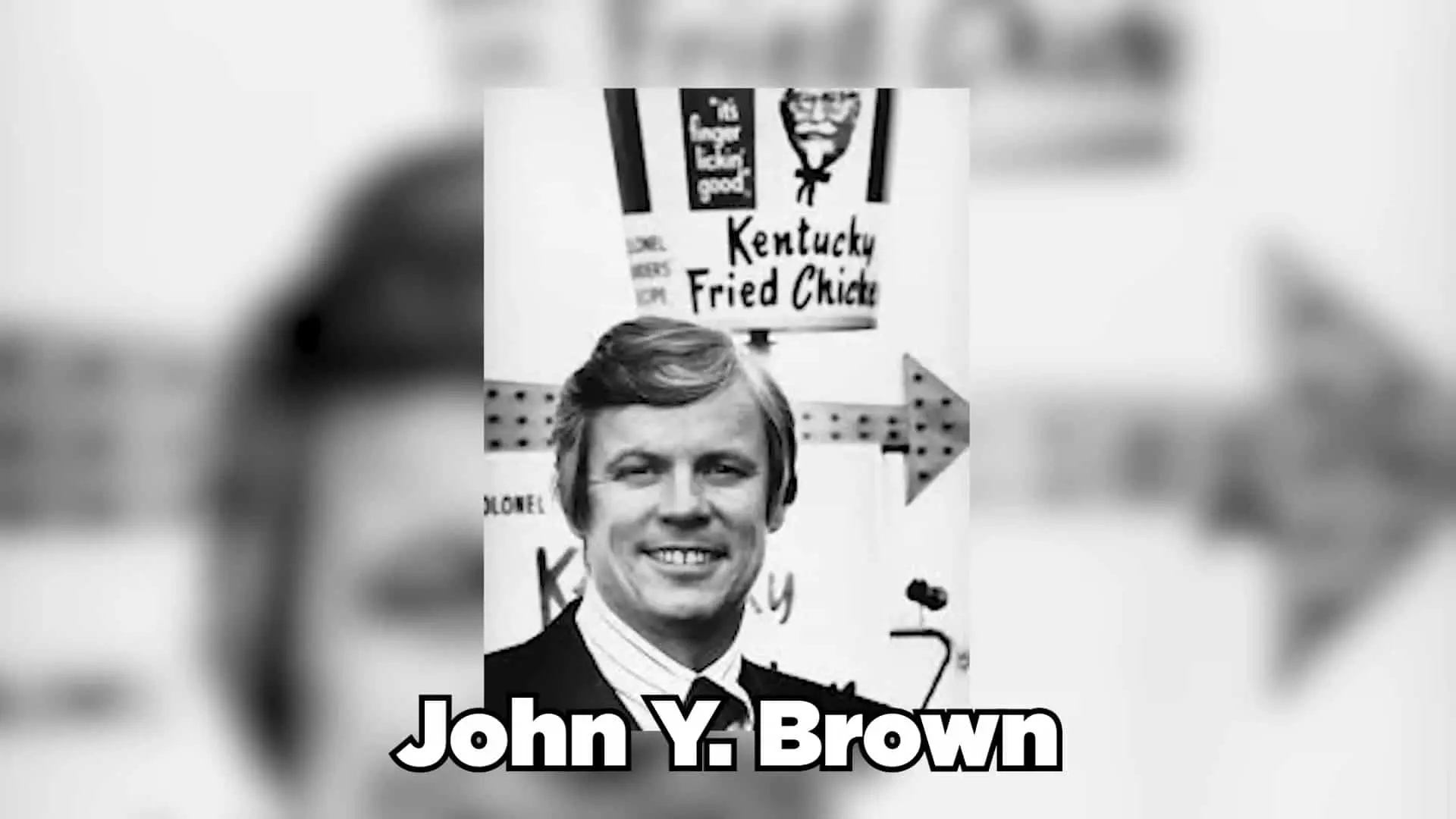
After being rejected thousands of times, he rose from adversity. In 1963, John Brown and Jack Macy offered $2 million to acquire him. The 73-year-old Harlan signed the contract on January 6, 1964.
KFC's early franchise expansion history (1952-1964)
| years | Number of franchised stores (units) | Development stages and key events |
|---|---|---|
| 1952 | 1 | starting pointThe first franchise store opened in Salt Lake City, Utah (partner: Pete Harman). |
| 1955 | 15 | Exploration periodColonel Sanders began a nationwide road trip to promote his franchise model. |
| 1959 | 200 | Acceleration periodThe business model has been validated, and the expansion speed has accelerated significantly. |
| 1960 | 400 | Rapid growthThe number of branches across the United States has doubled. |
| 1963 | 600 | Scale formationThe franchise network has taken shape, making it a well-known chain brand in the United States. |
| 1964 | More than 600 | Founding of the EmpireThe company was acquired for $2 million by an investment group led by John Brown and Jack Macy, laying the foundation for global expansion. |
As can be clearly seen from the chart, after an initial slow start, KFC's franchise model has shown amazing explosive growth, exhibiting exponential growth.
KFC Growth Data and Chart Analysis
| years | Number of stores (global) | Growth rate (%) | Key Reasons and Events |
|---|---|---|---|
| 1952 | 1 | – | First franchise store; Reason: The model is feasible. |
| 1963 | 500 | 50,000 | American expansion; reason: the circuit effect. |
| 1964 | 600 | 20 | After selling the company; Reason: Capital injection. |
| 1980 | 6,000 | 900 | International expansion; Reason: globalization. |
| 1993 | 9,000 | 50 | Asia's rise; reason: high-revenue stores. |
| 2010 | 15,000 | 67 | China's contribution; reason: Yum! acquisition. |
| 2023 | 27,000 | 80 | Recovery from the pandemic; reason: food delivery consolidation. |
| 2024 | 30,000+ | 11 | Exceeding 30,000; Reason: Growth in India and Latin America, opening 2,700 stores. |
| 2025 | 31,000+ | 3 | Continued slight increase; reason: expansion in emerging markets. |
Chart DescriptionThe line chart shows a gradual rise from 1952, followed by a sharp increase to over 30,000 in 2024. Reasons: Franchising model and globalization.
Sales revenue growth chart (1964-2025, in US$ billion)
| years | Annual revenue (US$ billion) | Growth rate (%) | Regional Contribution and Reasons |
|---|---|---|---|
| 1964 | 5 | – | The US was the primary source of funding; the reason being capital injection. |
| 1980 | 20 | 300 | 48 countries worldwide; Reason: Advertising and promotion. |
| 1993 | 50 | 150 | The proportion of Asian stores has increased; the reason is that there are 1.2 million stores in Asia. |
| 2010 | 120 | 140 | Emerging markets; Reason: 3,000 stores in China. |
| 2023 | Approximately 280 | 133 | International 70%; Reason: 2,700 new stores. |
| 2024 | 310 | 11 | Global division of labor; Reason: Taco Bell and others increased Yum's total by 7.55 billion, while KFC contributed 3.1 billion. |
| 2025 | Approximately 330 | 6 | Slight increase is expected; reason: health trends pose challenges, but international factors will compensate. |
Chart DescriptionThe bar chart shows explosive growth, reaching 31 billion in 2024. Reasons: Innovation and market adaptation.
Why is Sanders able to never give up?
Sanders' success stems from multiple reasons:
1. Family and SurvivalDriven by childhood responsibilities.
2. InnovationPressure cooker and secret recipe.
3. Market InsightsPortable meals.
4. toughness: 1,009 rejections.
He shared, "Every failure is a stepping stone to a better future. I was rejected 1,009 times before successfully selling my first franchise, eventually selling the company for $2 million. Witnessing countless people overcome adversity makes your own difficulties seem insignificant." This maxim has inspired generations to come.
The formation, sale, and globalization of empires (1964-present)
1964: The Sale of the EmpireAfter careful consideration, 73-year-old Harlan signed a contract to sell the company on January 6, 1964. He knew he excelled at creation and promotion, but the systematic management and capital operation of the vast empire required a more professional team. It was a difficult but wise decision.
1970s: Entering the Global MarketUnder the leadership of the new management team, KFC embarked on an aggressive global expansion strategy. It opened its first branch in Japan in 1969, successfully entering the Asian market; it entered Hong Kong in 1973 and Beijing, China in 1987. KFC's development in China was particularly successful, and through in-depth localization strategies (such as introducing rice dishes, fried dough sticks, and Old Beijing chicken rolls), it even surpassed McDonald's to become a leader in Western-style fast food.
Time period: 1970 – present
As the franchise network grew larger, management became more complex. At this point, young lawyer John Brown and investor Jack Macy saw the enormous potential in KFC and proposed a $2 million acquisition offer (now worth over $15 million).
Brand maintenance and disputesAfter the sale, Colonel Sanders was very dissatisfied with the new owner's changes to product quality in order to save costs (such as using frozen chicken instead of fresh chicken and changing the breading process), and he publicly criticized them on several occasions. This shows his consistent commitment to product quality, a commitment that stemmed from his childhood kitchen. Nevertheless, he continued to fulfill his responsibility as an advocate until his death from leukemia in 1980 at the age of 90.
Inspiring contemporary entrepreneurs
Sanders' journey, from a poor child to an empire, spanned 90 years. His story tells us that perseverance and innovation can change the world. In 2025, KFC faces new challenges, but the Colonel's spirit lives on.
Sanders' motivation stemmed from the instinct for survival and a love of food. He believed that a simple fried chicken could not only fill stomachs but also change the world—and he proved it. From his impoverished farming family in his early years to his mid-life business turnaround and his later chain empire, every step of his journey is marked by "struggle." In particular, his "portable Sunday dinner" concept revolutionized traditional family meals, making KFC a daily choice for families worldwide. Through this, we can not only understand Sanders' personal struggle but also see how changing times shape a brand. Let's step into this legendary journey spanning nearly a century.
Harland Sanders' story is not only a legend of founding KFC, but also a profound lesson in resilience, innovation, and perseverance. His journey, from a poor childhood to building a global fried chicken empire at age 73, offers multifaceted life lessons applicable to entrepreneurs, professionals, or anyone pursuing their goals.
The following eight life lessons are extracted from Sanders' life and the founding of KFC, and analyzed in conjunction with his specific experiences and reasons, to help us find direction in modern life.
What life lessons does it offer?
1. Failure is a stepping stone to success: Embrace setbacks and try again.
RevelationFailure is not the end, but a necessary step on the road to success. The legendary story of Sanders being rejected 1,009 times demonstrates his unwavering determination even at 65. Each rejection brings him closer to his goal because he views failure as a learning opportunity.
CaseIn 1955, Sanders' restaurant business collapsed due to a highway rerouting, leaving him with only $105 a month in social welfare at the age of 66. Instead of complaining about his fate, he traveled across America with his pressure cooker and secret recipe, going door-to-door selling franchises. It's said he was rejected 1,009 times before successfully selling his first franchise, but he said, "I told myself, try again." Ultimately, at the age of 73, he sold KFC for $2 million, proving that perseverance can turn one's destiny around.
applicationWhen facing setbacks in your career, business failures, or low points in your life, ask yourself, "What can I learn from this failure?" Then try again. The number of times you fail is not important; what matters is whether you keep moving forward. Modern entrepreneurs can learn from Sanders' "try again" mentality, such as readjusting their strategy or seeking new investors after being rejected for funding.
2. Age is not a barrier: You can start over at any time.
RevelationSuccess isn't limited to young people; anyone can start a new chapter at any age. Sanders didn't begin promoting KFC nationwide until he was 65, sold the company at 73, and was still active in brand promotion at 90. His story shatters the myth that "you can't succeed when you're too old."
CaseAt 66, Sanders had almost nothing, yet he chose to travel the country in his old car, sleeping in the back seat and relying on friends for food, and built 600 branches within two years. His age was not an obstacle, but rather an advantage—his white hair, white suit, and "Colonel Kentucky" image made customers trust his experience and secret recipes.
applicationWhether you switch careers at 30, start a business at 50, or pursue your dreams at 60, Sanders reminds us that with determination, you can start over at any time. For example, many modern "silver entrepreneurs" have used their post-retirement experience to launch online education or consulting businesses, proving that age is just a number.
3. Innovation stems from demand: solving problems is the key to success.
RevelationTrue innovation comes from solving real problems, not from chasing vain ideas. Sanders invented the pressure cooker method for frying chicken and the "portable Sunday dinner" to meet customers' needs for time and convenience.
CaseIn the 1930s, Sanders discovered that highway drivers needed quick and delicious meals, but his existing fried chicken took 30 minutes to cook, which couldn't meet that demand. Through repeated experimentation, he used a pressure cooker to reduce the cooking time to 8-10 minutes, creating crispy and juicy fried chicken. In addition, he introduced "Portable Sunday Dinner," packing fried chicken into a convenient container so that housewives could easily enjoy a traditional meal. These two innovations laid the foundation for KFC's core competitiveness.
applicationIn the workplace or as an entrepreneur, observe the "pain points" around you. For example, the success of modern food delivery platforms is precisely because they solved the problem of "fast food delivery." Ask yourself: "What processes can I simplify?" "What can I make more convenient?" Starting from needs, innovation will naturally follow.
4. Belief Shapes the Future: Believe in your own worth, and others will eventually recognize it.
RevelationA strong belief in one's product or idea can overcome external skepticism. Sanders firmly believed that his fried chicken recipe was "addictive," and this confidence kept him selling it, even when he was ridiculed for being old or unrealistic.
CaseWhen Sanders was pitching his franchise, restaurant owners often mistook him for an "old conman." But he insisted on personally demonstrating the cooking process, showcasing the unique flavors of the 11 spices. Eventually, the first franchise opened in Utah, and sales skyrocketed by 751 million Tbsp, proving his secret recipe had a market. This belief led him to knock on the 1,010th door after 1,009 rejections.
applicationWhen your ideas or products are questioned, return to your core values. For example, if an entrepreneur is developing new technology, they should focus on its unique advantages (such as saving time or reducing costs) and use data or demonstrations to persuade others. Belief is a magnet for attracting supporters.
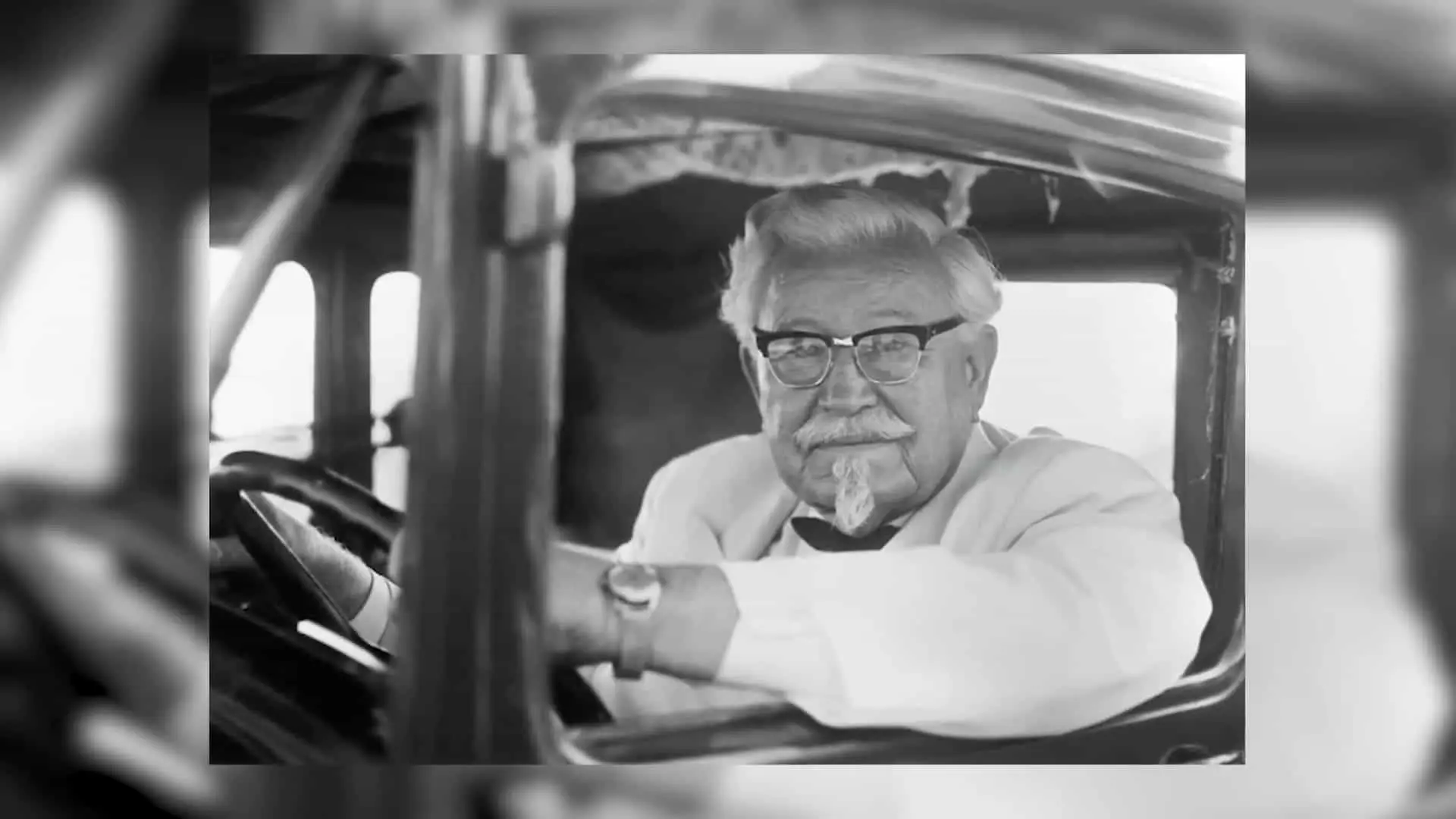
5. Family and responsibility are the driving forces: striving for love and duty.
RevelationStriving for one's family can unleash unlimited potential. Sanders' motivation began as a child cooking for his younger siblings, then as an adult starting a business to support his family, and in his later years upholding quality for his legacy.
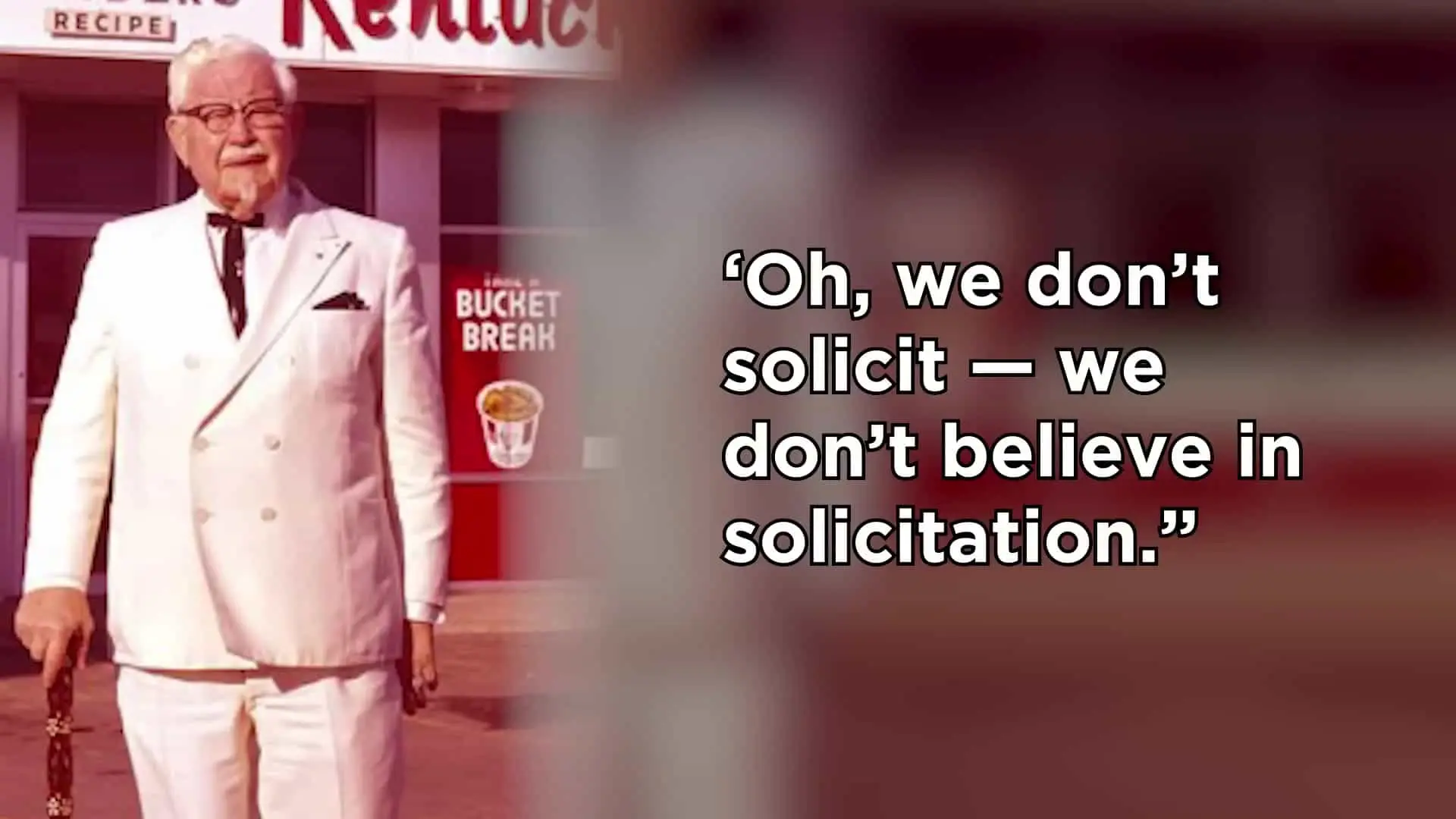
CaseAfter losing his father at the age of six, Sanders took on household chores and stayed up all night learning to cook at the age of seven, just to feed his younger siblings. As an adult, facing the Great Depression and unemployment, he started several businesses with the goal of providing a stable life for his family. After selling KFC in 1964, he continued to serve as a brand ambassador, criticizing the company's sauces as "like wallpaper," because he wanted to leave behind a legacy of quality, not compromise.
applicationFind your "why." Whether it's supporting your family, fulfilling your dreams, or giving back to society, a clear motivation can help you persevere through difficult times. For example, many single parents or new immigrants work hard for their children, and this sense of responsibility can drive them to push their limits.
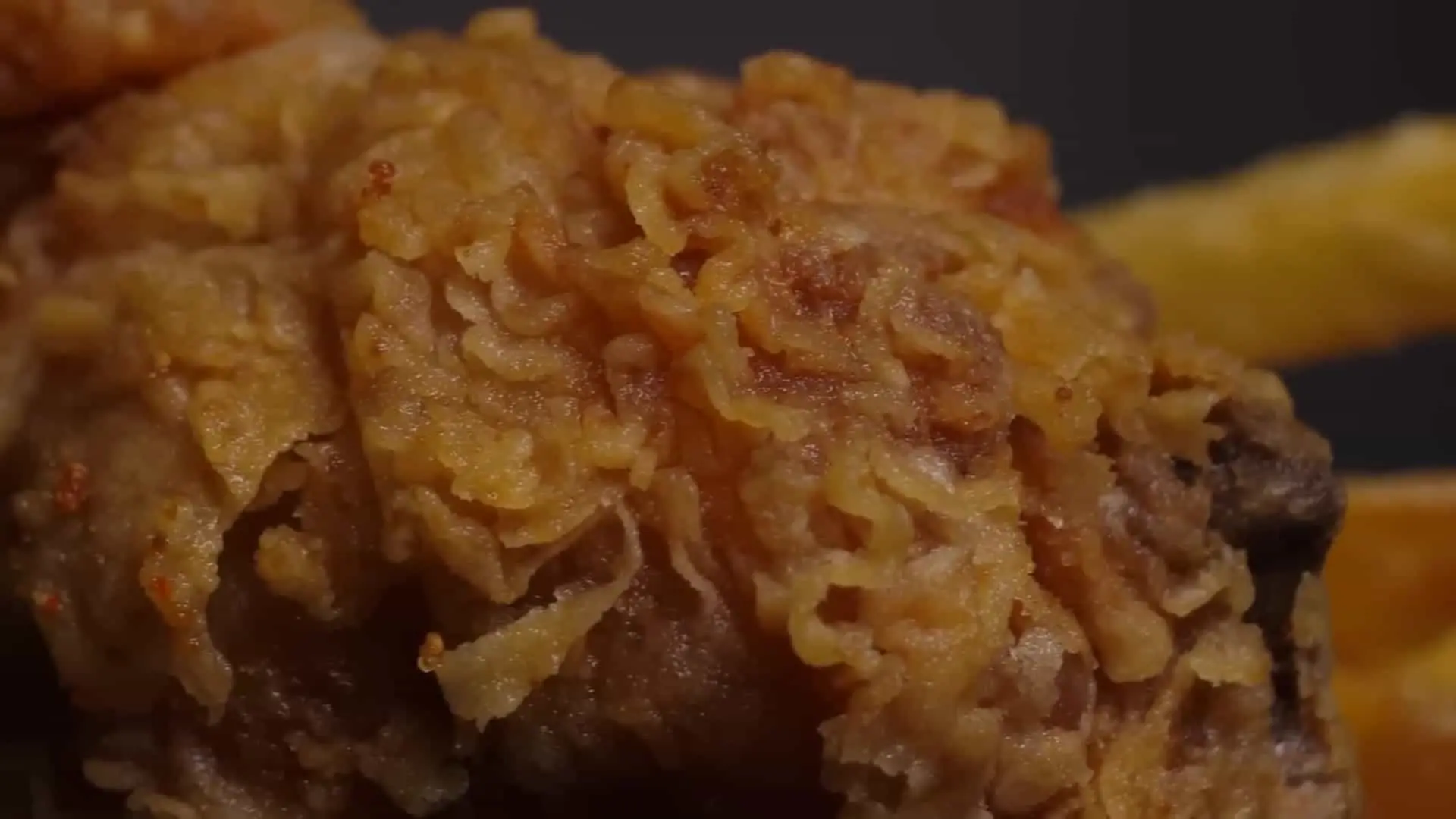
6. Adapt to changing times: Seize opportunities and rise with the tide.
RevelationBehind every success lies a keen insight into the trends of the times. Sanders seized the opportunities presented by the highway era and the post-war fast food boom, turning homemade fried chicken into a commercial product.
CaseIn the 1930s, the expansion of the U.S. highway network created a demand for quick meals for truck drivers, and Sanders' fried chicken service at his Corbin gas station perfectly met this need. The post-war economic recovery and the rise of fast-food culture allowed his franchise model to capitalize on this trend. By the time he sold the company in 1964, KFC had 600 stores; just eight years later (1972), it had surpassed 3,000, demonstrating his keen understanding of market opportunities.
applicationObserve current trends, such as digitalization, sustainability, or healthy eating. For example, the modern restaurant industry's use of delivery platforms (such as Uber Eats) or the introduction of vegetarian options are examples of adapting to the market. Ask yourself, "What does society need right now?" and then adjust your strategies accordingly.
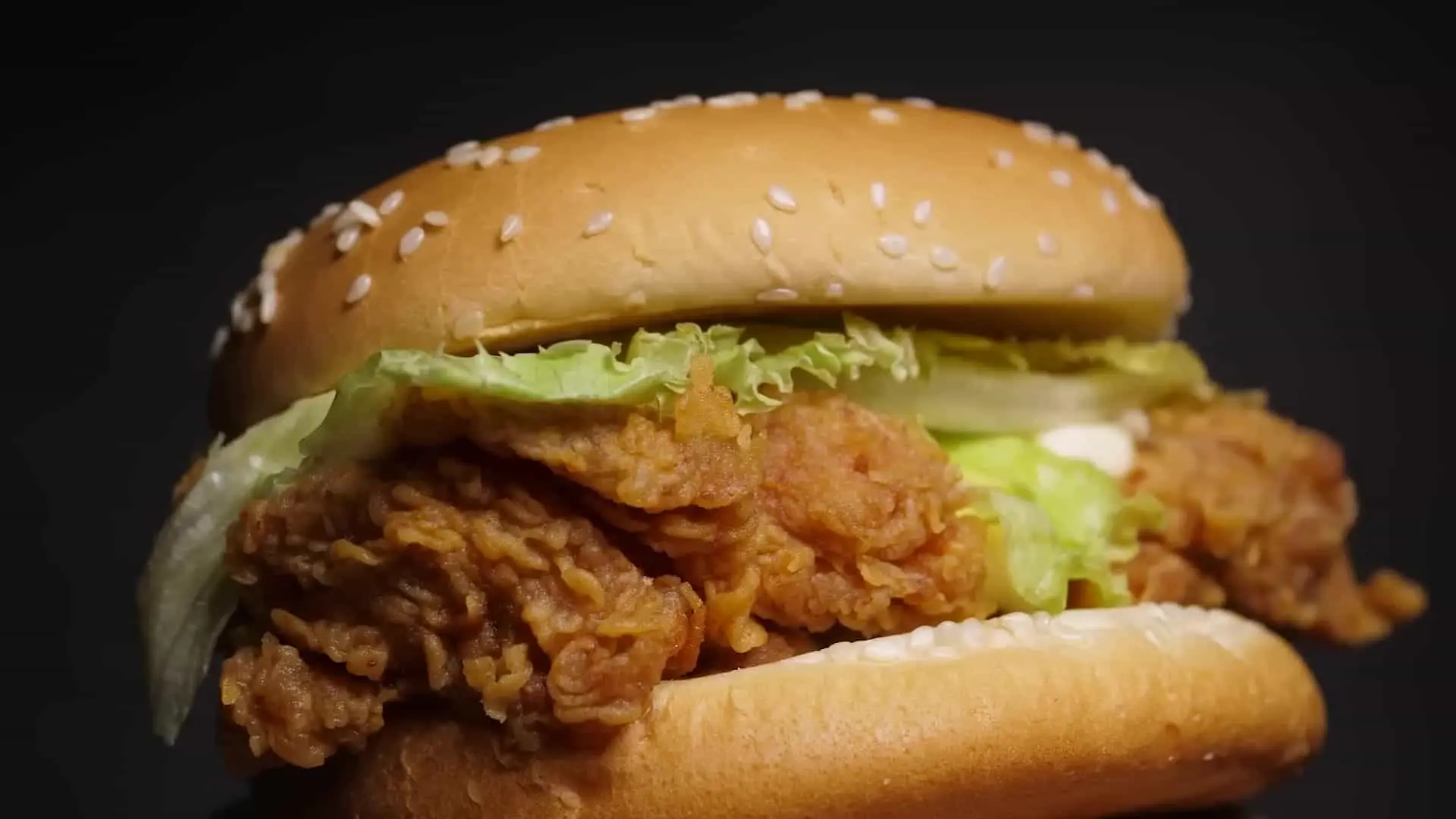
7. The Power of Simplicity: Focus on the Core, Create the Extraordinary
RevelationFocusing on one thing and doing it to the extreme is more valuable than doing many things without mastering them. Sanders dedicated his life to "fried chicken," and everything from the recipe and cooking method to the brand image revolved around this core.
CaseSanders spent nine years blending "11 herbs and spices," using a pressure cooker to solve efficiency issues. His restaurant doesn't sell complicated menus, focusing only on fried chicken, fries, and biscuits, yet it has built a global brand. His "portable Sunday dinner" bucket concept has also won over families with its simplicity and convenience.
applicationIn your work or life, find your "fried chicken"—what you're best at or passionate about—and dedicate yourself to it. For example, Apple's focus on minimalist design led to the iPhone's success. Focus makes you stand out.
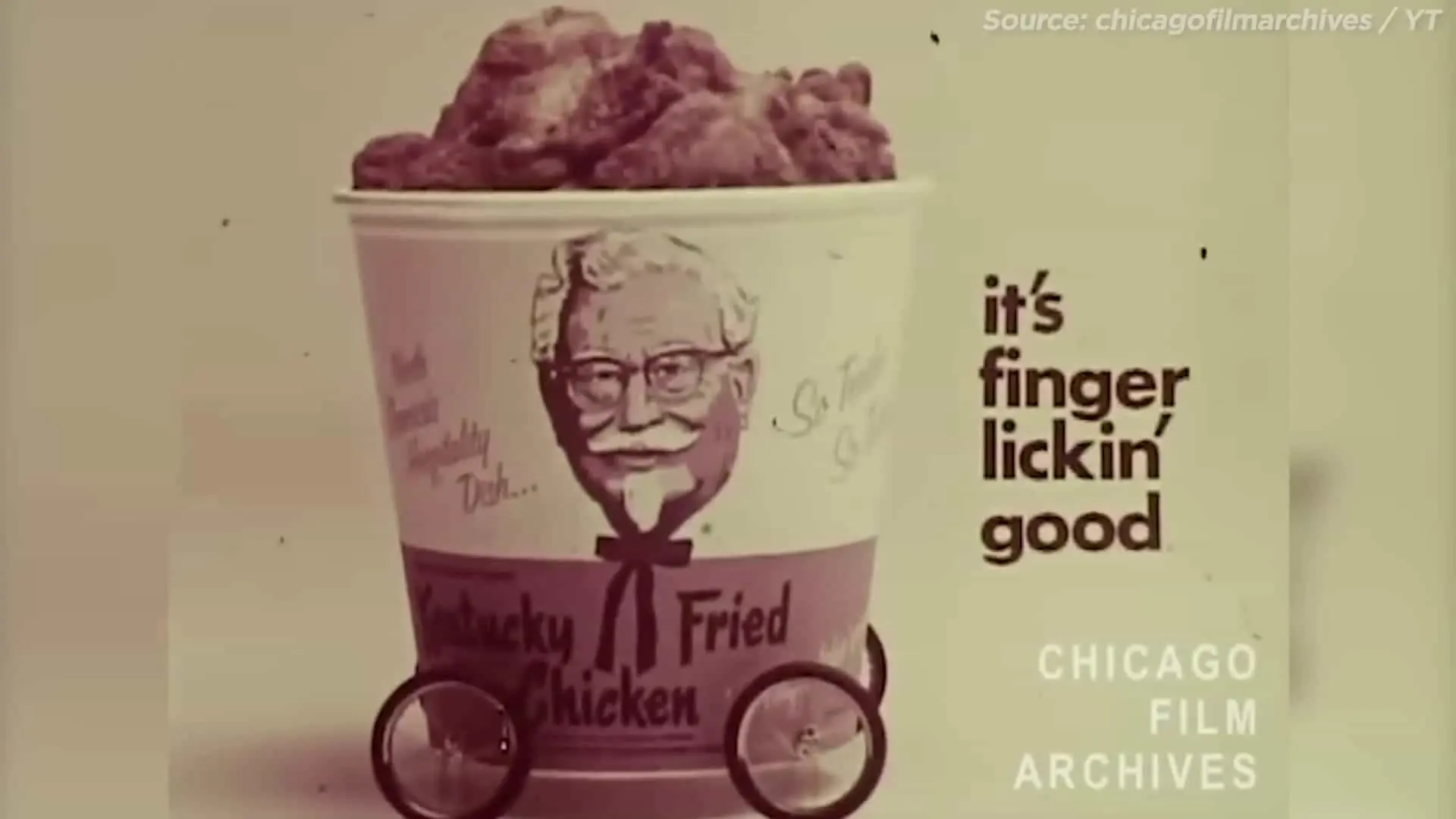
8. Inheritance is more important than wealth: pursuing meaning, not just money.
RevelationTrue success lies in leaving a valuable legacy, not just pursuing wealth. Even after selling KFC, Sanders remained an ambassador, defending quality and even suing the company for misuse of his image, demonstrating his commitment to brand spirit.
CaseIn 1973, Sanders sued Heublein for misusing his image and criticized the new sauce as "like wallpaper paste." Even at 90, he continued touring the world to oversee branches and ensure the fried chicken met standards. He once said, "I'm not just selling chicken, I'm selling Kentucky's pride." This unwavering commitment to quality has made KFC a global cultural icon, influencing over 30,000 stores to date.
applicationConsider the legacy you want to leave behind—is it love for your family, a contribution to your industry, or a change in society? For example, many entrepreneurs create value beyond money through philanthropy or sustainable practices. Does your work leave meaning for future generations?
Chart illustration: Lessons from Sanders' struggles and KFC's growth
The following chart simulates Sanders' career trajectory and the growth of KFC stores, reflecting how his life lessons drive success. The horizontal axis represents the year, and the vertical axis represents the number of stores (in thousands), with key lessons highlighted.
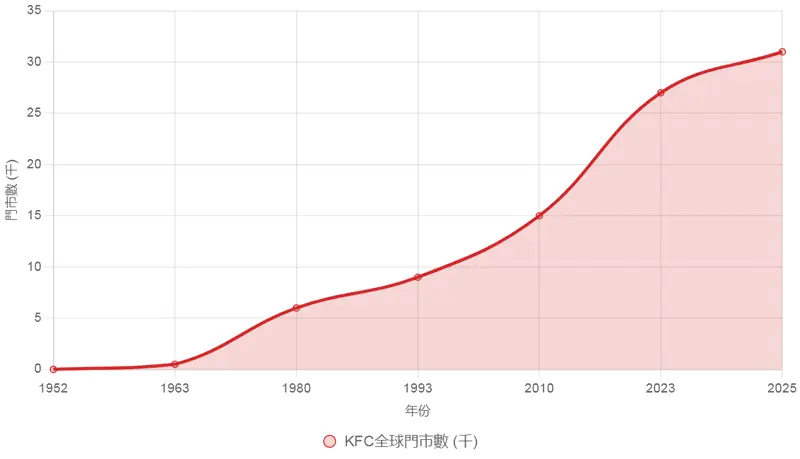
Chart ExplanationThe growth curve started slowly in 1952 (1 store), accelerated in 1963 (500 stores), took off in 1980 (6,000 stores), and is projected to reach 31,000 stores in 2025. The milestones reflect innovation (pressure cooker and franchising), perseverance (success after rejection), and legacy (global impact). Reason: Sanders' inspiration (innovation, resilience, belief) drives growth.
How Sanders' Inspiration Can Illuminate Contemporary Life
Sanders' story teaches us that there are no shortcuts in life, but there are endless possibilities. His eight key takeaways—from embracing failure to pursuing a legacy—apply not only to entrepreneurs but to anyone pursuing their goals. In 2025, as we face workplace stress, economic challenges, or personal setbacks, Sanders' spirit reminds us that by persisting in innovation, believing in ourselves, and seizing opportunities, we too can create a world-changing legend from a single piece of fried chicken, just like him.
Action Recommendations:
- Log failureWrite down the lessons learned from each setback and find ways to improve.
- Set small goalsLike Sanders marketing franchises, focus on the next "door".
- Observe the trendResearch market or industry changes to find your "highway".
- Leave behind valueThink about how your work will be meaningful to future generations.
Sanders once said, "Witnessing countless people overcome adversity makes your own difficulties seem insignificant." Let us learn from his story, fight bravely, and create our own "fried chicken empire."
Further reading:
![[有片]把與生俱來的「好色」,用以點燃事業的雄心](https://findgirl.org/storage/2025/11/有片把與生俱來的「好色」,用以點燃事業的雄心-300x225.webp)

![[有片]銷售的語言煉金術](https://findgirl.org/storage/2025/10/有片銷售的語言煉金術-300x225.webp)