





30 Easy and Simple Home-Style Recipes for Cold Hands and Feet (Suitable for Daily Care)
.webp)
Table of contents
Understanding cold hands and feet
My hands and feet are cold.Traditional Chinese MedicineIt seems that most of them are "Yang QiThis is a manifestation of "deficiency" or "poor circulation of Qi and blood." The body's Yang Qi and blood are like the sun and warm currents within the body, responsible for warming the limbs and bones. When Yang Qi is weak and cannot reach the limbs (what Traditional Chinese Medicine calls "the four extremities"), or when the circulation of Qi and blood is obstructed due to cold pathogens, Qi stagnation, or other reasons, the hands and feet will feel cold.
Common types:
- Yang deficiency typeIn addition to cold hands and feet, symptoms include general chills, lethargy, lower back and knee pain, loose stools, and pale complexion.
- Qi and Blood DeficiencySymptoms include cold hands and feet, a sallow or pale complexion, dizziness, palpitations, insomnia, and fatigue.
- Liver Qi Stagnation TypeCold hands and feet, but the body doesn't feel very cold, and there may even be irritability, chest tightness, or bloating. This type of coldness is caused by "stagnation of Qi," which prevents heat from reaching the extremities.
- Cold-induced blood stasis typeSymptoms include cold hands and feet, sometimes even turning purple, which worsen after exposure to cold, accompanied by dysmenorrhea and menstrual blood clots.
Important Reminder:
- Targeted treatmentThis recipe incorporates principles of warming the body, replenishing qi and blood, and promoting blood circulation, making it suitable for most people with cold hands and feet due to deficiency and coldness. If symptoms are severe or complex, please consult a Traditional Chinese Medicine practitioner.
- The key is persistenceThe effects of dietary therapy are cumulative; these recipes must be incorporated into your daily diet to be effective.
- In accordance with lifestyle habitsAvoiding cold and raw foods (such as ice cream, cold drinks, watermelon, and bitter melon), keeping your limbs warm, and engaging in moderate exercise to promote circulation are all key to improving cold hands and feet.
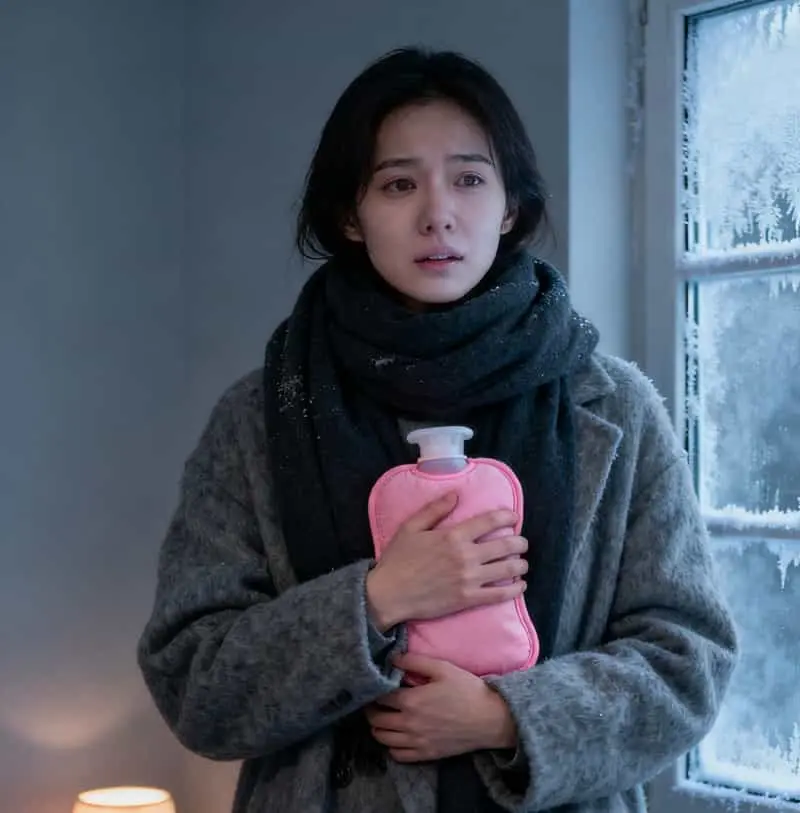
Traditional Chinese Medicine definition of "cold hands and feet"
Traditional Chinese medicine refers to cold hands and feet as "cold hands and feet" or "cold extremities." The core concept is...Yang energy cannot be delivered smoothly to the extremities..
Traditional Chinese medicine believes that "the spleen governs the four limbs," meaning the temperature and function of the limbs are closely related to the spleen and stomach's digestive functions. Simultaneously, the heart and kidney yang are the fundamental sources of the body's heat energy, and the liver governs the free flow of qi, ensuring that qi and blood can reach the limbs. Therefore, cold hands and feet are not merely a localized problem, but rather...Disorders of Qi and Blood in the Internal OrgansWarning.

Traditional Chinese medicine believes that the main causes of cold hands and feet
Cold hands and feet can be mainly divided into two categories: "deficient" and "excessive".Deficiency syndromeIt's due to insufficient energy.Empirical evidenceIt's a blockage in the pathway.
Deficiency syndrome (insufficient energy, unable to provide warmth)
This is the most common reason, equivalent to the body's "heating" not being strong enough.
- Yang deficiency (deficiency of Yang energy)
- Core PathogenesisThe body's warming function is severely insufficient, which is the most severe form of "cold".
- Common organs:Spleen and kidney yang deficiencyMost commonly seen.
- Specific manifestations:
- Cold hands and feetCold past elbows and knees(Even my arms and calves were cold).
- They are very afraid of the cold, prefer warmth and dislike the cold, and always wear more clothes than others.
- Listlessness, pale or ashen complexion.
- Lower back and knee pain, frequent and clear urination, and nocturia.
- Loose stools, or stools containing undigested food.
- Tongue appearance: Pale and swollen tongue body with a white and slippery coating.
- Pulse characteristics: deep, thready, and weak.
- Qi and blood deficiency
- Core PathogenesisQi is the driving force that propels blood circulation, and blood is the carrier of energy. Insufficient Qi and blood are like insufficient fuel and power, unable to deliver heat energy to distant places.
- Specific manifestations:
- My hands and feet are cold, but usually they don't get colder than my wrists and ankles.
- It is accompanied by dizziness, blurred vision, palpitations, insomnia, and fatigue.
- The complexion is sallow or pale, and the lips and nails are pale.
- Dry hair and dry skin.
- The woman's menstrual flow is light and pale in color.
- Tongue appearance: Pale tongue body with a thin white coating.
- Pulse: Thready, weak, and feeble.
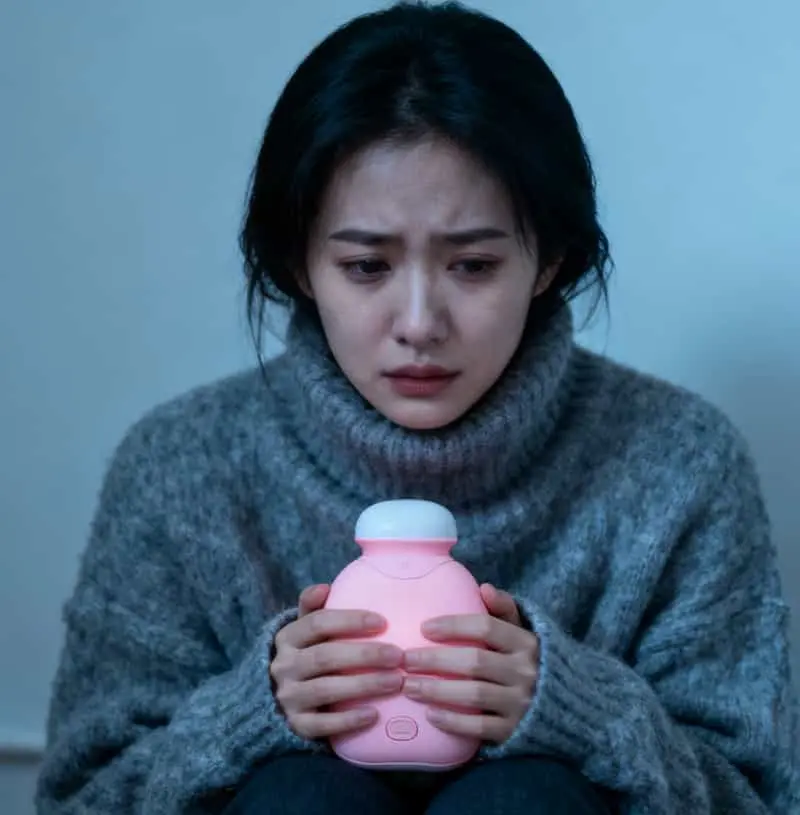
Empirical evidence (blocked pathways, poor blood and qi circulation)
People of this type may have good physical energy, but their energy channels are blocked, preventing the heat from being delivered.
- Liver Qi stagnation (Yang stagnation and reversal of Qi)
- Core PathogenesisEmotional stress can disrupt the liver's function of regulating qi, causing stagnation of qi and trapping yang qi within the body, preventing it from reaching the limbs. This is a state of "internal heat and external cold."
- Specific manifestations:
- My hands and feet are cold, but my torso doesn't feel cold; in fact, it feels a little warm.
- Significant mood swings, irritability, or depression and sighing.
- Chest and rib pain, frequent sighing (likes to take deep breaths or sigh).
- Women may experience breast tenderness and irregular menstruation.
- Tongue appearance: The tongue body is reddish, and the coating is thin white or thin yellow.
- Pulse characteristics: wiry (like pressing on a musical string).
- Cold pathogens invade the meridians (blood cold/cold stagnation)
- Core PathogenesisExternal cold pathogens (such as exposure to wind and cold, or consumption of raw or cold foods) invade the meridians, leading to stagnation of qi and blood and poor circulation.
- Specific manifestations:
- Cold hands and feet, accompanied by numbness and pain (worsened by cold and relieved by warmth).
- The skin in some areas may appear purplish or pale.
- They prefer warmth and dislike wind.
- Tongue appearance: Pale purple tongue body with white coating.
- Pulse characteristics: deep and tight or slow.
Simple self-distinguishing table
| type | Coldness | Accompanying symptoms | Key features |
|---|---|---|---|
| Yang deficiency | I feel cold past my elbows and knees, and my whole body is sensitive to cold. | Lethargy, lower back and knee pain, frequent urination at night, loose stools | Overall low energy |
| Qi and blood deficiency | The coldest thing is the wrist and ankle. | Sallow complexion, dizziness, palpitations, fatigue, and scanty menstruation | Anemia, malnutrition |
| Liver Qi stagnation | Only my hands and feet are cold, but my body is not. | Irritability, chest tightness, and sighing | Related to emotional stress |
| Cold evil invades the meridians | Coldness accompanied by numbness and pain | The condition worsens with cold and improves with heat; skin color may change. | There is a clear history of exposure to cold. |

The following will be divided into four categories: "Heartwarming Soups", "Soothing Porridges", "Home-Style Dishes", and "Hot Drinks and Snacks".
I. Heartwarming Soup Recipes
Soup can quickly replenish the body's temperature and energy, making it the first choice for dispelling cold.
1. Red Date and Ginger Chicken Soup
- Ingredient Analysis:
- GingerIt induces sweating to relieve exterior syndromes, warms the middle jiao to stop vomiting, and warms the lungs to stop coughing. It is the number one ingredient for dispelling cold.
- red datesIt replenishes the middle energizer and invigorates qi, nourishes blood and calms the mind.
- chickenIt warms the middle jiao (spleen and stomach), replenishes qi, nourishes deficiency, and replenishes essence. It provides high-quality protein.
- practice:
- Chop the chicken into pieces and blanch it to remove the blood.
- Place the chicken pieces, several slices of ginger, and 10 pitted red dates into the pot.
- Add enough water, bring to a boil over high heat, then reduce to low heat and simmer for 1 hour.
- Simply add a suitable amount of salt to taste.
- effectThis soup warms the body, dispels cold, replenishes qi and blood. It's the simplest and most basic warming soup.
2. Sesame oil chicken wine
- Ingredient Analysis:
- Black sesame oilIt lubricates the intestines and promotes bowel movements, nourishes blood and replenishes qi. It is warm in nature and can warm the uterus and body.
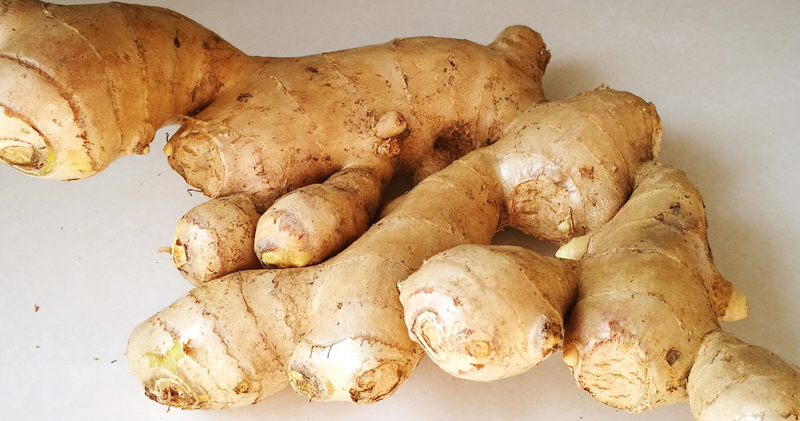
- Old gingerWarming the meridians and dispelling cold.
- rice wineIt warms and invigorates the blood vessels, aiding in the circulation of medicinal properties.
- practice:
- Heat a pan and sauté the ginger slices in black sesame oil until they turn golden brown and curl up.
- Add the chicken pieces and stir-fry until they change color.
- Pour in rice wine (the amount can be adjusted according to personal preference), bring to a boil, then simmer for 15-20 minutes (if you are concerned about the taste of alcohol, you can simmer it longer to allow the alcohol to evaporate).
- Finally, add salt to taste.
- effectIt invigorates blood circulation, dispels cold, replenishes qi, and warms the meridians. It is an excellent warming tonic for postpartum women and during winter.
3. Angelica and Ginger Lamb Soup
- Ingredient Analysis:
- Angelica sinensisIt nourishes and invigorates blood, regulates menstruation, and relieves pain.
- GingerIt warms the middle and dispels cold.
- muttonIt invigorates qi and replenishes deficiency, warms the middle and lower body. It is the first choice of meat for warming and nourishing qi and blood.
- practice:
- Cut the mutton into chunks, blanch it, and then rinse it.
- Place the mutton, angelica root slices, and ginger slices into a clay pot.
- Add enough water, bring to a boil over high heat, then reduce to low heat and simmer until the lamb is tender.
- Season with salt and pepper.
- effectIt warms the middle burner, nourishes blood, dispels cold, and relieves pain. Derived from a classic formula by the medical sage Zhang Zhongjing, it is suitable for those with deficiency of both qi and blood, and severe aversion to cold.
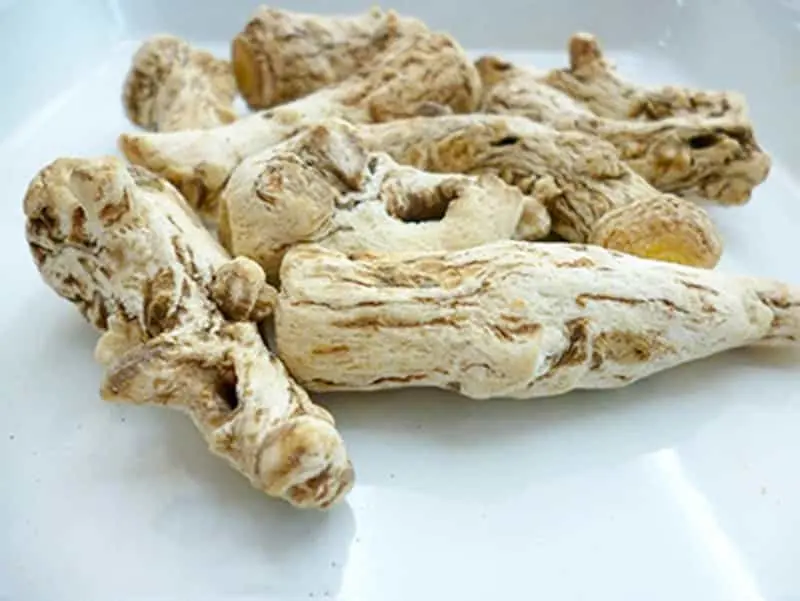
4. Mushroom, Chestnut, and Pork Rib Soup
- Ingredient Analysis:
- chestnutIt nourishes the stomach and spleen, and strengthens the kidneys and muscles. It is warm in nature and has a beneficial effect on energy.
- mushroomIt invigorates qi and replenishes deficiency, strengthens the spleen and stomach.
- RibsIt provides basic nutrition and umami flavor.
- practice:
- Blanch the pork ribs. Soak the shiitake mushrooms. Peel and devein the chestnuts.
- Put all the ingredients (ribs, shiitake mushrooms, chestnuts, ginger slices) into the pot.
- Add water and simmer for 1.5 hours, then add salt to taste.
- effectIt nourishes the kidneys and spleen, warms the yang and replenishes qi. It is suitable for those with weak spleen and stomach, weak lower back and legs, and cold hands and feet.
5. Astragalus and Goji Berry Sea Bass Soup
- Ingredient Analysis:
- Huang QiIt replenishes Qi and raises Yang, strengthens the exterior and stops sweating. Sufficient Qi can promote blood circulation to the limbs.
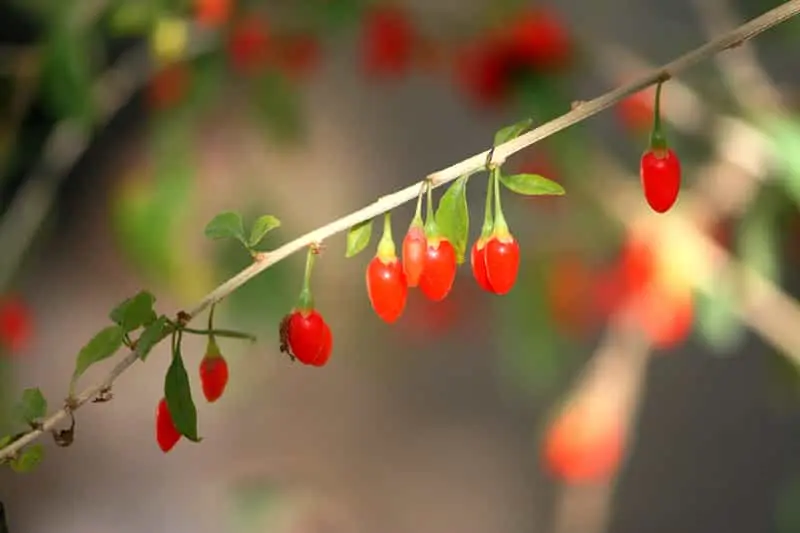
- Goji berriesIt nourishes the liver and kidneys, and benefits the essence and improves eyesight.
- sea bassIt benefits the spleen and stomach, nourishes the liver and kidneys, and is easily digested and absorbed.
- practice:
- Clean the sea bass and pan-fry it until lightly browned on both sides.
- Add enough boiling water, astragalus slices, and ginger slices to the pot.
- Bring to a boil over high heat, then reduce to medium-low heat and simmer for 15 minutes. Add the sea bass and goji berries, and simmer for another 10 minutes.
- Simply add salt to taste.
- effectIt invigorates Qi, strengthens the exterior, warms the middle Jiao, and replenishes deficiency. It is suitable for those with Qi deficiency, fatigue, susceptibility to colds, and cold hands and feet.
II. Warm and Soothing Porridge
Porridge is easy to digest and absorb, and can continuously provide the body with energy, making it especially suitable for breakfast or dinner.
6. Longan and Red Bean Congee
- Ingredient Analysis:
- Longan pulp (dried longan flesh)It nourishes the heart and spleen, replenishes qi and blood, and calms the mind.
- red datesIt replenishes the middle energizer and invigorates qi, nourishes blood and calms the mind.
- practice:
- Wash the rice, remove the pits from the red dates, and wash the longan pulp.
- Put all the ingredients into a pot, add water, and cook into porridge.
- Adding a suitable amount of brown sugar will enhance the flavor.
- effectThis porridge nourishes the heart and spleen, and replenishes qi and blood. It is a classic porridge for improving cold hands and feet caused by deficiency of both qi and blood.
7. Ginger and Brown Sugar Porridge
- Ingredient Analysis:
- GingerIt warms the middle and dispels cold.
- brown sugarIt invigorates qi and blood, strengthens the spleen and warms the stomach, and promotes blood circulation and removes blood stasis.
- practice:
- Rice is cooked into porridge.
- Finely chop the ginger and add it to the porridge along with brown sugar. Cook for another 5 minutes.
- effectIt promotes sweating to dispel cold, warms the stomach and strengthens the spleen. Suitable for those suffering from wind-cold or those who usually experience stomach pain due to cold.
8. Pumpkin and millet porridge
- Ingredient Analysis:
- pumpkinIt replenishes the middle energizer and boosts qi; it is warm in nature and sweet in taste.
- MilletIt strengthens the spleen and stomach, and replenishes deficiencies. It is an excellent product for nourishing the stomach.
- practice:
- Peel and deseed the pumpkin, then cut it into small pieces.
- Wash the millet and cook it with pumpkin chunks into porridge.
- effectIt warms the middle and nourishes the stomach, replenishing qi. When the spleen and stomach are warm, the whole body naturally feels warm.
9. Scallion congee
- Ingredient Analysis:
- very light blueIt induces sweating to relieve exterior syndromes, dispels cold, and promotes the flow of Yang energy in the body.
- practice:
- Rice is cooked into porridge.
- Wash several sections of scallion whites (including the roots), add them to the porridge before it's cooked, and boil for another minute or two.
- effectIt dispels cold and promotes Yang. It is suitable for the initial stage of external wind-cold, or for cold hands and feet caused by Yang energy being suppressed in the body by cold pathogens.
10. Lamb porridge
- Ingredient Analysis:
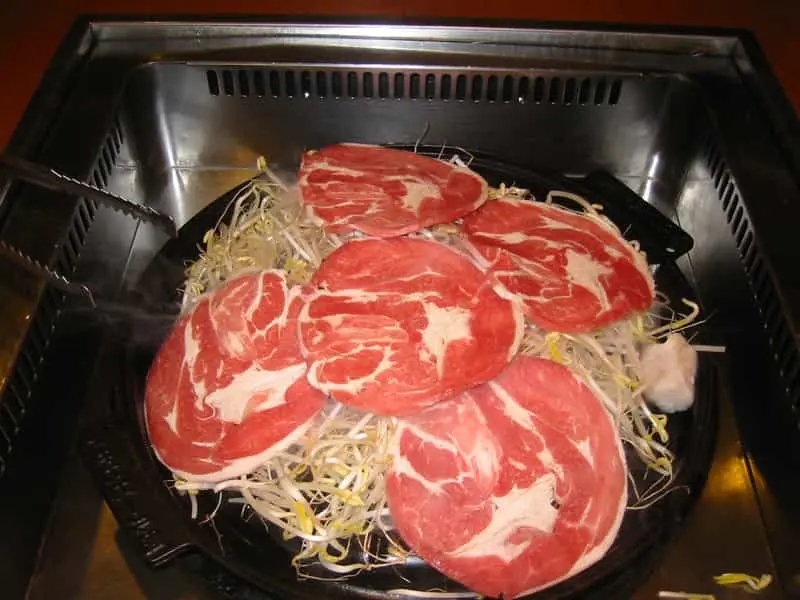
- muttonIt invigorates qi and replenishes deficiency, warms the middle and lower body.
- practice:
- Wash and chop the mutton, then marinate it with cooking wine and pepper.
- The rice is cooked into a porridge base.
- Add minced mutton and shredded ginger, and cook until the mutton is fully cooked. Season with salt and chopped green onions.
- effectIt warms and nourishes the blood and qi, and dispels cold. It's suitable as a breakfast in winter, providing energy for the whole day.
III. Home-style Dishes
Incorporating warming and nourishing ingredients into everyday dishes can improve your constitution without you even realizing it.
11. Garlic-fried spinach
- Ingredient Analysis:
- garlicIt warms the middle burner, strengthens the stomach, detoxifies, and kills bacteria. Its pungent and dispersing properties help to promote the flow of qi and blood.
- spinachIt nourishes the blood and moisturizes dryness. Rich in iron, it helps improve coldness caused by anemia.
- practice:
- Wash and cut the spinach into sections, blanch it (to remove oxalic acid), and then drain.
- Heat oil in a pan and sauté minced garlic until fragrant.
- Add the spinach and stir-fry quickly over high heat, then season with salt.
- effectIt nourishes blood, promotes bowel movement, warms the middle jiao (spleen and stomach), and regulates qi.
12. Scrambled eggs with sesame oil
- Ingredient Analysis:
- Black sesame oilIt warms and nourishes the Qi and blood.
- eggIt nourishes Yin and moistens dryness, and nourishes blood.
- practice:
- Heat black sesame oil in a pan, then crack in the eggs.
- Fry until golden brown on both sides, then sprinkle with a little salt and pepper.
- effectA simple and quick warm and nourishing side dish, perfect for breakfast.
13. Stir-fried pork liver with shredded ginger
- Ingredient Analysis:
- GingerIt warms the middle and dispels cold.
- pig liverIt nourishes the liver and blood, and improves eyesight. Rich in iron and vitamins, it is an excellent source of blood-nourishing nutrients.
- practice:
- Slice the pork liver and marinate it with cooking wine, soy sauce, and cornstarch.
- Heat oil in a pan and sauté ginger slices until fragrant.
- Add the pork liver and stir-fry quickly until it changes color and is fully cooked. You can add a little spinach or chives to stir-fry together.
- effectIt nourishes the blood and warms the meridians, tonifies the liver and improves eyesight. It is suitable for those with blood deficiency causing dizziness and cold hands and feet.

14. Cumin and Scallion Stir-fried Lamb
- Ingredient Analysis:
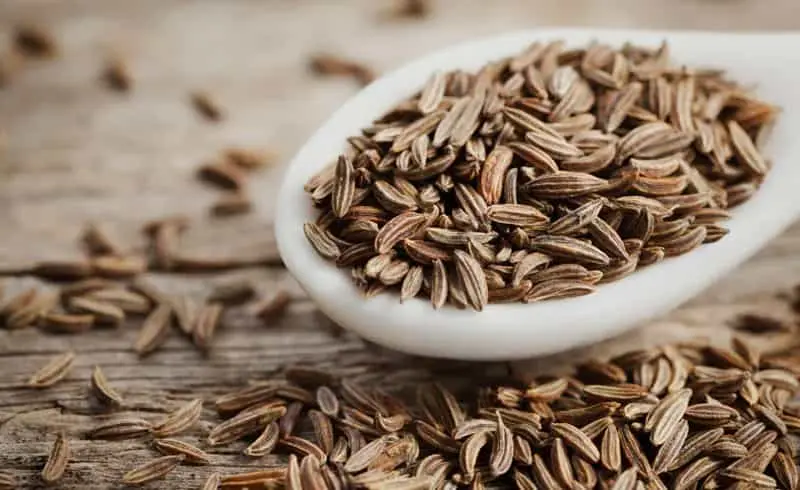
- cuminIt warms the middle burner and dispels cold, regulates qi and stimulates appetite.
- muttonWarm the middle and lower body.
- scallionsIt induces sweating to relieve exterior syndromes, and promotes yang and blood circulation.
- practice:
- Slice the lamb and marinate it. Cut the scallions into sections.
- Stir-fry the lamb in a hot wok until it changes color, then remove it from the wok.
- Sauté scallions and cumin seeds until fragrant, then add lamb, soy sauce, and salt, and stir-fry quickly until evenly mixed.
- effectIt has a warming and dispersing effect, and its spicy flavor is appetizing. It can effectively promote blood circulation.
15. Stir-fried shrimp with chives
- Ingredient Analysis:
- Chinese chivesIt warms the middle burner, promotes qi circulation, tonifies the kidneys, and strengthens yang. It is known as the "yang-raising herb".
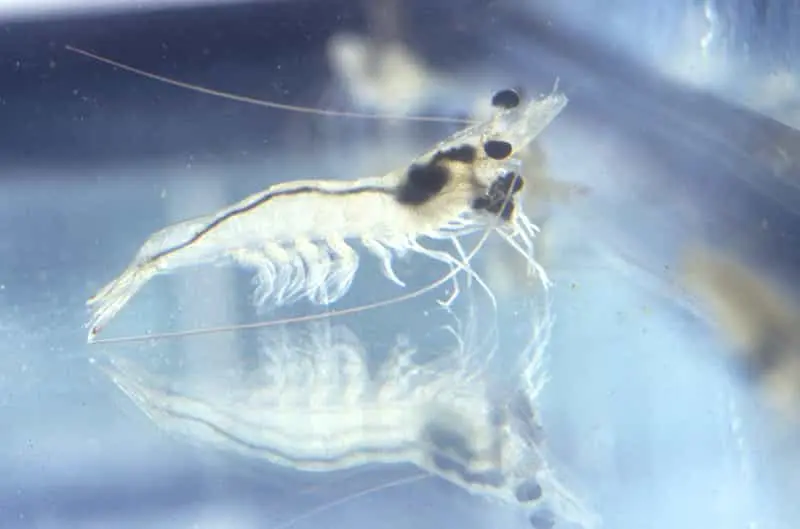
- ShrimpIt tonifies the kidneys and strengthens yang, promotes lactation and eliminates toxins. It is rich in protein and zinc.
- practice:
- Wash the shrimp and marinate them with cooking wine and pepper. Wash the chives and cut them into sections.
- Heat oil in a wok, sauté ginger and garlic until fragrant, then add shrimp and stir-fry until they change color.
- Add the chopped chives, stir-fry quickly over high heat, and season with salt.
- effectIt tonifies the kidneys and strengthens Yang, warms the middle Jiao and promotes Qi circulation. Suitable for those with kidney Yang deficiency and coldness in the lower back and knees.
16. Cinnamon Apple (Dessert)
- Ingredient Analysis:
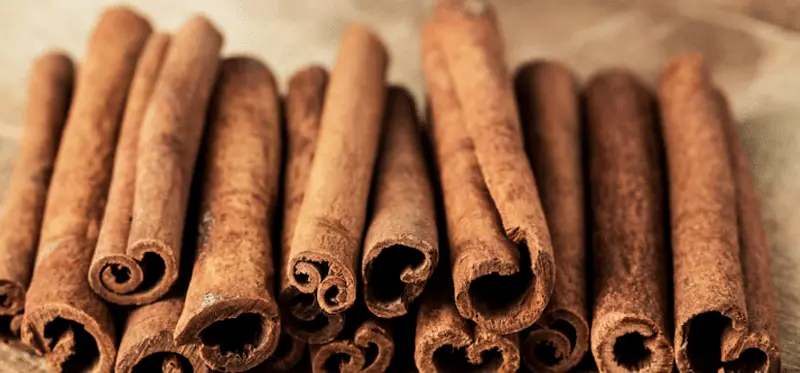
- Cinnamon powderIt replenishes fire and assists yang, dispels cold and relieves pain, and warms and unblocks the meridians. It can guide fire back to its source.
- appleIt promotes the production of body fluids, moistens the lungs, and relieves greasiness.
- practice:
- Peel and chop the apple.
- Put a little water and apple chunks in a pot and cook until soft.
- Add an appropriate amount of cinnamon powder and a little brown sugar, and cook until the broth is slightly reduced.
- effectWarm and comforting, with a sweet and sour flavor that whets the appetite. It is a healthy, warm dessert.
IV. Hot Drinks and Snacks
Convenient to use anytime, quickly raises body temperature.
17. Brown sugar and ginger tea
- Ingredient Analysis:
- brown sugarIt invigorates qi and blood, strengthens the spleen and warms the stomach.
- GingerIt warms the middle and dispels cold.
- practice:
- Slice or crush the ginger.
- Place the ingredients in a cup along with brown sugar, pour in boiling water, stir until the brown sugar dissolves, and let it steep for 5 minutes.
- effectThe simplest and quickest drink to warm up and dispel cold, especially suitable for women during menstruation.
18. Red LongandateTea
- Ingredient Analysis:
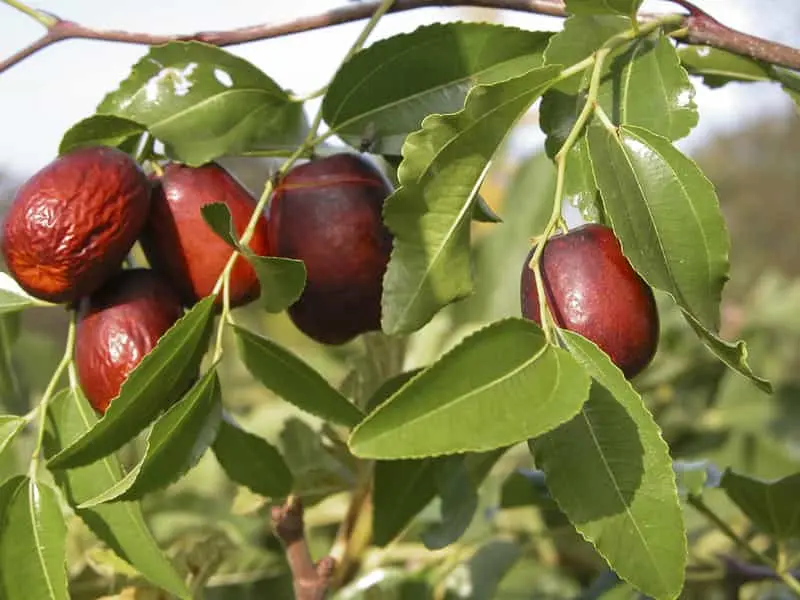
- Longan, red datesIt nourishes the heart and spleen, and benefits qi and blood.
- practice:
- Place the dried longan pulp and pitted red dates into a thermos.
- Pour in boiling water and steep for at least 15 minutes before drinking. It can be steeped repeatedly.
- effectIt soothes the nerves, nourishes the blood, and warms the limbs. Suitable for office workers who sit for long periods and lack exercise, and those who are prone to feeling cold.
19. Astragalus and Goji Berry Tea
- Ingredient Analysis:
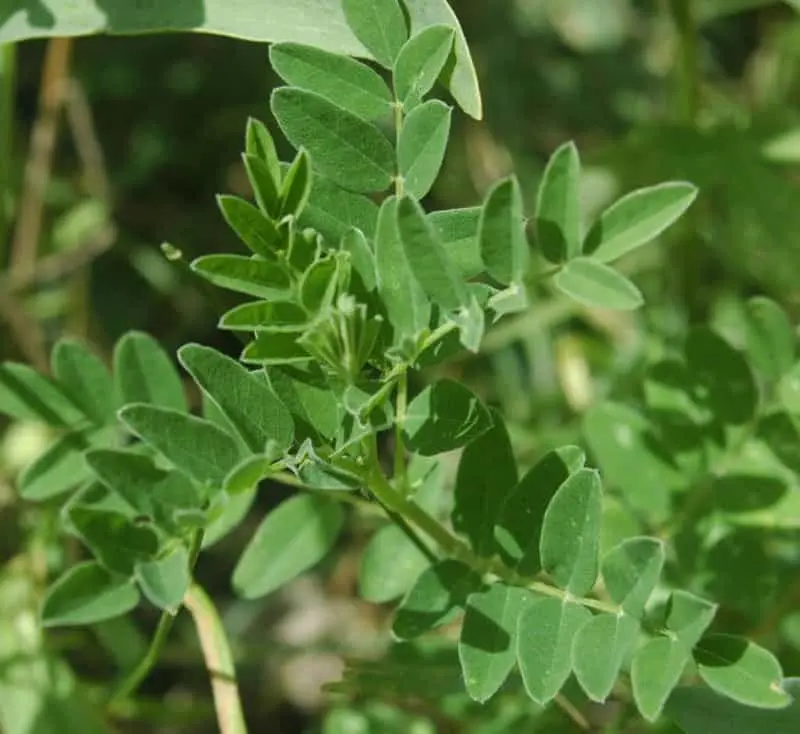
- Huang Qi: To replenish Qi and raise Yang.
- Goji berriesIt nourishes the liver and kidneys.
- practice:
- Place the astragalus slices and goji berries into a thermos.
- Steep in boiling water for 15 minutes before drinking.
- effectIt invigorates Qi, strengthens the exterior, and nourishes the liver and kidneys. It is suitable for those with Qi deficiency, fatigue, poor immunity, and cold hands and feet.
20. Cinnamon Milk Tea
- Ingredient Analysis:
- Cinnamon powderIt warms the Yang and dispels cold.
- milkIt replenishes deficiencies, benefits the lungs and stomach, and promotes the production of body fluids and moistens the intestines. It is neutral in nature.
- black teaIt is warm in nature and can warm the stomach.
- practice:
- Black tea is boiled with a small amount of water to make a strong tea infusion.
- Add milk and a small amount of cinnamon powder, bring to a simmer (do not overcook), and season with honey or brown sugar.
- effectWarm and comforting, sweet and delicious. The perfect choice for afternoon tea.
21. Fermented Rice with Eggs
- Ingredient Analysis:
- Sweet fermented rice wineIt invigorates qi and promotes the production of body fluids, invigorates blood circulation and dissipates stagnation.
- eggNourishes Yin and blood.
- practice:
- Put an appropriate amount of water and fermented rice into a pot and bring it to a boil.
- Crack an egg into the pot and cook it into a poached egg or egg drop soup.
- You can add a small amount of goji berries and brown sugar.
- effectIt promotes blood circulation, relieves menstrual cramps, reduces swelling, warms the stomach, and strengthens the spleen. It is very suitable for women.
22. Brown Sugar Ginger Sweet Potato Soup
- Ingredient Analysis:
- Brown sugarSimilar to brown sugar, it warms the stomach and replenishes blood.
- GingerIt warms the middle and dispels cold.
- Sweet potatoIt tonifies the spleen and replenishes qi, and promotes bowel movement.
- practice:
- Peel and cut the sweet potato into chunks.
- Boil sweet potatoes, ginger slices, and water together until the sweet potatoes are soft and tender.
- Add brown sugar and let it melt.
- effectIt invigorates the spleen and warms the stomach, replenishes qi and promotes bowel movements. It is a filling and warming dessert.
23. Nut and Soy Milk
- Ingredient Analysis:
- Nuts such as walnuts and almondsIt nourishes the kidneys and warms the yang, and is rich in oils and nutrients.
- soyIt strengthens the spleen and replenishes qi.
- practice:
- Soak soybeans together with a small amount of nuts (such as walnuts and almonds).
- Put it into a soy milk maker, add water and blend into soy milk.
- effectIt nourishes the kidneys and replenishes essence, warms the yang and invigorates qi. As a breakfast drink, it is nutritious and warming.
24. Clove and Tangerine Peel Tea
- Ingredient Analysis:
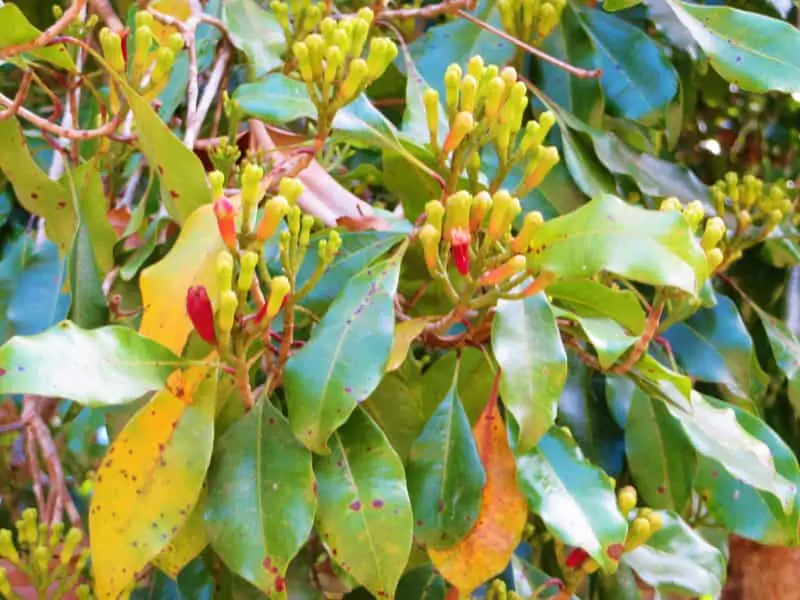
- cloveIt warms the middle burner, relieves adverse reactions, tonifies the kidneys, and strengthens yang.
- Dried tangerine peelIt regulates Qi and strengthens the spleen, dries dampness and resolves phlegm.
- practice:
- Place cloves and dried tangerine peel into a tea bag.
- Steep in boiling water for 10 minutes before drinking.
- effectIt warms the stomach, dispels cold, promotes qi circulation, and relieves pain. It is suitable for those with stomach cold, hiccups, and cold pain in the epigastrium and abdomen.
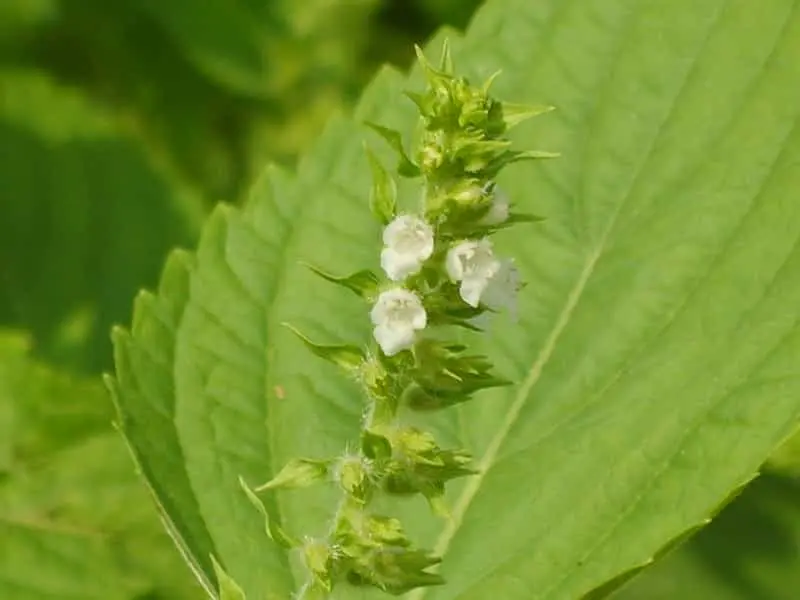
25. Perilla and Ginger Drink
- Ingredient Analysis:
- Perilla leavesIt relieves exterior symptoms and dispels cold, regulates qi and harmonizes the stomach.
- practice:
- Slice the ginger and put it in a pot with the perilla leaves. Add water and boil for 5 minutes.
- Remove the residue, add brown sugar to taste, and drink.
- effectIt dispels cold and relieves exterior symptoms, regulates Qi and relieves chest tightness. It is suitable for those suffering from external wind-cold, or those with chest tightness, abdominal distension, and cold hands and feet.
26. Angelica Tea (Simplified Version)
- Ingredient Analysis:
- Angelica sinensis slicesIt nourishes and invigorates the blood.
- practice:
- Place a few slices of angelica root in a thermos, pour boiling water over them, steep for 20 minutes, and then drink.
- You can add red dates and brown sugar to improve the flavor.
- effectIt replenishes and invigorates blood. Suitable for women with significant blood deficiency.
27. Hot Cocoa (Cinnamon Flavor)
- Ingredient Analysis:
- cocoa powderIt contains theobromine, which can promote circulation and improve mood.
- Cinnamon powderIt warms the Yang and dispels cold.
- practice:
- Heat the milk, add cocoa powder, a small amount of sugar and cinnamon powder, and stir well.
- effectIt promotes blood circulation, relaxes the mind, and brings a sense of warmth.
28. Fennel Seed Tea
- Ingredient Analysis:
- Fennel seedsIt dispels cold and relieves pain, regulates qi and harmonizes the stomach.
- practice:
- Slightly crush a small spoonful of fennel seeds, steep in boiling water for 5-10 minutes, and then drink.
- effectIt warms the stomach, dispels cold, and relieves abdominal pain caused by cold.
29. Peanut Soup
- Ingredient Analysis:
- peanutIt strengthens the spleen and stomach, moistens the lungs and resolves phlegm. Its properties are neutral to slightly warm.
- practice:
- Soak peanuts in advance.
- Boil peanuts in water until soft, then add rock sugar to taste.
- effectIt strengthens the spleen and warms the stomach, nourishing and replenishing qi. Suitable for those with weak spleen and stomach who experience cold hands and feet.
30. Foot soaking (not a dietary therapy, but extremely important)
- method:
- Prepare a bucket and fill it with hot water at 40-45°C, ensuring the water level is above your ankles.
- Adding a few slices of ginger, a handful of salt, or a small amount of mugwort will enhance the effect.
- Soak for 15-20 minutes, until you sweat slightly.
- After soaking, dry yourself off immediately and put on socks to keep warm.
- effectStimulating acupoints on the soles of the feet promotes blood circulation throughout the body, drawing heat back to its source and directly warming the feet. This is the most effective external treatment for improving cold hands and feet.
Perseverance and a holistic approach
Improving cold hands and feet is a long-term battle that requires patience and care. Incorporate these simple recipes into your daily meals and snacks to let warmth radiate naturally from within.
The key point is:
- Regular mealsRegular and measured intake provides the body with a stable source of energy.
- Stay away from coldThis is the foundation for improving physical condition, and it is more important than taking any supplements.
- Movement generates YangModerate daily exercise, such as brisk walking and stretching, is the best way to improve blood circulation.
- Sufficient sleepNighttime is the time when Yang energy is stored and repaired, and good sleep helps to protect Yang energy.
Further reading:
- 30 Kidney-Nourishing and Spleen-Strengthening Recipes (Suitable for Those with Both Spleen and Kidney Deficiency)
- In Traditional Chinese Medicine (TCM) theory, what is kidney tonification?
- 30 recipes to nourish the kidneys and strengthen muscles and bones (suitable for those with weak muscles and bones, and weak lower back and knees)
- 30 Simple and Easy-to-Make Kidney-Nourishing Soup Recipes (Suitable for Daily Health Maintenance)