





30 Nourishing Yin and Kidney-Tonifying Recipes (Suitable for Those with Kidney Yin Deficiency)

Table of contents
Understanding Kidney Yin Deficiency
In traditional Chinese medicine theory, the kidneys store essence, govern water, and contain primordial yin and primordial yang. Kidney yin, also known as "primordial yin" or "true yin," is the tranquil, nourishing, inhibiting, and shaping aspect of kidney function. It is the root of the body's yin fluids and plays a role in nourishing and moisturizing all organs and tissues.
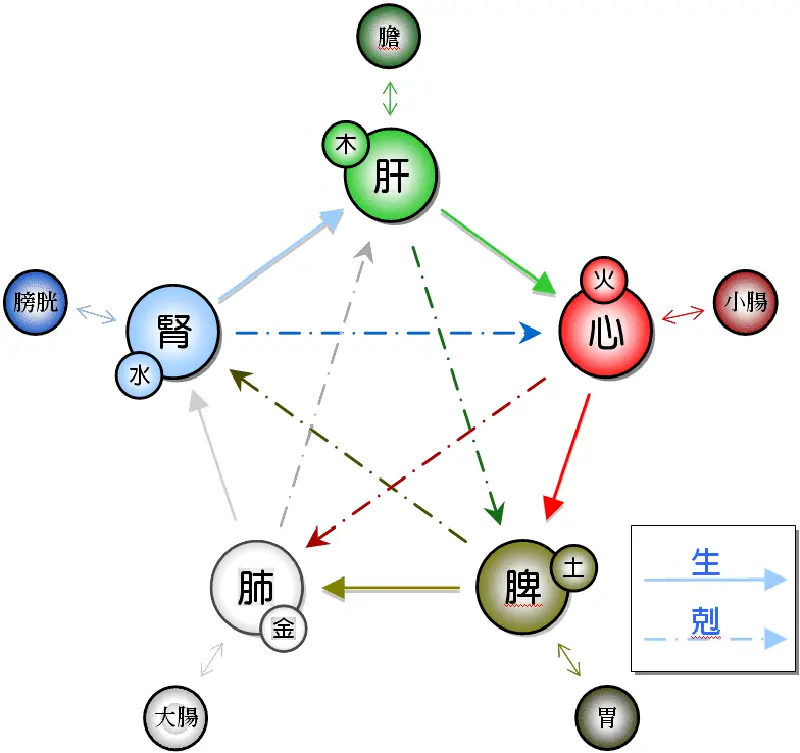
What is kidney yin deficiency?
When the yin fluid in the kidneys is insufficient to restrain the yang energy, resulting in a state of deficiency and hyperactivity in the body, this is called "kidney yin deficiency." This can be understood as the body's "cooling system" lacking water, leading to the internal generation of "deficient fire."
Common symptoms include:
- Lower back and knee painThe lower back and knees feel sore and weak, and may even be accompanied by a dull ache.
- Five-center heatThe palms, soles, and chest area feel hot, which is more noticeable in the afternoon or at night.
- Dry mouth and throatI always feel thirsty and want to drink water, but I may not drink much.
- Hot flashes and night sweatsMy body temperature rises in the afternoon, and I get fevers at regular intervals, like the tide; I sweat while sleeping at night, and the sweating stops when I wake up.
- Dizziness and tinnitusDizziness and blurred vision, with a ringing sound in the ears like cicadas.
- Insomnia and excessive dreamingIrritability, insomnia, difficulty falling asleep, or vivid dreams after falling asleep.
- thinThe body is too thin and it is difficult to gain weight.
- Nocturnal emission and premature ejaculationMen are prone to nocturnal emission, spermatorrhea, or premature ejaculation.
- amenorrheaWomen with scanty or delayed menstruation, or even amenorrhea.
- Tongue appearance and pulse appearanceThe tongue is red with little or no coating (skin peeled off); the pulse is thin and fast.

Important Reminder:
- Differentiation of syndromes and treatmentThe dietary therapy recipes in this article are mainly for those with "kidney yin deficiency". If you are unsure of your constitution, or if you have complex conditions such as yang deficiency or damp heat, please consult a qualified traditional Chinese medicine practitioner for diagnosis and do not blindly take supplements.The treatment approaches for kidney yin deficiency and kidney yang deficiency are completely opposite; using the wrong approach will worsen the condition.
- Nourishing Yin and Clearing HeatKidney Yin deficiency is often accompanied by "deficient fire," so while nourishing Yin, it is often necessary to combine it with drugs that clear away deficient fire.
- Avoid warm and dryThose with kidney yin deficiency should avoid eating spicy, warming, and heat-inducing foods, such as chili peppers, Sichuan peppercorns, mutton, leeks, and cinnamon.
- Spleen and stomach functionYin-nourishing medicinal ingredients are often rich and greasy, which can easily affect digestion. Those with weak spleen and stomach, abdominal distension and loose stools should consume them in moderation, or add spleen-strengthening and qi-regulating ingredients.

In Traditional Chinese Medicine (TCM) theory, what is nourishing Yin?
In Traditional Chinese Medicine (TCM) theory, "nourishing Yin" is a very core and important concept. It refers to a kind of...The treatment principles and methods aim to nourish the body's yin fluids, correct the state of "yin deficiency," and thus restore the body's balance and health.
To fully understand "nourishing yin", we need to start with the basic theory of traditional Chinese medicine, "yin-yang theory".
What is "yin"?
In Traditional Chinese Medicine,"Yin" represents substances and functions in the human body that have the effects of calming, moisturizing, cooling, and guarding.You can think of it as the body's "coolant" and "lubricant." Specifically, "yin" mainly includes:
- blood
- body fluidThis includes all bodily fluids such as sweat, saliva, digestive juices, and synovial fluid.
- Substances: The basic substances that constitute and nourish our bodies.
The main function of "Yin" is:
- Moisturize and nourishIt moisturizes the skin, hair, facial features, and joints, and lubricates the internal organs.
- Restraining Yang QiJust like a car's water tank cools the engine, yin fluid can restrain and balance the body's "yang energy" (representing warm, exciting, and active energy), preventing the body from becoming excessively "heated" or "excited".

How to "nourish Yin"?
"Nourishing Yin" refers to the process of replenishing and nourishing Yin fluids and clearing away deficiency fire in response to the aforementioned "Yin deficiency" state, thereby achieving a healthy state of "Yin and Yang in balance".
The main methods include:
a) Traditional Chinese medicine for nourishing Yin:
Use of flavorSweet, cold, coolMedications are used to nourish yin and promote the production of body fluids. Common yin-nourishing Chinese herbs include:
- Adenophora stricta, Ophiopogon japonicus, Asparagus cochinchinensisIt nourishes lung yin and treats dry cough.
- Dendrobium, PolygonatumIt nourishes stomach yin and treats dry mouth.
- Goji berries and Cornus officinalisIt nourishes the yin of the liver and kidneys, and treats soreness and weakness of the lower back and knees, dizziness and tinnitus.
- Rehmannia glutinosa, Ligustrum lucidum, Eclipta prostrataNourishing kidney yin is the foundation of yin-nourishing.
- Tortoise shell, turtle shellIt nourishes Yin and subdues Yang, and is used for severe Yin deficiency and Yang excess.
b) Nourishing Yin through Dietary Therapy (most commonly used for daily health maintenance):
Eat moreMoisturizing, juicy, cooling or neutral in natureFood.
- Classic ingredients:White fungus, lily bulbs, snow pear, sugarcane, soy milk, tofu, sesame seeds, honey.
- aquatic products:Soft-shelled turtle, sea cucumber, oyster.
- meat:Duck meat, pork skin.
- fruit:Mulberries, watermelons, and water chestnuts.
- Should be avoidedSpicy, grilled, fried, leeks, mutton, longan, and other warming and drying foods that can aggravate internal heat.
c) Lifestyle adjustments:
- Ensure sufficient sleepNighttime is associated with Yin, making it the most important time for the body to repair and nourish its Yin fluids. Avoid staying up late.
- Avoid overworkReduce excessive physical and mental exertion.
- Managing emotionsSit quietly, meditate, and listen to soothing music. Avoid being impatient or angry, so as not to damage your Yin with anger.
- Moderate exerciseChoose gentle exercises such as Tai Chi, yoga, or walking, and avoid strenuous exercise that causes excessive sweating, because "sweat and blood share the same origin," and excessive sweating can damage Yin.
In simple terms, in Traditional Chinese Medicine theory:
- "Nourishing Yin" means "replenishing moisture" and "reducing internal heat"..
- It targets the causeYin fluid deficiencyAnd the series of consequences "Dryness" and "Deficiency Heat" symptom.
- passMedications, diet and lifestyleThe comprehensive conditioning replenishes the body's yin fluids and balances excessive yang energy, thereby restoring the body's harmony and health.
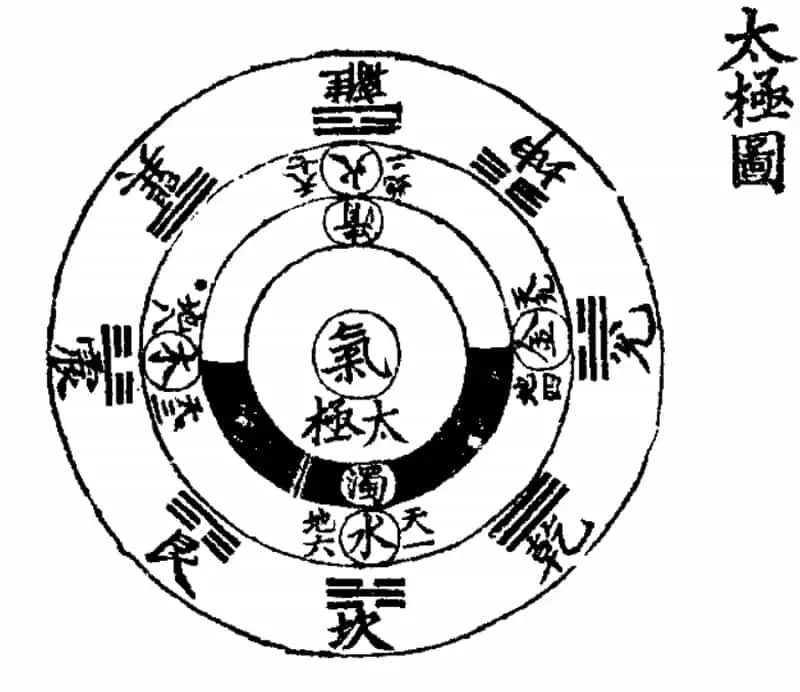
The duality of matter particles is referenced from the "Yin-Yang theory".
In 1909, Einstein proposed that both the wave and particle properties of light must be considered when describing its physical behavior. In 1923,Louis de BroglieAssuming that all matter particles also possesswave-particle dualityThat is, it possesses both wave and particle properties. This statement was later called...de Broglie hypothesisIn 1927,Davidson-Germer ExperimentConfirmedde Broglie hypothesisThis series of important developments prompted Bohr and Heisenberg to focus their research on wave-particle duality. However, due to its extreme difficulty, despite their painstaking research, they were still unable to find the correct answer. In February 1927, Bohr...NorwayThe idea was conceived during the recuperation periodComplementary principle.
This principle clarifies that, based on different experimental frameworks, things can exhibit obvious phenomena such as wave-particle duality.oppositionIts dual nature. During the same period, Heisenberg also developed...Uncertainty principleThat autumn, Heisenberg was promoted to...Leipzig UniversityThe professor. Starting in April, it lasted throughout the entire summer.Oscar KleinHe was responsible for transcribing Bohr's dictation and revising his paper on the complementarity principle. In September of the same year, in Italy...CuomoThe meetingVolta ConferenceIn this context, Bohr first proposed the principle of complementarity. From...quantum mechanicsThe philosophical questions arising from these new concepts sparked widespread debate. Despite his significant contributions to quantum mechanics, Einstein also offered numerous criticisms of these new concepts. The complementarity principle was no exception. Einstein and Bohr later engaged in a protracted discussion on these issues.debateUntil Einstein's death.
With the end of World War II, Bohr returned to Copenhagen on August 25, 1945, and was re-elected President of the Royal Danish Academy of Sciences on September 21. On October 17, 1947, in...Christian XAt the memorial service, the KingFrederick IXAnnouncement of the award to BohrElephant MedalThis honor is usually reserved for members of the royal family and heads of state. The King said that this honor was not only bestowed upon Bohr personally, but also upon the entire Danish scientific community. Bohr designed his own...HeraldryThe coat of arms includesTai Chi diagramAnd the maxim "mutual complementarity" (Latin:contraria sunt complementa)

In Traditional Chinese Medicine (TCM) theory, what is kidney tonification?
"Kidney tonification" is a very core and important concept, but its meaning is far broader and deeper than the modern medical concept of simply "strengthening the kidney organ".
Simply put,Kidney tonification refers to nourishing and strengthening the body's "kidney" system through various methods to maintain or restore its normal function, thereby achieving the goals of strengthening the body, delaying aging, and preventing and treating diseases.
Common signs of kidney deficiency:
- Soreness or pain in the lower back and knees (the lower back is the residence of the kidneys)
- Premature graying and hair loss
- Memory loss, poor concentration
- Loose teeth
- Hearing loss, tinnitus
- Decreased sexual function, infertility
- Feeling cold and having cold limbs (kidney yang deficiency) or hot palms and soles, night sweats (kidney yin deficiency)
- Frequent urination at night
- Feeling listless and easily fatigued

The following will be divided into four categories: "Soups", "Porridges", "Medicinal Dishes", and "Tea and Sweet Soups" for nourishing Yin and tonifying the kidneys.
I. Soup Recipes
Soup can gently extract the essence of ingredients and herbs, with significant yin-nourishing effects and easy absorption.
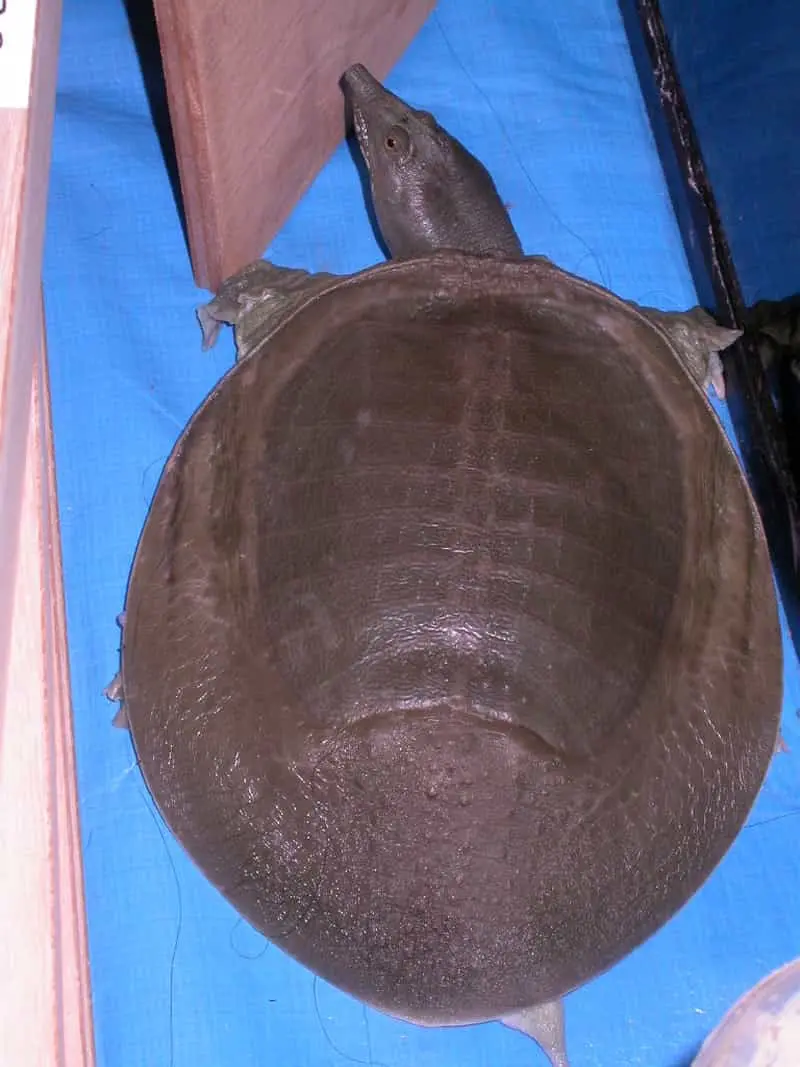
1. Yam, wolfberry, and turtle soup
- Ingredient Analysis:
- turtle(turtle)It nourishes Yin and cools the blood, calms the liver and extinguishes wind. It is an excellent tonic for nourishing kidney Yin, and is especially good at clearing deficiency heat.
- Chinese yamIt nourishes the spleen, lungs, and kidneys, replenishing both qi and yin. It strengthens the spleen to prevent cloying greasiness and fortifies the kidneys to benefit essence.
- Goji berriesIt nourishes the liver and kidneys, benefits essence and improves eyesight. Its nature is mild, and it helps the turtle nourish yin.
- Rehmannia glutinosaIt nourishes Yin and replenishes blood, benefits essence and marrow. It is a core medicinal material for tonifying kidney Yin, with great efficacy.
- practice:
- Clean the turtle thoroughly, chop it into pieces, blanch it, and then rinse it. Peel and cut the yam into chunks.
- Place the turtle, prepared rehmannia root, and ginger slices into a soup pot, and add enough water.
- After bringing to a boil over high heat, reduce to a simmer and cook for 1.5 hours.
- Add yam chunks and goji berries, and continue to simmer for 30 minutes until the yam is soft and tender.
- Finally, add salt to taste.
- effectIt nourishes Yin and tonifies the kidneys, clearing away deficiency heat. It is especially suitable for those with obvious symptoms of five-center heat (heat in the palms, soles, and chest), night sweats, and bone-steaming fever.
2. Cordyceps flower and dried scallop stewed with duck soup
- Ingredient Analysis:
- Mallard (Duck)It has a cooling nature, nourishes yin and the stomach, and promotes diuresis and reduces swelling. It is an excellent tonic, very suitable for those with yin deficiency and heat.
- Cordyceps flowerIt nourishes the lungs and kidneys, benefits deficiencies, and is mild in nature, neither warming nor drying.
- Dried scallopsIt nourishes Yin and tonifies the kidneys, regulates the middle and lower Qi. It has a delicious flavor and can enhance the taste of soups.
- Polygonatum odoratumIt nourishes Yin and moistens dryness, promotes the production of body fluids and quenches thirst. It is particularly effective in nourishing the Yin of the lungs and stomach.
- practice:
- Wash the duck thoroughly, chop it into pieces, and blanch it to remove the blood. Wash the cordyceps flowers and dried scallops and soak them until soft.
- Place all ingredients (duck, cordyceps flower, dried scallop, Solomon's seal, 2-3 pitted red dates, ginger slices) into a stewing pot.
- Add the soaking water and clean water, then cover.
- Simmer over low heat in a double boiler for 2.5 to 3 hours, then add salt to taste before serving.
- effectIt nourishes the lungs and kidneys, and clears heat and yin. It is suitable for dry cough, dry mouth, and fatigue caused by lung and kidney yin deficiency.
3. Sea cucumber and dried scallop stewed black chicken soup
- Ingredient Analysis:
- sea cucumberIt nourishes the kidneys and replenishes essence, nourishes blood and moistens dryness. It nourishes both yin and yang, but leans more towards nourishing yin, and is rich in collagen.
- Silkie chickenIt nourishes the liver and kidneys, replenishes qi and blood, and is neutral to slightly warm in nature. However, when used with yin-nourishing ingredients, it can enhance the nourishing effect.
- ScallopsIt nourishes Yin and tonifies the kidneys.
- Ophiopogon japonicusIt nourishes Yin and generates fluids, moistens the lungs and clears the mind. It is good at calming the mind, relieving anxiety, and alleviating insomnia.
- practice:
- Soak and clean the sea cucumbers in advance, then cut them into pieces. Chop the black-boned chicken into pieces and blanch them.
- Place the black-boned chicken, sea cucumber, dried scallops, ophiopogon japonicus, and ginger slices into a stewing pot.
- Add enough water and steam for 3 hours.
- Finally, add goji berries, simmer for 5 minutes, and then add salt to taste.
- effectIt nourishes the kidneys and replenishes essence, nourishes yin and blood. It is suitable for those with deficiency of essence and blood, dry skin, and lower back pain and weakness.
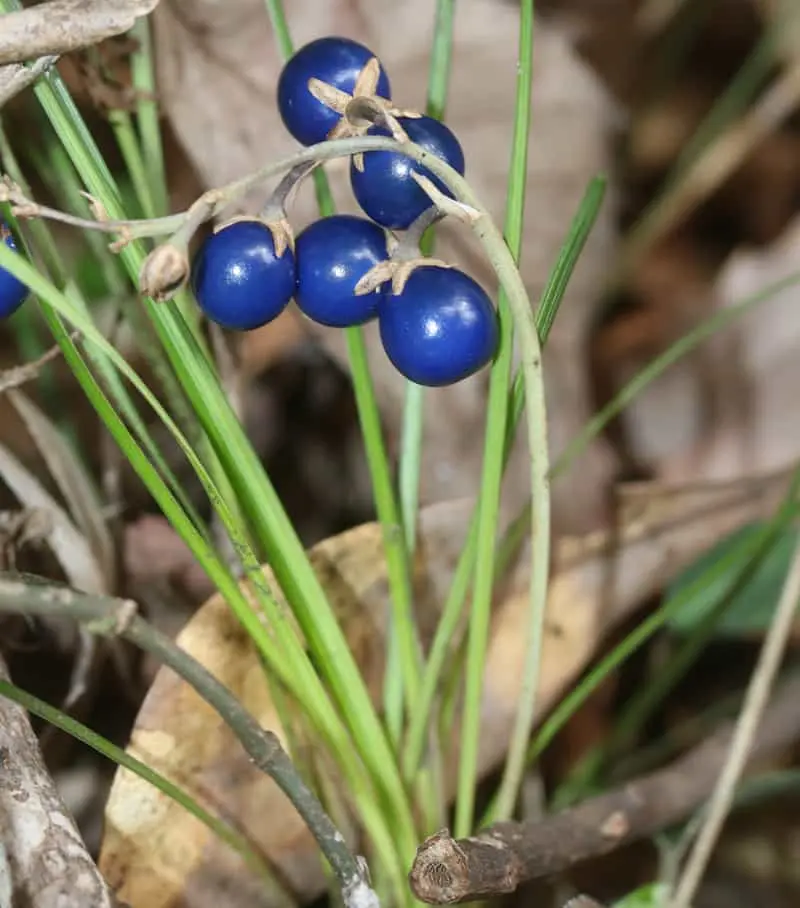
4. Lily bulb and Ophiopogon japonicus lean pork soup
- Ingredient Analysis:
- lilyIt nourishes Yin and moistens the lungs, calms the mind and soothes the nerves. It is particularly effective for insomnia and palpitations caused by Yin deficiency.
- Ophiopogon japonicusIt nourishes Yin and generates fluids, moistens the lungs and clears the heart.
- lean meatIt nourishes Yin and moisturizes dryness, providing high-quality protein without being greasy.
- practice:
- Cut the lean meat into chunks, blanch it, and then rinse it. Rinse the lily bulbs and ophiopogon japonicus.
- Put all the ingredients (lean meat, lily bulbs, ophiopogon japonicus, ginger slices) into a pot and add water.
- Bring to a boil over high heat, then reduce to a simmer and cook for 1 hour. Season with salt.
- effectIt nourishes Yin and moistens dryness, calms the mind and soothes the nerves. It is especially suitable for those with kidney Yin deficiency who suffer from irritability, insomnia, dry mouth and throat.
5. Glehnia littoralis and Solomon's seal duck soup
- Ingredient Analysis:
- North American ginsengIt nourishes Yin and clears the lungs, benefits the stomach and promotes the production of body fluids.
- Polygonatum odoratumIt nourishes Yin and moistens dryness, promotes the production of body fluids and quenches thirst.
- Old DuckLike duck, it is an excellent food for nourishing yin and clearing heat.
- practice:
- Clean the old duck thoroughly, chop it into pieces, and blanch it.
- Wash the sand ginseng and Solomon's seal.
- Place the duck pieces, sand ginseng, Solomon's seal, a small piece of dried tangerine peel, and ginger into a pot, and add water to cover the ingredients.
- Bring to a boil over high heat, then reduce to a simmer and cook for 2 hours. Season to taste.
- effectThis soup nourishes yin and moistens the lungs, benefits the stomach and promotes the production of body fluids. It is a classic autumn soup for relieving dryness and is also very suitable for those with yin deficiency in the lungs and stomach.
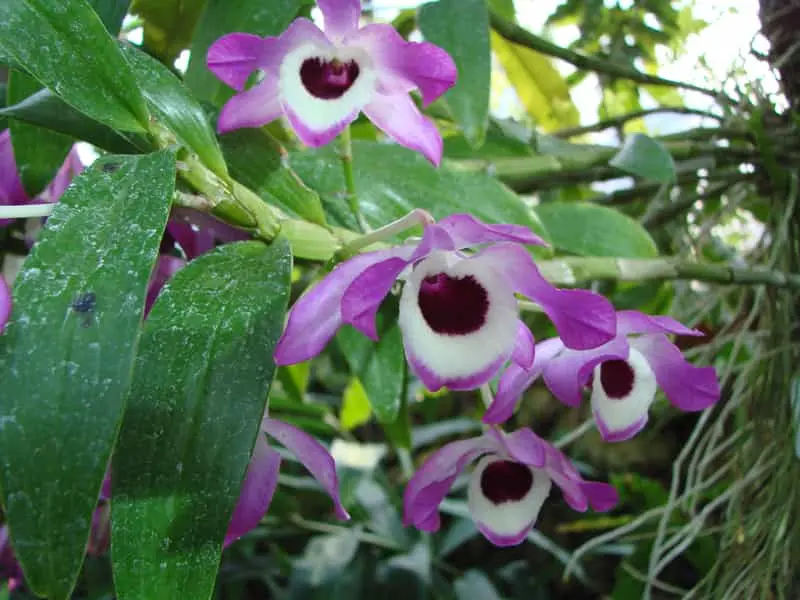
6. Dendrobium, Chinese Yam, and Conch Soup
- Ingredient Analysis:
- DendrobiumIt benefits the stomach and promotes the production of body fluids, nourishes yin and clears heat. It is especially good at nourishing stomach yin and improving eyesight.
- Chinese yam (yam)It nourishes the spleen, lungs, and kidneys.
- Conch ShellIt nourishes Yin and kidneys, and benefits the liver and eyes. It is a nourishing seafood.
- practice:
- Soak the conch slices in advance until soft, then cut them into small pieces. Cut the lean pork into chunks and blanch them.
- Place all ingredients (sliced conch, lean meat, dendrobium, Chinese yam, goji berries, red dates, and ginger slices) into a soup pot.
- Add water, bring to a boil over high heat, then reduce to low heat and simmer for 2.5 hours. Add salt to taste.
- effectIt nourishes Yin and tonifies the kidneys, benefits the stomach and promotes the production of body fluids, clears the liver and improves eyesight. It is suitable for those with kidney Yin deficiency who experience dry eyes, dry mouth, and poor appetite.
7. Rehmannia glutinosa stewed pork rib soup
- Ingredient Analysis:
- Rehmannia glutinosaIt clears heat and cools the blood, nourishes yin and promotes the production of body fluids. It is cold in nature and has a stronger heat-clearing effect than Rehmannia glutinosa, making it suitable for those with obvious yin deficiency and excessive fire.
- RibsIt provides basic nutrition and umami flavor.
- practice:
- Blanch the pork ribs and set aside. Wash the raw rehmannia root.
- Place the pork ribs, rehmannia root, and ginger slices into a stewing pot, and add water.
- Double-boil for 2 hours, then add a little salt to taste.
- effectIt clears heat, nourishes yin, cools the blood, and promotes the production of body fluids. It is suitable for those with yin deficiency and excessive internal heat, mouth ulcers, and night sweats.
II. Congee Section
Porridge is soft and easy to digest, and it can nourish the stomach yin very well, making it suitable for long-term conditioning for those with yin deficiency.
8. Mulberry and Goji Berry Porridge
- Ingredient Analysis:
- Dried mulberriesIt nourishes yin and blood, promotes the production of body fluids and moistens dryness. Black foods enter the kidney meridian, making it an excellent choice for gently tonifying kidney yin.
- Goji berriesIt nourishes the liver and kidneys.
- Japonica riceIt strengthens the spleen and stomach.
- practice:
- Wash the rice and cook it into porridge.
- When the porridge is almost cooked, add dried mulberries and goji berries.
- Cook for another 5-10 minutes, or until the porridge thickens. You can add a small amount of rock sugar to taste.
- effectIt nourishes the liver and kidneys, and replenishes yin and blood. It is suitable for tinnitus, blurred vision, and premature graying of hair caused by kidney yin deficiency.
9. Lily and White Fungus Porridge
- Ingredient Analysis:
- Silver ear fungusIt nourishes yin and moistens the lungs, nourishes the stomach and promotes the production of body fluids. Known as "the commoner's bird's nest," it is rich in collagen and has excellent yin-nourishing effects.
- lilyIt nourishes Yin and moistens the lungs, clears the heart and calms the mind.
- Japonica riceIt strengthens the spleen and stomach.
- practice:
- Soak the white fungus until softened, then tear it into small pieces. Wash the lily bulbs.
- Wash the rice and cook it with the white fungus into porridge.
- Add lily bulbs 10 minutes before the porridge is done, and cook until soft and tender.
- effectIt nourishes the lungs and kidneys, calms the mind and soothes the nerves. Suitable for those with yin deficiency and lung dryness, dry cough without phlegm, irritability and insomnia.
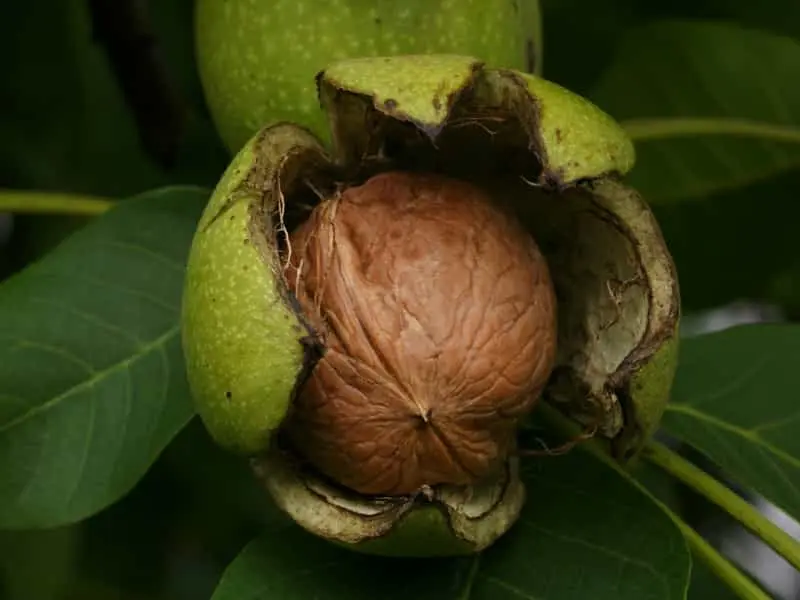
10. Black sesame and walnut porridge
- Ingredient Analysis:
- Black sesameIt nourishes the liver and kidneys, replenishes essence and blood, and moistens dryness in the intestines. Black is associated with the kidneys and is the first choice for darkening hair.
- WalnutsIt nourishes the kidneys and warms the lungs, but its nature is moistening. When used with black sesame seeds, it can enhance the moisturizing effect.
- practice:
- Black sesameStir-fry until fragrant, then grind into powder. Crush the walnut kernels.
- Rice is cooked into porridge.
- Add black sesame powder and chopped walnuts to the porridge, stir well, and cook for another 5 minutes.
- effectIt nourishes the kidneys and replenishes essence, promotes hair growth and moisturizes the intestines. It is suitable for gray hair, hair loss, memory decline, and constipation caused by insufficient kidney essence.
11. Ophiopogon japonicus and Dendrobium officinale porridge
- Ingredient Analysis:
- Ophiopogon japonicusNourishes Yin and generates fluids.
- DendrobiumIt nourishes Yin and clears heat, benefits the stomach and promotes the production of body fluids.
- practice:
- Boil Ophiopogon japonicus and Dendrobium nobile (fresh or dried) in water, remove the dregs and keep the juice.
- Cook this medicinal juice with rice to make porridge.
- effectIt nourishes Yin and clears heat, nourishes the stomach and promotes the production of body fluids. It is especially suitable for those with insufficient stomach Yin, dry mouth and tongue, and loss of appetite.
12. Raw Rehmannia and Date Kernel Porridge
- Ingredient Analysis:
- Rehmannia glutinosaClears heat and nourishes yin.
- Sour jujube seedIt nourishes the heart and liver, calms the mind, and reduces sweating. It is an essential medicine for treating insomnia.
- practice:
- Crush Rehmannia glutinosa and Ziziphus jujuba seeds, add water and decoct to obtain a concentrated juice.
- Cook this medicinal juice with rice to make porridge.
- effectIt nourishes Yin and clears heat, calms the mind and soothes the nerves. It is specially designed for those with Yin deficiency and excessive internal heat, irritability, insomnia, and night sweats.
III. Medicinal Cuisine
Incorporating yin-nourishing ingredients into everyday dishes allows you to enjoy both delicious flavors and health benefits.
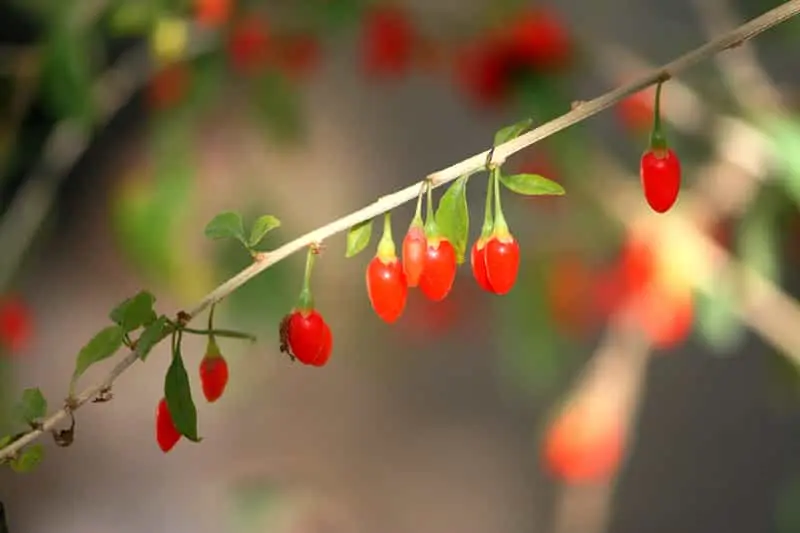
13. Steamed Turtle with Goji Berries
- Ingredient Analysis:
- turtleIt nourishes Yin and cools the blood.
- Goji berriesIt nourishes the liver and kidneys.
- Ham slices, shiitake mushroomsEnhances freshness and flavor.
- practice:
- Clean the turtle thoroughly, scald it with boiling water to remove the thin membrane on the surface, and then chop it into pieces.
- Place the turtle pieces in a dish and sprinkle with goji berries, ham slices, shiitake mushroom slices, ginger slices, and scallion segments.
- Drizzle with a little cooking wine and place in a steamer.
- Steam over high heat for 15-20 minutes until cooked through. Remove from the steamer, discard the scallions and ginger, and drizzle with a little steamed fish soy sauce.
- effectIt nourishes Yin and cools the blood, tonifies the liver and kidneys. It preserves the Yin-nourishing effects of turtle to the greatest extent possible.
14. Stir-fried silkworm pupae with chives
- Ingredient Analysis:
- silkworm chrysalisIt nourishes the liver and kidneys, replenishes essence and qi, strengthens yang and treats impotence, and dispels wind and strengthens the spleen. Although it has aphrodisiac effects, it is neutral in nature, rich in protein and nutrients, and can replenish the essence of the liver and kidneys. Since essence can transform into yin, it is also helpful for yin deficiency caused by kidney essence deficiency.
- Chinese chivesIt warms the middle and promotes the flow of qi. The dosage should be small; its main function is to flavor and balance the properties of silkworm pupae.
- practice:
- Wash the silkworm pupae, blanch them, and drain. Cut the chives into sections.
- Heat oil in a wok, sauté ginger and garlic until fragrant, then add silkworm pupae and stir-fry until crispy.
- Add the chopped chives, stir-fry quickly, and season with salt and pepper.
- effectIt nourishes the kidneys and replenishes essence, strengthens the spleen and stomach. Suitable for those with insufficient kidney essence.(Use with caution if you are allergic to insects.)
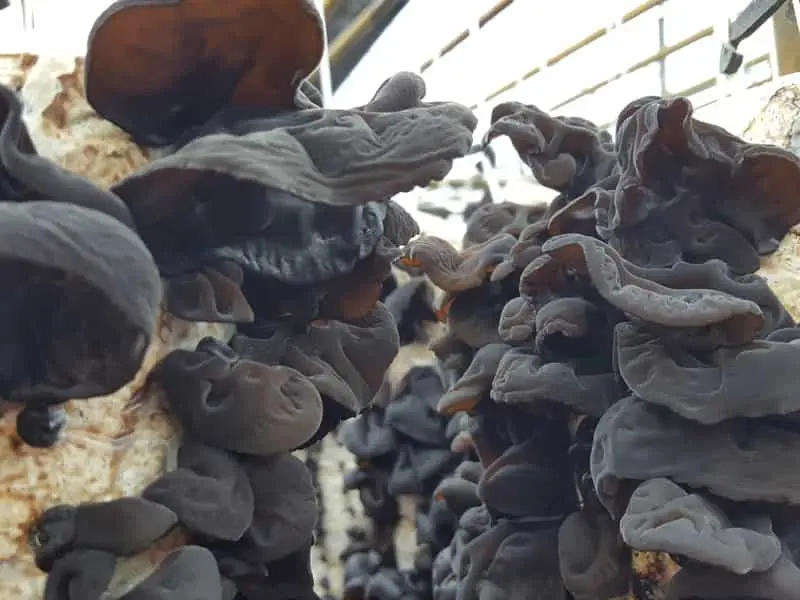
15. Stir-fried yam with wood ear mushrooms
- Ingredient Analysis:
- Chinese yam(Yam)It tonifies the spleen, lungs, and kidneys, and nourishes both qi and yin.
- Black fungusIt replenishes qi and blood, moistens the lungs and cools the blood. It is rich in collagen, which can nourish yin and moisten dryness.
- practice:
- Peel and slice the yam, then soak it in vinegar water to prevent it from turning black. Soak the wood ear mushrooms until softened, then tear them into small pieces.
- Heat oil in a wok, then stir-fry the yam slices and wood ear mushrooms.
- Add green and red bell pepper slices for color, add a little water and simmer until cooked.
- Season with salt and mushroom powder, then thicken with a light cornstarch slurry.
- effectThis dish nourishes the kidneys and replenishes essence, while also nourishing yin and moistening the lungs. It's a common and healthy stir-fry that promotes yin nourishment.
16. Stewed Pig's Trotters with Polygonatum
- Ingredient Analysis:
- PolygonatumIt replenishes qi and nourishes yin, strengthens the spleen, moistens the lungs, and benefits the kidneys. It is a mild tonic for qi and yin, and long-term use is not harmful.
- Pig's trottersIt is rich in collagen, which can moisturize the skin and nourish yin and relieve dryness.
- practice:
- Clean the pig's trotters, chop them into pieces, and blanch them. Wash and slice the Solomon's Seal.
- Place the pig's trotters, Solomon's seal rhizome, ginger slices, and dried tangerine peel into a pot, add water and cooking wine.
- Bring to a boil over high heat, then reduce to a simmer and cook until the pig's trotters are tender. Season with salt.
- effectIt nourishes the kidneys and replenishes essence, and nourishes the skin. It is suitable for those with kidney essence deficiency, dry skin, and premature graying of hair.
17. Steamed Eggs with Goji Berries
- Ingredient Analysis:
- Goji berriesIt nourishes the liver and kidneys.
- eggIt nourishes Yin and moistens dryness, nourishes blood and calms the fetus.
- practice:
- Beat the eggs, add 1.5 times the amount of warm water and a small amount of salt, and stir well.
- Strain the egg mixture into a bowl and sprinkle with goji berries.
- Cover with plastic wrap and poke a few holes with a toothpick.
- Place in a steamer and steam over medium heat for 10-12 minutes after the water boils until set.
- effectIt nourishes the liver and kidneys, benefits essence and improves eyesight. Simple, quick, and suitable for daily nourishment.
18. Stewed Pork Lung with Asparagus
- Ingredient Analysis:
- AsparagusIt nourishes Yin and moistens dryness, clears the lungs and generates fluids. It has a strong Yin-nourishing effect, and is particularly effective in nourishing the Yin of the lungs and kidneys.
- pig lungsAccording to traditional Chinese medicine, the principle of "like cures like" can replenish lung deficiency, moisten dryness, and stop coughing.
- practice:
- Wash the pig lungs repeatedly until they are clean and white, cut them into pieces, and blanch them.
- Place the pig lungs, asparagus root, and ginger slices into a stewing pot, and add water.
- Double-boil for 2 hours, then add salt to taste.
- effectIt nourishes Yin and moistens the lungs, clears heat and promotes the production of body fluids. It is suitable for dry cough, hemoptysis, and dry and sore throat caused by Yin deficiency of the lungs and kidneys.
19. Stewed Black-boned Chicken with Privet Fruit
- Ingredient Analysis:
- PrivetIt nourishes the liver and kidneys, clears heat and improves eyesight. It is a mild tonic, effectively replenishing the yin of the liver and kidneys while clearing deficiency heat.
- Black-boned chickenIt nourishes the liver and kidneys.
- practice:
- Chop the black-boned chicken into pieces and blanch it. Wash the privet fruit.
- Place the black-boned chicken, privet fruit, and ginger slices into a stewing pot.
- Add water and simmer for 2 hours, then season to taste.
- effectIt nourishes the kidneys and replenishes yin, promotes hair growth and improves eyesight. It is especially suitable for premature graying of hair, dizziness, and blurred vision caused by liver and kidney yin deficiency.
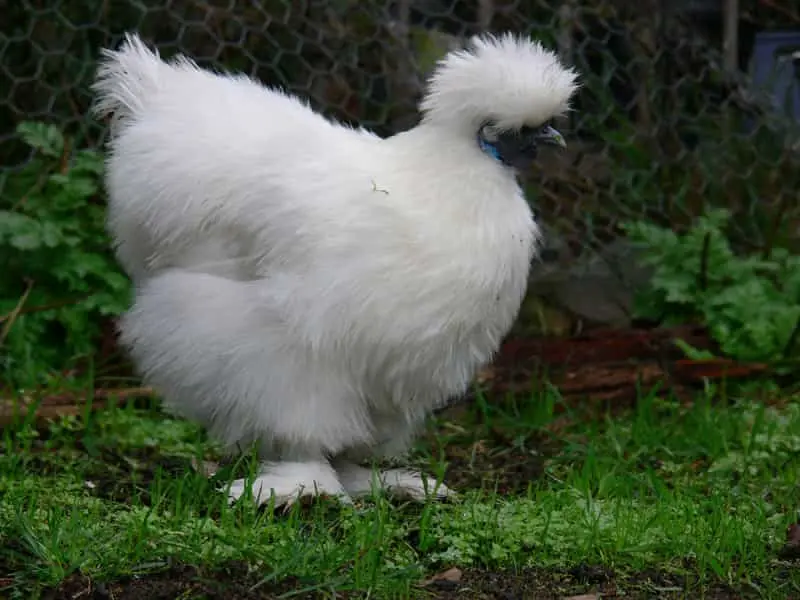
20. Turtle shell stewed with pork spinal cord
- Ingredient Analysis:
- Tortoise shellIt nourishes Yin and subdues Yang, benefits the kidneys and strengthens bones, nourishes blood and replenishes the heart. Its Yin-nourishing power is very strong, and it can draw fire downwards.
- pig spinal cord: Nourish the marrow and replenish yin, using marrow to replenish marrow.
- practice:
- Crush the tortoise shell and boil it for 1 hour to extract the juice.
- Clean the pig spinal cord and blanch it.
- Simmer the tortoise shell decoction with pork spinal cord, wolfberries, and ginger slices for 1 hour.
- Use as a seasoning.
- effectIt nourishes Yin and reduces internal heat, replenishes essence and marrow. It is suitable for those with severe kidney Yin deficiency, excessive internal heat, and weakness in the lower back and knees.(It is recommended to use under the guidance of a physician.)

IV. Tea Drinks and Sweet Soups
Convenient for daily consumption, it gently nourishes and moisturizes dryness.
21. Goji Berry and Chrysanthemum Tea
- Ingredient Analysis:
- Goji berriesIt nourishes the liver and kidneys.
- chrysanthemumIt dispels wind and clears heat, calms the liver and improves eyesight. It can clear liver fire and is effective for dry eyes and dizziness caused by liver and kidney yin deficiency.
- practice:
- Place goji berries and chrysanthemum (preferably Hangzhou white chrysanthemum) into a teacup.
- Pour in boiling water, cover and steep for 5-10 minutes before drinking.
- effectIt nourishes the liver and kidneys, and clears the liver and improves eyesight. It is an excellent daily health supplement for computer and mobile phone users.
22. American Ginseng and Ophiopogon Tea
- Ingredient Analysis:
- American ginsengIt replenishes Qi and nourishes Yin, clears heat and generates fluids. Its greatest feature is that it replenishes without causing dryness, nourishing both Qi and Yin.
- Ophiopogon japonicusNourishes Yin and generates fluids.
- practice:
- Place American ginseng slices and Ophiopogon japonicus into a thermos.
- Steep in boiling water for 15 minutes and drink as tea. It can be steeped repeatedly until the flavor fades.
- effectIt nourishes Qi and Yin, promotes the production of body fluids and quenches thirst. It is suitable for those with Qi and Yin deficiency, dry mouth, fatigue, and irritability.
23. Dendrobium Tea
- Ingredient Analysis:
- DendrobiumIt nourishes Yin and clears heat, benefits the stomach and promotes the production of body fluids.
- practice:
- Wash the fresh dendrobium stems, cut them into small pieces, put them in a juicer with an appropriate amount of water, and juice them for drinking.
- Alternatively, take dried Dendrobium officinale, put it in a thermos with boiling water, steep for a while, and then drink it.
- effectIt nourishes Yin, clears heat, nourishes the stomach, and improves eyesight. It's the most direct way to nourish Yin in tea.
24. Mulberry and Honey Drink
- Ingredient Analysis:
- Mulberries (fresh or dried)It nourishes Yin and replenishes blood.
- HoneyIt nourishes the middle jiao (spleen and stomach), moistens dryness, detoxifies, and relieves pain.
- practice:
- Soak dried mulberries in warm water until softened, or wash fresh mulberries.
- Place it in a cup, add an appropriate amount of warm water and honey, and stir well.
- effectIt nourishes yin and blood, and moistens the intestines to relieve constipation. It is suitable for those with yin and blood deficiency and constipation due to intestinal dryness.
25. Double Fungus Soup (White Fungus and Black Fungus Soup)
- Ingredient Analysis:
- Silver ear fungusIt nourishes Yin and moistens the lungs.
- Black fungusIt replenishes qi and nourishes blood.
- practice:
- Soak the white fungus and black fungus separately until softened, then tear them into small pieces.
- Place both ears in a pot, add enough water, rock sugar, and red dates.
- Simmer over low heat until the broth thickens and becomes a thick soup.
- effectIt nourishes Yin and moistens the lungs, nourishes the stomach and promotes the production of body fluids, invigorates blood and relieves dryness.
26. Snow Pear and Fritillaria Syrup
- Ingredient Analysis:
- SydneyIt promotes the production of body fluids and relieves dryness, clears heat and resolves phlegm.
- Fritillaria cirrhosaIt clears heat, moistens the lungs, resolves phlegm, and relieves cough.
- crystal sugarIt moistens the lungs, relieves cough, clears heat and reduces fever.
- practice:
- Wash the pear, do not peel it, cut it open from the top 1/3 and remove the core.
- Place the fritillaria powder (about 3-5 grams) and rock sugar into the pear bowl.
- Replace the pear lid with the cut-off piece, secure it with toothpicks, and place it in a bowl.
- Steam the pears for 30-40 minutes until they are soft. Drink the soup and eat the pears.
- effectIt nourishes Yin and moistens the lungs, resolves phlegm and relieves cough. It has a remarkable effect on dry cough caused by deficiency of Yin in the lungs and kidneys.
27. Sea cucumber porridge
- Ingredient Analysis:
- sea cucumberIt nourishes the kidneys and replenishes essence, nourishes blood and moistens dryness.
- Japonica riceIt strengthens the spleen and stomach.
- practice:
- Cut the soaked sea cucumber into small pieces.
- The rice is cooked into a porridge base.
- Add sea cucumber pieces and shredded ginger, and cook for another 10-15 minutes.
- Season with salt, pepper, and chopped green onions.
- effectIt nourishes the kidneys and replenishes essence, as well as nourishes yin and blood. It is suitable for those who are weak after illness or childbirth.
28. Rehmannia and Mung Bean Soup
- Ingredient Analysis:
- Rehmannia glutinosaIt clears heat and cools the blood, nourishes yin and promotes the production of body fluids.
- green beansIt has the effects of clearing heat and detoxifying, relieving summer heat and promoting diuresis.
- practice:
- Wash the mung beans and put them in a pot together with the raw rehmannia root.
- Add water and boil until the mung beans split open.
- You can add some rock sugar for flavor.
- effectIt clears heat and detoxifies, nourishes yin and cools the blood. It is suitable for those who suffer from yin deficiency due to summer heat, or those with yin deficiency and excessive internal heat, or those suffering from acne.
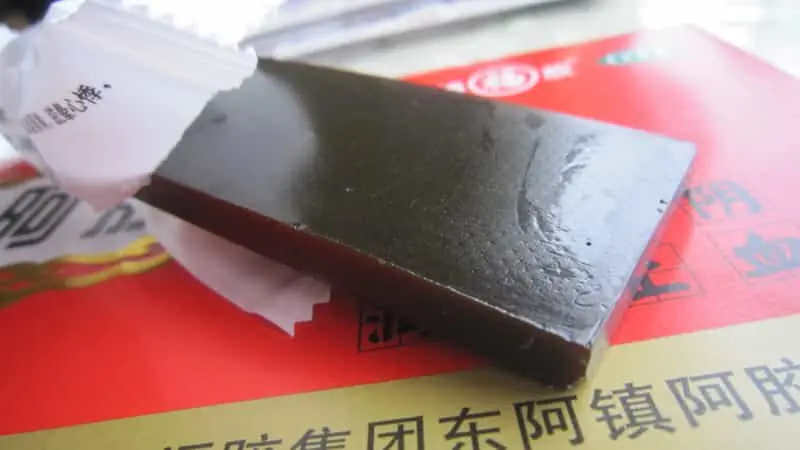
29. Donkey-hide gelatin and walnut cake (Gu Yuan Gao)
- Ingredient Analysis:
- donkey-hide gelatinIt nourishes blood and yin, moistens dryness and stops bleeding. It is a superior product for nourishing yin and blood.
- Walnuts and black sesame seedsIt nourishes the kidneys and replenishes essence.
- Shaoxing wineIt promotes blood circulation and menstruation, and helps the medicine to be absorbed.
- practice:
- Donkey-hide gelatin is soaked in rice wine for several days until it softens.
- Heat the soaked donkey-hide gelatin together with rice wine in a double boiler, stirring until melted.
- Add roasted walnuts, black sesame seeds, red date flesh, rock sugar, etc., and mix well.
- Pour into a mold, press firmly, refrigerate to set, then slice and serve.
- effectIt nourishes blood and yin, and replenishes kidney essence. Suitable for those with severe deficiency of essence and blood.(Due to its rich and greasy nature, it should be used with caution by those with weak spleen and stomach.)
30. Liuwei Dihuang Decoction (Simplified Dietary Therapy Version)
- Ingredient Analysis:
- Rehmannia glutinosa, Dioscorea opposita, Cornus officinalisThis is a "three-pronged approach" to nourish the liver, spleen, and kidneys.
- Alisma plantago-aquatica, Poria cocos, and Paeonia suffruticosaThis is the "Three Purgatives" method, which promotes urination and eliminates dampness, clears away deficiency heat, and makes the tonifying effect non-greasy.
- This is a time-honored prescription; it is recommended to use the prepared medicine under the guidance of a traditional Chinese medicine practitioner. Here is a dietary therapy suggestion.
- practice:
- Take appropriate amounts of Rehmannia glutinosa, Dioscorea opposita, Cornus officinalis, Poria cocos, and other medicinal materials (it is recommended to consult a traditional Chinese medicine practitioner to determine the dosage).
- Simmer with black-boned chicken or pork ribs in soup.
- Drink the soup and eat the meat.
- effectIt nourishes kidney yin. It is suitable for various symptoms of kidney yin deficiency, such as soreness and weakness of the lower back and knees, dizziness and tinnitus, night sweats and seminal emission.
The key to nourishing yin and reducing internal heat lies in moisturizing and maintaining tranquility.
Compared to the "warming" and "stimulating" effects of aphrodisiacs, nourishing yin is more like "irrigation" and "repair." It requires more patience and meticulousness.
- Avoid staying up late and prioritize sleep.Nighttime belongs to Yin, which is the best time for the body to repair Yin fluids. Staying up late is most harmful to Yin blood.
- Regulate emotions and avoid anger.Liver fire is easily agitated, and excessive fire can damage Yin. Maintaining a peaceful state of mind is an important part of preserving Yin fluids.
- Avoid spicy foods and eat more bland foods.Barbecue, fried, and spicy foods are like adding fuel to the fire; they must be consumed in moderation.
- Exercise moderately, but avoid excessive sweating.You can choose gentle exercises such as Tai Chi, yoga, or walking to avoid excessive sweating, because "sweat and blood share the same origin," and excessive sweating will damage your Yin.
Further reading:
- 30 Kidney-Nourishing and Essence-Boosting Recipes (Suitable for Those with Kidney Essence Deficiency)
- 30 Kidney-Nourishing and Aphrodisiac Recipes (Suitable for Those with Kidney Yang Deficiency)
- 50 recipes for kidney-tonifying and aphrodisiac soups from "Compendium of Materia Medica" and "Jisheng Fang"
- Did excessive use of kidney-tonifying and aphrodisiac supplements cause internal heat and insomnia?