


![[有片]拜祖先會獲得保佑?](https://findgirl.org/storage/2026/01/有片拜祖先會獲得保佑?-300x225.webp)


Honda Integra Type R (DC2)
Table of contents
Since its launch in 1995, the Honda Integra Type R (DC2) has become a classic in the automotive world, especially enjoying a prestigious status among JDM (Japanese Domestic Market) enthusiasts and Hong Kong's "tough guy" culture. Hailed as one of the "best front-wheel-drive cars," the DC2 is admired not only for its superior performance and handling but also for its modification potential and cultural symbolism, making it a "tough guy car" for young enthusiasts. This article will explore in detail why the DC2 has become a representative of both classic and "tough guy" cars, and will delve into its modification methods, driving styles, and related charts and time-related information.
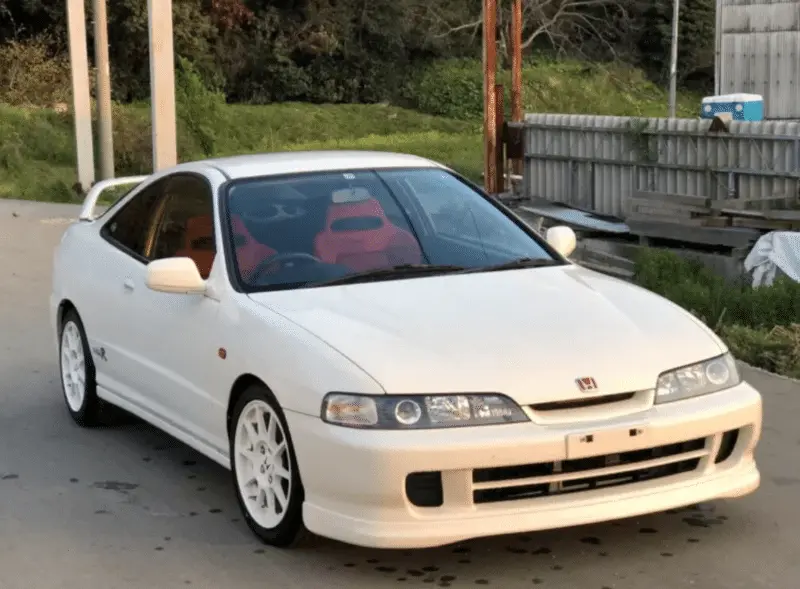
Why is the Honda DC2 considered a classic car?
1. History and Background
Honda Integra Type RLaunched in Japan in August 1995, the DC2 was Honda's second Type R model after the NSX Type R, positioned as a high-performance version of the third-generation Integra (1993-2001). Equipped with a 1.8L B18C engine, the DC2 was designed specifically for track driving pleasure and was priced at only 2.228 million yen, far less than a quarter of the NSX Type R, successfully popularizing a racing-style driving experience. Its production run lasted six years (1995-2001), and it underwent specification upgrades in 1996, 1998, and 2000 (referred to as the 96 Spec, 98 Spec, and 00 Spec respectively), with each version bringing new surprises to car enthusiasts.
The DC2's design philosophy originated from Honda's F1 racing technology, combining a lightweight body (only 1080kg), a high-revving VTEC engine, precise handling, and track-tuned suspension, making it one of the most representative front-wheel-drive sports cars of the 1990s. Especially in the UK, the DC2 was only briefly sold from 1998 to 2001, but it was praised for its "impeccable handling" and "sharp five-speed gearbox."Top GearIt is hailed as a "legend of the 90s".
2. Performance and Technical Highlights
The classic status of the DC2 Type R stems from its superior technical specifications:
- engineThe 1.8L B18C VTEC engine delivers a maximum speed of 8700rpm, producing 200 horsepower (Japanese version) and 18.5kgm of torque. Its high redline of 8300rpm allows drivers to experience the exhilarating thrill of a "10,000rpm four-cylinder engine."
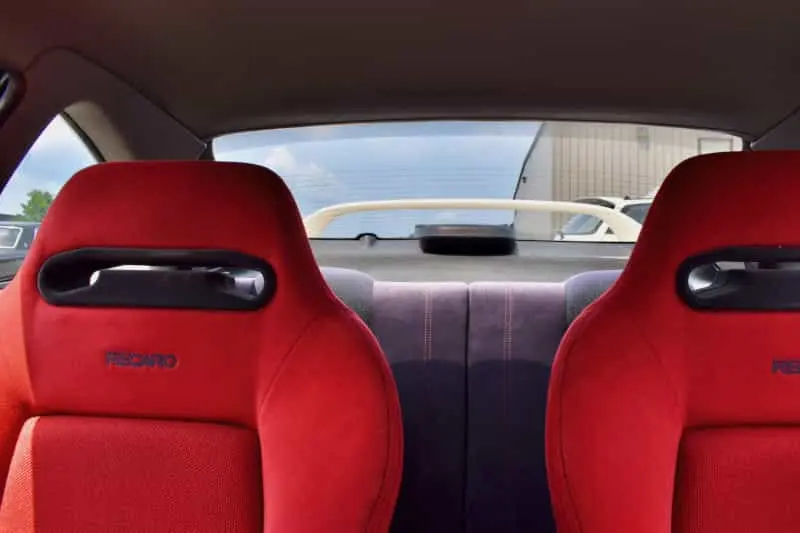
- Lightweight designThe vehicle weighs only 1080kg, achieved by removing sound insulation materials, using lightweight RECARO racing seats and aluminum alloy wheels, resulting in an excellent power-to-weight ratio.
- ControlThe front double wishbone and rear multi-link suspension system, paired with a limited-slip differential (LSD), provides racing-grade steering precision and grip.
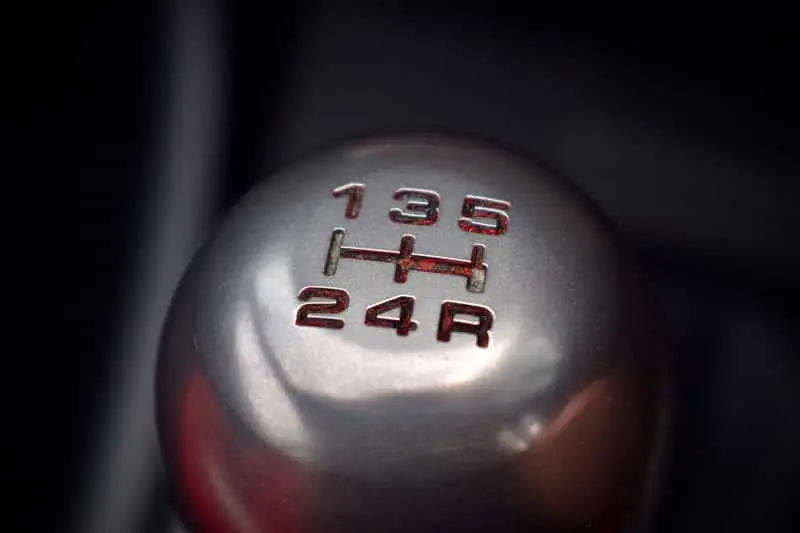
- gearbox(Five-speed manual transmission with close gear ratios and excellent shifting feel; the 98 Spec features an upgraded 4.78 final drive for improved acceleration.)
These characteristics enabled the DC2 to excel on both the track and the street, achieving numerous successes in Japanese and international races between 1995 and 2001, such as being used as the safety car in the 1992 F1 Canadian Grand Prix.
3. Cultural Influence and Market Value
The DC2 is not just a performance car, but also a representative of 1990s JDM culture. Its affordable price (compared to the NSX Type R) and tuning potential made it a dream car for young enthusiasts. In Hong Kong, the DC2, due to its popularity in the used car market and its tuning culture, became synonymous with "street racer's car." Even before the rise of the JDM craze, the used DC2's price remained stable, with models as low as HK$100,000 still attractive, while rare 00 Spec Type R. X models could fetch over HK$500,000. In Japan, 00 Spec models with less than 150,000 kilometers are priced at over 3 million yen, demonstrating its strong resale value.
Furthermore, the DC2's status among car enthusiasts worldwide has been further solidified by its appearances in racing games (such as Gran Turismo) and movies (such as the live-action Initial D). It is not only a performance car, but also a symbol of young people's pursuit of speed and individuality.
The definition of the Flying Car and the role of DC2
1. The background of the Flying Teen Car
In Hong Kong, "street racers" refers to Japanese performance cars that are popular among young car enthusiasts, relatively affordable, and have great modification potential. In the mid-1990s, with the large-scale import of used Japanese cars into Hong Kong, the DC2 became a core model of street racer culture due to its performance, price, and modification possibilities. These cars were often used by young people for street racing, car club gatherings, or modification showcases, representing a rebellious and passionate youth culture.
2. Why is the DC2 called a "flying car"?
- Affordable pricesIn the late 1990s, the DC2 was available for as low as HK$100,000 on the secondhand market, far lower than other performance cars, making it easy for young people to buy.
- Modification potentialThe DC2's B18C engine and chassis design offer endless possibilities for modification, allowing for significant upgrades from appearance to powertrain.
- Eye-catching appearanceThe DC2's two-door sports car design, hatchback tailgate, and long strip headlights, combined with the modified exaggerated body kit and rear wing, create a strong visual impact.
- Fun of ControlIts lightweight body and track tuning make the DC2 perform well on Hong Kong's mountain roads (such as Tai Mo Shan), attracting "speed demons" who seek driving pleasure.
3. How to play the "Flying Car" game
The ways DC2 is played in the Fever culture can be mainly divided into the following categories:
- Street racingFeizai often engages in informal racing at night on mountain roads or remote sections of the road. The DC2's acceleration performance (0-100km/h in about 6.1 seconds) and handling make it a popular choice.
- Car ShowcaseModified DC2s are often seen at car club gatherings, showcasing their personalized appearance and modifications, such as Mugen body kits and SPOON exhaust pipes.
- Track activitiesSome young riders use the DC2 on official track days to challenge lap times and experience the joy of racing.
- Car modification cultureCustomization is the core of Feizai culture, and the DC2 has become the first choice for customization enthusiasts due to its abundant parts and low barrier to entry for customization.
DC2 Modification Details
The DC2's modification potential is a major reason why it became a classic and trendsetting car. The following details modification methods from five aspects: engine, exterior, suspension, interior, and electronic systems, and provides more comprehensive information.
1. Engine and power modification
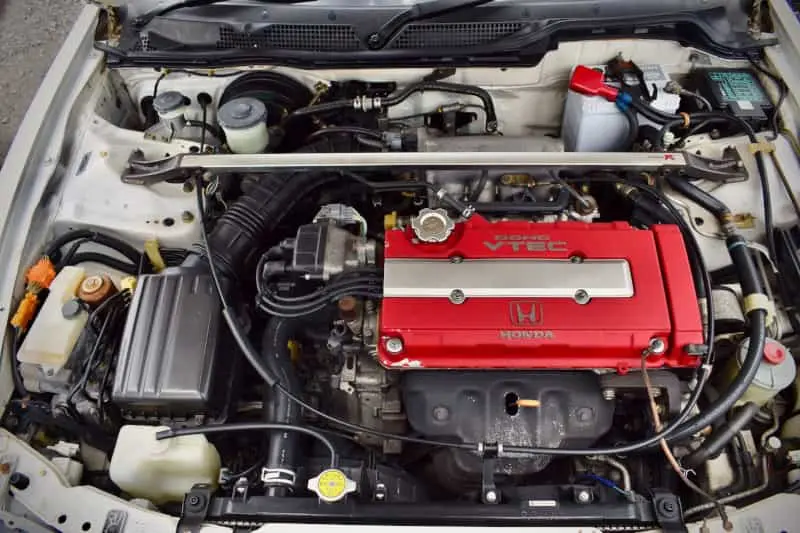
The DC2's B18C engine is a focal point for modification due to its high revving capabilities and durability, offering immense potential for customization. Common modifications include:
- TurbochargingInstalling a turbocharger kit (such as Garrett T3/T4) can increase horsepower to 300-500 hp or even higher. The American tuning team English Racing once modified a DC2 to 1200 hp, setting a record for the fastest front-wheel-drive car (0-1/2 mile final speed 344.37 km/h).
- Modification detailsReplace the pistons and connecting rods with forged ones, upgrade the Billet cylinder head, and add a high-flow intake system and a larger turbocharger. The ECU is tuned to use the MoteC racing version.
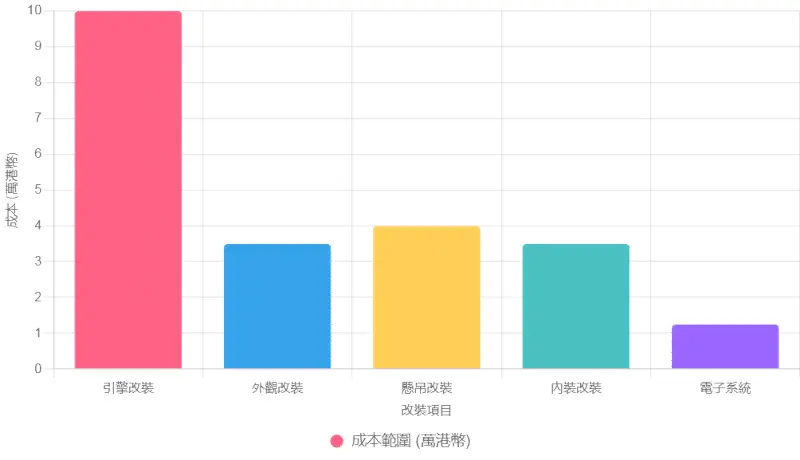
- costThe price ranges from approximately HKD 50,000 to HKD 200,000, depending on the extent of the modifications.
- Naturally aspirated (NA) optimizationRetaining VTEC characteristics, the power output is increased to 220-250 horsepower through high-angle camshafts, larger throttle bodies, and Spoon intake manifolds.
- Modification detailsReplace with a high-performance ignition coil and a SPOON crankshaft to increase the redline to over 9000 rpm.
- costApproximately HKD 20,000 to 50,000.
- exhaust systemInstall a Mugen, SPOON, or HKS exhaust pipe to improve exhaust efficiency and increase the sound.
- costApproximately HKD 10,000 to 30,000.
2. Exterior Modification
Customizing the DC2's exterior is central to the Flying Boys culture, aiming to enhance its visual appeal and aerodynamics.
- Surround and tail wing: Mugen, SPOON or J's Racing front and rear bumpers, side skirts and carbon fiber rear wing to increase downforce and enhance sportiness.
- Wheels and tiresReplace with 17 or 18-inch lightweight wheels (such as Volk Racing TE37) and pair with Yokohama AD08R or Michelin Pilot Sport 4S tires.
- costWheels cost approximately HK$20,000-50,000, and tires cost approximately HK$8,000-15,000.
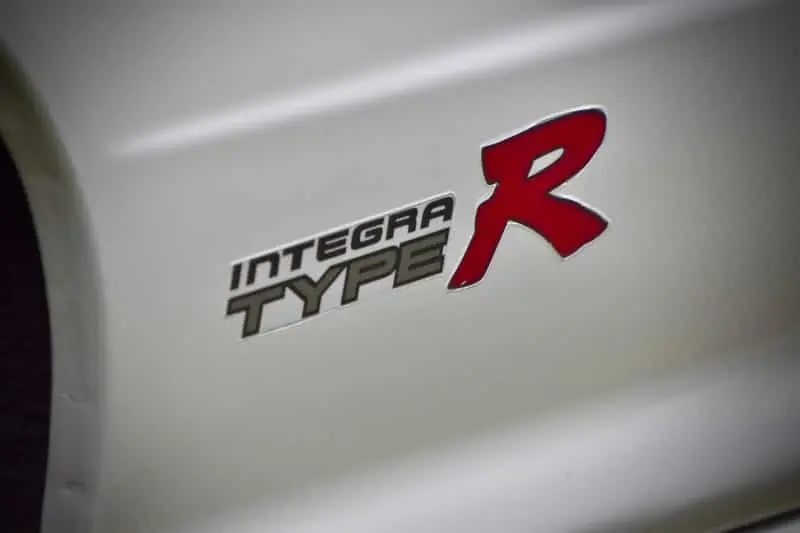
- Car stickers and paintPersonalized car body stickers (such as the Type R logo) or a complete car color change (such as Championship White).
- costApproximately HKD 5,000 to 20,000.
3. Suspension and chassis modification
Suspension modifications improve handling and track performance:
- shock absorbersInstall Tanabe Sustec Pro or Tein Flex Z adjustable shock absorbers to adjust ride height and damping.
- Reinforce anti-roll bars and tie rodsSPOON or Mugen reinforced anti-roll bars improve body rigidity.
- Braking systemUpgrade to Brembo or AP Racing four-piston calipers, paired with high-performance brake pads.
- costSuspension costs approximately HKD 20,000-50,000, and braking system costs approximately HKD 30,000-80,000.
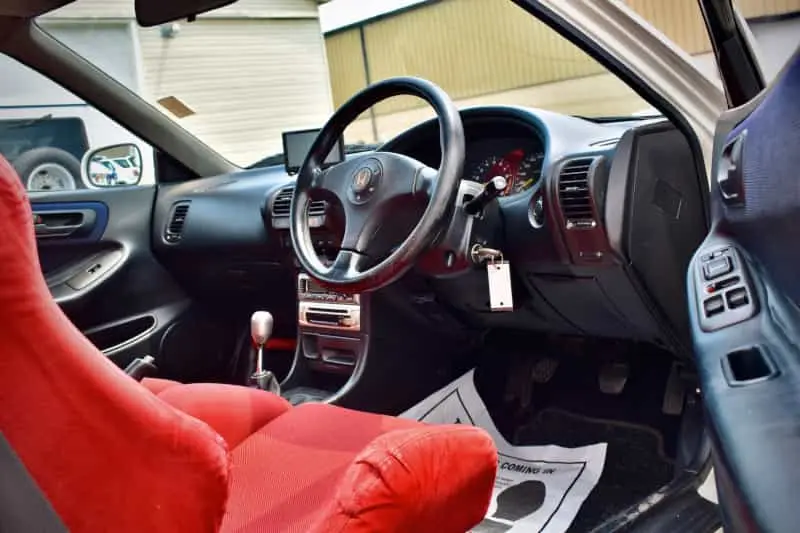
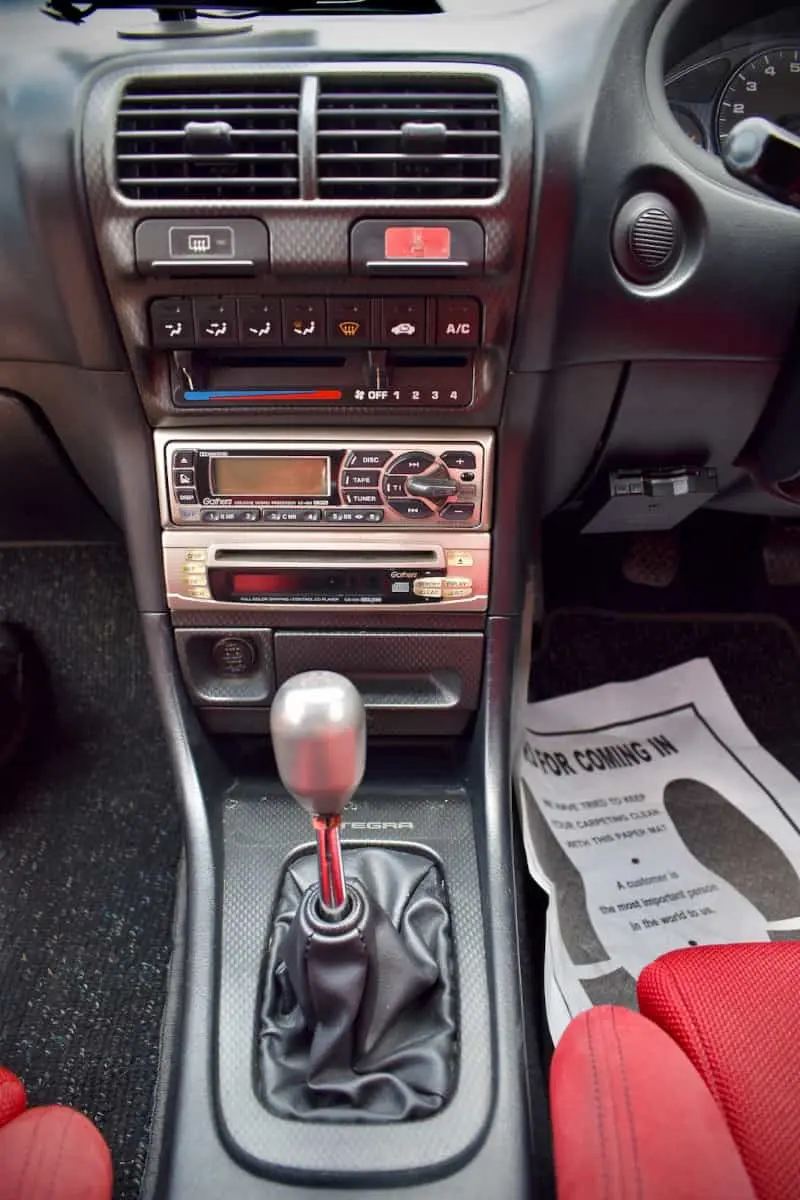
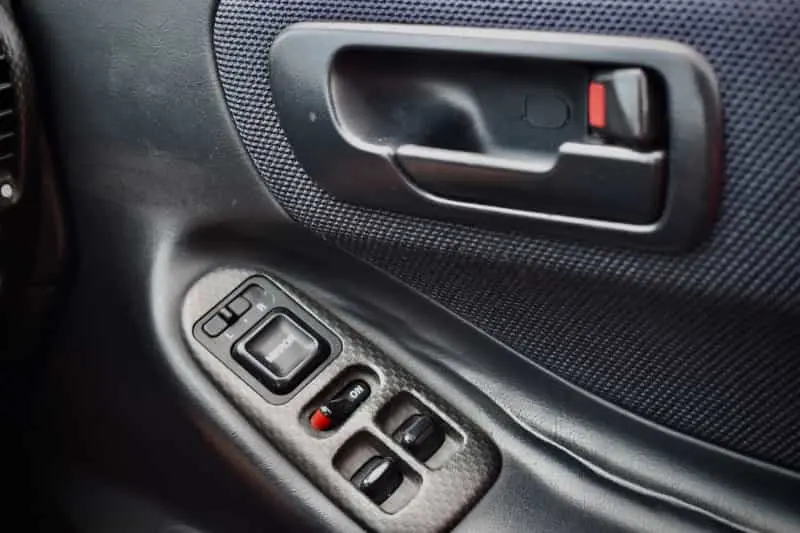
4. Interior modification
Interior modifications emphasize both racing aesthetics and functionality:
- Racing seatsReplace with Bride or RECARO SR4 racing seats, and equip with four-point harnesses.
- steering wheelMOMO or SPOON racing steering wheel to enhance handling.
- Instrumentation and ElectronicsInstall Defi advanced gauges to monitor data such as oil pressure and water temperature.
- costApproximately HKD 20,000 to 50,000.
5. Electronic system modification
- ECU tuningUse Hondata or AEM ECU for power optimization to improve throttle response.
- Bluetooth car infotainment system: Install a modern car infotainment system that supports Apple CarPlay or Android Auto.
- costApproximately HKD 5,000 to 20,000.
6. Extreme Modification Cases
As mentioned earlier, English Racing's DC2 has been modified to produce 1200 horsepower, with the engine displacement increased to 2.0L, paired with a 60 psi turbocharger, and the gearbox also fully upgraded. Such modifications would cost over HK$500,000 and are suitable for professional racing applications.
Charts and time periods
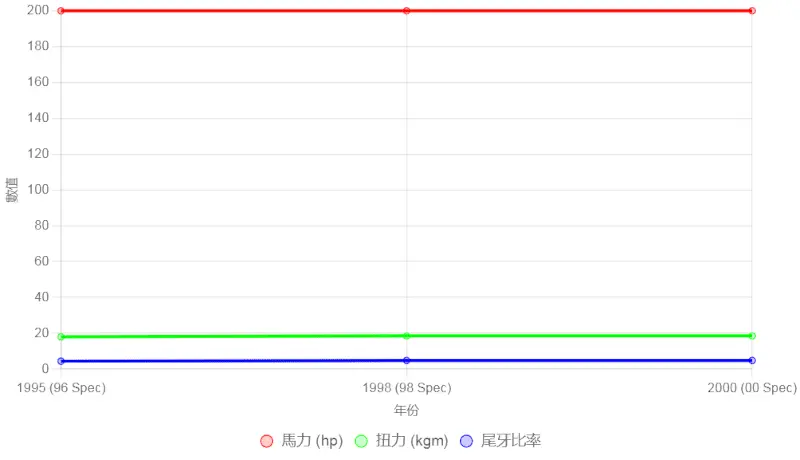
1. Evolution of the DC2 Type R specification (1995-2001)
The following chart shows the specification changes of DC2 Type R in different years:
2. Overview of Modification Costs
The following chart shows the cost range for different modification projects:
3. Time period display
- 1993The third-generation Integra (DC2) has been launched, equipped with the B18C engine.
- 1995The DC2 Type R (96 Spec) has been launched, boasting 200 horsepower and a 4.4-speed final drive.
- 1998The 98 Spec upgrade includes a new headlight, a 5-hole undercarriage, a 4.78-inch final drive, and increased torque to 18.5 kgm.
- 2000Released as Spec Type R. X, a rare version with the highest market value.
- 2001DC2 production ceased, with a total production cycle of 8 years.
- 2019The modified DC2 set a new record for the fastest front-wheel-drive car (344.37 km/h).
Why do men love the DC2?
The DC2's appeal to male car enthusiasts stems primarily from the following factors:
- Exhilarating driving experienceThe high-revving VTEC engine's sound and driving pleasure satisfy men's desire for speed.
- Car modification cultureModifying the DC2 becomes a platform to showcase individuality and technology, especially attracting attention at car shows.
- Memories of YouthThe "flirting culture" of the 1990s led many men to regard the DC2 as a symbol of youth.
- Value retentionThe DC2 has a stable market value, and after modification, it becomes even more collectible, attracting male car enthusiasts who seek investment returns.
in conclusion
The Honda Integra Type R (DC2), with its exceptional performance, lightweight design, and modification potential, became a classic representative of JDM culture in the 1990s. In Hong Kong's "street racer" culture, the DC2, with its affordable price, eye-catching appearance, and racing DNA, became the perfect vehicle for young people pursuing speed and individuality. From turbocharging the engine to body kits, the DC2's modifications are diverse and challenging, satisfying the needs of different levels of enthusiasts. Through charts and time-based analysis, we can see that the DC2 has maintained its legendary status since its debut in 1995; whether on the track, on the street, or at car clubs, it remains a timeless classic.