





Rolex
Table of contents
Rolex: The Timeless Symbol of Luxury and Precision
Rolex is one of the world's most renowned luxury watch brands, its iconic crown logo representing exceptional craftsmanship, precise timekeeping, and timeless design. Since its founding in 1905, Rolex has become a benchmark in the watchmaking industry through its unwavering pursuit of quality, innovative watchmaking technology, and understated luxury design style. This article will delve into Rolex's brand history, technical features, classic collections, and representative works, showcasing the unique charm of Rolex watches through textual descriptions and images.
Brand History: From 1905 to Global Dominance
Creation and Early Development
RolexThe history of Rolex began in 1905 when Hans Wilsdorf, then only 24 years old, founded Wilsdorf & Davis in London, specializing in the distribution of watches. In 1908, Wilsdorf officially registered the brand name "Rolex," a word that was short, easy to remember, and pronounced consistently in multiple languages, making it suitable for international marketing.
In the early 20th century, wristwatches were not yet mainstream, and pocket watches remained the primary choice for timekeeping. Wilsdorf astutely foresaw the potential of wristwatches and dedicated himself to improving their accuracy and durability. In 1910, Rolex became the first wristwatch to receive the official Swiss Official Chronometer certification (COSC), marking the brand's leading position in the field of precision timekeeping.
Technological Breakthroughs and Global Impact
In 1926, Rolex launched the revolutionary Oyster case, the world's first waterproof and dustproof wristwatch, setting a new standard for watchmaking. Then, in 1931, Rolex developed the Perpetual automatic winding mechanism, a patented technology that became the foundation of modern automatic wristwatches. These technological breakthroughs solidified Rolex's leading position in the watchmaking industry.
In the mid-20th century, Rolex began designing specialized watches for specific professions and activities, such as the Submariner for divers, the GMT-Master for pilots, and the Daytona for racing drivers. These watches not only showcased Rolex's technical prowess but also reinforced its image as a luxury brand that combined functionality and aesthetics.
contemporary status
Entering the 21st century, Rolex's influence has continued to expand. The brand is not only a symbol of luxury but also highly regarded for its value retention and collectability. According to a report by the pre-owned watch platform Bezel, Rolex occupied nine of the top ten most popular watch spots in 2024, demonstrating its market appeal. Furthermore, Rolex actively participates in philanthropic endeavors, supporting environmental protection and scientific exploration through its "Persistence for the Planet" program, showcasing the brand's commitment to social responsibility.
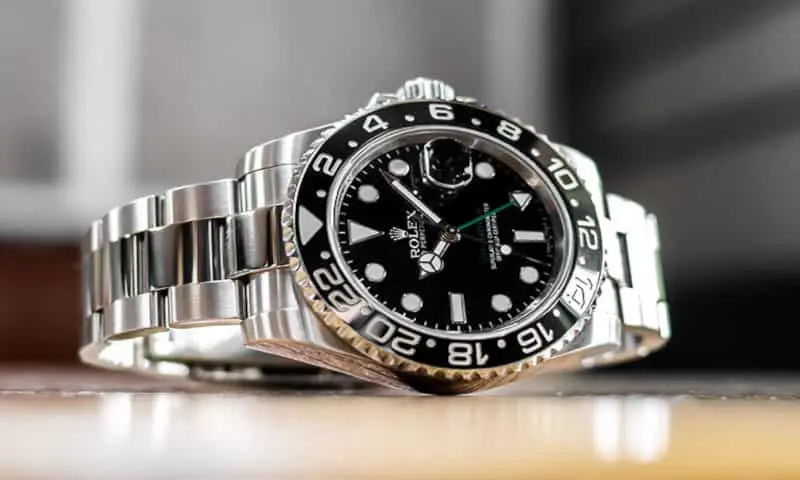
Rolex's technical and design features
Rolex's success stems from its relentless pursuit of technological innovation and meticulous design details. Here are some of the core characteristics of Rolex watches:
1. Precise timekeeping: Observatory-certified movement
Every Rolex movement is certified by the Swiss Official Chronometer Testing Institute (COSC) and also passes the brand's internal "Super Chronometer" certification, which requires a daily error of within -2/+2 seconds, far exceeding industry standards. This dedication to precision stems from the philosophy of the brand's founder, Wilsdorf: "Precision is the soul of a watch."
2. Oyster case: Pioneer of waterproofing
Introduced in 1926, the Oyster case is a signature invention of Rolex. This case features a patented screw-down design, tightly integrating the bezel, case, and case back to form a sealed structure that effectively prevents water, dust, and pressure from entering the movement. Every Rolex watch undergoes pressure testing before leaving the factory to ensure its water resistance. For example, the Submariner series is water-resistant to 300 meters, while the Deepsea series is water-resistant to 3900 meters.
3. Perpetual automatic control disc
In 1931, Rolex introduced the world's first Perpetual Rotor, a bidirectional automatic winding system that powers the movement through the wearer's wrist movements. This technology not only improved ease of wear but also became the standard design for modern automatic wristwatches.
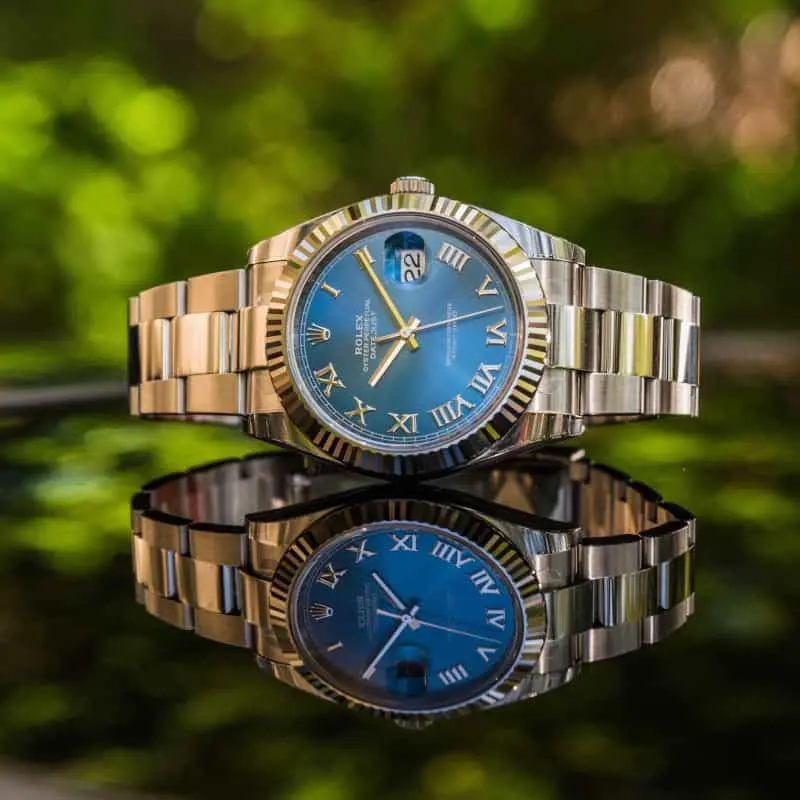
4. 904L stainless steel (Oystersteel)
Rolex exclusively uses 904L stainless steel (known as Oystersteel by the brand) which is renowned for its exceptional corrosion resistance and high gloss. This steel is widely used in aerospace and high-tech fields, and Rolex's introduction of it into watchmaking allows its timepieces to maintain stability and beauty even in extreme environments.
5. A design philosophy of understated luxury
Rolex's designs adhere to the principles of "stable, practical, and understated." The brand avoids overly elaborate decorations, focusing on the fusion of functionality and classic aesthetics. For example, the Datejust series' minimalist dial and Cyclops magnifier have become brand hallmarks, while the Daytona's tachymeter scale showcases a perfect balance between professional function and design.
6. In-house casting of precious metals
Rolex is one of the few watch brands that owns its own foundry, and all 18K gold (yellow gold, white gold, and rose gold) is cast in the brand's workshop in Geneva. This vertically integrated production model ensures the purity and quality of the materials. For example, Rolex's Everose gold uses a unique formula to prevent fading, showcasing the brand's ultimate pursuit of detail.
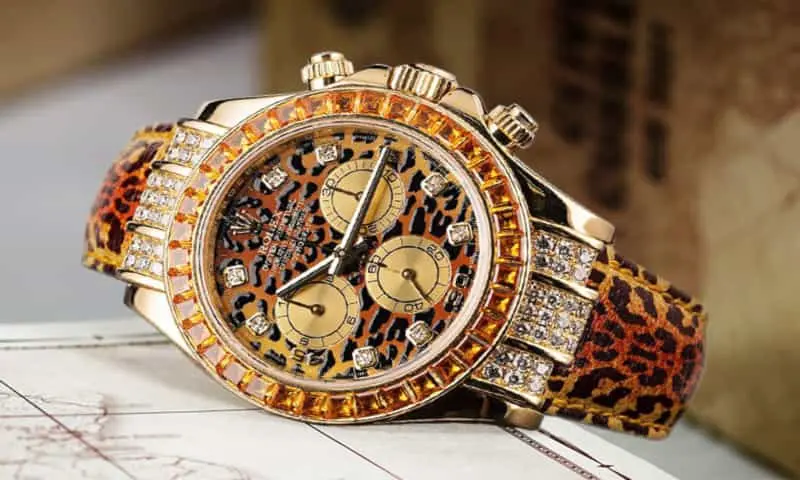
Rolex's representative series and models
Rolex watches are divided into Classic Watches and Professional Watches. Below are some of the most representative models, with accompanying images to showcase their visual appeal.
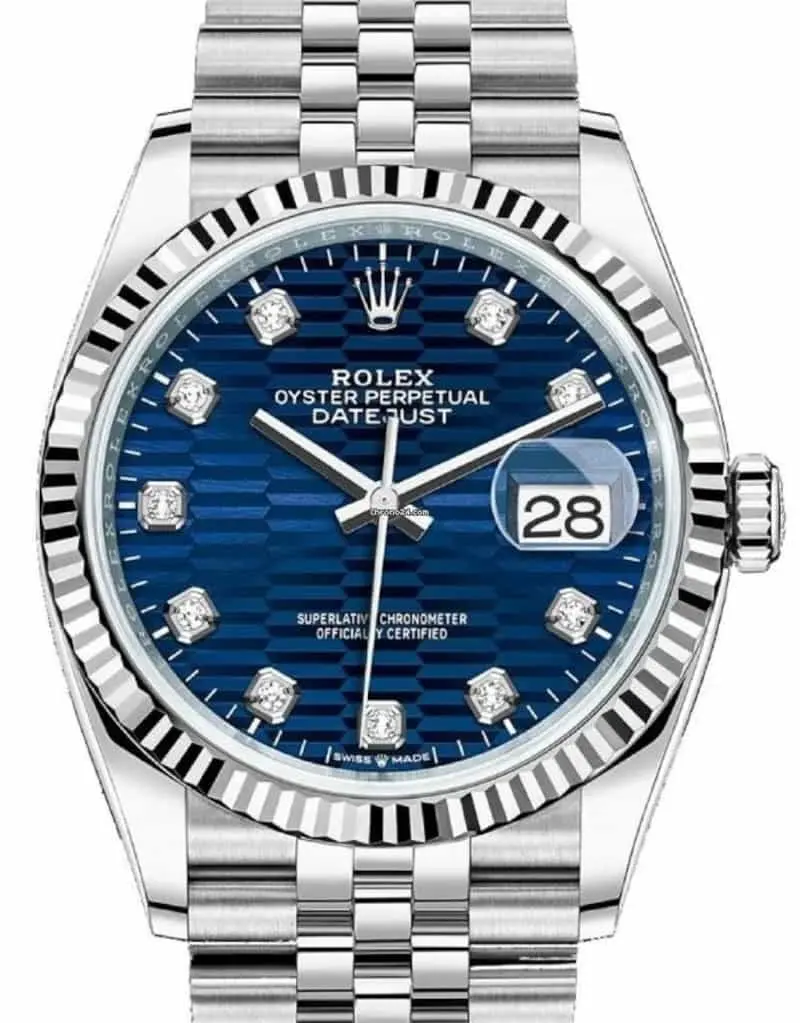
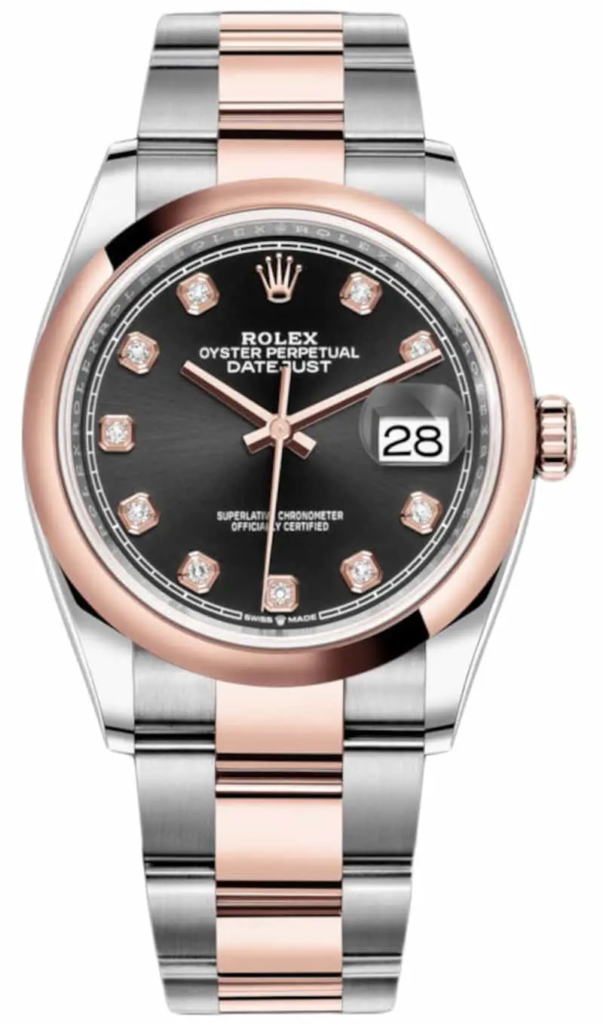
1. Oyster Perpetual Datejust
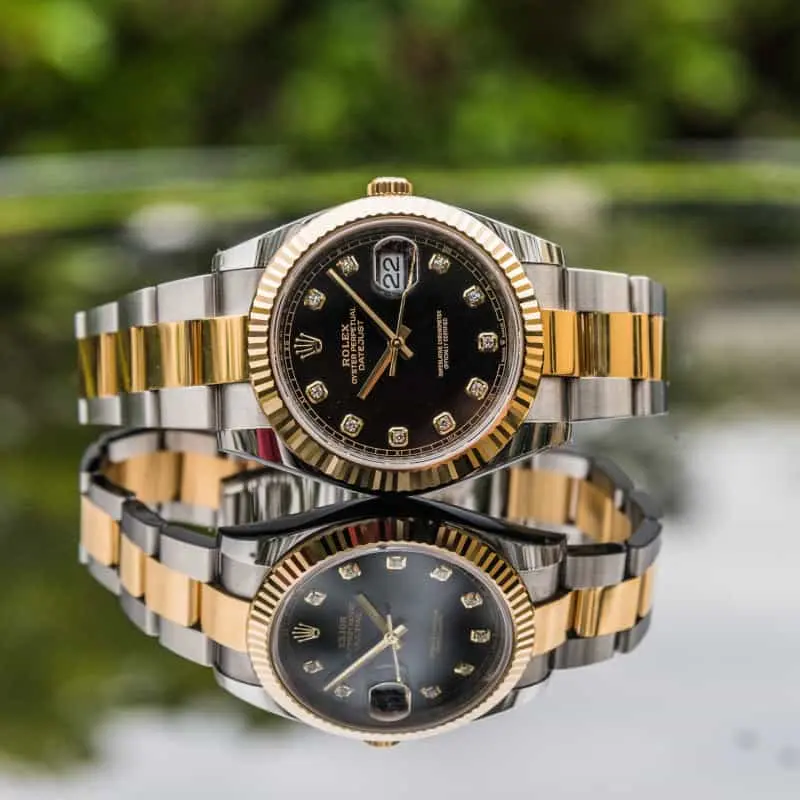
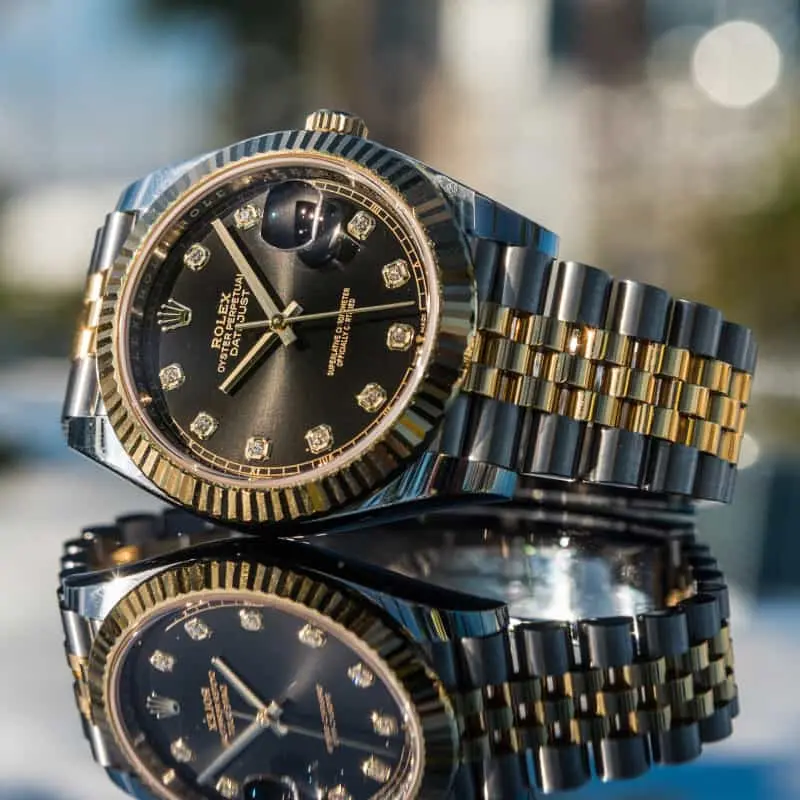
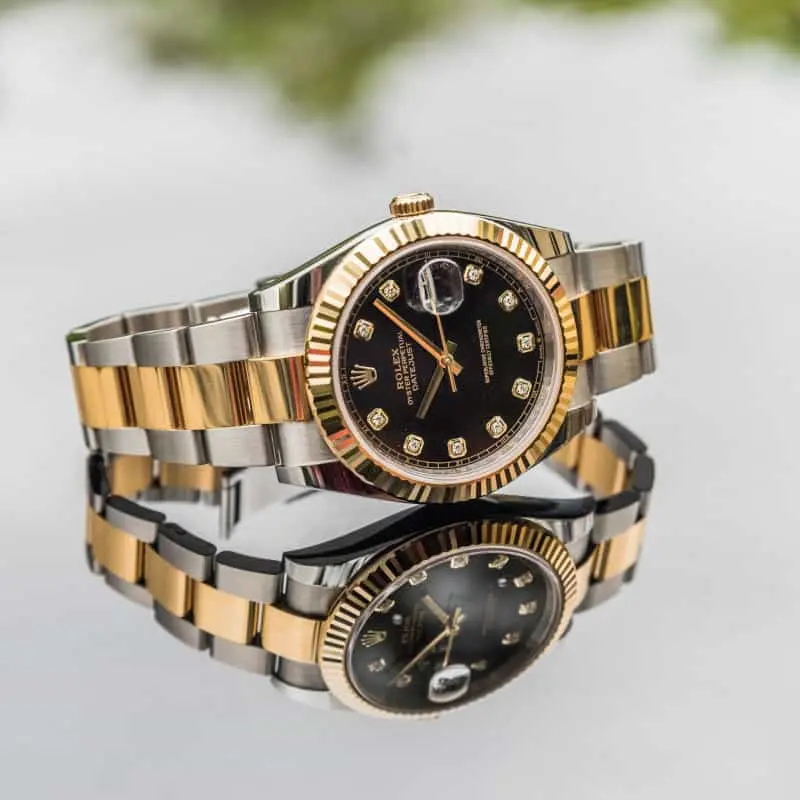
featureThe Datejust, Rolex's most iconic and classic timepiece, was launched in 1945. It was the first wristwatch to display the date at 3 o'clock and featured a Cyclops magnifier. Its design blends elegance and practicality, making it suitable for various occasions. The Datejust is available in a variety of sizes (31mm to 41mm), materials (stainless steel, two-tone gold, 18K gold), and dial options (such as mother-of-pearl and diamond-set), catering to the needs of different wearers.
Representative works: Rolex Oyster Perpetual Datejust 41 (Model: 126334)
- Case41mm, Oystersteel stainless steel with 18K white gold fluted bezel
- dialBlue radial pattern, inlaid with luminous stick-shaped hour markers.
- movementCalibre 3235, automatic winding, 70-hour power reserve
- FunctionDate display (with Cyclops magnifier), waterproof to 100 meters.
- Image descriptionA Datejust 41 watch is set against a white background, its blue dial displaying a delicate radial pattern under light. Luminous hour markers and hands emit a subtle glow, and the date is clearly visible under a magnifying glass. The case and Jubilee bracelet gleam with Oystersteel's sheen, while the 18K white gold fluted bezel adds a touch of luxury. The crown logo on the crown shines brightly in the light, exuding understated elegance.
2. Submariner
featureLaunched in 1953, the Submariner is the prototype of the modern dive watch, designed specifically for divers and water-resistant to 300 meters. Its rotating bezel can be used to measure dive time, and luminous hands and hour markers ensure readability in deep-sea environments. Combining sporty style with classic aesthetics, the Submariner has become one of Rolex's most popular collections.
Representative worksRolex Submariner Date (Model: 126610LN)
- Case41mm, Oystersteel stainless steel
- dialBlack, with luminous dots and baton hour markers.
- movementCalibre 3235, automatic winding, 70-hour power reserve
- FunctionDate display, unidirectional rotating bezel, water resistant to 300 meters.
- Image descriptionA Submariner Date watch rests against a deep blue background, with a black ceramic bezel engraved with 60-minute markers and white numerals clearly visible in the light. The luminescent hour markers and Mercedes hands on the black dial emit a green glow, while the Cyclops magnifier highlights the date window. The case and Oyster bracelet feature sleek lines, exuding a robust yet elegant character, as if ready to face the challenges of the deep sea.
3. Daytona
featureLaunched in 1963, the Cosmograph Daytona was designed specifically for racing drivers and is renowned for its tachymeter scale and chronograph function. The Daytona's design combines sportiness with luxury, and the Rainbow Daytona, in particular, has become a highly sought-after collector's item.
Representative worksRolex Cosmograph Daytona (Model: 116500LN)
- Case40mm, Oystersteel stainless steel
- dialBlack with luminous baton hour markers; chronograph subdials at 3, 6, and 9 o'clock.
- movementCalibre 4130, automatic winding, 72-hour power reserve
- FunctionTiming function, speedometer scale, waterproof to 100 meters.
- Image descriptionA Daytona watch is placed against a backdrop of racing tires, its black dial featuring three neatly arranged chronograph subdials, while luminous hour markers and hands add a sporty touch. The tachymeter scale on the ceramic bezel is clearly visible, and paired with a stainless steel Oyster bracelet, it showcases a perfect blend of speed and precision. The chronograph pushers on the side of the case are exquisitely designed, highlighting a balance between functionality and aesthetics.
4. GMT-Master II
featureDesigned in 1955 for Pan Am pilots, the GMT-Master was the first wristwatch to display two time zones simultaneously. Its two-tone rotating bezel (such as the red and blue "Pepsi" or black and blue "Batman") became an iconic design, beloved by travelers and collectors alike. 2025 marks the 70th anniversary of the GMT-Master, and the market predicts Rolex may release a commemorative edition.
Representative worksRolex GMT-Master II (Model: 126710BLRO)
- Case40mm, Oystersteel stainless steel
- dialBlack, luminous hour markers, 24-hour hand
- movementCalibre 3285, automatic winding, 70-hour power reserve
- FunctionDual time zone display, bidirectional rotating bezel, water resistant to 100 meters.
- Image descriptionA GMT-Master II "Pepsi" watch is displayed against an aviation map background, featuring a striking red and blue two-tone ceramic bezel with clearly marked 24-hour scales. The green GMT hand on the black dial contrasts with the luminous hour markers, while the date window is located at 3 o'clock and is complemented by a Cyclops magnifier. The case and five-link bracelet exude a metallic sheen, showcasing the dynamic charm of a travel watch.
5. Perpetual 1908
featureIn 2023, Rolex discontinued the Cellini series and launched the new Perpetual 1908, the brand's most elegant dress watch. Named after the year the brand registered its name, the 1908 features a vintage design, a small seconds dial, and an alligator leather strap, showcasing classic aesthetics.
Representative worksRolex Perpetual 1908 (Model: 52508)
- Case39mm, 18K gold
- dialWhite, small seconds hand at 6 o'clock.
- movementCalibre 7140, automatic winding, 66-hour power reserve.
- FunctionHours, minutes, and seconds display; waterproof to 100 meters.
- Image descriptionA Perpetual 1908 timepiece sits against a black velvet background, its 18K gold case and fluted bezel gleaming with a warm luster. The Arabic numeral hour markers and small seconds hand on the white dial exude a vintage charm. Paired with a brown alligator leather strap, the crown logo on the buckle is delicate and refined, perfectly embodying the elegance and sophistication of a dress watch.
Rolex's cultural and market influence
1. Value preservation and collectability
Rolex watches are renowned for their value retention, especially limited editions and popular models (such as the Daytona and Submariner), which often fetch higher prices on the secondary market than their original purchase price. For example, the Rainbow Daytona (model: 116595RBOW) became a focal point at auctions due to its bezel set with colored gemstones. Rolex's scarcity strategy (limiting the supply of popular models) further drives up their market value.
2. Brand Image and Celebrity Effect
Rolex watches are frequently seen on the wrists of global leaders, celebrities, and athletes, such as James Bond (who wore a Submariner in the 007 films), tennis superstar Roger Federer, and race car driver Jackie Stewart. This celebrity endorsement reinforces Rolex's image as a symbol of status and taste.
3. Production and Supply Strategy
Rolex is renowned for its rigorous quality control and limited production. The brand has four main workshops in Switzerland and plans to open a fifth in Bulle in 2029, while also launching temporary facilities by 2025 to increase production. Despite this, popular models such as the Daytona and GMT-Master II still require waiting lists of months or even years, further enhancing the brand's exclusivity.
Conclusion: The Eternal Legend of Rolex
Rolex is not just a watchmaking brand, but a cultural phenomenon. Its unwavering pursuit of precision, durability, and aesthetics has made it synonymous with luxury watches. From the Oyster case to the Perpetual movement, from the classic elegance of the Datejust to the rugged sportiness of the Submariner, every Rolex timepiece embodies the brand's heritage and spirit of innovation.
Whether for collectors, professionals, or everyday wearers, Rolex meets diverse needs, becoming a timeless classic. Its value retention, rarity, and cultural influence set Rolex apart in the watchmaking world. As founder Hans Wilsdorf said, "We are not just making watches, we are creating eternity."
奢華與創新的永恆傳奇-300x225.webp)