


![[有片]把與生俱來的「好色」,用以點燃事業的雄心](https://findgirl.org/storage/2025/11/有片把與生俱來的「好色」,用以點燃事業的雄心-300x225.webp)


Coconut Oil
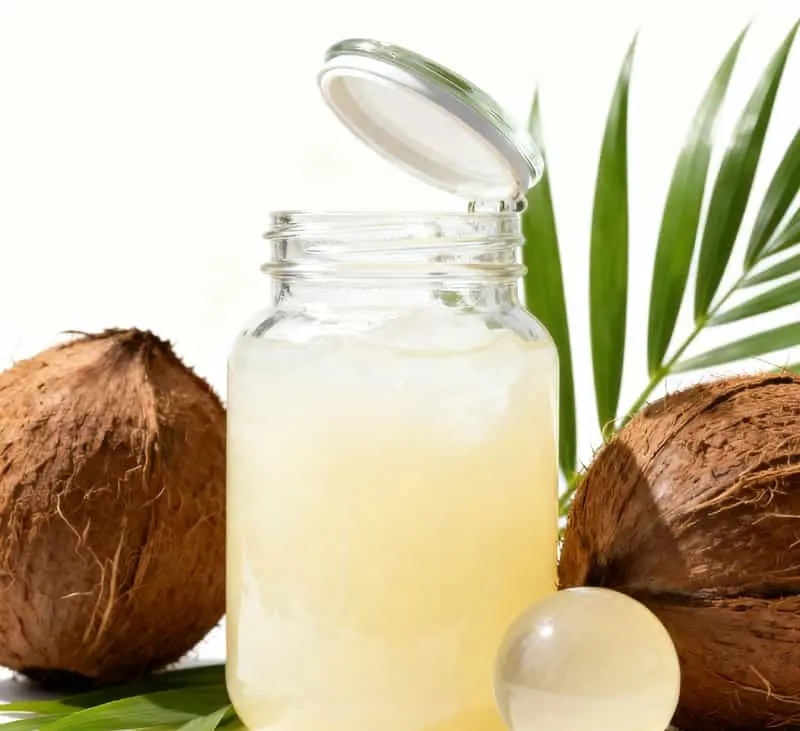
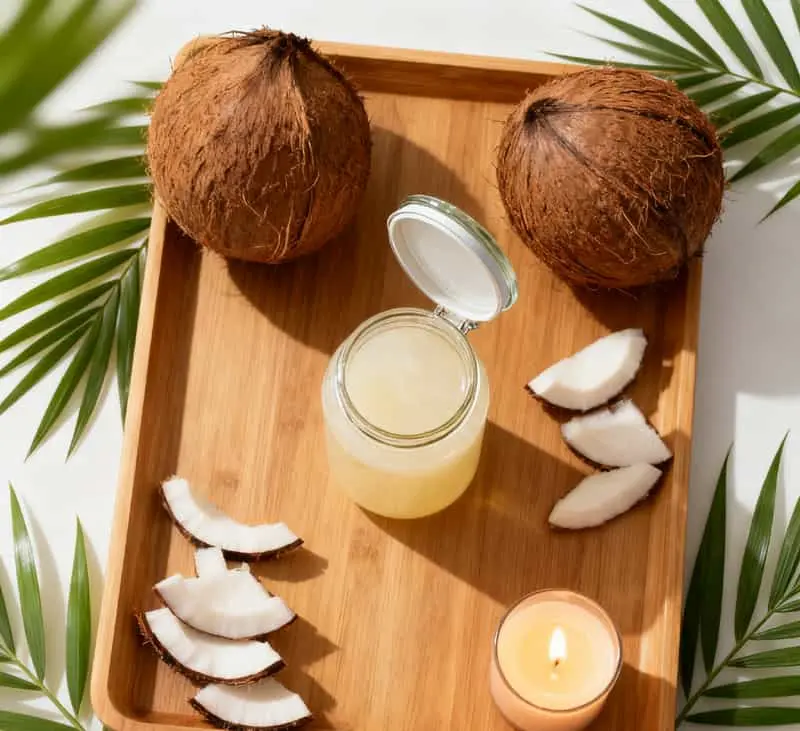
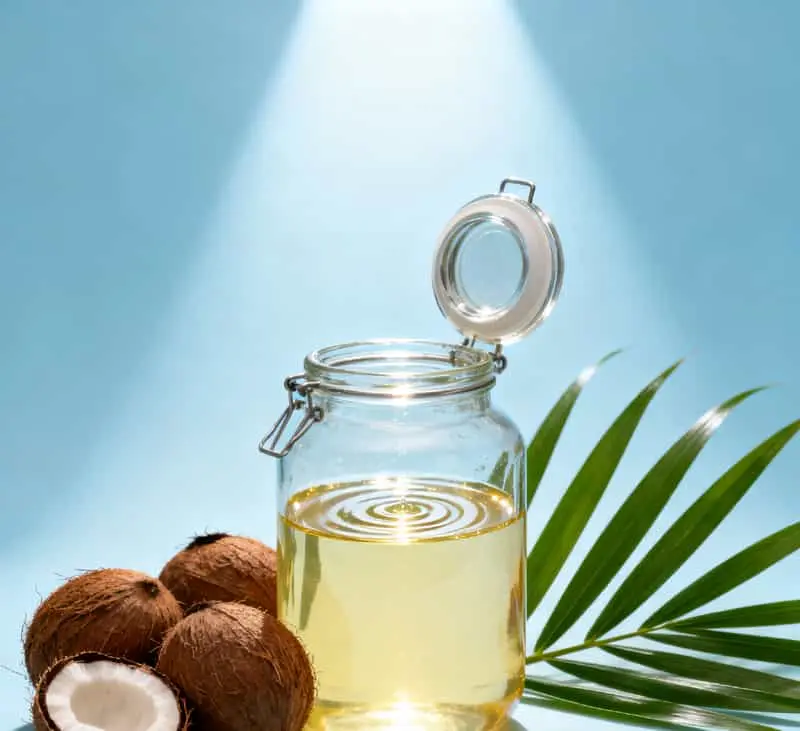
Coconut OilIt is a natural oil extracted from coconut meat and has become one of the world's "superfoods" in recent years, but it has also been accompanied by a lot of controversy.
Coconut OilCoconut oil is extracted from mature coconuts.CoconutIn the pulpcooking oilIn tropical regions, people obtain it from their diet.Fatmain source]Coconut oil has a variety of uses in food manufacturing, pharmaceuticals, and industry. It is very heat-stable, making it suitable for high-temperature cooking, such as...Deep-friedUsed in cooking. Due to its heat stability, coconut oil is slow to oxidize and resistant to rancidity.Saturated fatty acidsHigh content can preserve the product for up to two years.
Table of contents
Composition analysis and type differentiation of coconut oil
- sourceThe white flesh of the coconut (coconut).
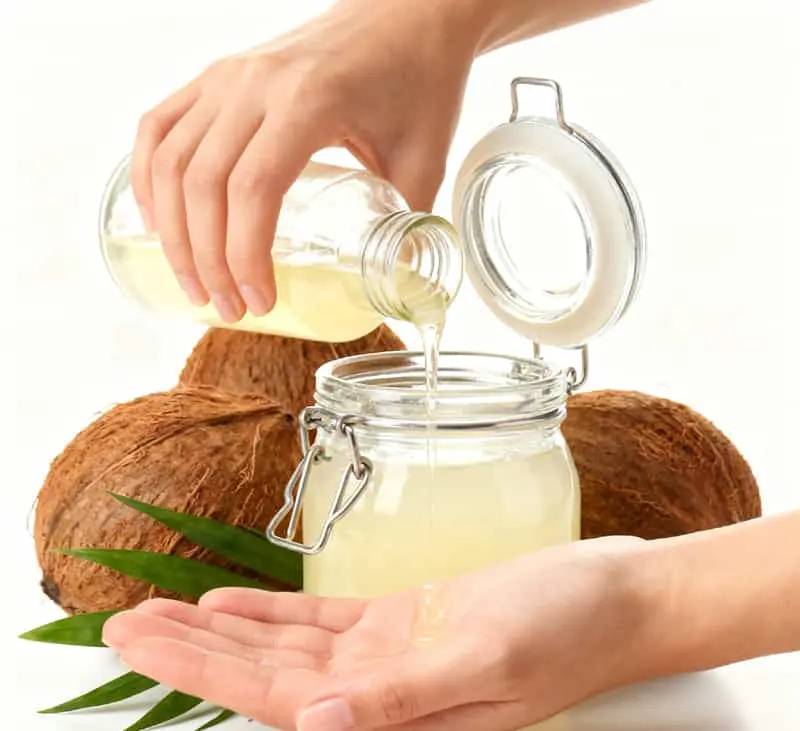
- formIt is a white solid at room temperature (below 25°C) and melts into a clear liquid in warm environments.
- Main ingredientsThe unique feature of coconut oil is its...High saturated fat content(Approximately 901 TP3T), but this mainly consists of...medium-chain triglycerides.
Key ingredient: Medium-chain fatty acids
Unlike long-chain fatty acids found in most foods, coconut oil is rich in medium-chain fatty acids, primarily:
- Lauric acidApproximately 501 TP3T is converted into [a specific substance] in the body.Glyceryl monolaurateIt has strong antibacterial and antiviral properties.
- Decanoic acidandbitterIt also has certain antibacterial properties and can be rapidly converted into energy by the liver.
These MCTs form the core of both the health benefits and controversies surrounding coconut oil.
Fatty acid composition (precise data)
| fatty acid | Proportion | carbon chain | characteristic |
|---|---|---|---|
| Lauric acid (C12:0) | 45-53% | Mid-chain | Antibacterial and antiviral |
| Myristic acid (C14:0) | 16-21% | Mid-chain | Improve LDL |
| Palmitic acid (C16:0) | 7-10% | Long chain | Energy source |
| Oleic acid (C18:1) | 5-10% | Monounsaturated | High stability |
| Linoleic acid (C18:2) | 1-2.5% | Multiunsaturated | Easily oxidized |
NoteData source: USDA FoodData Central, 2024
Extra Virgin vs. Refined vs. Hydrogenated
| type | Extraction method | Smoke Point | Flavor | Nutritional retention |
|---|---|---|---|---|
| Virgin oil | Cold pressing (<50°C) | 177°C | Rich coconut aroma | ★★★★★ |
| Refined (RBD) | High temperature + bleaching + deodorization | 204°C | Tasteless | ★★ |
| Fractionated | Remove long-chain fatty acids | liquid | Tasteless | MCT only |
| Hydrogenation | Hydrogenation | solid state | Tasteless | Contains trans fats (banned). |
physical properties
- Melting point: 24°C (solid at room temperature)
- Oxidative stabilityHigh in saturated fat, with an oxidation value (PV) <1 meq/kg (better than olive oil).
- iodine value7-10 g/100g (extremely low, good for storage)
The Two-Sided Sword of Nutritional Science: Health Benefits vs. Risks
Supporters: Metabolic advantages of medium-chain triglycerides (MCTs)
- Fast EnergyMCT bypasses the lymphatic system and travels directly to the liver via the portal vein, where it is converted into ketone bodies.
- Weight loss research(Systematic Review, 2023):
- Replace long-chain fats and lose weight in 12 weeks.0.7kg(Obesity Reviews)
- Increases satiety (Ghrelin↓ 15%)
Opposition: The American Heart Association (AHA) position
- 2017 Report: Coconut oil saturated fat 92%,Not recommendedUsed for cardiovascular health.
- Increase LDL-C: 2 scoops (28g) daily → LDL↑ 10-15 mg/dL
Compromise perspective: Dosage and genes
| ethnic groups | Recommended intake |
|---|---|
| general adults | <1 spoonful/day (14g) |
| Ketosis dieters | 2-3 teaspoons (when paired with low-carb) |
| APOE4 gene carriers | Caution (may accelerate Alzheimer's disease) |
Health benefits (based on existing research)
- Provides energy quicklyMCTs can be rapidly metabolized by the liver and converted into ketone bodies, providing the brain and body with a fast, clean energy source that is not easily stored as fat.
- May help with weight managementSome studies suggest that MCTs can increase satiety and slightly boost metabolic rate, potentially helping to reduce overall calorie intake.
- Antibacterial and antiviral effectsLauric acid and glyceryl monolaurate can effectively combat a variety of pathogens (such as bacteria, viruses, and fungi) and help support the immune system.
- Skin care and hair care:
- skincareIt is an excellent natural moisturizer that can be used to relieve dry skin. Its antibacterial properties are also effective against acne (pimples) (but may be too oily for oily skin).
- hair careIt can be used as a deep conditioner to repair damaged hair and reduce protein loss.
- Increase "good" cholesterolAlthough it can raise "bad" cholesterol, some studies show that coconut oil can also raise "good" cholesterol, which may have a positive effect on blood lipid balance.
Controversy and potential risks
The biggest controversy surrounding coconut oil lies in its...High saturated fatcontent.
- Cardiovascular health controversy:
- Traditional viewSaturated fats can raise LDL cholesterol, a risk factor for heart disease. Therefore, organizations such as the American Heart Association recommend limiting saturated fat intake, including coconut oil.
- Modern PerspectiveSupporters argue that the MCTs in coconut oil have a different effect on cholesterol than animal-based saturated fats, potentially increasing "good" cholesterol and creating a more favorable cholesterol ratio. However, current scientific evidence is inconsistent, and more long-term research is needed.
- Extremely high in caloriesCoconut oil is still pure fat and is high in calories (about 120 calories per tablespoon). Excessive consumption can still lead to weight gain.
- It's not a "panacea".Despite being touted for its numerous health benefits, it cannot replace a balanced diet and a healthy lifestyle. Over-reliance on it as a "superfood" is not advisable.
Key conclusionsFor most people,Eat in moderationCoconut oil is safe as part of a balanced diet. However, it should not be used to completely replace other healthier sources of fat, such as olive oil, nuts, and avocado.
The history and culture of coconut oil
coconut(Cocos nuciferaKnown as the "Tree of Life" by South Pacific islanders, coconut oil is its essence. Archaeological evidence shows:
| Era | event |
|---|---|
| 3000 BC | Indigenous people of the Malay Archipelago in Southeast Asia use coconut oil to coat their wooden boats for preservation. |
| 1500 BC | The Indian Ayurvedic classic, Charaka Samhita, records that coconut oil can cure skin diseases. |
| 5th century AD | The Sinhalese people of Sri Lanka use coconut oil for lighting, cooking, and massage. |
| 1521 | Magellan's circumnavigation records how Filipino indigenous people preserve dried fish with coconut oil. |
| 19th century | British colonists exported coconut oil to Europe, where it was made into "coconut oil soap". |
| 1910 | P&G Foods in the United States launched Crisco® hydrogenated coconut oil, ushering in the era of "margarine". |
Cultural symbol:
- Hinduism: In wedding ceremonies, the bride applies coconut oil to her hair, symbolizing "purity and abundance".
- Hawaii: Hula dancers massage with coconut oil to prevent dry, cracked skin.
- In the Philippines, coconut oil is called "lana" (sacred oil) and is used in exorcism rituals.
Colonialism and Globalization:
- In the 1870s, France built its first mechanized oil press in Tahiti.
- During World War II, coconut oil was in short supply, and the United States developed "margarine" as an alternative, which inadvertently triggered a trans fat crisis.
Common uses
In the kitchen:
Smoke Point Reference Table
| oil products | Smoke Point | Suitable for cooking |
|---|---|---|
| Virgin coconut oil | 177°C | Stir-frying and baking over medium heat |
| Refined coconut oil | 204°C | High-temperature frying |
| Olive oil (EVOO) | 190°C | Low-temperature cooking |
| butter | 252°C | ultra high temperature |
Classic recipes (3 examples)
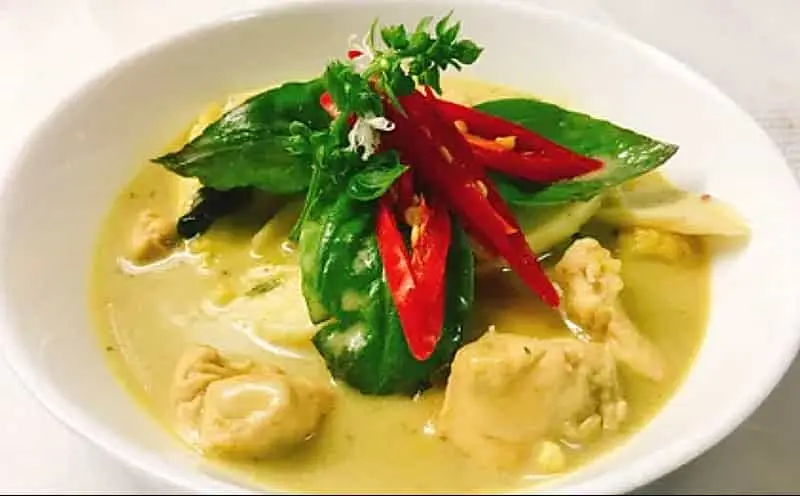
Thai Green Curry Coconut Milk Chicken
- 500g chicken breast - 2 tablespoons virgin coconut oil - 50g green curry paste - 400ml coconut milk - fish sauce, kaffir lime leaves, basilstepSauté curry sauce in coconut oil until fragrant → Add chicken to seal in color → Simmer in coconut milk for 20 minutes
Coconut Madeleine (Gluten-Free)
- 100g coconut oil (melted) - 80g coconut sugar - 120g almond flour - 2 eggsSkillA 1:1 ratio of coconut oil to butter results in a more crumbly texture.

Indian coconut oil stewed lentils
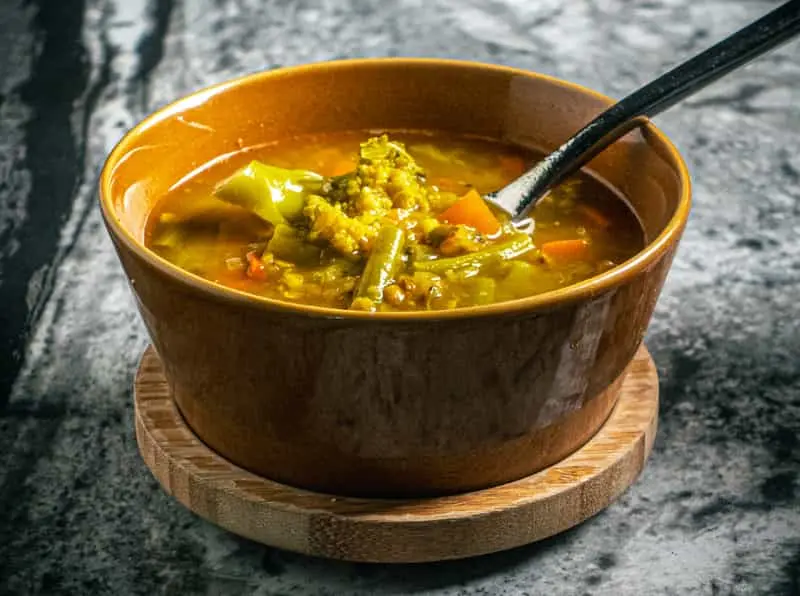
- Sauté turmeric and cumin in refined coconut oil, then stew with red lentils for a rich flavor.
Virgin coconut oil has a rich coconut aroma and is perfect for making Southeast Asian dishes, desserts, smoothies, and coffee (bulletproof coffee).
In the bathroom and on the dressing table:
- Cleansing oilIt can effectively dissolve makeup.
- Body lotion/conditionerAs a natural moisturizing and hair care product.
- Oil rinseOil is a traditional oral hygiene practice that involves rinsing your mouth with oil, which is claimed to improve oral health.
- Baby diaper rash creamIt is gentle and can be used to relieve diaper rash.
- Hair care mechanism:Coconut oil is the only one that canReduce protein lossoils

How to choose coconut oil
- Virgin coconut oil:
- Processing methodExtracted from fresh coconut meat through cold pressing, without chemical refining.
- FeaturesIt retains the natural coconut aroma, flavor, and more nutrients (such as vitamin E and polyphenols).
- ApplicableRaw food, low-temperature cooking, skin and hair care.Recommended for daily use.
- Refined coconut oil:
- Processing methodIt uses dried coconut and undergoes chemical treatments such as deodorization and bleaching, resulting in a higher smoke point.
- FeaturesIt is tasteless and colorless, and some of its nutrients have been lost.
- ApplicableDishes that require high-temperature cooking and for which you do not want a coconut flavor.
- Fractionated coconut oil:
- Processing methodMost of the long-chain fatty acids have been removed, leaving only the medium-chain fatty acids.
- FeaturesIt always remains in a liquid state, has a refreshing texture, and is not easily oxidized.
- ApplicableIt is mainly used as a base oil in skincare products and massage oils, and can also be consumed.
Coconut oil is a natural oil extracted from coconut meat. In recent years, it has become one of the world's "superfoods," but it has also been accompanied by a lot of controversy.
Risks and Contraindications: Who should not consume coconut oil?
- High LDL patients
- Acute phase of cholecystitis
- People with coconut allergies (rare)
- Those with a daily calorie intake >2500kcal
Coconut oil summary
Coconut oil is a versatile natural product with unique health potential, but it is not without its drawbacks. A wise approach is to:
- View rationallyWe neither mythologize it nor demonize it.
- Use in appropriate amountsIt serves as a diverse source of fat in the diet.
- Select as neededChoose the appropriate type based on your cooking or serving needs (preferably the first choice).Virgin coconut oil).
Before incorporating coconut oil into your diet or health plan, it is best to consult a doctor or registered dietitian if you have specific health conditions (such as high cholesterol or a history of heart disease).
Further reading:
-300x225.webp)