


What exactly is "kneeling side-lying shoulder and back traction" in Thai massage?
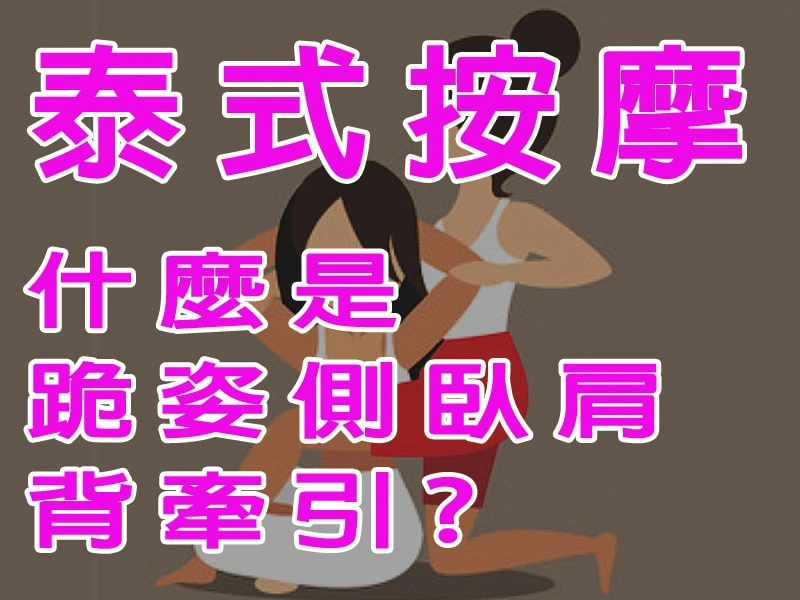
Thai MassageinsideKneeling side-lying shoulder and back tractionThe movement is also often seen as targeting the body's lateral chain (Lateral LineThis pose involves deep passive stretching.Shoulder joint tractionandLateral flexion of the spineFor relaxationshoulder bladeIt is very effective on the deep fascia of the surrounding area and lateral waist.
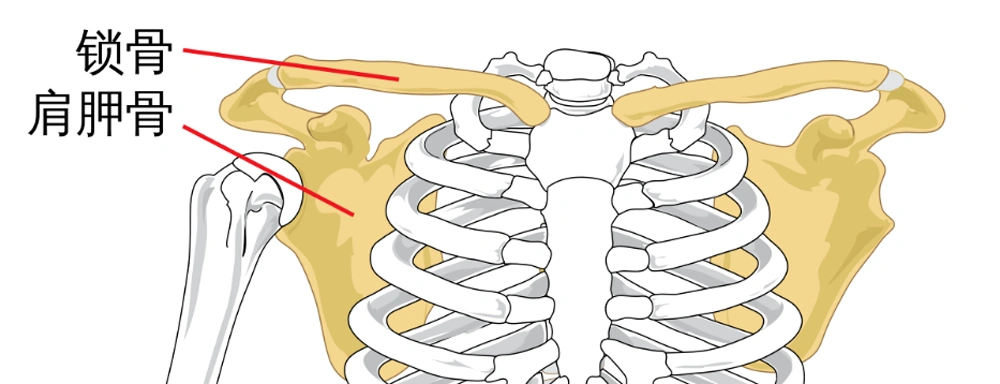
Table of contents
Action characteristics
- Subject postureLie on your side on a mat with your lower arm extended or bent under your head, keeping the position stable.
- Massage Therapist Operation:
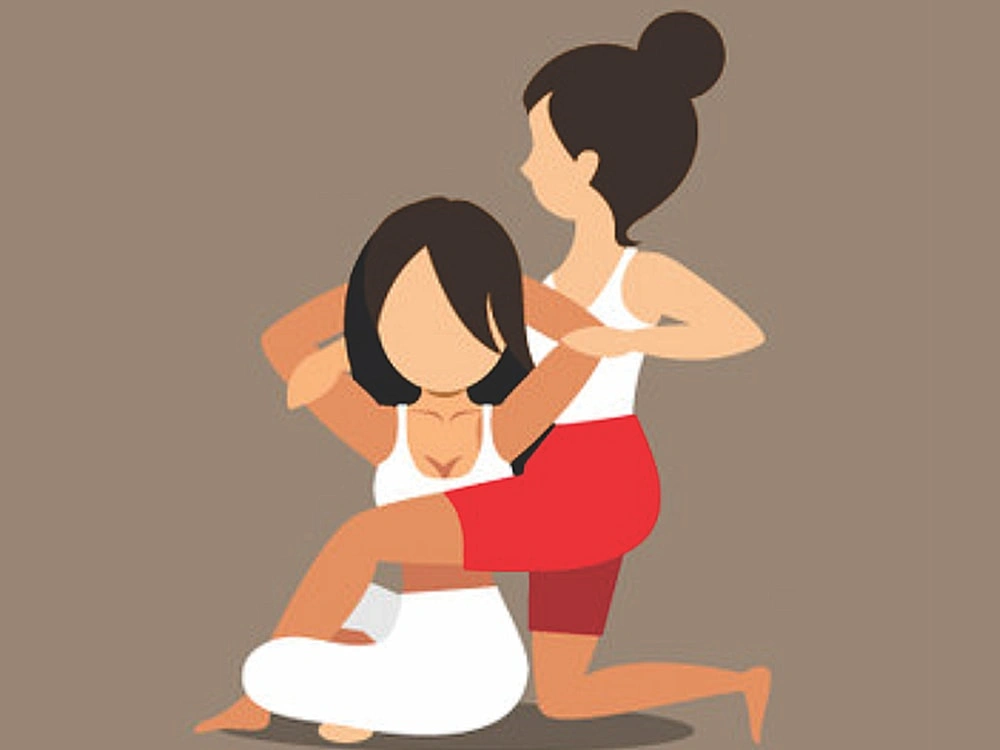
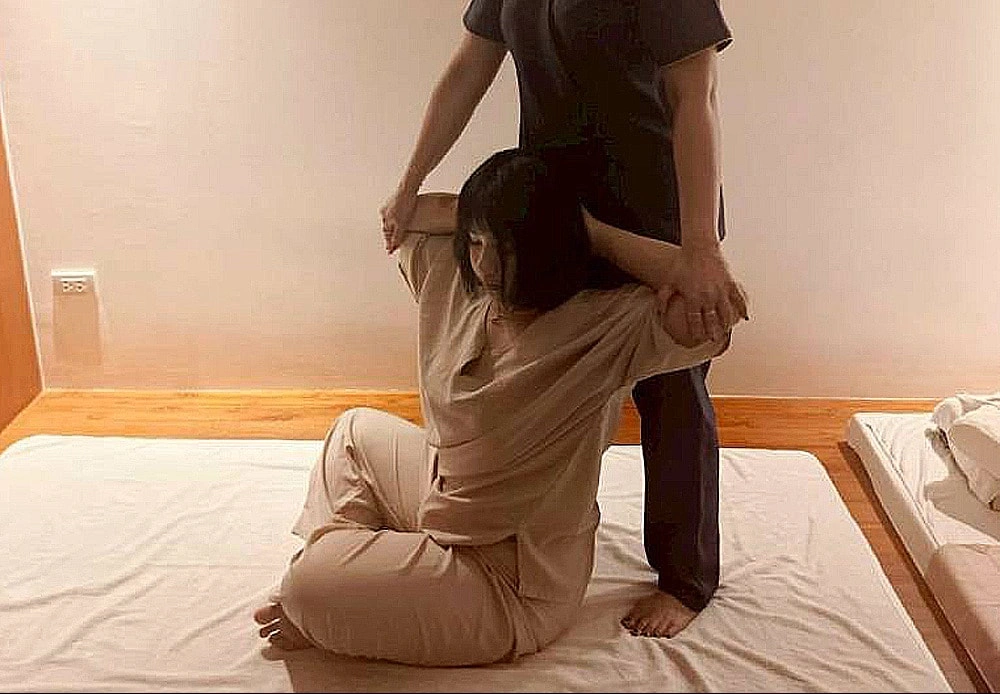
- Massage therapists takekneeling position(Or kneel) Position yourself behind the patient. Hold the patient's upper arm (near the wrist or elbow) with one hand, and gently pull the arm down.Towards the rear and above the headGently pull.
- At the same time, the massage therapist can gently press down on the patient's hip/outer thigh with their other hand or one side of their body (the thigh is not fully shown in the picture, but the lower limbs are usually stabilized) to prevent pelvic tilt.
Main functions and benefits
- Stretch the oblique muscles: Targeted stretchingquadratus lumborum,Internal/external oblique musclesIt helps to relieve tension in the sides of the waist.
- Relax your shoulders, back, and chest.This posture will stretch at the same time.latissimus dorsi,pectoralis minor,Serratus anteriorAnd the superficial and deep fascia around the scapula.
- Improve shoulder joint range of motionBy passively allowing the shoulder joint to perform "flexion and abduction" movements, combined with contralateral stability, the scapular gliding ability can be increased.
- Relieve stiffness on the sides of the chestFor people who frequently sleep on their side or only breathe on one side, this exercise can effectively improve the expansion capacity of both sides of the chest.
Operating Precautions
- Pelvis cannot be rotatedWhen pulling the arm downwards, the patient'sThe pelvis must be firmly pressed against the cushion.If the pelvis rotates upward along with the pulling force of the arms, the stretching effect will become a simple rotation, and the stretching effect on scoliosis and lumbar spine will be lost.
- Feel the traction pointsDuring traction, the patient should be able to clearly feel the traction.The armpit extends along the side of the body all the way to above the hip bone.A pulling sensation. If you feel a strong, deep squeezing pain in your shoulder joint, you need to adjust the angle.
- Back/Neck ProtectionIf the patient has a severe herniated disc or neck problems, excessive neck rotation should be avoided.
Further reading:
-copy-300x225.webp)