





What is male semen?

Table of contents
What is "semen"?
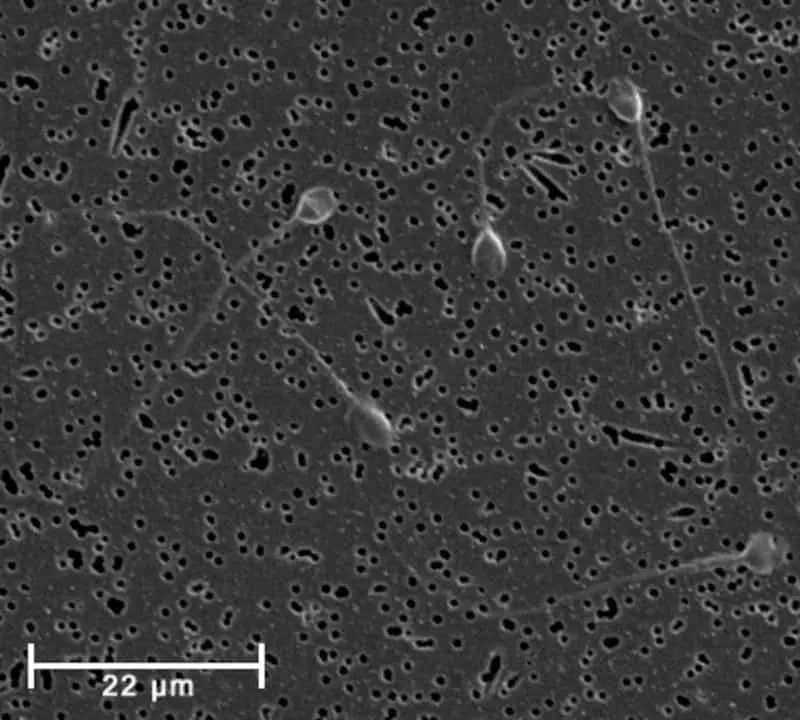
semenSemen is a milky white or pale gray fluid expelled from the urethra during ejaculation in male mammals. Its main components are... Sperm (spermatozoa, approximately 5 %) and Seminal plasma (approximately 95 %).
- sperm: Responsible for carrying paternal genetic material and combining with the egg.
- seminal plasmaIt comes from accessory glands (prostate, seminal vesicles, bulbourethral glands, etc.), providing nutrition, buffering vaginal acidity, and promoting sperm motility.
WHO definition: Normal ejaculation volume is 1.5–6 mL, sperm concentration is ≥15×10⁶ sperm/mL, and total sperm count is ≥39×10⁶ sperm.
Timeline of Semen Source and Production
| stage | Anatomical location | Time required | effect |
|---|---|---|---|
| 1. Spermatogenesis | testicular seminiferous tubules | 64–72 days | Spermatogonia → Mature Sperm |
| 2. Maturation and Storage | epididymis | 2–10 days | Gain the ability to move and fertilize |
| 3. Pre-ejaculation mixture | bulbourethral gland → prostate → seminal vesicle | seconds | Secreted fluid sequentially, occupying 90% of the volume % |
| 4. Ejaculation | urinary tract | seconds | Total discharge: 2–5 mL |
Accessory gland secretion ratio
- Seminal vesicle fluid 60–70 %: fructose, prostaglandins
- Prostatic fluid 25–30 %: acid phosphatase, zinc, liquefying enzyme
- Bulbourethral gland fluid 3–5 %: lubricates and neutralizes residual acidity in urine.

Ingredient Analysis
Macronutrients and micronutrients (per 100 mL)
| Element | concentration | Physiological functions |
|---|---|---|
| water | 90–93 g | Solvents, transport media |
| fructose | 1.2–4.5 g | Sperm energy source |
| protein | 3–5 g | Includes enzymes and immune factors |
| Zinc | 100–200 mg | DNA synthesis, antioxidant |
| calcium | 25–50 mg | Signal transmission, acrosome response |
| magnesium | 10–15 mg | Enzyme cofactor |
| Potassium/Sodium | isotonic with plasma | Maintain osmotic pressure |
| Vitamin C | 3–12 mg | Antioxidant |
| prostaglandins | 0.1–0.2 mg | Promotes uterine contractions and assists in sperm transport. |
Special proteins and enzymes
- Semen coagulating enzyme(semenogelin): Forms a gel after ejaculation to prevent backflow.
- Prostate-specific antigen (PSA): Decompose the gel and complete the liquefaction (20–30 min).
- seminal plasmaminIt has antibacterial activity and can kill Staphylococcus aureus and Streptococcus.
- DNA Fragmentation Index (DFI)<15 % is considered high quality; >25 % is associated with an increased miscarriage rate.

Cleanliness and Safety: Is it "clean"?
Normal physiological condition
- pH 7.2–8.0It is weakly alkaline and can neutralize vaginal acidity.
- AsepticSemen cultures from healthy men are typically sterile and contain antimicrobial peptides.
- odorThe "chestnut blossom flavor" comes from the oxidation of spermine and is normal.
Possible pathogens
| Pathogens | Transmission routes | Remark |
|---|---|---|
| HIV | Sexual contact, mother and child | Those with high viral loads are more infectious. |
| HBV, HCV | blood or semen | Vaccines can prevent HBV |
| Neisseria gonorrhoeae, Chlamydia | sexual contact | It can lead to epididymitis and pelvic inflammatory disease. |
| HPV | skin and mucous membranes | Related to cervical cancer |
in conclusionIf both partners are monogamous and have regular check-ups, the semen is considered "clean"; if there is high-risk behavior, it is recommended to use condoms.

Time period and charts: Changes in quantity, quality, and concentration
Ejaculation frequency and semen volume
| Number of days of abstinence | Average volume (mL) | Total sperm count (×10⁶) | Activity A+B (%) |
|---|---|---|---|
| 1 day | 2.1 ± 0.5 | 70 ± 30 | 33 ± 12 |
| 2–3 days | 3.2 ± 0.4 | 150 ± 40 | 45 ± 10 |
| 7 days | 4.1 ± 0.3 | 200 ± 35 | 38 ± 9 |
| 14 days | 4.3 ± 0.2 | 190 ± 30 | 30 ± 8 |
Source: WHO 2021 Epidemiological Report on Male Fertility.
Number of days of abstinence vs. total sperm count & motility
Total sperm count (×10⁶) 220 | ● 180 | ● 140 | ● 100 | ● 60 | ● 20 +-------------------------------- 1d 2–3d 5d 7d 14dActivity Level A+B (%) 50 | ● 40 | ● ● 30 | ● ● 20 +-------------------------------- 1d 2–3d 5d 7d 14dInterpretation:
- The optimal window for examination/conception is Abstinence for 2–7 days.
- Too short: Low total sperm count.
- Excessive duration: decreased activity and increased DNA fragmentation rate.
Age and Semen Quality
| age group | Sperm concentration (×10⁶/mL) | Normal morphology rate (%) | High DNA fragmentation rate (%) |
|---|---|---|---|
| 20–29 years old | 75 ± 25 | 7.5 ± 2.5 | 10 |
| 30–39 years old | 60 ± 20 | 6 ± 2 | 18 |
| 40–49 years old | 45 ± 18 | 4 ± 1.5 | 30 |
| ≥50 years old | 30 ± 15 | 3 ± 1 | 45 |

Potential benefits and risks
Potential benefits to the partner (assuming both partners are healthy and free from infection)
| mechanism | Research Results | literature |
|---|---|---|
| Emotions and Stress | Semen contains prostaglandins and oxytocin inducers, which may promote emotional stability in the partner. | Levin 2021 |
| Immune tolerance | Regular contact with a partner's semen may reduce the risk of preeclampsia (epidemiological studies). | Robertson 2020 |
| Skin contact | It contains zinc, magnesium, and protein, and can provide temporary hydration, but there is insufficient cosmetic evidence to support this claim. |
Note: Most of the above studies are small-sample epidemiological observations and have not yet been incorporated into clinical guidelines.
Risk Summary
- Risk of infectionUnprotected oral or vaginal sex can transmit sexually transmitted diseases.
- allergyExtremely rare, seminal protein allergy (human semen allergy, HSP), with an incidence of <0.1 %.
- Psychological and cultural factorsSome people have taboos about bodily fluids, and personal boundaries should be respected.

Appendix A: How to Interpret a Semen Analysis Report (Simplified Form)
| project | WHO lower reference limit | Your value | Interpretation |
|---|---|---|---|
| volume | 1.5 mL | 3.2 mL | normal |
| Sperm concentration | 15×10⁶/mL | 22×10⁶/mL | normal |
| Total sperm count | 39×10⁶ | 70×10⁶ | normal |
| Total activity level (A+B+C) | 40 % | 58 % | normal |
| Normal form (strict Kruger) | 4 % | 5 % | normal |
| leukocyte | <1×10⁶/mL | 0.2×10⁶/mL | normal |

Appendix B: Frequently Asked Questions (Q&A)
Is it safe to swallow semen?
If the partner is confirmed to be free of sexually transmitted diseases, stomach acid can destroy most pathogens, but has no significant nutritional value.
Can semen whiten skin?
There is a lack of clinical evidence; the short-term moisturizing effect of zinc and protein is limited and is not recommended as a replacement for regular skin care products.
Does the taste of semen change?
Yes. Smoking, excessive drinking, and consuming large amounts of meat may make the taste more bitter; while a diet rich in fruits and vegetables and plenty of water may make it milder.

Semen is a bodily fluid that serves both reproductive and some biological functions. Provided it is free of pathogens and is agreed upon by both partners, it can be considered "clean." Its composition and quality are influenced by factors such as the number of days of abstinence, age, and lifestyle habits. For those considering fertility or safety, regular semen analysis and appropriate contraceptive measures are recommended.
Further reading: