


![[有片]把與生俱來的「好色」,用以點燃事業的雄心](https://findgirl.org/storage/2025/11/有片把與生俱來的「好色」,用以點燃事業的雄心-300x225.webp)


The ultimate in playing with female genitals with wakame wine

Table of contents
wakame wine(wakamezake) is a type of...JapanofAdult GamesThis is a form of Zashiki-yū (banquet entertainment). Its operation method is as follows:femalesThe woman sits naked (or only her lower body), bends her upper body backward, and pours wine into the hollow formed by her thighs and lower abdomen, using her own body as a drinking vessel and drinking from her genitals.
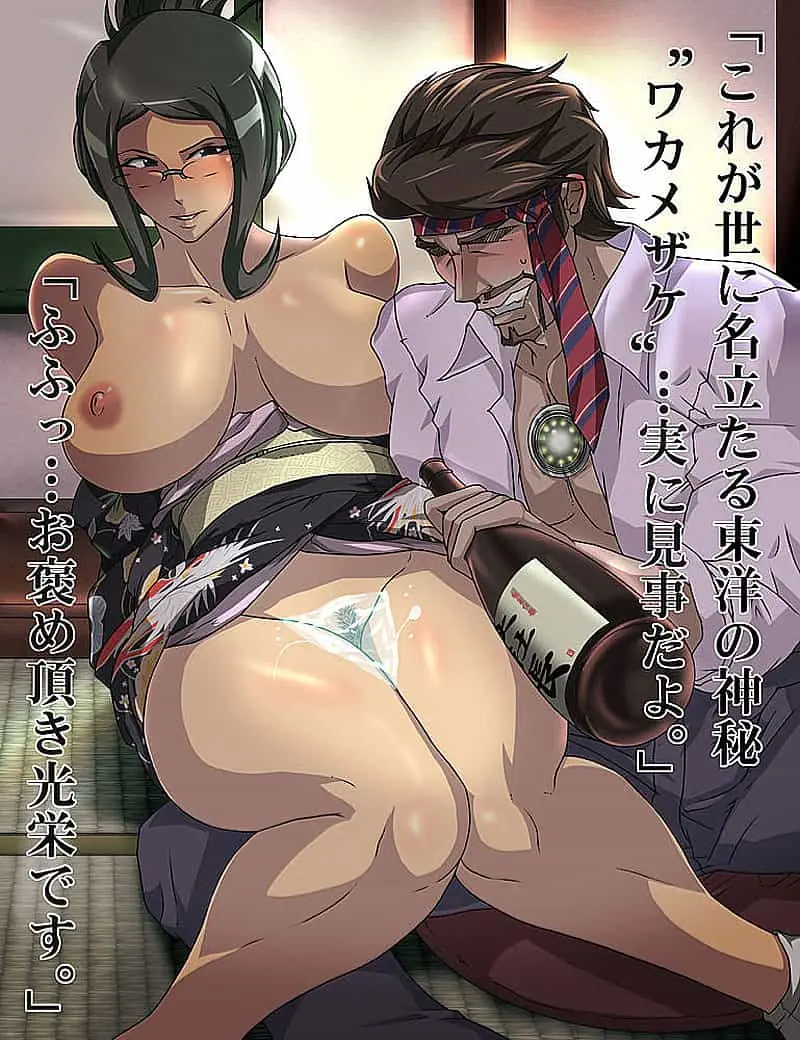
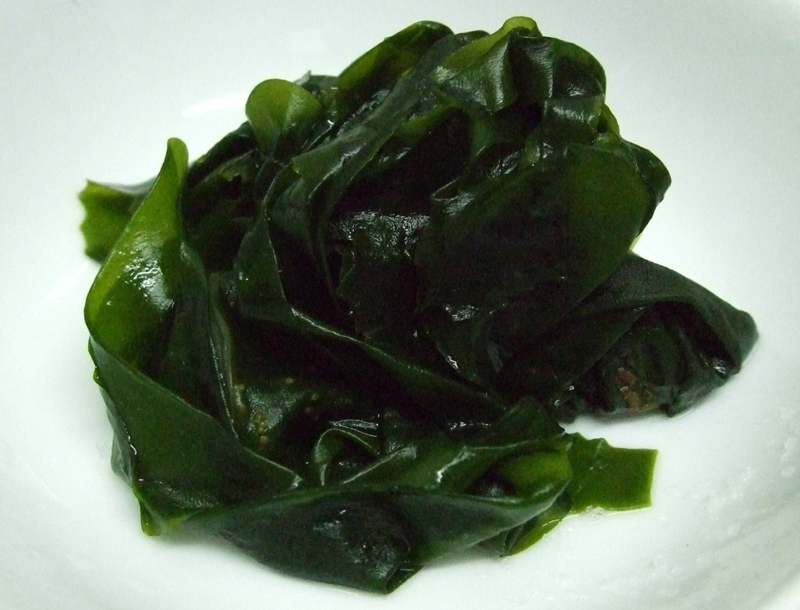
Regarding the origin of its name, according to the research of sex culture researcher Tomomi Shibuya,pubic hairThe way it swayed in the wine seemed like...wakame seaweedThe word "same" is the main etymological source of the term "wakama sake." This contrasts with the earlier misconception that it was named after "iso shokui" (which has a sea breeze smell), clarifying the misunderstanding about this practice.
Operational details and body aesthetics
Wakame wine has certain requirements regarding the physical characteristics of the women participating. Because the wine tends to leak from the gap between the thighs of slender women, it is considered...Plump womenMore suitable. This reflects the aesthetic concept of the female body in a specific historical period in Japan - not only requiring flexibility to complete the body's bending posture, but also requiring enough fullness to form a depression that can hold wine.
This practice will involve the female bodyToolingandAestheticizationThe complex combination of these elements reflects the unique attitude towards the body in traditional Japanese sexual culture. The body is not only an object of desire but also a medium for achieving artistic play; this contradictory characteristic runs through the entire historical development of wakame sake.

Historical origins and development trajectory
The Origins of the Edo Period
Wakame sake originated in JapanEdo periodThe red-light districts (or pleasure quarters) of the Edo period (1603-1868) appear in many literary works from that era. These red-light districts were unique cultural spaces in Japanese society, serving not only as venues for sex trade but also as fertile ground for various forms of art and entertainment.
During the Edo period, wakame sake was basically...Regular customers and prostitutes The one-on-one games between these women were not public activities held in tatami rooms, but rather "secret affairs." Only customers who had met with the courtesans multiple times and established a special relationship had the opportunity to experience this intimate game. This exclusivity reflects the hierarchical nature of relationship building in the red-light district at the time, and also embodies the social function of wakame sake as a symbol of special relationships.

Development in the Meiji Era
During the Meiji period (1868-1912), wakame sake continued to hold a place in Japanese entertainment culture. According to records, prominent political figures of the Meiji period...Hirobumi ItoHe enjoyed engaging in these clandestine adult games with geisha. Ito Hirobumi, as Japan's first prime minister, reflected to some extent the acceptance of this type of sexual activity among the upper class at the time.
However, wakame sake remained primarily a popular beverage during the Meiji period.privileged classThis form of entertainment did not spread widely among the general public. While the culture of drinking and playing underwent many changes during the Meiji period, kamaru (a type of slang term for drinking with kamaru) retained its relatively secretive nature as an intimate game.

The transition to the modern stage
wakame wineMid-1950sIt began to become more common. During this period, with the changes in Japanese postwar society and the gradual shift in sexual attitudes, some traditional sexual cultural practices also experienced a degree of revival and transformation.

Nevertheless, wakame sake remains a popular beverage in modern Japan.NicheThe sexual culture phenomenon primarily exists within specific adult entertainment settings. Simultaneously, with the spread of feminist thought and increased societal awareness of gender equality, practices that objectify the female body, such as the "cronyism" incident, have faced increasing criticism and scrutiny.
Table: Historical Development Stages of Wakame Wine
| period | Development characteristics | Main Participating Groups | social status |
|---|---|---|---|
| Edo period(1603-1868) | Secret Games in the Red Light District | prostitutes and regular customers | Secret intimate behavior |
| Meiji era(1868-1912) | Upper-class entertainment | Geisha and political and business celebrities | The pastimes of the privileged class |
| Postwar period(From the mid-1950s onwards) | To a certain extent popularized | The broader adult entertainment industry | Niche cultural phenomena |
| contemporary | Subject to criticism and scrutiny | extremely small groups | Controversial cultural heritage |

Wakame: A Dual Symbol of Seaweed and the Body
The etymology of wakame can be traced back to the Old Japanese word "若布" (wakame), where "若" means young or fresh, and "布" refers to fabric or algae. In Japanese cuisine, wakame is a type of brown algae, rich in nutrients, often used in soups or salads, symbolizing the abundance and health of the ocean. However, in the context of wakamezake, it has transformed into a vulgar pun: female pubic hair "floating" in sake like seaweed. This metaphor originates from Japanese slang tradition, associating body parts with natural objects, similar to the English metaphor of "bush" or "seaweed."
Linguists point out that this lexical transformation reflects the phenomenon of "ingei" in Japanese culture, where harmless words are used to cover up sensitive topics. Similar metaphors are common in Ukiyo-e and shunga (erotic prints) from the Edo period, depicting sexual acts as natural scenes to evade censorship. Zake (sake) originates from nihonshu (sake), and Japan's brewing history can be traced back to the Kofun period (approximately 3rd-7th centuries), but in wakamezake, it becomes a vehicle for desire. The combined wakamezake is not only a noun but also a verb, describing an action: the woman closes her legs to form a "cup-shaped" indentation, and the sake pours down from her chest, gathering at her private parts, which the man then drinks.
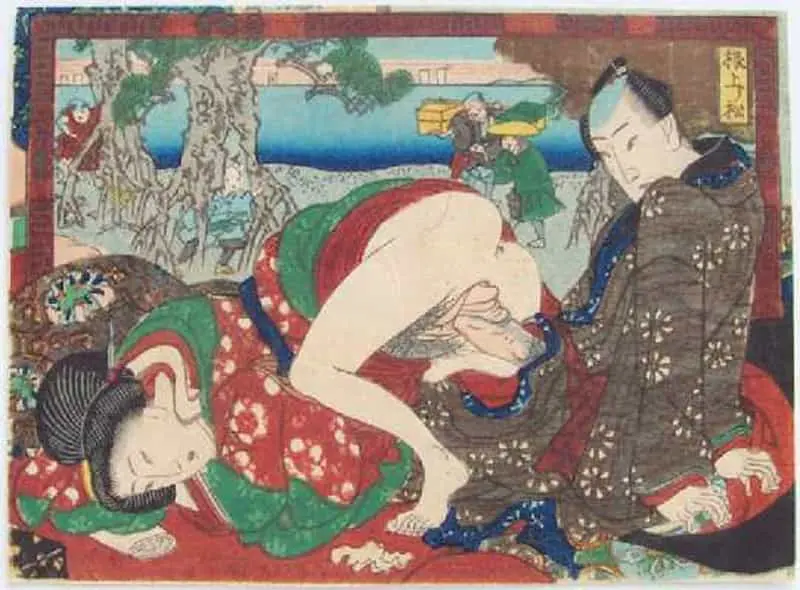
This etymological shift is not isolated. Similar words like "nyotaimori" (女体盛り) also originate from the fusion of food and body, viewing the female body as a plate. In Japanese dictionaries such as JapanDict, wakamezake is marked as vulgar slang, emphasizing its informality. From a linguistic perspective, this reflects the homophone nature of Japanese, such as the multiple pronunciations of "zake" and "sake," allowing for the avoidance of direct expression in public.

The combination of wakamezake and nyotaimori
- Mixed Ritual:exist nyotaimori During the banquet, wakamezake is used as an interactive element. For example, guests first enjoy sushi on a woman's body, and then participants (usually men) drink sake from the woman's body, creating a transition from static display to dynamic intimacy.
- Combination of vision and touchNyotaimori offers a visual feast, while wakamezake enhances tactile and gustatory stimulation. For example, sushi is placed on a woman's body, with sake flowing from her breasts to her private parts, allowing guests to eat and drink simultaneously.
- Theme partyModern high-end clubs or private parties may design "Nyotaimori + Seaweed Sake" experiences, combining sushi banquets with drinking games to cater to a specific customer group.
- Sensory extremesThe combination of visual (the arrangement of food in nyotaimori), taste (sushi and sake), and touch (the flow of sake) satisfies the needs of food lovers.
- Power DisplayBoth treat the female body as a "service object," reinforcing traditional gender roles.
- cultural symbolsSeaweed and sushi are both representative of Japanese food culture, and their combination creates a strong national characteristic.

The enduring charm of hidden traditions
While sensitive, Wakamezake is an epitome of the multifaceted nature of Japanese culture. From its etymological metaphors to historical practices and modern controversies, it reveals the intertwining of desire and society. Through a timeline, we witness its milestones, and perhaps it will be reborn in the digital age. Understanding this word is not merely about acquiring knowledge, but also about reflecting on human instincts.
Further reading: