





The dangers of gasoline sticking to the car paint when filling the car.
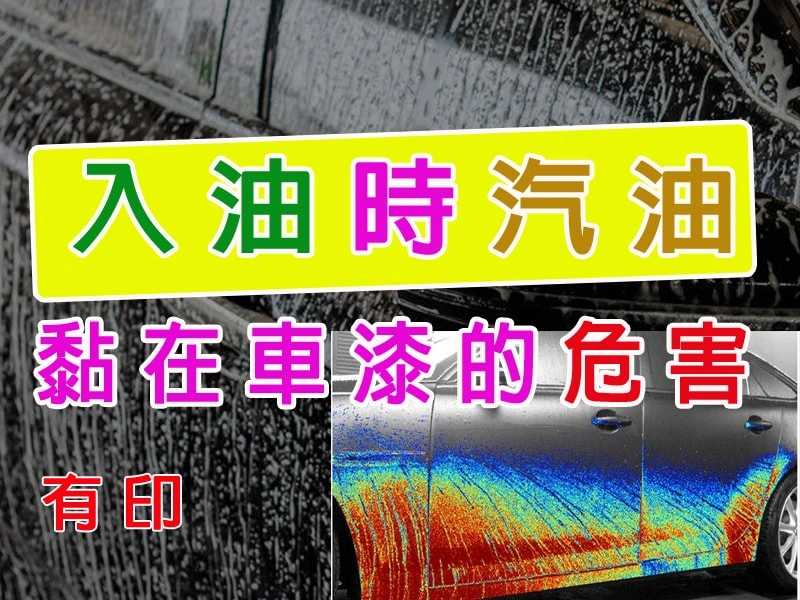
When refueling at a gas station using self-service or with a gas station attendant.gasolineAccidentally splashing gasoline onto the car body is indeed a common occurrence. Below are the specific chemical and physical damages gasoline can cause to car paint, along with risk levels for different exposure times.
The damage that gasoline causes to car paint lies primarily in..."Duration of stay"and"Paint condition".
Table of contents
The core mechanism of gasoline's damage to car paint
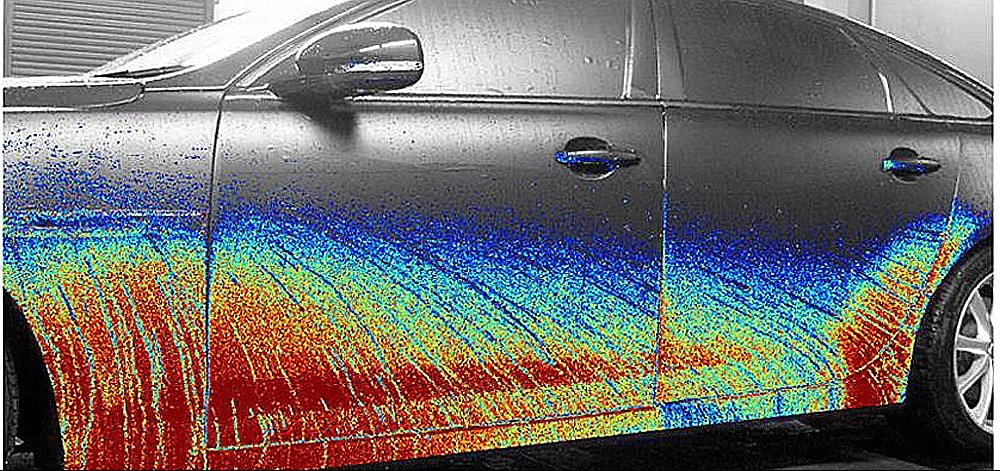
Gasoline is a powerful organic solvent that damages car paint primarily through three pathways: dissolution and penetration, corrosion and softening, and chemical fading.
| Hazard types | Mechanism of action | Time of appearance | Reversibility |
|---|---|---|---|
| varnish layer dissolves | Aromatic hydrocarbons in gasoline (such as benzene and toluene) can dissolve the outermost transparent protective layer (clear coat) of the car paint, causing it to lose its shine and become rough. | It begins immediately after contact, and results are visible in 5-10 minutes. | Irreversible, requires recoating with clear varnish. |
| Paint film softening and swelling | Solvents penetrate the paint layer, causing the paint film to expand and soften. After the internal stress becomes unbalanced, fine cracks (crazing) are produced. | 15-30 minutes | Partially reversible (minor cases can be covered with wax, severe cases require respraying). |
| Chemical fading | Gasoline reacts chemically with pigments or resins in paint, causing localized color fading, whitening, or the formation of color spots. | 30 minutes to several hours | Irreversible, cannot be polished and repaired. |
| Edges curling | Gasoline buildup in paint seams, corners, or damaged areas can penetrate to the underlying layers, causing the paint film to peel and flake off from the edges. | Hours to days | Irreversible, requires extensive respraying |
Actual damage at different exposure times
Process immediately (within 1 minute)After blotting with a soft cloth and rinsing, there is almost no permanent damage. It may leave only very faint water stains, which can be removed by waxing.
Short-term exposure (5-15 minutes)The varnish layer begins to dissolve, and the surface shows...Foggy, rainbow-like, or whitishIt is still possible to see through at this time.polishingRemove the damaged surface varnish.
Moderate exposure time (30 minutes to 2 hours)The varnish is visibly damaged (losing its mirror-like finish), and the color coat may also be beginning to swell and soften. Polishing at this point has limited effect and usually requires...Repaint the affected area with clear varnish.
Prolonged exposure (more than 4 hours or under direct sunlight)The paint surface may show signs of wear.Cracks, blistering, obvious fading, or peeling at the edgesAt this point, it is necessaryThe entire area was repainted (including primer, color coat, and clear coat).It cannot be repaired locally.
Key factors affecting the degree of damage
gasoline components:
Unleaded gasoline (containing more aromatics) is more corrosive than diesel. Racing fuel or high-octane additives are even more harmful.
Paint condition:
- The original paint on a new car (baked at high temperatures) has better resistance.
- Repainted surfaces (especially low-temperature baked paint or cheap baked paint) are highly susceptible to corrosion by gasoline.
- For paint surfaces that already have stone chips, scratches, or sun damage, gasoline will quickly seep into the underlying layer through the wounds.
Ambient temperature:
At high temperatures (such as when a car is exposed to direct sunlight in summer), gasoline evaporates slowly but penetrates twice as fast, causing damage to deteriorate rapidly within 10 minutes.
Special case: What are the "traces" left after gasoline evaporates?
Even after gasoline has completely evaporated, a ring of residue may still remain. This is not gasoline residue, but rather:
- Uneven surface resulting from varnish dissolutionUneven light reflection creates a visual effect similar to oil stains.
- Plasticizer precipitationGasoline dissolves some of the plasticizers in the car paint, which then dry and form a hazy film on the surface.
SolutionFirst useNeutral car wash liquidClean the area; if the marks remain, it means the varnish has been damaged and needs to be cleaned.Polish with fine abrasive wax(Manual or electric). If the shine cannot be restored after polishing, it means that a new coat of clear varnish is needed.
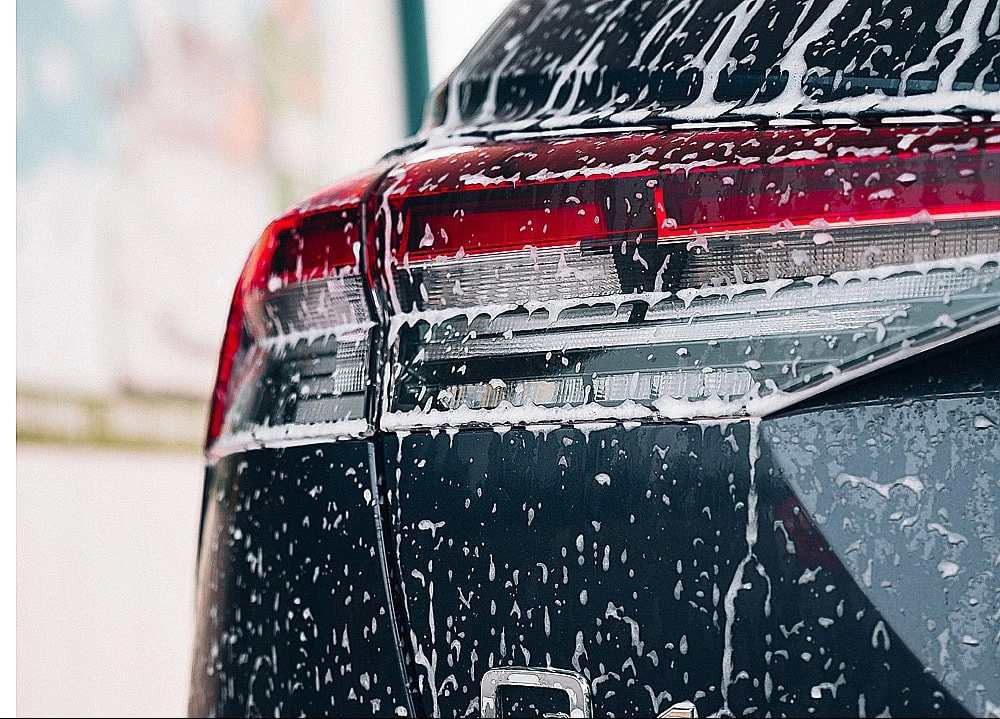
Emergency Treatment in the Golden 30 Minutes: Standard 4 Steps
If handled promptly (within the golden 30 minutes), gasoline usually does not cause significant damage to the car paint.The core principle is "adsorb first, then rinse"..
1.Adsorption (within 30 seconds)
- operateUse a clean, soft cloth or kitchen paper towel.Gently press to absorb dryOil stains.
- key:Do not wipe back and forth.! Change the cloth or paper towel to a clean side each time you apply the oil to avoid spreading the gasoline or allowing tiny sand particles to scratch the gold coating.
- Why is rinsing first not recommended?
Gasoline is insoluble in water. If immediately flushed with high pressure or plenty of water...Gasoline will spread with water flowThis can expand the area of damage; in addition, the strong water flow may also "push" gasoline into the gaps in the sheet metal or the edges of the headlights, making it even more difficult to remove.
2. Rinse (within 3 minutes)
- operateAfter absorbing most of the gasoline, useLow-pressure clean waterRinse the affected area continuously for 5-10 minutes to quickly dilute and remove any remaining trace amounts of oil film.
3. Clean (within 10 minutes)
- operate:useNeutral car wash liquidGently scrub the area with a soft sponge, then rinse thoroughly with clean water and dry with a cloth.
4. Inspection and maintenance
- operateAfter drying, inspect the paint surface. If the gloss is slightly damaged, you can perform a light polish and waxing to repair it; if there are no abnormalities, maintaining regular waxing (it is recommended to do it every 3-6 months) will improve the paint's protective properties.
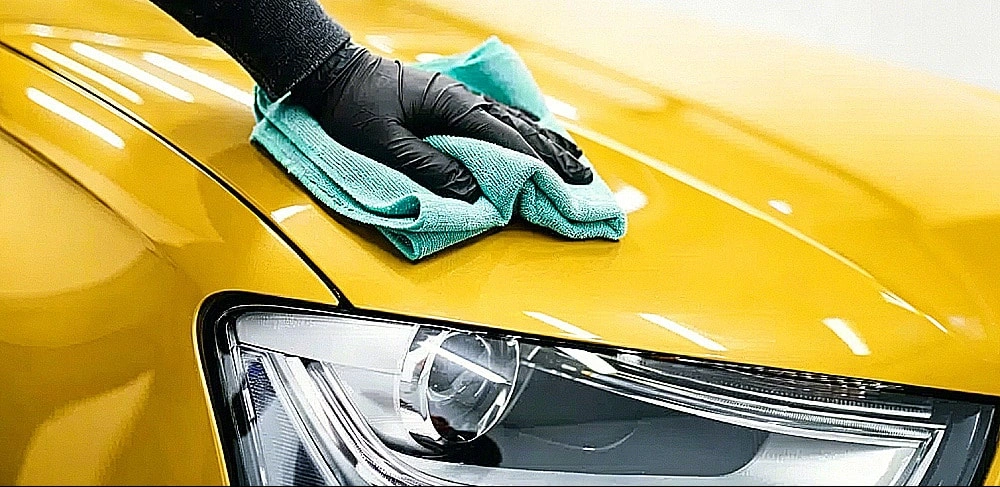
Summary of key points
- Gasoline causes irreversible chemical dissolution damage to car paint.It's not just dirt and grime.
- The key is the length of stay.Processing within 1 minute is usually fine; however, processing after 15 minutes may leave permanent marks.
- High temperature, old paint, damaged paintThese are the three major high-risk factors, requiring extra caution.
Recommended practicesIf you accidentally spill water while refueling, immediately blot it dry with paper towels from the gas station (do not wipe), then rinse with clean water and clean with a neutral car wash detergent as soon as possible. After returning home, check the area; if there is any haze or rainbow-like pattern, polish it as soon as possible.
Gasoline containsHydrocarbon organic solventsIf these substances remain on the car paint surface for a long time or frequently, they can cause the following cumulative damage:
- Dissolution and penetrationIt damages the surface gold paint, causing the car paint to lose its luster, become dull, and have a rough surface.
- Swelling and ExpansionIt penetrates into the paint film, causing a decrease in the mechanical properties of the baked paint.
- Chemical reactionIt can cause paint to crack, bubble, fade, or change color.
- Severe damageIn extreme cases, this can lead to softening of the paint or even large areas of paint peeling off.
Practical Tips
When should you seek professional help?
If you find obvious discoloration, bubbling, or roughness on the paint, or if you are not confident about the condition after handling it yourself, it is recommended to take photos or drive directly to a professional car detailing or paint technician for evaluation and repair.
What if you accidentally rinse it first?
Don't panic! Please switch to [the appropriate method] immediately.Neutral car wash liquidUsing a soft sponge to carefully clean the area can thoroughly neutralize and rinse away any remaining oil film, achieving a similarly good remedial effect.
Further reading: