

Hong Kong sucker incident

Warning: The following content may causeblood pressureSoaring, fists clenched, and constant shouting of "Huh? Is this even allowed? Why is it me again?"
heart diseasePatients should read this document with the assistance of a family member and lock their wallets and credit cards in a safe beforehand.
Table of contents

1. Vietnamese boat people – British signature, Hong Kong debt settlement
If "Good people don't get good rewards" had a world ranking,HongkongIt must be the champion, and the kind that leaves the second place by several Nathan Roads. Just think about it: after the Vietnam War ended in 1975, the whole world was afraid that Vietnamese refugees would flood into their countries, so everyone twisted their faces, pretended not to see, and even shot to drive people away.
ThenBritish governmentI did something that shocked the entire universe:Without consulting any Hong Kong residents, they raised Hong Kong's hand and signed the Geneva Convention, designating Hong Kong as the "first port of entry.".
「First Detention Port"That name sounds impressive, like Hong Kong won some international award. But what's the reality?"
Meaning: All that followsVietnamese refugeesThey'll all be sent to Hong Kong, where food, lodging, and medical care are included. There's no saying no, and you'll have to pay for it yourself."First Containment Port"—a title that's both laughable and pathetic!
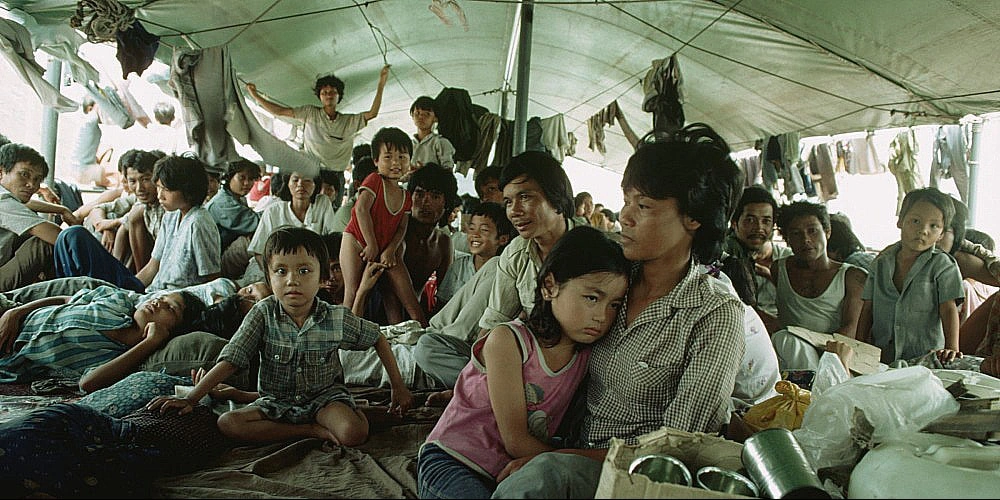
The story begins in 1979.
At that time, not long after the Vietnam War ended, many Vietnamese people, fearing retribution from the new regime, risked their lives to travel by boat and become "boat people." These people drifted in the South China Sea, and every country that saw them looked at them with disapproval—because taking in refugees costs money!
This group of people is called "boat people"(Boat People) Imagine this: You've lived in your own country for decades, but due to political reasons, you have to flee, boarding some small and rotten wooden boat, drifting in the South China Sea, with no water or food, and at risk of sinking, being robbed by pirates, or being eaten by sharks.
What's your goal? To find a safe place to settle down.
This situation sounds truly pitiful and deserves sympathy. But the problem is:This whole mess was started by the US, so why is it being carried out by Asian countries?
After the war, the United States took over approximately [a portion of the territory].800,000Vietnamese refugees. I've heard a lot about this, but the US population is 300 million, so 800,000 is only 0.271 TP3T. And Hong Kong? At the time, its population was only a little over 4 million, yet it took in 200,000 refugees.5%! Proportionally, it belongs to the United States.18 timesIf the US is truly so humane, why doesn't it accept more refugees? Why make Hong Kong, a small British colony, shoulder the entire refugee problem for Asia?
The answer is quite simple:Because the American bosses are powerful, no one dares to mess with them; while the Hong Kong underlings are less powerful, no one will help them.
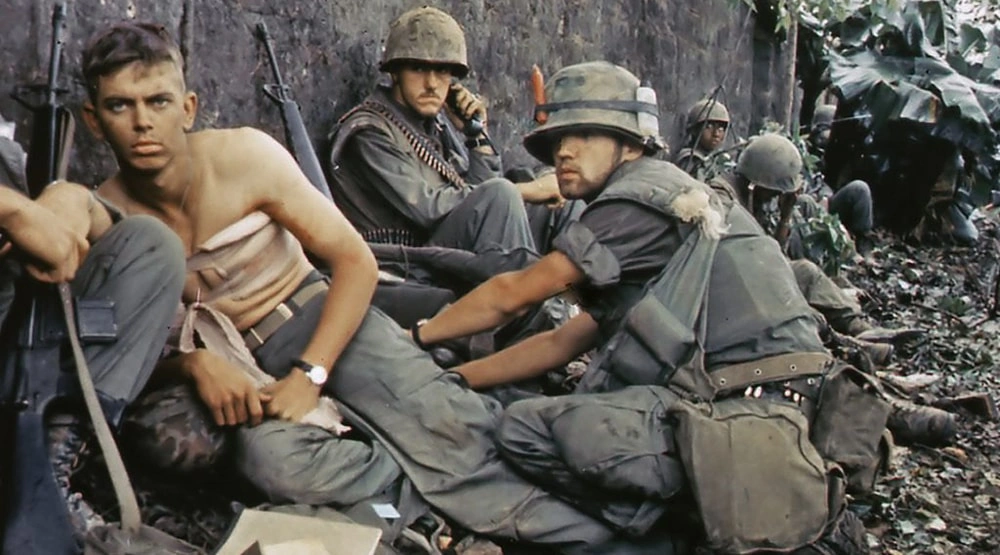
Refugees flood Hong Kong – turning it into a "refugee city"
In 1979, within a year of the signing of the convention, more than 60,000 Vietnamese refugees poured into Hong Kong. The number of refugee camps increased from one to two, then to four, then to eight, and Hong Kong seemed to have become a "refugee theme park," except that the admission fees for this park were paid for by taxpayers.
From 1975 to 2000, Hong Kong received approximately 200,000 Vietnamese refugees. This number made Hong Kong the world's second-largest refugee port, second only to Malaysia (approximately 250,000 people).
You may not know that the Vietnamese refugee camps in Hong Kong were not initially the kind of prison-style management with "barbed wire and guards" that you imagine now.
Initially, the Vietnamese refugee camps in Hong Kong were open-access. This meant refugees could freely enter and leave the camps to buy groceries at markets, eat at local restaurants, take walks in parks, and even swim at the beach. If their finances allowed, they could even rent their own accommodations and move out of the camps!
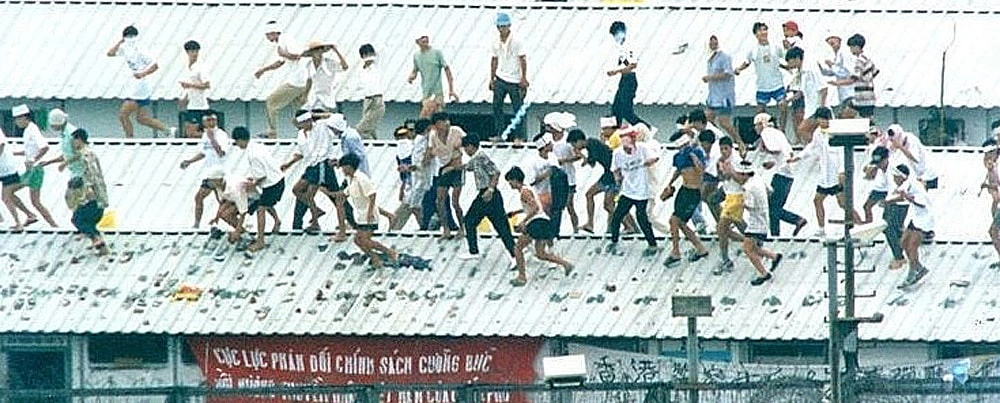
White Stone Refugee Camp: A Refugee Camp with "Hong Kong Characteristics"
When it comes to Vietnamese refugee camps, the most famous one must be the Bai Shi refugee camp.
Pak Shek Refugee Camp, located in Ma On Shan, is one of the largest Vietnamese refugee camps in Hong Kong, housing over 20,000 people at its peak. The camp has schools, hospitals, temples, churches, markets, restaurants, hair salons, and even karaoke facilities.
You read that right, karaoke!
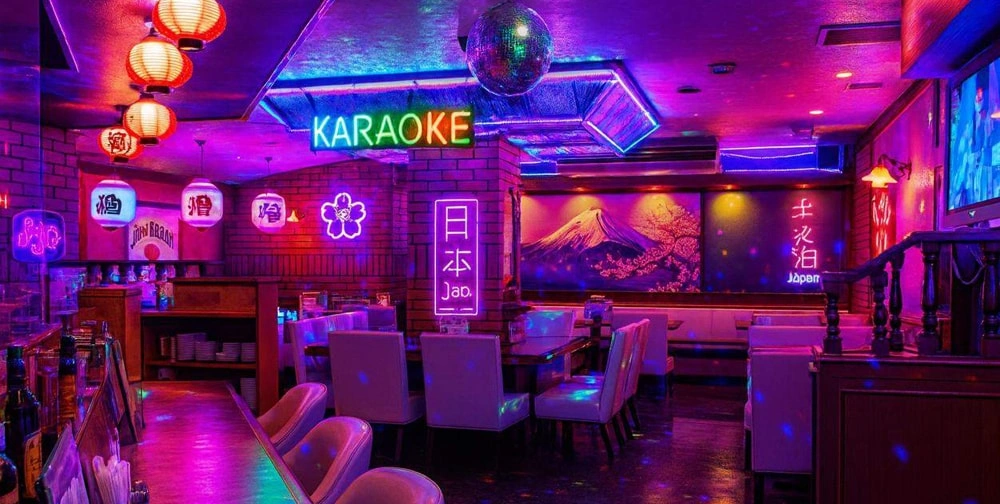
In other words, if you live in public housing in Hong Kong, you might not even have air conditioning, but people in refugee camps can sing karaoke, play mahjong, play football, and dance ballroom dances. Some refugees even run businesses in the camps, selling clothes, shoes, and food, earning more money than you would as a security guard outside.
One netizen later recalled: "When I was little, I often saw people from the White Rock Refugee Camp coming out to buy things. The things they bought were even more expensive than what my mother bought. I asked my mother why, and she said: 'Because they don't have to work, the government supports them.' I asked: 'Then why do we have to support them?' My mother didn't answer me."
This is a question that Hong Kong people have been asking for 25 years, but no one has been able to answer it.
Behind the numbers lies blood and tears.
From 1975 to 2000, Hong Kong received a total of more than220,000Vietnamese refugees and fellow passengers.
220,000What does that mean? It's equivalent to the entire population of Sha Tin District! Hong Kong is already small and densely populated; suddenly there are 220,000 more people. Where will they live? What will they eat? How will they get medical care? Who will pay for it?
The Hong Kong government has established several refugee camps, including Man Yee, Pak Shek, and Mong Hau Shek, providing food, lodging, and medical care, and even hiring security guards to keep an eye on them to prevent them from wandering off and causing trouble. This has cost a total of public funds.HK$8.7 billion.
8.7 billionWhat's the concept? Let's do an interesting conversion:
- Enough9,000Public housing units (each unit houses 4 people, meaning it can accommodate 36,000 people)
- Enough to buy230 million boxesChar cha chicken rice (the queue stretches from Central to the North Pole, then back again, and there are several more queues).
- Enough14,500A year-long nursing job (to address the staffing shortage in public hospitals)
- Enough to buy17,400Double-decker bus (filled the entire Victoria Park and still had room to spare)
But where did that 8.7 billion go? It went to support Vietnamese boat people.
The United Nations laments the art of "walking the numbers".
The UNHCR said back then, "Hong Kong, you hold on for us first, and we'll settle the score later." And what happened?
The UNHCR owed Hong Kong a total of [amount missing] from 1988 to the end of 1997.HK$1.1 billionGenerous funds for handling refugees.1.1 billionOh dear! I don't even know how much interest has rolled over.
The Hong Kong government kept pressing for payment, to which the UNHCR responded: "Oh dear, we don't have the money. Consider it a charitable act. If not, you can just write it off yourself."
"You're the one who's shirking responsibility."This statement came from an international organization. It means they lent you money and then told you, "You might as well pretend you never had it." Try telling a bank, "I lent you 1 million, but I don't have the money to pay it back, so you might as well just forget about it." What would the bank do? They would call the police and arrest you.
But after the UNHCR finished its presentation, nothing happened. It continued operating, continued collecting donations from various countries, and continued calling for help for refugees. And what about Hong Kong?The money is gone, but the people still need to be supported, and people even say, "The conditions in your refugee camps are not good enough."
This is a true reflection of "international humanitarian spirit"—When it comes to donations, countries vie for media attention; when it comes to bills, Hong Kong foots the bill itself.
Britain's "contribution" - £10,000 vs £200,000

When discussing Vietnamese boat people, one cannot ignore Britain's "contribution".
British Prime MinisterMrs. DaydreBack then, they severely discriminated against Vietnamese boat people, refusing to accept them and claiming that accepting them would "harm British interests." They even proposed that Australia buy an island in Indonesia or the Philippines specifically to house the boat people, but this was opposed by Lee Kuan Yew and fell through.
Ultimately, Britain received approximately [amount missing].10,000Boat people. Hong Kong took over.200,000.
10,000 vs 200,000—That is, the UK's "humanitarian responsibility" is Hong Kong's.5%However, when the British representative signed the agreement, did they not ask the people of Hong Kong if they were willing?
This is the difference between a "mother country" and a "colony":When there are good things, the suzerain state takes them first; when there are bad things, the colonies take them.
2. Non-removal claim – 99% fake, 100% Hong Kong settlement
Convention Trap: A Membership That Makes You a Sucker
The Vietnamese boat people handled it all on their own, do you think Hong Kong can pull it off? Kid, you're too naive.
In 1992, the UN Convention against Torture was extended to Hong Kong. The convention itself is a good thing, protecting human rights, no problem. But the problem is that Hong Kong only applies the "non-repatriation" principle of the Convention against Torture, and does not formally apply the Refugee Convention, nor does it verify anyone's refugee status.
And the result? This gray area was amplified and exploited to an extreme degree.
People from South Asia, Africa, and other places have learned a "guide":Go to Hong Kong, apply for a non-repatriation claim, and then keep appealing and undergoing judicial review, dragging on for as long as possible, while carrying a "street pass" around the streets.

This travel guide spread online even faster than the "Lunch of the Day" WhatsApp groups at Hong Kong-style cafes. In travel guide groups for countries like Pakistan, India, Bangladesh, and Nigeria, Hong Kong is listed as a "five-star recommended" destination.
The truth about the numbers: 1% is real, 99% is fake, and 100% is a money pit.
As of 2025, the following data shows the number of Hong Kong exemption from repatriation claims:
| project | number | Remark |
|---|---|---|
| Cumulative applications received | More than 28,000 cases | Starting from 2014 |
| Successfully established a case | Approximately 350 cases | Only 1.21 TP3T |
| Cases pending review | Approximately 3,800 cases | Severe backlog |
| Judicial review backlog | More than 7,000 cases | appealing repeatedly |
| People holding "street pass" | Approximately 15,800 people | Stranded in Hong Kong |
| Total expenditure over the past 10 years | More than HK$10 billion | Taxpayers pay the bill |
| Annual recurring expenses | Approximately HK$1.15 billion | Continued combustion |
10 billionWhat does that mean? Let's do an interesting conversion:
- Enough10,000public housing units
- Enough16,000Working as a nurse for a year
- Enough to buy1 million pairsSneakers have been worn by grassroots students for several years
- Enough to feed all of Hong Kong2.5 mealsFree "Feast of Fish and Meat"
But where did that 10 billion go? It went to support a bunch of people.99% are all fake.The petitioner was granted "exemption from deportation".
Ridiculous process: a "sustainable" stupidity mechanism
Hong Kong's exemption from extradition claim mechanism is a perfect "closed loop":
Step 1: Entry
Applicants who entered Hong Kong on tourist visas or illegally immediately filed for non-repatriation.
Step Two: Preliminary Review
The Immigration Department reviewed the application and rejected 99%.
Step 3: Appeal
The petitioner appealed to the Appeals Board, which dragged on for another year and a half.
Step Four: Judicial Review
Appeal failed? No problem, apply for judicial review, from the Court of First Instance to the Court of Appeal, and then to the Court of Final Appeal. Each step can take a year and a half.
Step 5: Reapply
Judicial review failed? No problem, just apply again based on "new evidence" and start all over again.
Step Six: Perpetual Retention
As long as the lawsuit is ongoing, you can continue to stay in Hong Kong with your "street pass" and enjoy the humanitarian assistance provided by the government.
The absurdity of this process lies in:"Losing is not a big deal, the most important thing is to hold on for a long time." If you know how to play this game, you can stay in Hong Kong for several years or even ten years, eating, living, and using Hong Kong food, living, and using Hong Kong resources. You can even work illegally to earn money and have children.
One member of parliament once calculated that, on average, it takes a petitioner an average of [time period missing] from filing an application to being deported.4 to 5 yearsThe government will spend approximately [amount] during this period.HK$300,000 to HK$400,000Costs (including review, legal aid, humanitarian aid, etc.).
In other words, a fake refugee can waste hundreds of thousands of Hong Kong taxpayers' money, then pack up and leave without doing anything. If you were that fake refugee, would you come? Of course! This is a "zero-risk, high-return" business!
Crime issue: Taxpayers pay to support people beating up Hong Kongers
Even more absurdly, many of these people holding "street pass" have committed criminal offenses.
According to Security Bureau data, in 2024 there were786 peopleNon-removal claimants are arrested for criminal offenses, including:
- Theft (stealing)
- Assaulting (hitting someone)
- Severe assault (causing hospitalization)
- Criminal damage (smashing glass, vandalizing public property)
- Drug trafficking (selling heroin, ketamine)
In other words:Hong Kong taxpayers pay to support these criminals, who then use that money to commit crimes. As a result, the Hong Kong police have to spend even more money to arrest them, the Hong Kong courts have to spend time trying them, and the Hong Kong prisons have to spend money to detain them.
That's called "one-stop service"—Hong Kong taxpayers' wallets go directly to the crime scene and then directly to the prison. The entire bill was paid by Hong Kong, and they didn't say a word.
One netizen summarized it this way: "Hong Kong is not a refugee camp, but an 'international criminal training center' - it provides food, accommodation and training, and after graduation, it sends you on your way (repatriation)."
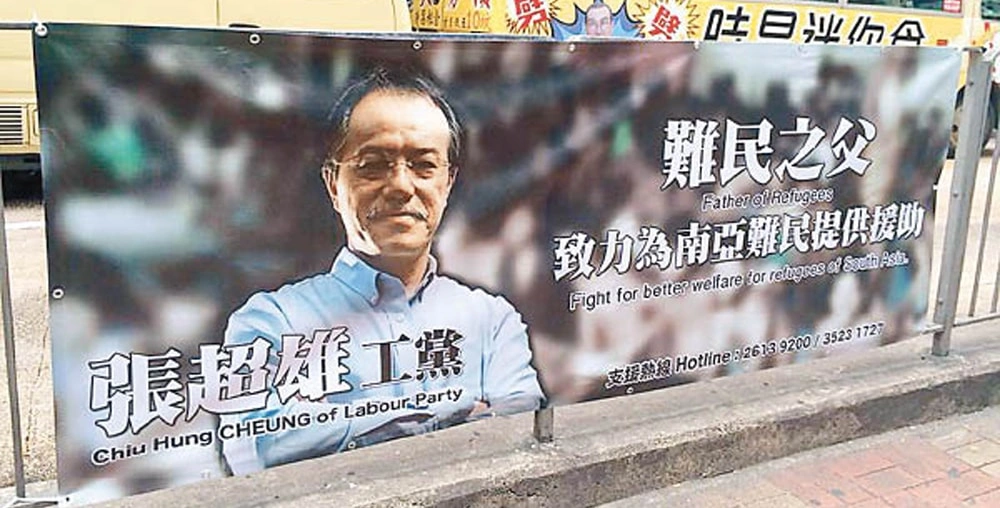
3. Cheung Chiu-hung (Indirect Contribution Award) – Helping people find jobs in Hong Kong
Speaking of this, we can't help but mention our old friend—Zhang Chaoxiong.
Although Cheung Chiu-hung is not affiliated with an "international organization" or a "foreign government," he played a very special role in Hong Kong's history of being targeted:A living lesson on how Hong Kong taxpayers' money is wasted efficiently..
Back then, Cheung Chiu-hung strongly advocated for better welfare for those applying for non-repatriation in the Legislative Council, even suggesting that assistance be "raised to the level of Comprehensive Social Security Assistance." He said, "Hong Kong was once a refugee society, and it is quite reasonable to extend a helping hand to refugees."

This sentence can be translated as follows:"You were poor when you were young, so when you grow up you have to support all the poor people in the world, and support them until they are as well off as you are."
Now, Zhang Chaoxiong has gone to Canada, becoming a "real refugee" himself, enjoying refugee benefits funded by Canadian taxpayers. Recently, he even publicly appealed to the United Nations to find the missing pen.1.162 billionOutstanding debt.
Previously, they asked people in Hong Kong to support fake refugees, but now they're asking people in Canada to support the real refugees, and even asking Hong Kong to help them collect the debt. This is the ultimate absurdity.
FAQ – Common Questions about Being Misled in Hong Kong
Because Hong Kong doesn't allow for saying no. Previously, Britain represented you in signing agreements; now, international mechanisms bind you. Hong Kong is like an unlocked safe, placed on the street with a sign saying "Welcome to take it yourself."
The odds are about the same as winning the lottery jackpot – theoretically possible, but practically impossible. The UN says "no money," what can you do? Sue them? Sue who?
Britain received approximately 10,000 boat people, while Hong Kong received 200,000. Do the math yourself. 10,000 vs. 200,000, that is, Britain's "humanitarian responsibility" versus Hong Kong's 5%.
He enjoys refugee benefits similar to those of Canadian taxpayers, living in refugee housing, receiving subsidies, and even occasionally chasing debts from Hong Kong. He went from being the "father of refugees" to the "fake father of refugees," then to the "real refugee himself," and finally evolved into a "transnational debt collection ambassador."
Good question. Because Hong Kong needs to "respect the rule of law" and "govern according to law," and people will conduct judicial reviews. If it drags on and on, several years will pass, billions more will be burned, and people will still be there.
No. Hong Kong's unique characteristic is: it's always the one being taken advantage of, never the one taking the blame. This is our "Hong Kong spirit"—accepting whatever comes its way, and settling accounts? Yes!
You can complain to the United Nations, the United Kingdom, or Zhang Chaoxiong, or simply complain about why you read this article to the end. But the most practical approach is:Next time we vote, let's think clearly about who is truly helping Hong Kong people.

What is the conclusion of this article?
Conclusion:
Hong Kong, a place that has been exploited by the world for 50 years and continues to be exploited. You think you're an international metropolis, but in reality...International soft-shelled turtles!
YouIs Hong Kong the Pearl of the Orient? Actually, Hong Kong is an "Oriental soft-shelled turtle," and anyone can come and take a bite.
"Hong Kong is a passive international sucker—you don't need to agree, you don't need to raise your hand, you just need to open your wallet." Wallet not locked yet? Lock it now! Damn it!
Further reading: