


Cupping therapy
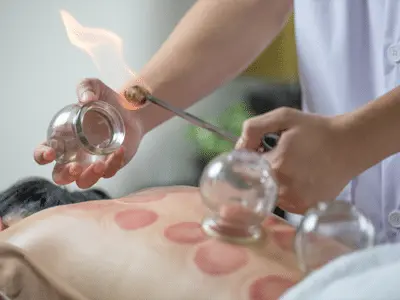
Table of contents
Cupping is a traditional Chinese medicine therapy that originated in...ChinaCupping, with a history spanning thousands of years, is primarily used to promote health, relieve pain, and improve bodily functions. It works by creating negative pressure on the skin's surface, causing local tissue congestion, thereby stimulating blood circulation, relaxing muscles, and promoting the flow of qi and blood. Cupping is commonly used to treat symptoms such as muscle soreness, colds, fatigue, and digestive problems. In Traditional Chinese Medicine theory, it is believed to expel "dampness" and "cold" from the body.
This therapy promotes blood circulation, relieves muscle tension, and reduces pain by placing cups on the skin and creating negative pressure. Originating in China, its history can be traced back to the Warring States period.Fifty-two prescriptionsIt has been widely used in different cultures, including Greek, Roman, Islamic, and European medicine.
Historical and cultural background
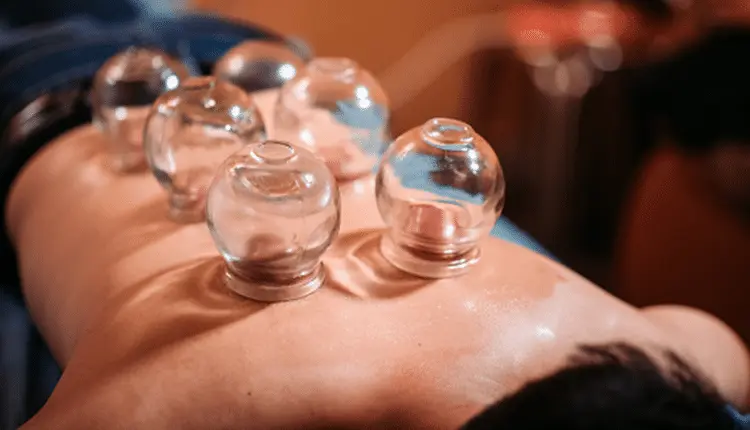
Cupping was first seen in medical literature during the Warring States Period in China, and was recommended by the Prophet Muhammad in Islamic medicine, and later spread to Asia and Europe. The 4th-century Chinese physician Ge Hong documented its use, and in the early 20th century the Western physician William Osler recommended it for the treatment of pneumonia. Cupping has been part of traditional Chinese medicine in Chinese hospitals since the 1950s.
Definition and Principle
Cupping is an alternative therapy that uses negative pressure to draw the skin and superficial muscles into the cup, causing local blood vessels to dilate and increase blood flow. This negative pressure may stimulate the body to release chemicals that promote healing, such as antioxidant enzymes, and regulate inflammatory responses. Modern research shows that cupping may cause capillary rupture, secreting "hemoglobin oxidase-1" (HO-1) during metabolism, further inhibiting local inflammation and increasing blood circulation.
The specific operation of cupping usually uses glass jars, bamboo jars or plastic jars as tools. During treatment, the masseur will light an alcohol cotton ball in the cup or use other methods to create a vacuum, and then quickly attach the cup to the skin. It is often used on acupuncture points or painful areas such as the back, shoulders or waist. After adsorption, the negative pressure in the cup will pull the skin and superficial muscles, causing the local skin to turn red or purple bruises to appear (called "cupping marks"). These marks usually disappear within a few days to a week. Cupping can be divided into dry cupping (using only negative pressure) and wet cupping (puncturing the skin to drain a small amount of blood before cupping). In addition, there is sliding cupping therapy, which massages the skin by moving a cup after applying lubricant.
Benefits of Cupping
These include relieving muscle tension, promoting lymphatic circulation, enhancing immunity and relieving stress. However, cupping is not suitable for everyone. For example, pregnant women, people with sensitive skin or people with bleeding tendencies should avoid using it. Modern research is mixed on the effectiveness of cupping, with some studies supporting its effectiveness for pain management, but scientific evidence is still limited.
Traditional Chinese medicine believes that cupping can balance Yin and Yang, harmonize the internal organs, unblock meridians, and expel pathogenic factors. Modern research shows that cupping has a mild to moderate relieving effect on musculoskeletal pain and myofascial pain, possibly by increasing blood flow and reducing inflammation. However, these benefits may partly be due to the placebo effect. Other claimed uses include treating fever, indigestion, high blood pressure, skin diseases (such as eczema and psoriasis), anemia, stroke rehabilitation, nasal congestion, infertility, and menstrual cramps, but these lack conclusive evidence.
Studies show it can be mildly to moderately helpful for muscle soreness, but its effectiveness remains controversial.
Side effects of cupping
Cupping is usually harmless to most people, but it may cause:
- Skin discoloration, possible burns or infection, use with caution. Side Effects and Risks Skin discoloration or bruising that lasts for days to weeks and may be mistaken for abuse.
- Fire cupping may cause burns, and wet cupping carries a risk of infection.
- Local adverse reactions include scarring, skin ulcers, erythema, and pain.
- There is a theoretical risk of infection, but no relevant reports have been made as of 2012.
In some cases, cupping may aggravate skin conditions such as eczema or psoriasis, especially with frequent use.

Methods and techniques
There are various methods of cupping, which can be divided into dry cupping, wet cupping, massage cupping and flash cupping according to the technique. Suction methods range from light, medium, and strong, and include cupping (using flames to create negative pressure), manual pumps, and electric pumps. Common materials include glass, bamboo and silicone cups, which can be filled with herbs, water, ozone or moxa. Modern athletes occasionally use cupping to aid muscle recovery. Here are the main methods:
| method | describe | Applicable situations |
|---|---|---|
| Dry Cupping | It only absorbs the skin through negative pressure without damaging the skin | General muscle tension and pain relief |
| Wet Cupping (Hijama) | A small incision is made in the skin and blood is drawn | Acute injuries, blood circulation problems |
| Cupping | Use flames to create negative pressure, possibly using massage oils | Traditional treatments, be aware of the risk of burns |
| Canning | Move the cups across the skin for tight fascia | Increase flexibility and improve blood flow |
| Flash Can | Quickly apply and remove cups to ward off evil spirits | Treating the initial stage of a cold |
Cupping usually takes 5-15 minutes and is performed on the back, chest, abdomen and limbs, depending on the treatment needs.
The color of the skin after cupping can be used to preliminarily diagnose the constitution:
- Pink: Qi and blood flow smoothly, normal.
- Purple-black: Qi and blood stasis, it is recommended to exercise more and drink more water.
- Red: Excessive heat in the body, it is recommended to eat less spicy food.
- Grayish white: weak body, need to rest.
- Watery: Heavy dampness and toxicity, it is recommended to eat less cold drinks.
Taboos and precautions
Cupping is not suitable for the following people:
- People with high blood pressure or heart problems (Cambodia's Ministry of Health warned of health risks in 2016,
- People with skin ulcers, open wounds or diseases.
- The abdomen or sacral area of pregnant women (traditional Chinese medicine advises to avoid).
- Elderly people and infants (fragile skin).
- People with blood diseases (such as low platelets, leukemia) or taking anticoagulant drugs need to use light pressure for a short time.
- Those with heavy menstrual periods, anemia, or weak constitution may experience aggravated symptoms.
Avoid taking a bath immediately after treatment, especially a cold bath, to prevent skin breakdown or chilling.
Potential risks
Cupping may cause skin discoloration, burns, or infection, especially with fire or wet cupping. It is not suitable for use by certain groups of people, such as pregnant women and patients with hypertension.
When receiving cupping, you should choose a professional therapist to ensure hygiene and safety to avoid burns or infection. You may feel some mild discomfort after the treatment, but this is usually followed by a feeling of relaxation. Cupping is often combined with acupuncture or massage to enhance the therapeutic effect. If you are interested in cupping, it is recommended that you consult a professional and determine whether it is suitable based on your own condition.
Modern Applications and Controversies
In recent years, cupping has become popular in Western countries, especially among athletes. Cupping marks are commonly seen on Olympic swimmers, with claims that it helps muscle recovery and relieves pain. However, cupping is considered pseudoscience, lacking strong clinical evidence to support its efficacy. Some experts believe its benefits may primarily stem from…placebo effectFurther research is needed to verify this.
Further reading: