



30 Kidney-Nourishing and Spleen-Strengthening Recipes (Suitable for Those with Both Spleen and Kidney Deficiency)

Table of contents
Understanding Spleen and Kidney Deficiency
existTraditional Chinese MedicineIn theory,spleenThe spleen, considered the "foundation of acquired constitution," governs the transformation and transportation of nutrients from food and water, and is the source of qi and blood. The kidneys, considered the "foundation of innate constitution," store essence and are the driving force of life activities. The two nourish and promote each other. The spleen's transformative and transporting functions require the warmth and nourishment of kidney yang to be strong; while the essence and qi in the kidneys also rely on the spleen's transformation and transportation of nutrients from food and water for continuous nourishment and cultivation.
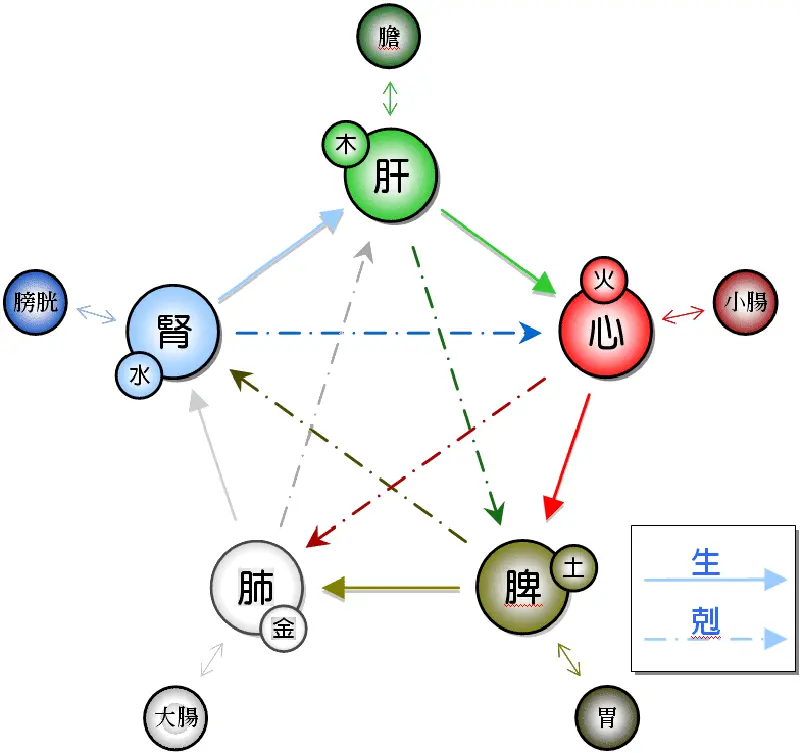
In Traditional Chinese Medicine (TCM) theory, what does "strengthening the spleen" mean?
In traditional Chinese medicine theory, "strengthening the spleen" is a very core and important concept. It is not only a treatment method, but also a philosophy of health preservation.
We can gain a deeper understanding of "strengthening the spleen" from the following aspects:
Core concept: What is the spleen?
First, it is essential to understand that the "spleen" in Traditional Chinese Medicine differs from the "spleen" in Western anatomical medicine.Different conceptsIn Traditional Chinese Medicine, the "spleen" is a general term for a functional system, whose core function is:
- Main operation and transformation: This is the spleen's most crucial function.
- Transportation and water storage: The spleen is responsible for digesting the food and drinks we eat, absorbing their nutrients (the essence of food and water), and distributing these nutrients throughout the body, transforming them into qi, blood, and body fluids. In short,The spleen is the source of qi and blood production in the human body.Therefore, it is called the "foundation of acquired constitution".
- Transportation and transformation of water and moisture: The spleen is responsible for the metabolism of body fluids. It transports excess water out of the body, preventing water retention.
- Main bloodline: It refers to the spleen's function of consolidating and controlling the normal flow of blood in the blood vessels, preventing blood from spilling out of the vessels (such as hematochezia, metrorrhagia, etc.).
- Main promotion: "Clear" refers to the nutrients that have been digested and absorbed. The function of the spleen is to transport these "clear" substances upward to the heart, lungs, head, and face to nourish the whole body. This also maintains the fixed position of the internal organs and prevents them from prolapsed (such as stomach prolapse, uterine prolapse, etc., which is called "sinking of the middle qi" in traditional Chinese medicine).
- In the body, it is composed of flesh and governs the four limbs: All the muscles and limbs in the body need the nourishment of qi and blood transported and transformed by the spleen. When the spleen functions well, the muscles are full and the limbs are strong and powerful.
- Its wisdom is revealed in the mouth, and its beauty is reflected in the lips: Appetite and taste are related to spleen function. When the spleen is functioning well, appetite is normal, and lips are rosy and glossy.
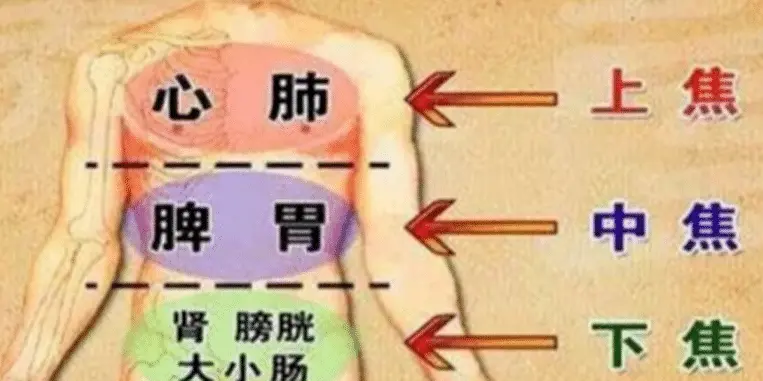
Definition and purpose of "strengthening the spleen"
Once the function of the spleen is understood, the definition of "strengthening the spleen" becomes very clear:
"Strengthening the spleen" means using various methods to enhance and restore the spleen's functions of "transporting and transforming," "ascending clear qi," and "controlling blood," so as to maintain it in a strong and balanced state.
The main purpose of strengthening the spleen:
- Promotes digestion and absorption: It can improve problems such as loss of appetite, bloating, and diarrhea.
- Generate sufficient Qi and blood: It can improve conditions such as Qi deficiency (fatigue, lethargy) and blood deficiency (sallow complexion, dizziness).
- Metabolic fluid retention: It eliminates excess water in the body and improves symptoms of "excessive dampness" such as edema, excessive phlegm, and sticky stools.
- Maintaining muscle health and the position of internal organs: Strengthen your limbs to prevent organ prolapse.

Why is it necessary to "strengthen the spleen"? — Symptoms of "spleen deficiency"
When the spleen's function weakens, it is called "Spleen deficiency"At this time, it is necessary to strengthen the spleen. Common symptoms of spleen deficiency include:"
- Digestive systemSymptoms include poor appetite, abdominal distension, persistent diarrhea, or diarrhea before dawn (early morning diarrhea), completely undigested food in the stool, cold pain in the abdomen, and preference for warmth and pressure.
- Water metabolismSymptoms include facial and limb edema, difficulty urinating, or frequent urination at night.
- Mental and physical fitnessSymptoms include: fatigue, lethargy, aversion to cold, cold limbs, and soreness and coldness in the lower back and knees.
- Reproductive systemMale impotence and premature ejaculation, female infertility due to cold uterus, and thin, clear vaginal discharge.
- Outer appearanceThe complexion is either pale (pale and puffy) or dark (dark and dull).
- Tongue appearance and pulse appearanceThe tongue is pale and swollen with a white and slippery coating; the pulse is deep, thready, and weak.
Important Reminder:
- Differentiation of syndromes and treatmentThe dietary therapy recipes in this article are mainly for those with "spleen and kidney deficiency," and a constitution tending towards insufficient Yang energy. If you are unsure of your own constitution, please be sure to consult a qualified Traditional Chinese Medicine practitioner.
- Warm and nourishing should be the priorityThe core principle of conditioning this type of constitution is "warming and tonifying the spleen and kidneys," which means warming the spleen and strengthening its function by supplementing fire and assisting yang.
- Avoid raw and cold foodsIt is essential to avoid raw, cold, or chilled foods (such as watermelon, bitter melon, crab, and cold drinks) to prevent further damage to the spleen and kidney yang.
- Chew slowlyReducing the burden on the spleen and stomach is a prerequisite for tonification.

The following will be divided into four categories: "Soups", "Porridges", "Medicinal Dishes", and "Staple Foods and Teas".
I. Soup Recipes
Soup can deeply extract the essence of ingredients, providing gentle nourishment and making it suitable for those with weak spleen and stomach or poor absorption.
1. Mutton Stew with Aconite and Lizhong Decoction (Warming, Dispelling Cold, and Strongly Nourishing)
- Ingredient Analysis:
- aconiteIt restores yang and reverses collapse, replenishes fire and assists yang, dispels cold and relieves pain. It is the primary medicine for warming and tonifying kidney yang.
- GinsengIt greatly replenishes vital energy, strengthens the spleen and benefits the lungs.
- Dried gingerIt warms the middle jiao (spleen and stomach), dispels cold, restores yang, and unblocks the meridians. It is a core medicinal ingredient that warms the spleen's yang.
- Atractylodes macrocephalaIt strengthens the spleen and replenishes qi, dries dampness and promotes diuresis.
- licoriceIt tonifies the spleen and replenishes qi, and harmonizes the effects of other medicines.
- muttonIt invigorates qi and replenishes deficiency, warms the middle and lower body.
- This is a classic formula for warming and tonifying the spleen and kidneys, with potent medicinal effects.
- practice:
- Aconite must be decocted first.Place the aconite root in a pot, add water, and simmer separately for 1-2 hours or more.
- Cut the mutton into chunks and blanch it. Wash the other medicinal herbs.
- Place the prepared aconite root and its medicinal juice, mutton, ginseng, dried ginger, atractylodes macrocephala, and licorice into a stewing pot.
- Simmer over low heat in a double boiler for 3-4 hours, then add salt to taste.
- effectIt warms the Yang and dispels cold, strengthens the spleen and replenishes Qi. It is suitable for severe cases of spleen and kidney Yang deficiency and internal excess of Yin cold.(Strong warning: Aconite is highly poisonous. It must be used under the guidance of a professional Chinese medicine practitioner and strictly in accordance with the processing specifications. Never purchase and cook it yourself!)
2. Stewed pork tripe with Eucommia ulmoides, Morinda officinalis, and chestnuts
- Ingredient Analysis:
- EucommiaIt nourishes the liver and kidneys and strengthens muscles and bones.
- Morinda officinalisIt tonifies kidney yang, strengthens tendons and bones, and dispels wind and dampness.
- chestnutIt nourishes the stomach and spleen, and strengthens the kidneys and muscles. It is known as the "fruit of the kidneys" and also nourishes the spleen and kidneys.
- pig stomachIt replenishes deficiencies and strengthens the spleen and stomach. Following the principle of "like cures like," it is an excellent tonic for the spleen.
- practice:
- Wash the pig stomach thoroughly with flour and salt, blanch it, and then cut it into strips.
- Peel and shell the chestnuts, and wash the Eucommia ulmoides and Morinda officinalis.
- Place all ingredients (pork stomach, chestnuts, eucommia bark, morinda root, ginger slices) into a soup pot.
- Add water and bring to a boil over high heat, then reduce to low heat and simmer for 2.5 to 3 hours. Season with salt and pepper.
- effectIt warms and nourishes the spleen and kidneys, strengthens muscles and bones. It is especially suitable for those suffering from lower back and knee pain, poor appetite, and loose stools due to deficiency of both spleen and kidney.
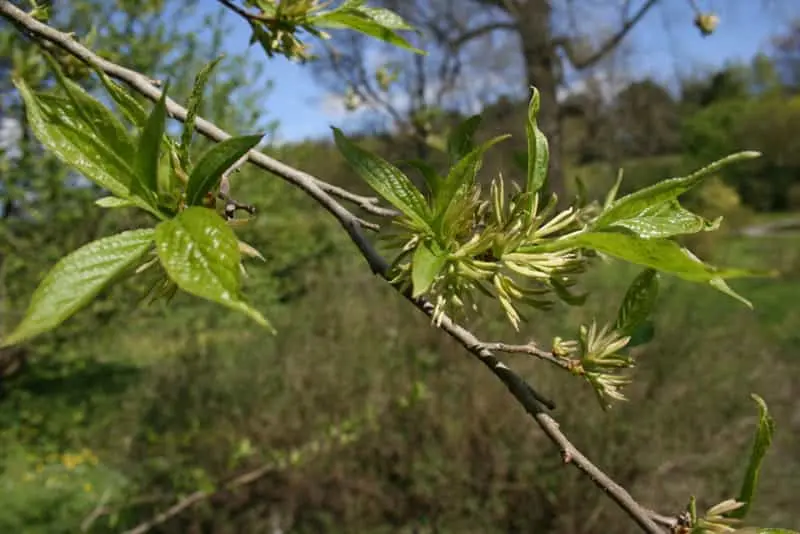
3. Cistanche deserticola, yam, and mutton soup
- Ingredient Analysis:
- Cistanche deserticolaIt tonifies kidney yang, nourishes essence and blood, and moistens the intestines to relieve constipation. It is warming without being drying, and nourishing without being drastic.
- Chinese yam(Yam)It nourishes the spleen, lungs, and kidneys, replenishing both qi and yin. Strengthening the spleen aids digestion and absorption.
- muttonWarm the middle and lower body.
- practice:
- Cut the mutton into chunks and blanch it. Peel and cut the yam into chunks.
- Place the mutton, cistanche, and ginger slices in a pot, add water, and simmer for 1.5 hours.
- Add the yam chunks and continue to simmer for 30 minutes until the yam is soft and tender.
- Simply add salt to taste.
- effectIt tonifies the kidneys and strengthens yang, invigorates the spleen and replenishes qi. It is suitable for those with spleen and kidney yang deficiency accompanied by constipation.
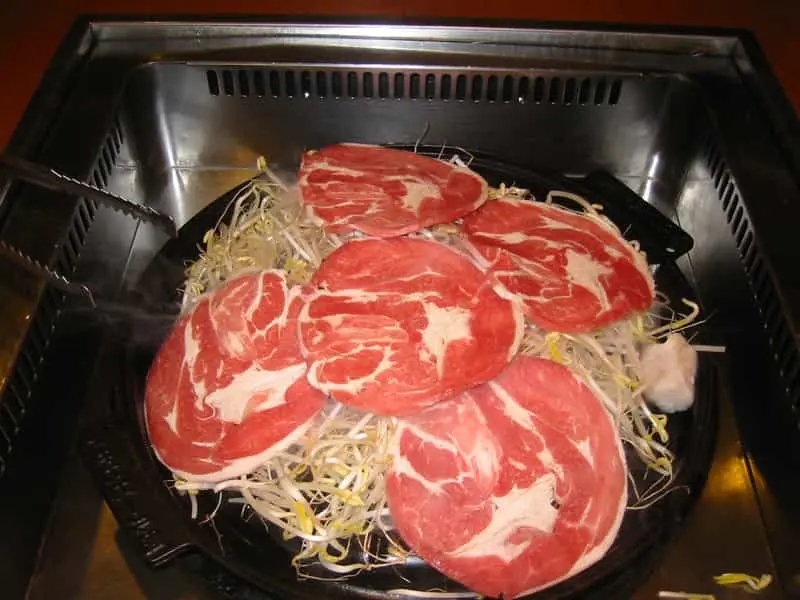
4. Four-Ingredient Decoction (Basic Formula for Strengthening the Spleen and Kidneys)
- Ingredient Analysis:
- PoriaIt strengthens the spleen and eliminates dampness, calms the mind and soothes the nerves.
- yamIt tonifies the spleen, lungs, and kidneys, and strengthens the kidneys and replenishes essence.
- lotus seedsIt tonifies the spleen and stops diarrhea, benefits the kidneys and astringes essence, and nourishes the heart and calms the mind.
- Euryale feroxIt benefits the kidneys and strengthens the essence, invigorates the spleen and stops diarrhea.
- (Alternatively, Job's tears can be used, but Job's tears are cooling in nature, so those with spleen and kidney yang deficiency can substitute with fox nuts.)
- practice:
- Wash the four medicinal herbs (in equal amounts) and cook them together with pig small intestine, pig stomach, or pork ribs.
- Put all ingredients into a pot, add water, bring to a boil over high heat, then reduce to low heat and simmer for 1-1.5 hours.
- Simply add salt and rice wine to taste.
- effectIt invigorates the spleen and replenishes qi, tonifies the kidneys and astringes essence. It is a classic dietary therapy with mild medicinal properties, invigorating the spleen and removing dampness, tonifying the kidneys and astringing essence.

5. Stewed Black-boned Chicken with Astragalus and Codonopsis
- Ingredient Analysis:
- Huang QiIt tonifies Qi and raises Yang, strengthens the exterior and stops sweating, and promotes diuresis and reduces swelling. It is a core medicinal material for tonifying the spleen and replenishing Qi.
- Codonopsis pilosulaIt strengthens the spleen and lungs, nourishes blood and promotes the production of body fluids. Its effects are similar to ginseng but weaker, and it is inexpensive, making it suitable for daily qi replenishment.
- Black-boned chickenIt nourishes the liver and kidneys, and replenishes qi and blood.
- practice:
- Cut the black-boned chicken into pieces and blanch it.
- Place the black-boned chicken, astragalus root, codonopsis root, red dates (pitted), and ginger slices into a stewing pot.
- Add water and steam for 2.5 to 3 hours, then add salt to taste.
- effectIt greatly replenishes vital energy and warms and nourishes the spleen and kidneys. It is suitable for those with spleen and kidney qi deficiency, fatigue, and susceptibility to colds.
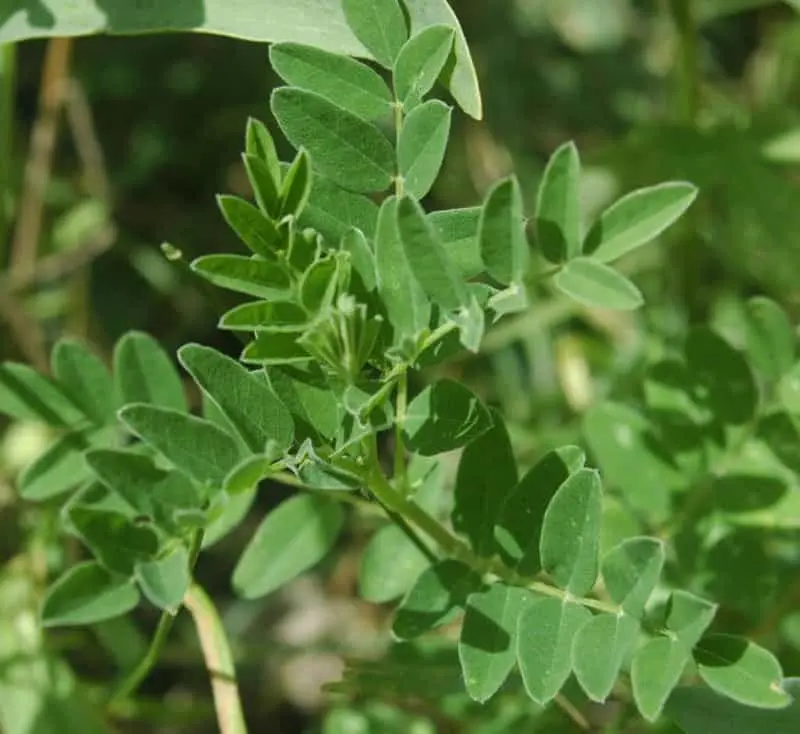
6. Walnut and Gorgon Fruit Pork Rib Soup
- Ingredient Analysis:
- WalnutsIt nourishes the kidneys and warms the lungs, and moistens the intestines to relieve constipation.
- Euryale feroxIt benefits the kidneys and strengthens the essence, invigorates the spleen and stops diarrhea.
- RibsProvides basic nutrition.
- practice:
- Blanch the pork ribs. Soak the fox nuts in advance.
- Place the pork ribs, walnuts, fox nuts, and ginger slices in a pot, add water, and simmer for 1.5 hours.
- Season with salt.
- effectIt tonifies the kidneys and warms the yang, strengthens the spleen and astringes. It is suitable for seminal emission, premature ejaculation, and diarrhea caused by deficiency of both the spleen and kidneys.
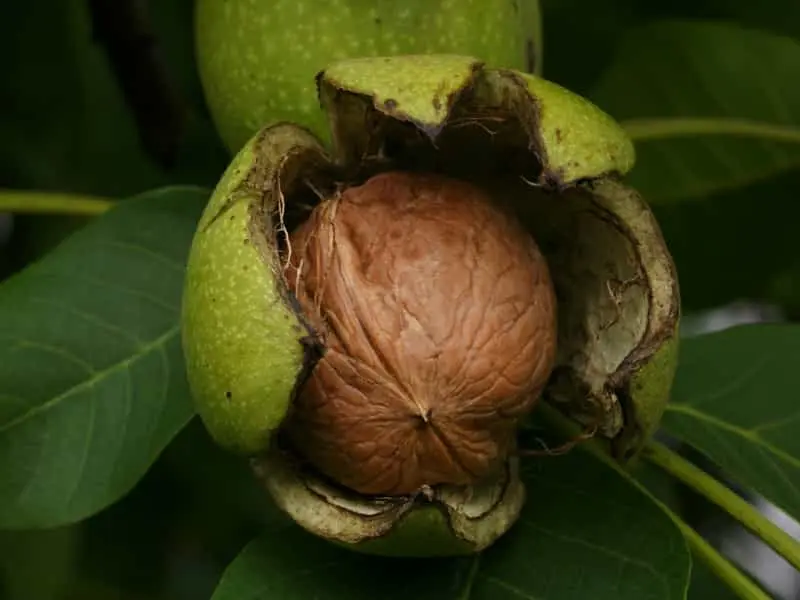
7. Braised Beef Brisket with Ginger and Red Dates
- Ingredient Analysis:
- GingerIt warms the middle burner and dispels cold, warms the lungs and stops coughing.
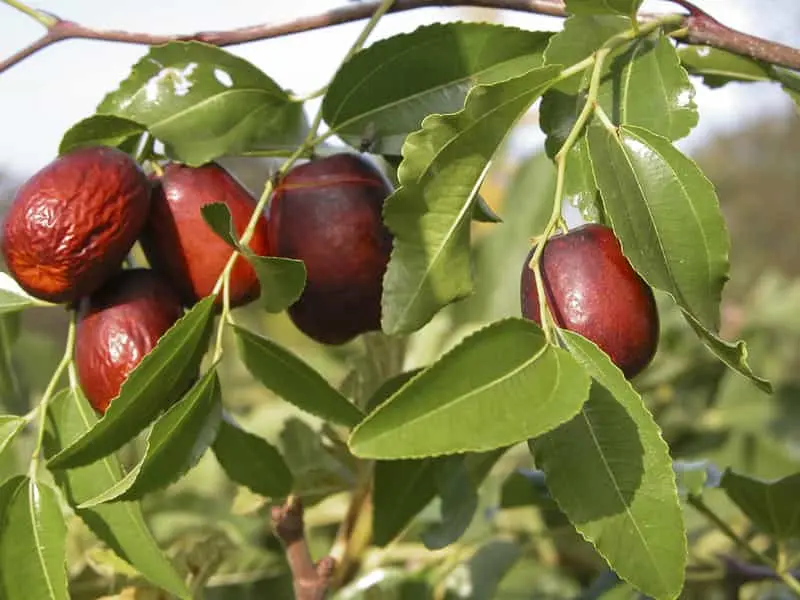
- red datesIt replenishes the middle energizer and invigorates qi, nourishes blood and calms the mind.
- SirloinIt nourishes the spleen and stomach, replenishes qi and blood, and strengthens muscles and bones.
- practice:
- Cut the beef brisket into chunks and blanch it.
- Heat oil in a wok, sauté ginger slices and scallion segments until fragrant, add beef brisket and stir-fry, then add cooking wine.
- Add enough water, red dates, and a little dried tangerine peel. Bring to a boil over high heat, then reduce to low heat and simmer until the beef brisket is tender.
- Season with salt and soy sauce.
- effectIt warms the middle and stomach, and tonifies the spleen and replenishes qi. It is suitable for those with spleen and stomach deficiency and cold, and insufficient qi and blood.
II. Congee Section
Porridge is mild and easily absorbed, reducing the burden on the spleen and stomach, making it an excellent choice for nourishing the spleen and kidneys.
8. Yam and mutton porridge
- Ingredient Analysis:
- yamIt nourishes the spleen, lungs, and kidneys.
- muttonWarm the middle and lower body.
- Japonica riceIt strengthens the spleen and stomach.
- practice:
- Wash and chop the mutton, and peel and dice the yam.
- Cook rice, minced mutton, and shredded ginger together into porridge.
- When the porridge is ready, add diced yam and cook for another 10 minutes until the yam is soft and tender.
- Season with salt and pepper.
- effectIt warms and nourishes the spleen and kidneys, replenishes qi and warms the stomach. Suitable for those who experience cold intolerance, lower back pain, and diarrhea in winter.
9. Chestnut porridge
- Ingredient Analysis:
- chestnutIt nourishes the stomach and spleen, and strengthens the kidneys and muscles.
- practice:
- Peel and shell the chestnuts, and wash the rice.
- Put chestnuts and rice into a pot together, add water and cook into porridge.
- You can add an appropriate amount of brown sugar or white sugar for flavoring.
- effectThis porridge nourishes the kidneys and strengthens the lower back, while also invigorating the spleen and stomach. It's the simplest porridge to nourish both the spleen and kidneys.
10. Gorgon Fruit and Poria Cocos Porridge
- Ingredient Analysis:
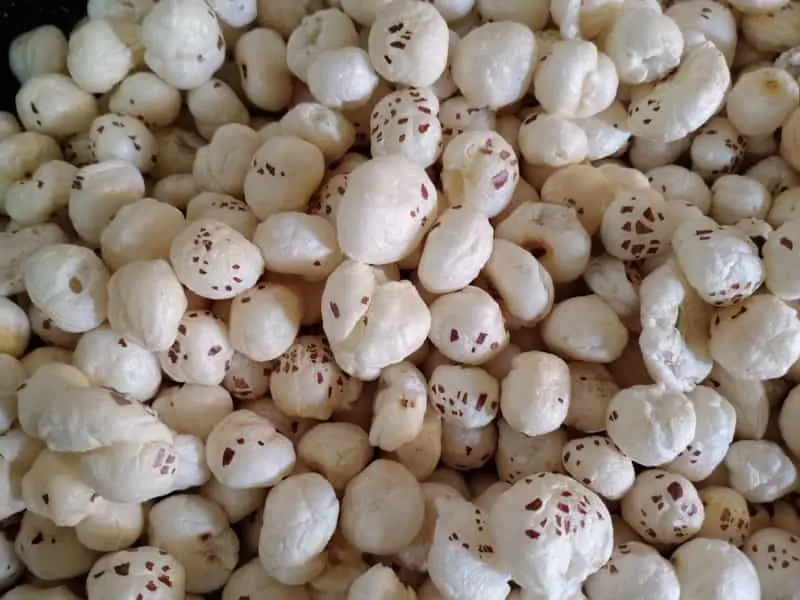
- Euryale feroxIt benefits the kidneys and strengthens the essence, invigorates the spleen and stops diarrhea.
- PoriaIt strengthens the spleen and promotes diuresis.
- practice:
- Gorgon fruit and poria cocos can be crushed into powder, or dried gorgon fruit can be cooked with rice.
- Wash the rice and cook it with the medicinal powder (or medicinal materials) into porridge.
- effectIt strengthens the spleen, eliminates dampness, tonifies the kidneys, and consolidates essence. It is especially suitable for diarrhea and seminal emission caused by spleen deficiency with dampness and kidney qi deficiency.
11. Pumpkin and millet porridge
- Ingredient Analysis:
- pumpkinIt replenishes the middle energizer and invigorates qi, reduces inflammation and relieves pain, and detoxifies and kills parasites. It is warm in nature and sweet in taste, and enters the spleen and stomach meridians.
- MilletIt strengthens the spleen and stomach, and replenishes deficiencies. It is an excellent product for nourishing the stomach.
- practice:
- Peel and deseed the pumpkin, then cut it into small pieces.
- Wash the millet and cook it with pumpkin chunks into porridge.
- effectIt warms the middle burner, nourishes the stomach, and replenishes qi. It is suitable for those with weak spleen and stomach or indigestion.
12. Fried rice porridge with ginger
- Ingredient Analysis:
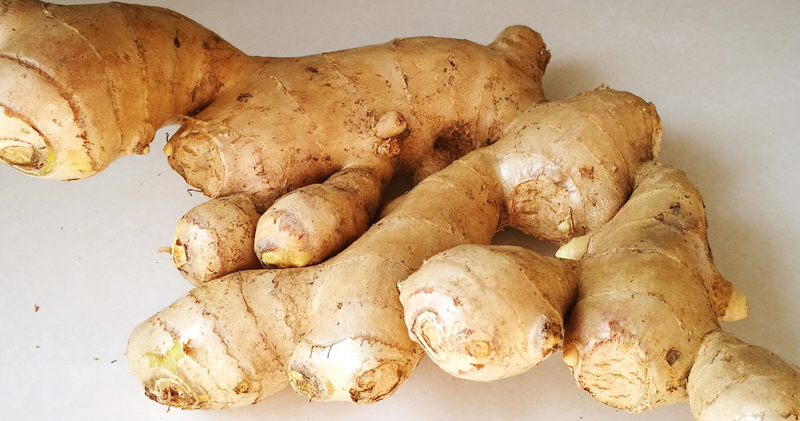
- GingerIt warms the middle and dispels cold.
- riceFrying rice until it turns golden brown has the effects of warming the middle energizer, strengthening the spleen, removing dampness, and stopping diarrhea.
- practice:
- Put the rice in a pot without oil and stir-fry over low heat until the rice grains are slightly browned and fragrant.
- Cook fried rice and shredded ginger together with water to make porridge.
- Brown sugar can be added for flavor.
- effectIt warms the middle burner, strengthens the spleen, dispels cold, and stops diarrhea. It is suitable for diarrhea caused by abdominal cold or eating raw or cold food.
III. Medicinal Cuisine
Incorporating ingredients that nourish the spleen and kidneys into everyday dishes allows you to enjoy both delicious flavors and health benefits.
13. Braised ribbonfish (warms the middle and replenishes deficiency)
- Ingredient Analysis:
- ribbonfishIt invigorates the spleen and replenishes qi, nourishes the liver and replenishes blood, and moisturizes the skin and hair. It is warm in nature and suitable for those with a cold constitution.
- practice:
- Clean the ribbonfish, cut it into sections, marinate it with salt and cooking wine, and then pan-fry it until golden brown on both sides.
- Leave some oil in the pan, sauté scallions, ginger, garlic, and dried chili peppers until fragrant, then add soy sauce, cooking wine, sugar, vinegar, and a suitable amount of water.
- Add the pan-fried ribbonfish and simmer over medium-low heat until the flavors are absorbed and the sauce thickens.
- effectIt warms the middle jiao (spleen and stomach), replenishes qi, nourishes blood, and moisturizes the skin. It is suitable for those with weak spleen and stomach, and insufficient qi and blood.
14. Stir-fried eggs with perilla leaves and ginger
- Ingredient Analysis:
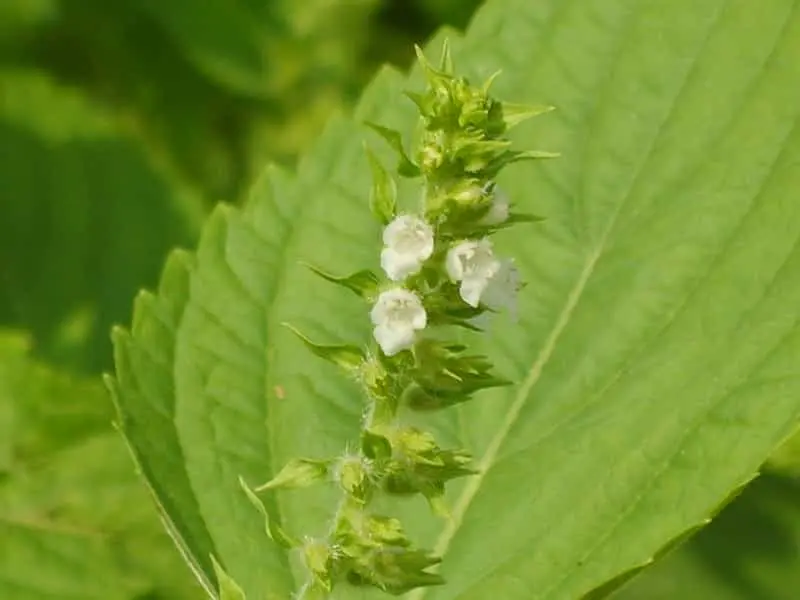
- PerillaIt relieves exterior symptoms and dispels cold, regulates qi and harmonizes the stomach. It also warms the middle jiao and strengthens the spleen.
- GingerIt warms the middle and dispels cold.
- eggIt nourishes Yin and moistens dryness, and nourishes blood.
- practice:
- Shred the perilla leaves and ginger. Beat the eggs.
- Heat a pan and fry the eggs until cooked, then set aside.
- Add a little more oil to the pot, then sauté the shredded ginger and perilla leaves until fragrant.
- Add the scrambled eggs, season with salt, and stir-fry until well combined.
- effectIt warms the middle burner and dispels cold, strengthens the spleen and stomach. It is suitable for stomach discomfort caused by wind-cold or cold in the spleen and stomach.
15. Steamed Chicken with Codonopsis and Astragalus
- Ingredient Analysis:
- Codonopsis pilosulaIt strengthens the spleen and benefits the lungs.
- Huang Qi: To replenish Qi and raise Yang.
- chickenIt warms the middle and benefits qi.
- practice:
- Chop the chicken into pieces and marinate with cooking wine and salt.
- Wash the Codonopsis pilosula and Astragalus membranaceus, slice or cut them into sections, and mix them with the chicken.
- Place in a steaming dish and drizzle with a little sesame oil.
- Place in a steamer and steam over high heat for 20-25 minutes until the chicken is fully cooked.
- effectIt invigorates qi and warms the middle jiao, replenishes deficiency and strengthens the spleen. It is suitable for those with spleen and lung qi deficiency, weak constitution, susceptibility to illness, poor appetite and fatigue.
16. Fennel and Pork Tripe Soup
- Ingredient Analysis:
- FennelIt dispels cold and relieves pain, regulates qi and harmonizes the stomach. It can warm the kidneys and liver, dispel cold and relieve pain.
- pig stomachIt replenishes deficiencies and strengthens the spleen and stomach.
- practice:
- Clean the pig stomach, blanch it, and cut it into strips.
- Place the pig's stomach, fennel seeds (wrapped in a gauze bag), and ginger slices into a pot.
- Add water and boil until the pig's stomach is tender. Remove the herb packet and season with salt and pepper.
- effectIt warms the kidneys and dispels cold, strengthens the spleen and stomach. It is suitable for lower abdominal pain and abdominal distension caused by spleen and kidney deficiency.
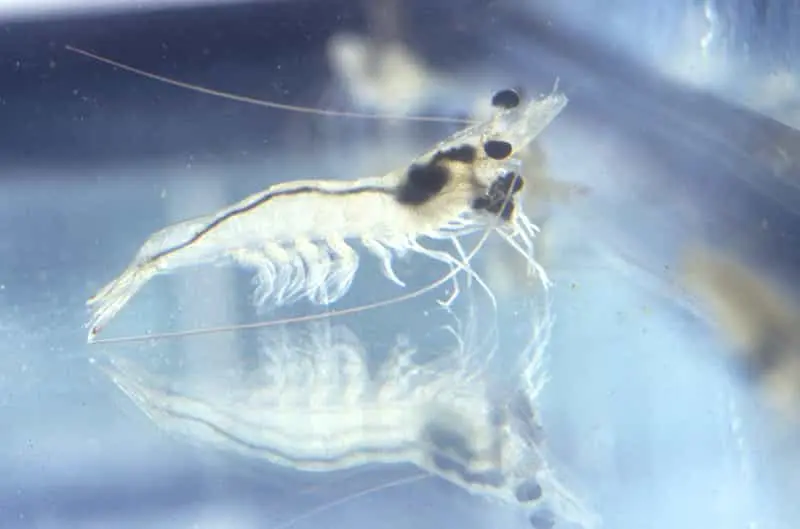
17. Stir-fried shrimp with chives
- Ingredient Analysis:
- Chinese chivesIt warms the middle burner, promotes the flow of qi, and tonifies the kidneys and strengthens yang.
- ShrimpIt tonifies the kidneys and strengthens yang, promotes lactation and eliminates toxins.
- practice:
- Wash the shrimp and marinate them with cooking wine and pepper. Wash the chives and cut them into sections.
- Heat oil in a wok, sauté ginger and garlic until fragrant, then add shrimp and stir-fry until they change color.
- Add the chopped chives, stir-fry quickly over high heat, and season with salt.
- effectIt warms and nourishes the spleen and kidneys, and invigorates qi and strengthens yang. It is suitable for those with spleen and kidney yang deficiency, and those who are afraid of cold and have cold limbs.
18. Cinnamon Braised Chicken
- Ingredient Analysis:
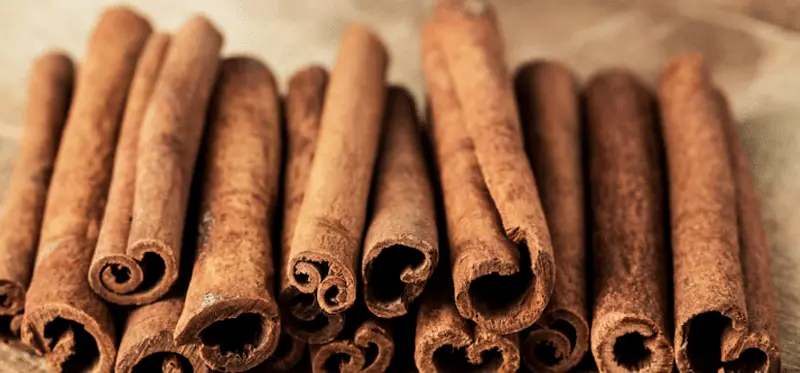
- CinnamonIt replenishes fire and assists yang, dispels cold and relieves pain, and warms and unblocks the meridians. It can guide fire back to its source and warm the lower body.
- chickenIt warms the middle and benefits qi.
- practice:
- Chop the chicken into pieces and blanch it.
- Heat oil in a wok, sauté ginger slices and scallion segments until fragrant, then add chicken pieces and stir-fry until slightly golden brown.
- Add soy sauce, cooking wine, a little sugar, and water as needed, along with a cinnamon stick (or cinnamon powder).
- Bring to a boil over high heat, then reduce to low heat and simmer until the chicken is tender and the sauce has thickened.
- effectIt warms the kidneys and strengthens Yang, and also warms the spleen and stomach. It is suitable for those with kidney Yang deficiency, abdominal pain due to cold, and cold limbs.
IV. Staple Foods and Tea Drinks
A gentle approach using staple foods and daily beverages makes it easier to maintain long-term.
19. Yam and Poria Cocos Buns
- Ingredient Analysis:
- yam powder, Poria powderIt strengthens the spleen and replenishes qi, and promotes diuresis and eliminates dampness.
- flourIt replenishes heart qi, strengthens the spleen and nourishes the stomach.
- practice:
- Mix yam powder, poria powder, flour, and yeast, add water to form a dough, and let it ferment.
- Make your favorite fillings (such as red bean paste, minced meat and vegetables, etc.).
- Wrap the filling into buns, let them rise, and then steam them until cooked.
- effectIt strengthens the spleen and kidneys, calms the mind and soothes the nerves. As a staple food, it subtly regulates the body.
20. Ginger and brown sugar water
- Ingredient Analysis:
- GingerIt warms the middle and dispels cold.
- brown sugarIt invigorates qi and blood, strengthens the spleen and warms the stomach, and promotes blood circulation and removes blood stasis.
- practice:
- Slice or shred the ginger.
- Place the brown sugar and water in a cup, pour in boiling water, and stir until the brown sugar dissolves.
- effectIt warms the meridians and dispels cold, nourishes and invigorates blood, warms the stomach and strengthens the spleen. It is the simplest drink for warming the middle and dispelling cold.
21. Codonopsis and Astragalus Tea
- Ingredient Analysis:
- Codonopsis pilosulaIt strengthens the spleen and benefits the lungs.
- Huang Qi: To replenish Qi and raise Yang.
- practice:
- Slice the Codonopsis pilosula and Astragalus membranaceus and put them into a thermos.
- Steep in boiling water for 15-20 minutes and drink as tea. It can be steeped repeatedly.
- effectIt replenishes the middle energizer and invigorates qi, warms yang and strengthens the spleen. It is suitable for those with qi deficiency, fatigue, poor appetite and loose stools.
22. Aged tangerine peel Pu-erh tea
- Ingredient Analysis:
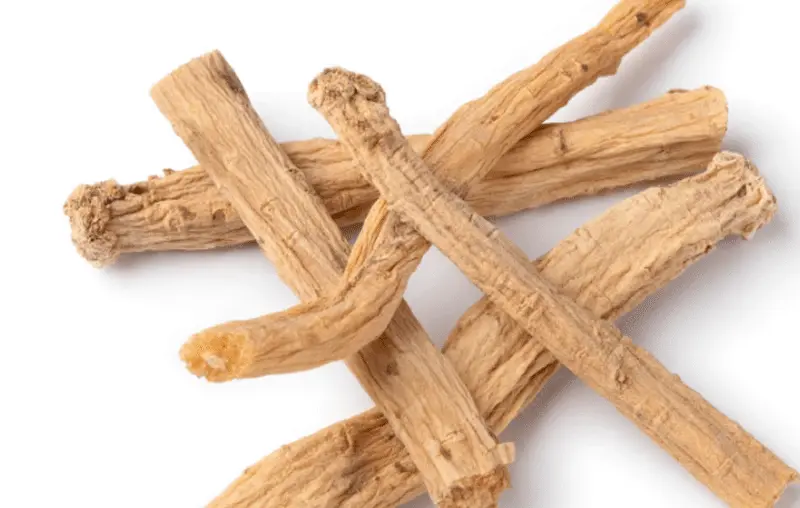
- Dried tangerine peelIt regulates Qi and strengthens the spleen, dries dampness and resolves phlegm.
- Pu-erh tea (ripe Pu-erh)It is warm in nature, warms the stomach, and helps with digestion and relieves greasiness.
- practice:
- Place the dried tangerine peel and Pu-erh tea leaves into the teapot together.
- Brew with boiling water, rinse the tea once, and then brew again for drinking.
- effectIt warms the stomach and strengthens the spleen, dries dampness and resolves phlegm, and aids digestion and relieves greasiness. It is suitable for those with weak and cold spleen and stomach, excessive dampness, and indigestion.
23. Clove Stomach-Warming Tea
- Ingredient Analysis:
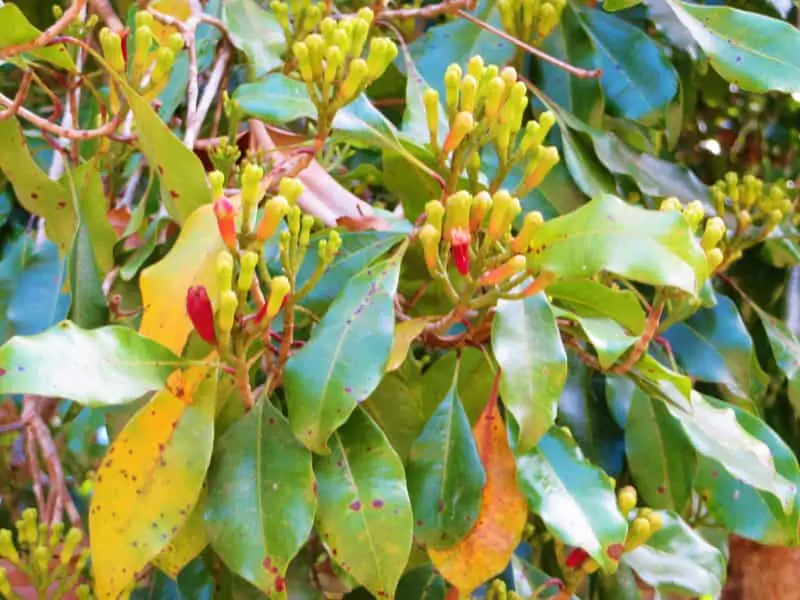
- cloveIt warms the middle burner, relieves adverse reactions, tonifies the kidneys, and strengthens yang.
- practice:
- Add a small amount of cloves and black tea to the tea bag.
- Steep in boiling water for 10 minutes before drinking.
- effectIt warms the kidneys and stomach, dispels cold and relieves pain. It is suitable for stomach cold with hiccups, vomiting, and cold pain in the epigastrium and abdomen.
24. Eight Treasures Cake (a pastry for strengthening the spleen and kidneys)
- Ingredient Analysis:
- Ginseng, Poria cocos, Atractylodes macrocephala, white hyacinth bean, Job's tears, yam, Euryale ferox, lotus seedThis is a Ming and Qing dynasty imperial prescription, combining the functions of strengthening the spleen and replenishing qi, tonifying the kidneys and astringing essence.
- practice:
- Grind all the medicinal materials into an extremely fine powder.
- Mix with glutinous rice flour and regular rice flour, add appropriate amount of sugar and water, and knead into a dough.
- Place the mixture into a mold to shape, then steam until cooked.
- effectIt strengthens the spleen and replenishes qi, nourishes the kidneys and consolidates essence. It is suitable for those with deficiency of both spleen and kidney, poor appetite, abdominal distension, fatigue and lethargy.(Finished products are available for purchase)
25. Dried Ginger and Licorice Tea
- Ingredient Analysis:
- Dried gingerIt warms the middle burner, dispels cold, restores yang, and unblocks the meridians.
- licoriceIt tonifies the spleen and replenishes qi, clears heat and detoxifies, and harmonizes the effects of other medicines.
- practice:
- Place dried ginger slices and roasted licorice root in a pot, add water, and simmer for 10-15 minutes. Drink as a tea substitute.
- effectIt warms the middle jiao and restores yang, strengthens the spleen and replenishes qi. It is suitable for those with spleen and stomach deficiency and cold, and cold limbs.
26. Red Date, Longan, and Millet Porridge
- Ingredient Analysis:
- red datesIt replenishes the middle energizer and invigorates qi, nourishes blood and calms the mind.
- LonganIt nourishes the heart and spleen, and benefits qi and blood.
- MilletIt strengthens the spleen and stomach.
- practice:
- Wash the millet, remove the pits from the red dates, and wash the longan pulp.
- Put all the ingredients into a pot, add water, and cook into porridge.
- effectIt warms and nourishes the heart and spleen, replenishes blood and calms the mind. It is suitable for those with deficiency of both heart and spleen, insomnia, forgetfulness, poor appetite and fatigue.
27. Amomum villosum and crucian carp soup
- Ingredient Analysis:
- Amomum villosumIt dispels dampness, stimulates appetite, warms the spleen, stops diarrhea, regulates qi, and calms the fetus. It is an essential medicine for invigorating the spleen and regulating the stomach.
- crucian carpIt strengthens the spleen and stomach, and promotes diuresis and reduces swelling.
- practice:
- Clean the crucian carp and pan-fry it until both sides are slightly golden brown.
- Add enough boiling water, ginger slices, and scallion segments to the pot.
- Bring to a boil over high heat until the soup turns milky white, then add crushed cardamom and boil for another 5-10 minutes.
- Season with salt and pepper.
- effectIt warms the middle jiao and strengthens the spleen, resolves dampness and promotes qi circulation. It is suitable for abdominal distension and loss of appetite caused by spleen and stomach deficiency and cold, dampness and qi stagnation.
28. Angelica and Ginger Mutton Soup (Review, a representative dish that nourishes both the spleen and kidneys)
- Ingredient Analysis:
- Lamb (principal ingredient): Properties and Channels: Sweet and warm in nature. It enters the spleen and kidney meridians.
- Angelica sinensis (as an adjuvant): Properties and Channels Entered: Sweet, pungent, warm. Enters the Liver, Heart, and Spleen channels.
- Ginger (as an adjuvant) Properties and Channels Entered: Pungent, slightly warm. Enters the Lung, Spleen, and Stomach channels.
- practice:
Wash the mutton and cut it into chunks. Put it in a pot of cold water with a few slices of ginger and cooking wine. Bring it to a boil over high heat, skim off the foam, and remove the mutton. Rinse it with warm water and set aside (this "blanching" step effectively removes the mutton's gamey smell and blood). Put the blanched mutton, angelica root, and ginger slices into a soup pot.
Add enough water (add all at once, and try not to add water later). Bring to a boil over high heat, then reduce to a simmer and cook. 1.5 – 2 hoursCook until the mutton is tender.
- effectCore effects: warms the middle and nourishes blood, dispels cold and relieves pain, especially suitable for women with weak constitution and cold hands and feet.
29. Alpinia oxyphylla and yam paste
- Ingredient Analysis:
- YizhirenIt warms the kidneys, strengthens essence, reduces urination, warms the spleen, stops diarrhea, and reduces salivation.
- yamIt nourishes the spleen, lungs, and kidneys.
- practice:
- Grind Alpinia oxyphylla and dried yam into powder.
- Take an appropriate amount each time, mix it with boiling water to form a paste, and add sugar to taste.
- effectIt warms and tonifies the spleen and kidneys, strengthens essence and reduces urination. It is suitable for bedwetting, drooling, and diarrhea caused by spleen and kidney deficiency and cold.
30. Buzhong Yiqi Tang (Simplified Dietary Therapy Version)
- Ingredient Analysis:
- Astragalus, ginseng, atractylodes macrocephala, licoriceIt tonifies the spleen and replenishes qi.
- Angelica sinensisNourishing blood and nutrients.
- Dried tangerine peelIt regulates Qi and harmonizes the stomach.
- Cimicifuga and Bupleurum:To raise the sun and lift the sunken.
- This formula focuses on tonifying the spleen to raise yang and lift prolapse; sufficient spleen qi can nourish kidney qi.
- practice:
- Take the main qi-tonifying herbs in the recipe (such as astragalus, codonopsis, and atractylodes) and simmer them together with black-boned chicken to make soup.
- effectIt replenishes the middle energizer and boosts qi, lifts yang and raises prolapsed qi. It is suitable for symptoms such as poor appetite, abdominal distension, fatigue, and visceral prolapse caused by spleen and stomach qi deficiency and sinking of middle qi.
In conclusion: The key to cultivating soil and controlling water lies in providing warmth and proper circulation.
The key to treating spleen and kidney deficiency lies in "warming" and "transformation". Warming and tonifying kidney yang provides the power for spleen transformation (fire generates earth), and strengthening the spleen and replenishing qi provides the source for abundant kidney essence.
- Moderation in dietEat regularly and in moderation, chew slowly, avoid overeating, and avoid raw or cold foods.
- Keep warm and avoid the coldPay special attention to keeping your abdomen, lower back, and feet warm.
- Moderate exercise"Movement generates Yang energy." Moderate exercise, such as walking or Tai Chi, helps to stimulate Yang energy and promote circulation.
- Emotional well-beingExcessive thinking can damage the spleen and stomach; maintaining a cheerful mood is crucial for the function of the spleen and stomach.
Further reading:
- In Traditional Chinese Medicine (TCM) theory, what is kidney tonification?
- 30 Kidney-Nourishing and Blood-Conscious Recipes (Suitable for those with Liver and Kidney Yin and Blood Deficiency)
- 30 recipes to nourish the kidneys and strengthen muscles and bones (suitable for those with weak muscles and bones, and weak lower back and knees)
- 30 Simple and Easy-to-Make Kidney-Nourishing Soup Recipes (Suitable for Daily Health Maintenance)
- 30 Nourishing Yin and Kidney-Tonifying Recipes (Suitable for Those with Kidney Yin Deficiency)