
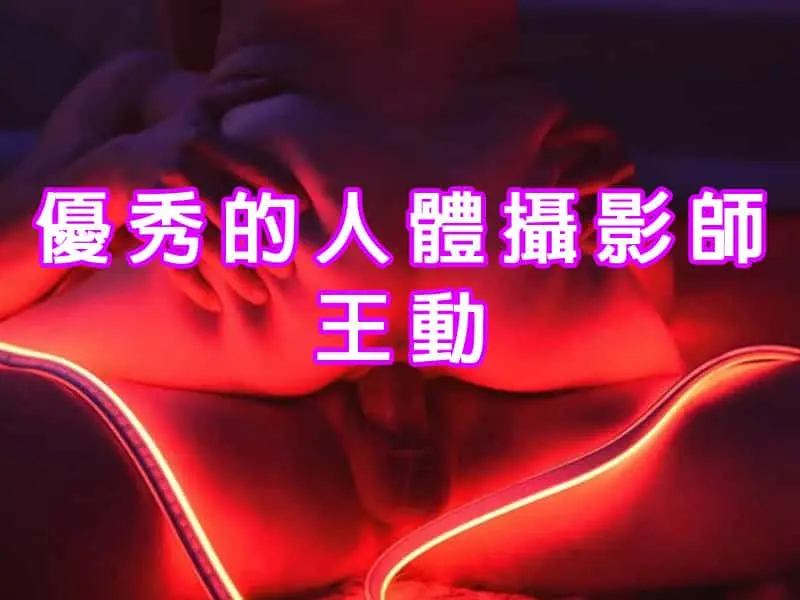
Wang Dong, an excellent human figure photographer
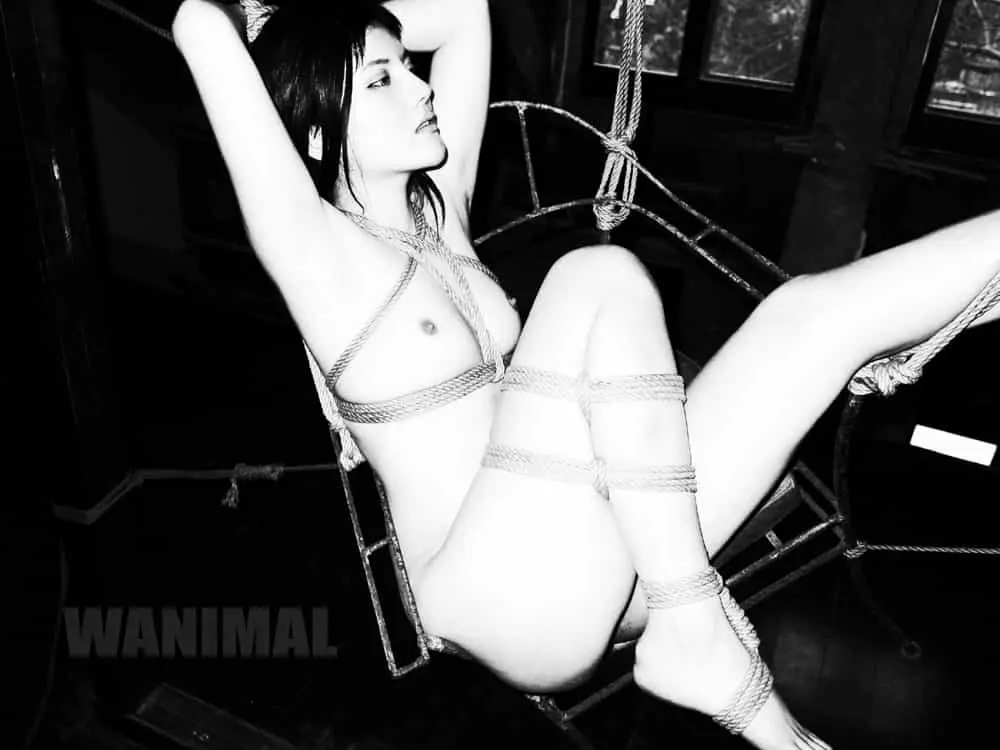
Wang Dong(English name: wanimal), a controversial Chinese nude art photographer, is known online for his bold public space creations. He graduated from the Central Academy of Drama with a major in stage design. Both his parents worked in art-related fields, and his family environment was filled with art. He taught in China before pursuing further studies in the United States, continuing his studies in set design.
In addition to nude art photography, he also explores other creative forms, including set design and location shooting. His works often combine the human body with historical buildings, city streets, or museum environments, attempting to explore the collision between human aesthetics and the power of space.
However, his creative path is controversial, attracting both supporters of artistic freedom and critics who question his overstepping boundaries. The Palace Museum incident in 2015 thrust him into the eye of the storm, and the judicial ruling in 2020 added a legal dimension to his career.
Table of contents
Early Life Experiences and Artistic Enlightenment
Wang Dong was born into an artistic family, which laid a solid foundation for his later creations. Both his parents worked in the arts, and the walls of their home were often covered with his father's oil paintings of nude women. Growing up surrounded by art, he naturally developed an appreciation and curiosity for the human form.
He has publicly stated that he grew up finding the human body "beautiful," which naturally led him to pursue nude art photography. This enlightenment was not abrupt, but rather the result of long-term immersion in an artistic family environment. In many interviews, Wang Dong emphasizes that the human body is not merely flesh, but a return to nature and simplicity. He cites anthropological books such as *The Naked Ape* and *The Zoo*, attempting to interpret the human body from biological and sociological perspectives, advocating that stripping away all coverings is necessary to return to the purest state.
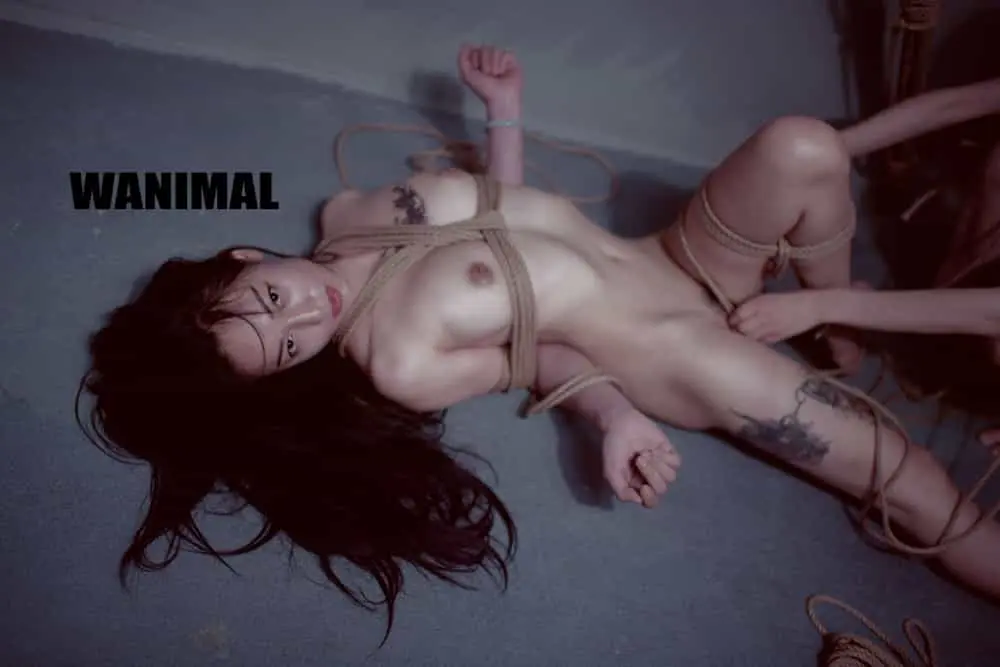
After graduating from the Central Academy of Drama with a degree in stage design, Wang Dong initially worked as a teacher in China. His training in stage design instilled in him a strong "situational awareness." He wasn't content with simply shooting in a studio; instead, he placed the human body in specific environments, pursuing the interaction and dialogue between the human form and space. Later, he went to the United States to continue his studies, still majoring in scene design. This background distinguishes his work from the simple play of light and shadow by traditional figure photographers, placing greater emphasis on narrative and dramatic tension.
He has conducted outdoor shoots in locations such as the Museum of Fine Arts, Boston, and the streets of Hong Kong, experiences that have honed his skills in "operating" in public places. He jokingly complains about Americans' "love of calling the police" and shares a funny anecdote about shooting at the Summer Palace during the summer peak season: prepare a long dress, pull it up to your chest to cover yourself when there are crowds, set up your tripod, meter, and composition, and as soon as the crowd disperses, quickly pull down the dress to complete the shot. This "guerrilla" shooting technique has become a distinctive feature of his creative style.
Wang Dong describes himself as a "scene designer," not simply a photographer. He believes that art serves the senses—to be visually appealing, auditory, gustatory, fragrant, and tactile. Nude photography is only one part of his work; he emphasizes that "he only posts nudes online, nothing else," but also admits that "nude photography is not everything." This multifaceted nature has maintained a certain mystique within the art world, while also sowing the seeds of controversy. During his studies abroad, he continued to create extensively both domestically and internationally, attempting to combine traditional Chinese cultural elements with modern nude art, but often misunderstandings arose due to differences in cultural context.
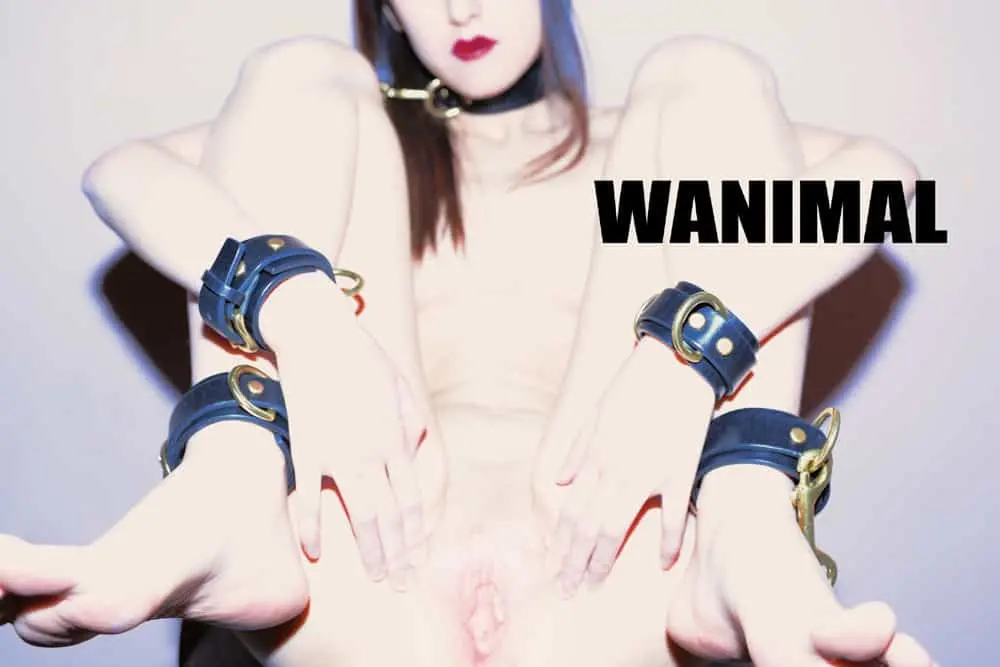
The Palace Museum Incident: Art or Blasphemy?
On May 17, 2015, a series of nude art photos taken by Wang Dong inside the Palace Museum quickly caused a huge uproar after being posted on Weibo. In the photos, a female model is completely naked, posing in various positions in front of solemn buildings such as the Hall of Supreme Harmony. One of the most controversial images shows the model with her legs spread wide, straddling a dragon head (a decorative dragon ornament on the drainage outlet of ancient buildings), her feet on the ground, and her right hand grasping the dragon head. These photos were widely shared by netizens, with hashtags including "I'm at the Palace Museum" and "I'm at Qingling (the Ming Tombs)."
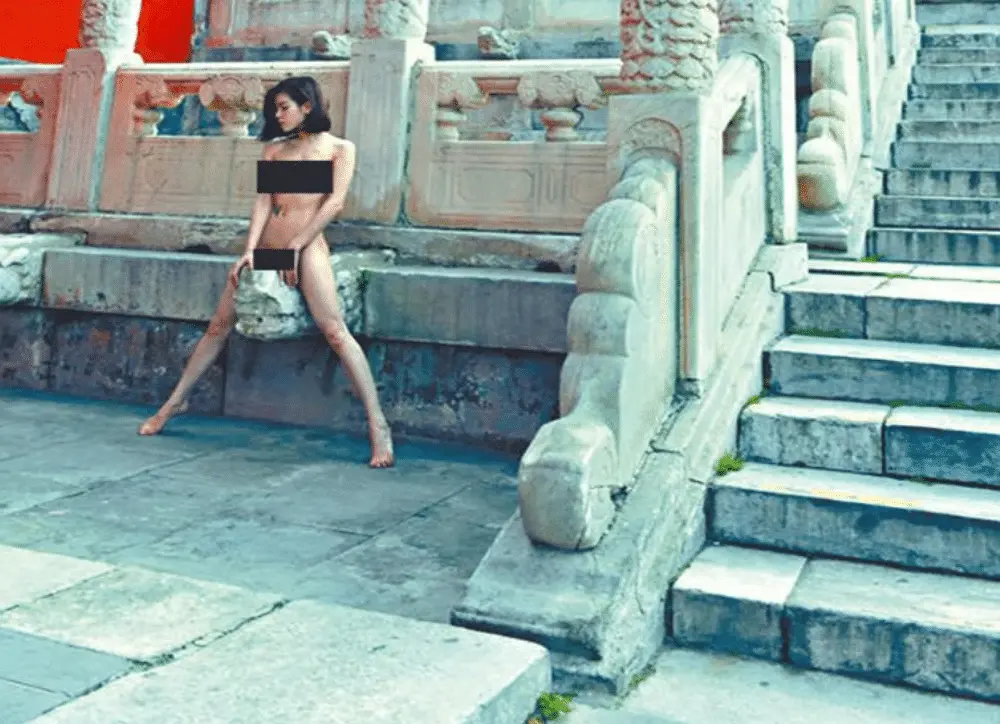
The incident quickly escalated. Some netizens reported the incident on Weibo, tagging the Palace Museum, arguing that it seriously desecrated cultural relics and damaged the dignity of traditional Chinese culture. The majestic Palace Museum, as the imperial palace of the Ming and Qing dynasties and a symbol of cultural heritage, is seen by many as a sacred and inviolable public cultural space. Placing nude bodies within it, especially interacting with the architecture in a relatively revealing manner, is seen as a provocation against historical accumulation. Other netizens were astonished at how the photographer managed to avoid the crowds in the crowded Palace Museum and questioned whether it had disrupted public order.
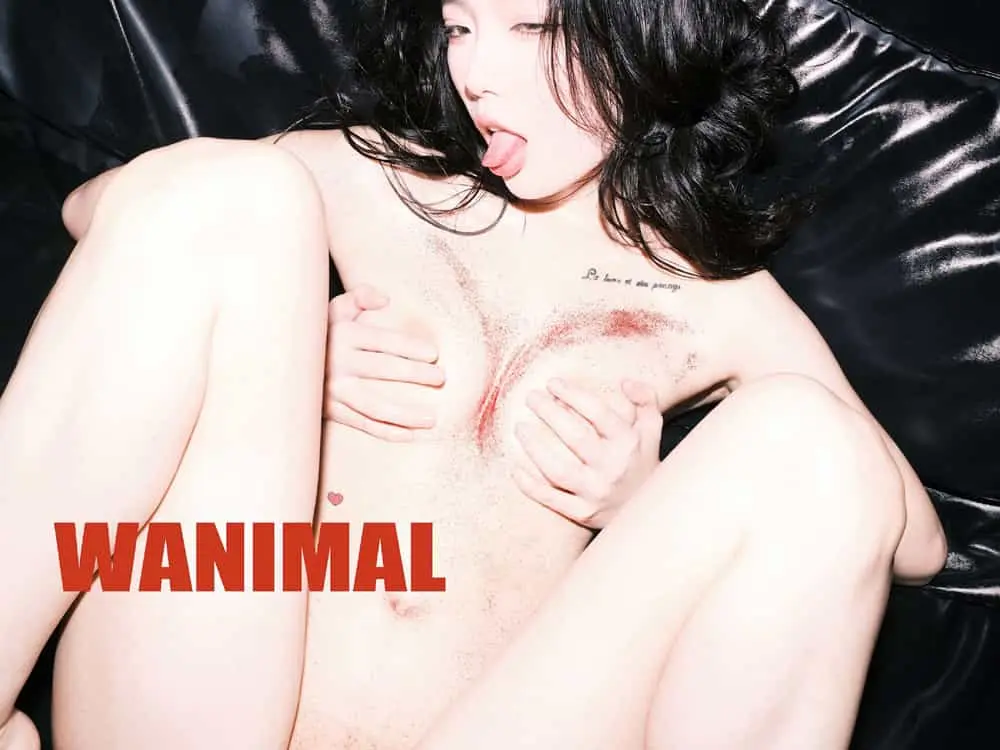
The Palace Museum stated that it was completely unaware of the incident beforehand. Surveillance footage showed that around 8:30 AM on May 17th, four people (including a model) entered the museum with tickets and began taking photos on the west side of the third platform of the Hall of Supreme Harmony. Staff members discovered and stopped them during a patrol. The museum emphasized that the photoshoot was planned and prepared; Wang Dong had scouted the location three times in advance. Although the area was within open spaces, the behavior violated public order and social morality, and damaged the dignity of the cultural relics.
The Palace Museum issued a statement condemning the act, saying it "not only violates public order and social morality, seriously affects the cultural atmosphere that the Palace Museum should have, but also damages the dignity of the cultural relics themselves and cultural heritage."
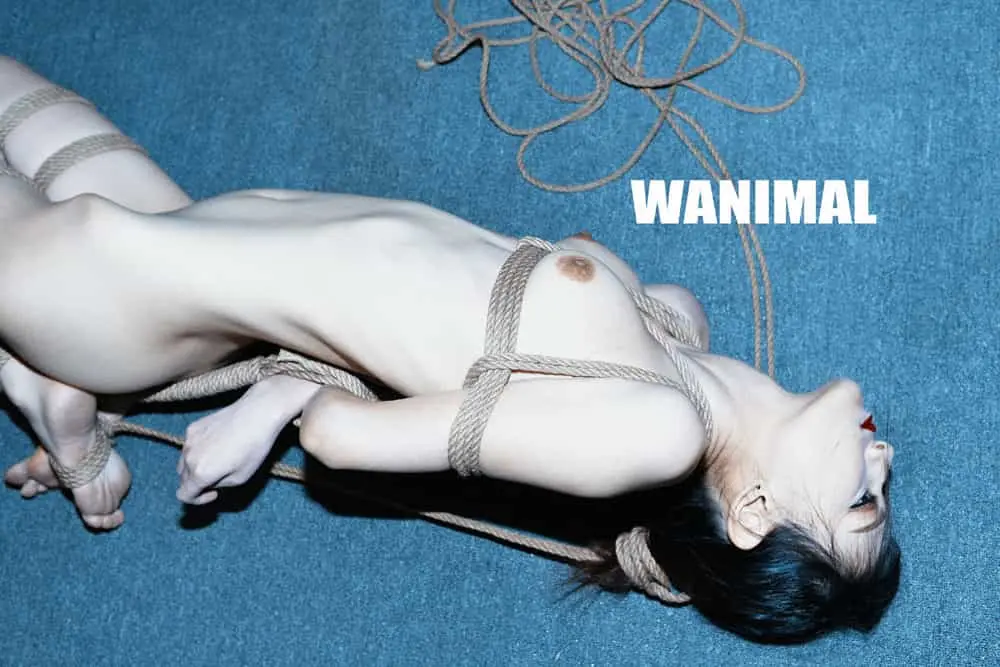
Wang Dong's response:
In response to the criticism, Wang Dong stated on Weibo: "Taking nude photos to create art is nothing new," and added that "being misunderstood is the fate of the expresser." He emphasized that he is a scene designer, and "my professional instinct tells me I should create within an environment," asserting that his work "has not affected anyone," and that his work has been published in professional fields abroad. He claimed that nude photography "has existed since the invention of photography, it's perfectly normal," and called himself a "scene designer," advocating that "being misunderstood is the fate of the expresser." He explained that choosing the Forbidden City for the shoot was not an insult, but rather a way to present a strong contrast between "the historical accumulation of power in the palaces of previous dynasties" and the human body. He stressed that the models were merely using poses and did not damage any cultural relics; the work was initially published on a private photography website with no intention of widespread dissemination; the entire process avoided tourists and did not directly affect anyone. He also shared similar experiences at the Summer Palace, the streets of Hong Kong, and the Museum of Fine Arts, Boston, believing that photographing nudes at tourist attractions is "not a new thing."
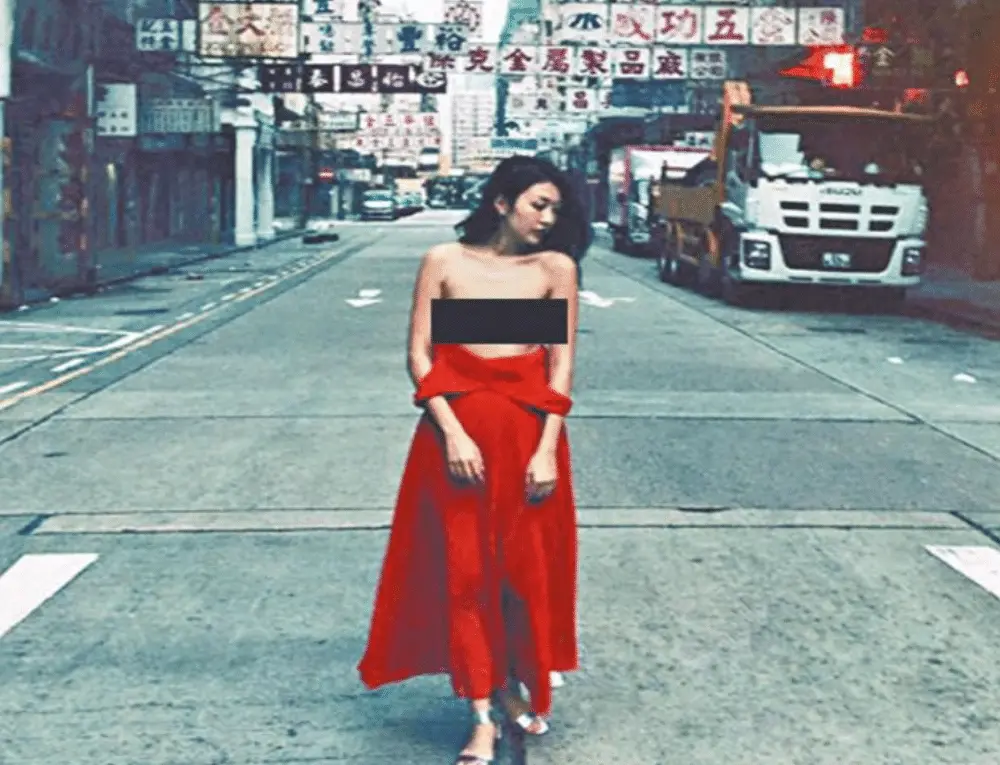
This response failed to quell the controversy and instead exacerbated the divisions. Supporters argued that Wang Dong's work broke through traditional artistic expressions, demonstrating the artist's courage and innovation, and challenging rigid cultural boundaries. They cited international precedents of photographing nude art in places like pyramids and museums, arguing that art should not be limited by geography or culture. Opponents, however, questioned whether he was using public cultural spaces for self-promotion, suggesting his motives were not purely artistic but rather a desire for attention through controversy. Cultural scholars such as Hu Yeqiu pointed out that this action had nothing to do with art; every culture has inviolable bottom lines, and true artists should respect both others and themselves. Legal opinions were also divided: if it did not disrupt order and was for artistic purposes, it might not be illegal; however, intentional nudity in public places could constitute "visual obscenity" or violate public order and good morals.
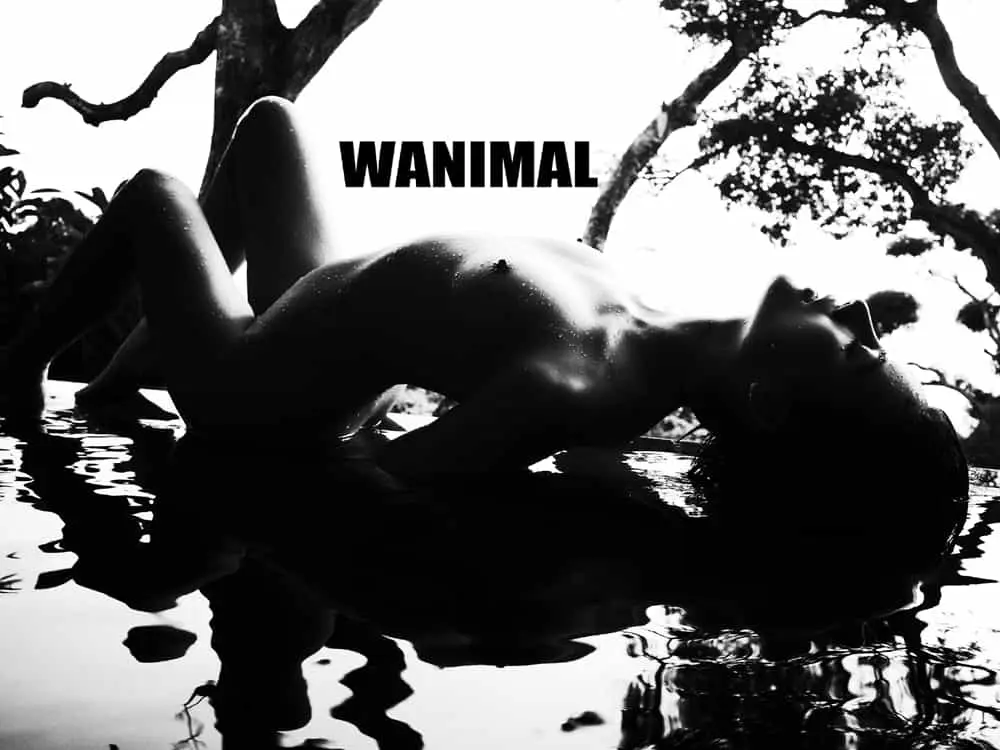
Wang Dong's nude photos taken in front of the Forbidden City, with the model straddling a dragon head statue with her legs spread, sparked huge controversy online. Multiple media outlets, including Guancha.cn, People's Daily Online, and Beijing News, followed up with reports, making the incident a hot topic online in the summer of 2015. Wang Dong initially responded publicly on Weibo before "withdrawing," but later published a lengthy article explaining his philosophy. He emphasized that he had a clear conscience and welcomed a government expert panel to review whether his work was pornography or art.
The Palace Museum incident was not only a turning point in Wang Dong's personal career, but also reflected the complex tensions in Chinese society between artistic freedom, public morality, and the protection of cultural heritage. In the context of globalization, how human body art can be integrated with local cultural contexts has become a persistent topic of discussion.
Other creative work and personal life
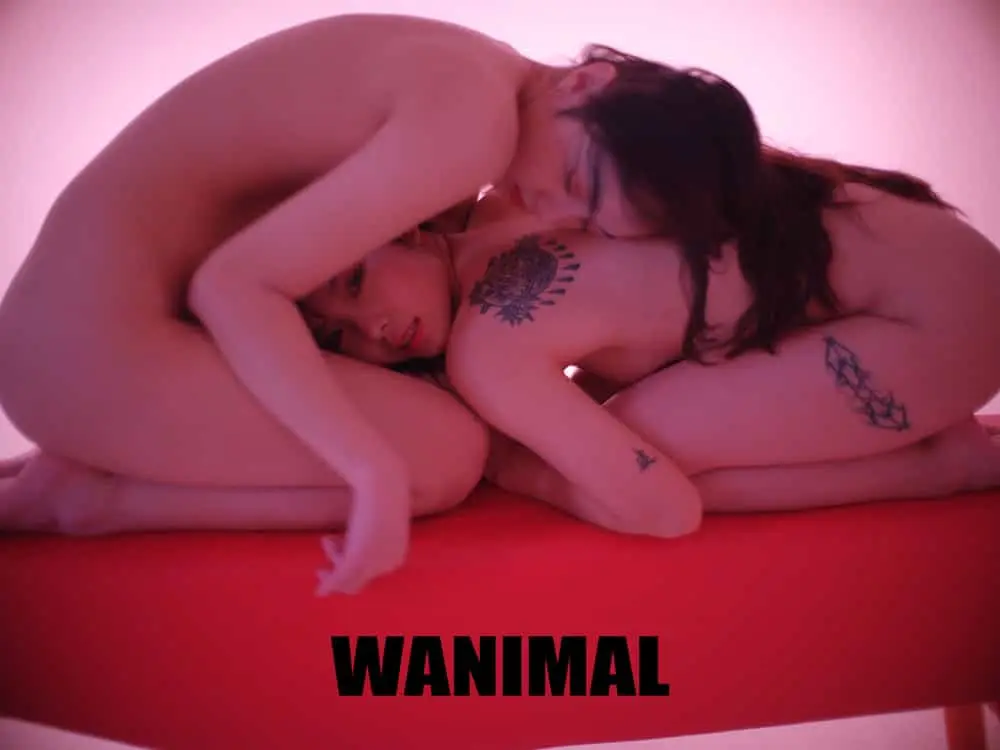
Besides the Forbidden City incident, Wang Dong has also taken similar nude art photos on the streets of Hong Kong and at the Bailu Bridge in Liuzhou, Guangxi. Shortly after the Forbidden City controversy in 2015, he released new works in Liuzhou, which netizens jokingly referred to as "Liuzhou's fall." These works continue his consistent style: the collision of the human body with urban landscapes or industrial backgrounds, pursuing drama and visual impact. He revealed in an interview that many models like to accompany him on outdoor shoots, considering it a "rare adventure in life."
In his personal life, Wang Dong is relatively low-key. He mentioned that family influence is the source of his art; his father's nude oil paintings instilled in him a natural affinity for the beauty of the human body from a young age. While studying in the United States, he continued to create, but also experienced cultural differences: Americans have a strong awareness of the need to call the police, requiring extra caution when taking photographs. He quipped, "If the police come and you're tough, you're dead," reflecting the creative challenges of working under different legal environments.
Wang Dong emphasizes that he doesn't only photograph the human body; he also creates other works. However, in the public's mind, he remains closely associated with the label of "nude art photographer." This may be the success of his artistic concept—using controversy to bring the dialogue between the human body and the scene into the public eye.
2020 Judicial Rulings: From Art to Law
On November 27, 2020, the official WeChat account of the National Anti-Pornography and Anti-Illegal Publications Office released a report on a case in Wuxi, Jiangsu Province, involving the sale of obscene materials for profit. The defendant, Wang (also known as Wang Dong), and his wife, Liu, were sentenced by the Liangxi District People's Court of Wuxi City. Wang Dong was sentenced to three months of detention and fined RMB 5,000; his wife was sentenced to one and a half months of detention.
The court found that Wang Dong, along with his wife, sold digital photos to others for 1,800 yuan each by storing them on USB drives. The drives contained 2,378 obscene photos. Furthermore, since 2015, the two had sold picture albums through WeChat and online stores, with 20 albums seized and sales totaling 13,900 yuan. These albums were also identified as obscene materials. The court held that the two, by selling obscene materials for profit, constituted the crime of selling obscene materials for profit.
This verdict has sparked media attention and online discussion. Supporters argue that if the filming is purely for artistic appreciation or marital intimacy, and not reproduced or disseminated for profit, it does not constitute a crime. Legal professionals, including Attorney Wang, explain that artistic works containing obscene or pornographic content but possessing artistic value, or artworks depicting the beauty of the human body, do not fall under the category of obscene publications. The key issue is whether the reproduction and dissemination are "for profit."
The verdict in Wang Dong's case is somewhat related to his involvement in the Palace Museum incident. His continuous creative and sales activities since 2015 were deemed to be profit-making in nature. After serving his sentence, Wang Dong was released around the end of 2020, according to relevant information, and he even shared his "certificate of release from prison" online.
This incident highlights the blurred lines between artistic creation and the law. Under China's current legal framework, the criteria for identifying obscene materials involve factors such as social harm and whether the work is intended for profit. Nude art photography may be protected if it remains at the level of private appreciation or non-commercial dissemination; however, once it involves large-scale reproduction and sale, it easily crosses the line.
Controversy and Cultural Reflection
Wang Dong's work consistently revolves around several core controversies: one is the boundary between art and pornography. Supporters argue that the human body is natural and beautiful, and its combination with historical space can create a unique tension, challenging traditional aesthetics. Opponents, however, emphasize that nudity in public places transcends the realm of art, constituting an invasion of others' senses and a desecration of cultural heritage. While nude photography has indeed existed since the invention of photography, its sensitivity is amplified when placed within the specific cultural context of China, especially when it involves national cultural relics such as those in the Forbidden City.
Secondly, there's the issue of the right to use public spaces. Public cultural venues, such as the Forbidden City, are heritage shared by all citizens, not free stages for individual creation. While the photographer claimed "no one was disturbed," surveillance footage shows staff intervened, and online complaints reflect a clash of societal consensus. Similar incidents have occurred in places like the Egyptian pyramids in the era of globalization, but Chinese society places a higher level of importance on cultural heritage protection.
Thirdly, there is the distinction between hype and genuine creation. Wang Dong repeatedly emphasized that he had a "clear conscience" and that "being misunderstood is fate," but critics believe that his high-profile release and subsequent responses had a certain self-promotional element. It has become a social consensus that artists' freedom of expression should be based on not harming the public interest.
A deeper cultural reflection lies in: how can contemporary China balance artistic innovation with traditional norms? Nude art has a long tradition in the West, with classic examples from the Renaissance to Modernism. However, in China, Confucian culture emphasizes "do not look at what is improper," and the modern rule of law's maintenance of public order makes bold creations prone to controversy. Wang Dong's experience can perhaps be seen as a case that prompts society to consider: how should the boundaries of art be defined? What roles should the government, experts, and the public play in determining "artistic value"?
Furthermore, the rapid dissemination of information in the digital age has amplified the escalation of controversies. A set of photos, moving from a private website to Weibo and then amplified by the media, quickly became a public event. This serves as a reminder to creators that while pursuing expression, they must consider the social consequences and legal risks.
The Fate of the Expresser and a Mirror of the Times
Wang Dong's career trajectory, from a stage designer at the Central Academy of Drama to a controversial nude photographer, and then to being sentenced for profiting from the sale of obscene materials, is like a mirror, reflecting the complex landscape of contemporary Chinese art. He advocates that "being misunderstood is the fate of the expresser," which perhaps expresses the common sentiment of many avant-garde artists: when breaking boundaries, they inevitably encounter resistance and misunderstanding.
However, destiny is not fatalism. The value of art ultimately needs to be tested by time. Whether Wang Dong's works possess lasting artistic vitality remains to be judged by history. But the discussions sparked by his incident—regarding human aesthetics, public morality, cultural heritage protection, and the boundaries between art and law—have transcended the personal realm and become nourishment for social progress.
In today's world, artists need to be more cautious: how to find a balance between free expression and respect for norms? How to ensure that innovation does not harm public sentiment? Wang Dong's story reminds us that art is not an isolated personal game, but a practice embedded in a network of society, culture, and law. Only creations that truly respect others, culture, and rules can transcend controversy and reach a wider audience.
Further reading: