



A Practical Guide to Taoist "Bedroom Arts"
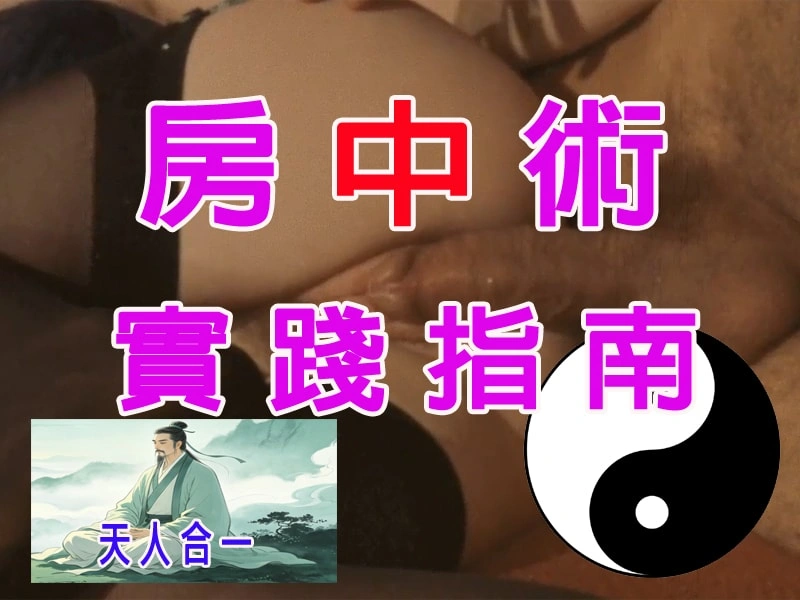
The Art of SexIt reflectsTaoism「Harmony between man and natureThe philosophy behind this concept is that the human body is a microcosm, resonating with the macrocosm of the universe. Through the practice of sexual techniques, one can achieve harmony between humanity and nature.
Table of contents
Preparation
Before engaging in sexual intercourse, it is essential to focus on physical and mental conditioning to ensure harmony between Yin and Yang. Taoist sexual techniques view sexual activity as a path of cultivation, not merely sensual pleasure; the aim is to achieve health and longevity through the mutual replenishment of Yin and Yang.
- Choosing a partnerChoose a partner who is gentle, healthy, and of a suitable age. According to the principle of "yin nourishing yang," men should choose women who are full-figured and gentle; women, on the other hand, can "nourish yin with yang" and choose men who are full of energy. Both parties need to trust each other and avoid situations of coercion or unwillingness, so as not to disrupt the flow of qi.
- Environmental arrangementChoose a quiet, clean, and warm room, avoiding drafts. Light incense (such as sandalwood) and play soft music to create a tranquil atmosphere. The bed should be soft, and the lighting should be gentle to facilitate air circulation. The room should be adequately ventilated to keep the air fresh. According to the *Dongxuanzi*, one should face east in spring, south in summer, west in autumn, and north in winter, aligning with the qi of the four seasons.
- Physical and mental conditioningSeveral days before intercourse, abstain from spicy and greasy foods, and eat more light fruits and vegetables and qi-tonifying foods (such as sesame seeds and walnuts). Practice meditation or qigong (such as Baduanjin) to regulate breathing and calm the mind. Men can practice the Suoyang Gujing Gong: contract the perineal muscles and lift upwards, persisting to enhance control. Women can practice strengthening the pelvic floor muscles. Shower and cleanse the body before intercourse, and wear loose clothing. Both partners should maintain a pleasant physical and mental state, avoiding intercourse when fatigued, hungry, or intoxicated. According to [the relevant regulations/guidelines]...Su Nu JingAccording to the records, "When one is on a long journey, tired, or experiencing great joy or anger, one should not engage in sexual intercourse."
- Timing selectionIt is advisable to perform this ritual on a full moon or a clear night, avoiding menstruation, illness, or a state of fatigue. According to Taoist beliefs, the Qi (vital energy) is strongest between 11 PM and 1 AM, making it an auspicious time. Ancient texts record that odd-numbered days are Yang days, and even-numbered days are Yin days; the period from 11 PM to noon is Yang time, and the period from noon to 11 PM is Yin time. Therefore, it is best to choose a Yang day and Yang time to cultivate Yang Qi.

Skills Stage
"The union of Yin and Yang" emphasizes "intercourse without leakage," meaning controlling the release of vital energy during intercourse and achieving mutual complementation through energy circulation. The process is divided into foreplay, intercourse, and aftercare.
Foreplay and caressesBegin with handshakes and caresses. The man can stroke the woman's arms upwards to her breasts, armpits, collarbone, neck, chin, and around her lips to stimulate blood circulation. The woman can gently hold the man's penis and massage it slowly. Both partners take deep breaths and visualize the merging of yin and yang energies. The focus is on arousing desire, but without rushing, continuing for 10-20 minutes until both partners are aroused but have not yet reached orgasm.
Methods of intercourseAdopt a suitable position, such as man on top or woman on top, to facilitate rhythm control. Insertion should be slow, with the man controlling depth and speed, following the...Nine shallow and one deepThe principle. This is one of the basic techniques of sexual arts, which can maintain the pleasure of both partners while controlling the urge to ejaculate. This method helps to prolong intercourse and achieve the goal of "intercourse without ejaculation." The method involves: nine shallow penetrations followed by one deep penetration, repeated in a cycle to stimulate the woman's yin energy. During the process, both partners close their eyes and visualize: the man imagining absorbing the woman's yin essence, circulating...Du MeridianAscending to the brain. Emphasis is placed on "returning essence to nourish the brain"; women imagine absorbing male yang energy, descending along the Ren meridian to the dantian; when men feel their essence surging upwards, they contract their perineum, press their tongue against the roof of their mouth, and guide the energy upwards, avoiding...ejaculationThis is one of the basic techniques of sexual intercourse. By alternating between nine shallow thrusts and one deep thrust, both partners can maintain pleasure while controlling the urge to ejaculate. This method helps prolong intercourse and achieve the goal of "intercourse without ejaculation."

Respiratory regulation: Proper breathing techniques are crucial for controlling ejaculation. According to the "Dongxuanzi," when one feels that ejaculation is about to occur, one should "close one's eyes and focus inward, press one's tongue against the roof of one's mouth, sit back and pull one's head back, open one's nose and shrink one's shoulders, and inhale through one's mouth." This method can help control the loss of semen.
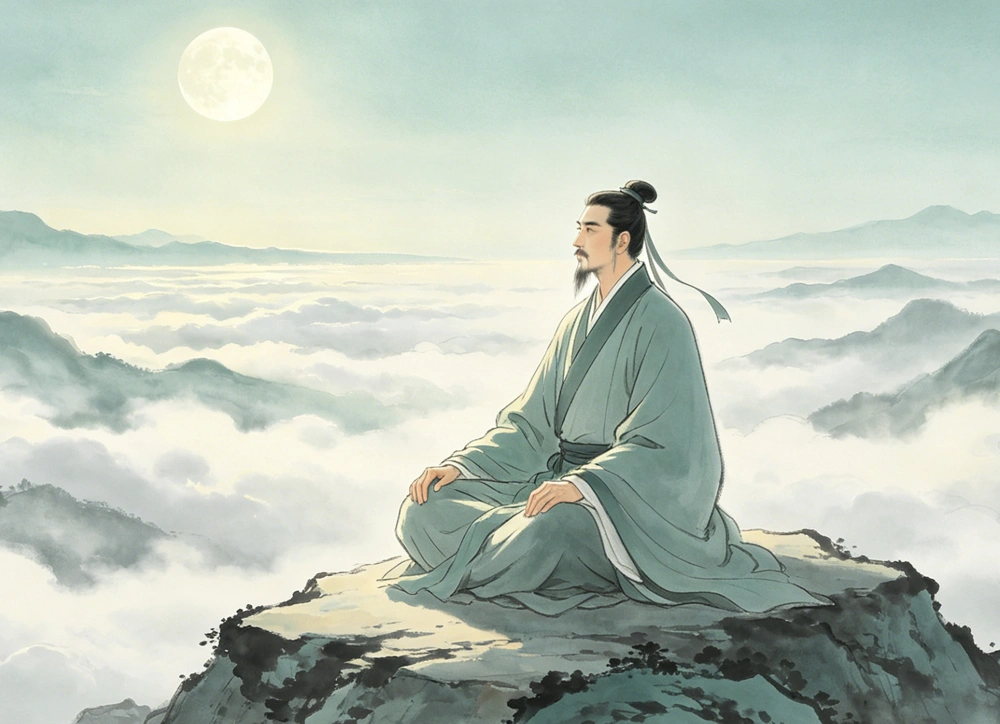
Energy exchangeWhen reaching the "bottom climax" (i.e., an orgasm without ejaculation), both partners breathe in unison. The man absorbs the woman's yin essence to replenish his yang, and the woman absorbs the man's yang essence to replenish her yin. Techniques include: the man remaining still during the woman's orgasm, feeling the energy flow; the woman guiding the energy circulation through pelvic contractions. Intercourse should not be too long; beginners should limit it to 20-30 minutes.

Mind control: The art of sexual intercourse emphasizes the control of the mind. During intercourse, one should maintain focus and avoid excessive excitement. Through meditation and guided intention, sexual energy is transformed into life energy.

Subsequent Qi CirculationAfter intercourse, do not separate immediately. Lie quietly for a while, with both partners' palms facing each other, and perform the Small Heavenly Circuit exercise: starting from the perineum, go up along the spine to the top of the head, then down along the chest and abdomen to the Dantian, repeating several times to preserve the essence and qi.

Precautions
Taoist sexual techniques are not a path to indulgence; excess will harm the body. The following are key warnings:
- Age restrictions: According to the book *Dongxuanzi*, "If a man's age is twice that of a woman, the woman will suffer; if a woman's age is twice that of a man, the man will suffer." A large age gap can be harmful to both parties; therefore, it is advisable to choose a partner of similar age.
- Frequency control: While traditional Chinese sexual techniques emphasize frequent intercourse, this does not mean it should be done without restraint. The frequency of intercourse should be reasonably controlled based on factors such as age and physical condition.
- Control frequencyDepending on age, those in their 20s can have sex every 3-4 days, while those over 40 should have sex every 7-10 days. Pay attention to your partner's physical condition and avoid exhaustion for one of them.
- Health monitoringIf dizziness, lower back pain, palpitations, or other symptoms occur, stop immediately and seek medical attention. Pregnant women and those who are ill or infirm are prohibited from participating. Participation is entirely voluntary and there is no coercion.
- Psychological balanceView intercourse as a form of spiritual practice, not conquest. Avoid focusing on techniques and emphasize mental unity. A restless mind can easily lead to stagnation of Qi.
- TaboosAvoid sexual intercourse after drinking alcohol, eating a full meal, or when angry. Women should avoid intercourse during menstruation or postpartum. Practice should be gradual; beginners can consult a master or read classic texts such as the *Su Nu Jing* or *Yu Fang Mi Jue*.
According to the *Su Nu Jing* (Classic of the Plain Girl), sexual intercourse is not advisable in cases involving "nine calamities":
1.2. Stormy weather 3. Lightning eclipse 4. Earthquake and landslide 5. Unusual celestial phenomena

6.7. In extreme cold or heat 8. After drinking alcohol 9. After a full meal

Through the above practices, one can achieve a balance of Yin and Yang and improve physical fitness.Prolong lifeHowever, sexual techniques are supplementary; they must be combined with a proper diet, exercise, and meditation to be effective. From a modern physiological perspective, some practices of sexual techniques may have a scientific basis. For example, controlling ejaculation can reduce the burden on the prostate and help maintain the balance of sex hormones.
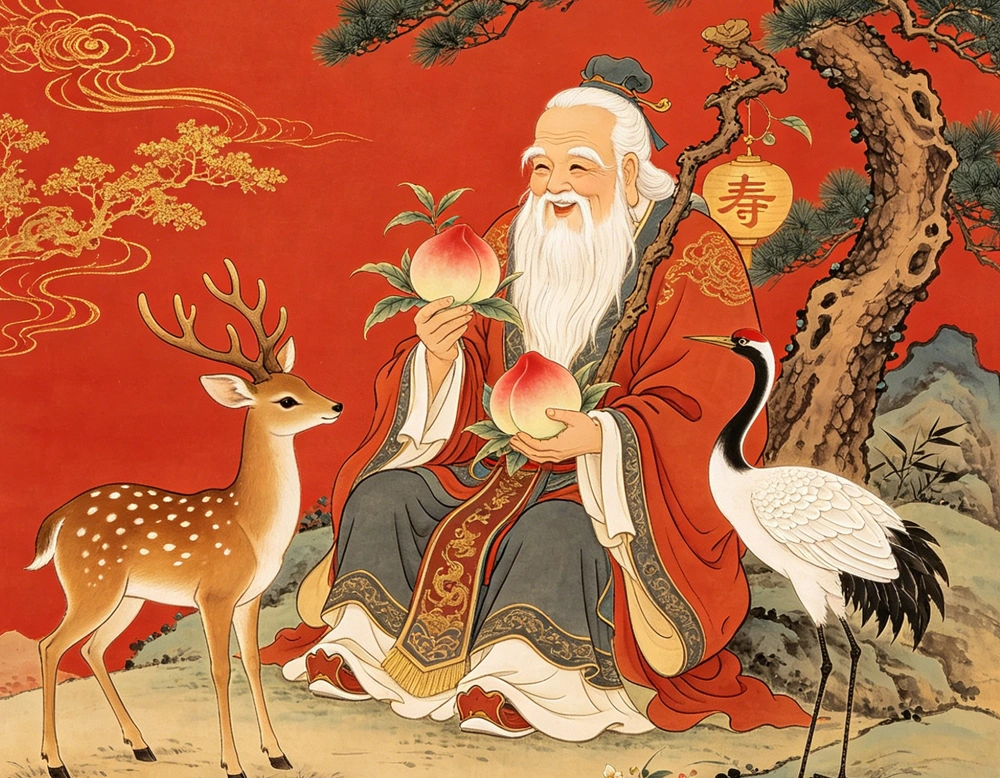
Conclusion of the art of sexual intercourse
Taoist sexual techniques, specifically the concept of "intercourse between yin and yang," are an important part of ancient Chinese health culture, possessing a profound theoretical foundation and rich practical experience. From the unearthed documents of the Mawangdui silk manuscripts to the records in classical texts throughout history, from its emergence in the pre-Qin period to its peak in the Sui and Tang dynasties, sexual techniques have undergone a long development process, forming a unique theoretical system and practical methods.
The core of bedroom arts lies in "Yin and Yang HarmonyThrough proper sexual intercourse, one can achieve harmony between body and mind. Its emphasis on concepts such as "intercourse without ejaculation," "absorbing yin to replenish yang," and "absorbing yang to replenish yin" reflects Taoism's profound understanding of the essence of life. At the same time, the art of the bedroom emphasizes moderation and restraint; it is not about unrestrained indulgence, but rather about using sexual activity as a method of health cultivation.

From a modern medical perspective, some practices in traditional Chinese sexual techniques may have a scientific basis, but they also carry potential risks. Therefore, we should approach these techniques with a scientific attitude, taking the best aspects and discarding the worst, inheriting traditional culture while combining it with modern medical knowledge to explore more scientific and healthy sexual lifestyles.
Taoist sexual techniques, as an important legacy of traditional Chinese culture, not only possess significant historical and cultural value but also offer valuable insights for modern health and wellness. We should conduct in-depth research and rationally absorb their beneficial components to serve the physical and mental health of modern people.
Further reading: